REVIEW · GYEONGBOKGUNG PALACE & HANBOK TOURS
Korean Heritage Tour: Palaces and Villages of Seoul Including Gyeongbokgung Palace
Book on Viator →Operated by KOREA TOUR (DMZ TOUR) · Bookable on Viator
This is a classic Seoul day built around Gyeongbokgung Palace and the hands-on feel of the Korean Folk Village. You’ll start with hotel pickup, pass by Blue House, and then walk through restored Joseon-era grounds with a guide filling in the why behind the gates and pavilions.
What I like most is that the day mixes big sights with slower context: you get a museum stop to explain everyday Korea over time, then a religious site that’s quiet and visually striking. My only caution is the schedule includes a ginseng center stop that can feel like a sales detour if you’re not in the mood for shopping or health-product pitches.
In This Review
- Quick hits before you go
- Gyeongbokgung Palace: the walk that makes Seoul feel real
- My practical tip
- National Folk Museum of Korea: why replicas still work
- A fair note
- Jogyesa Temple: a 500-year calm pause
- Blue House pass and the morning rhythm
- What to expect from timing
- Lunch plus the ginseng stop: heritage or hard sell?
- How to handle it if you’re not into shopping
- Korean Folk Village: crafts you can actually see
- Smart approach
- Tuesday swap: Deoksugung replaces Gyeongbokgung
- Why this matters for your choice
- Coach logistics and how the day feels with a max-10 group
- A guide can change the day
- Is $140 good value for this Seoul heritage day?
- When the price feels less worth it
- When it feels like a win
- Should you book this Gyeongbokgung and Folk Village day?
- FAQ
- What time does the tour start?
- Does the price include hotel pickup and drop-off?
- Is admission included for the main palace and village?
- What happens if Gyeongbokgung Palace is closed?
- How much walking is involved?
- Is lunch included?
- Do I get a mobile ticket?
- How big is the group?
- Can I cancel for a full refund?
Quick hits before you go
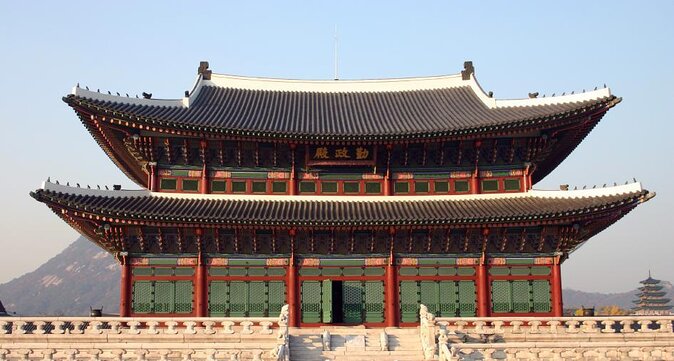
- Gyeongbokgung Palace on foot: built in 1395 and restored after major destruction, so you see the full scale—not just a quick look.
- Short museum stop with lots of material: the National Folk Museum uses replicas and covers daily life from ancient times to the 20th century.
- Jogyesa Temple’s main hall with 500-year roots: a calm contrast to palace crowds.
- Folk Village that’s more than scenery: watch traditional crafts like pottery and basket weaving and see traditional wares.
- Tuesday swap to Deoksugung: if Gyeongbokgung is closed, you’ll still get a historic palace experience.
- Group stays small (max 10): easier to hear the guide and keep track of the group.
Gyeongbokgung Palace: the walk that makes Seoul feel real
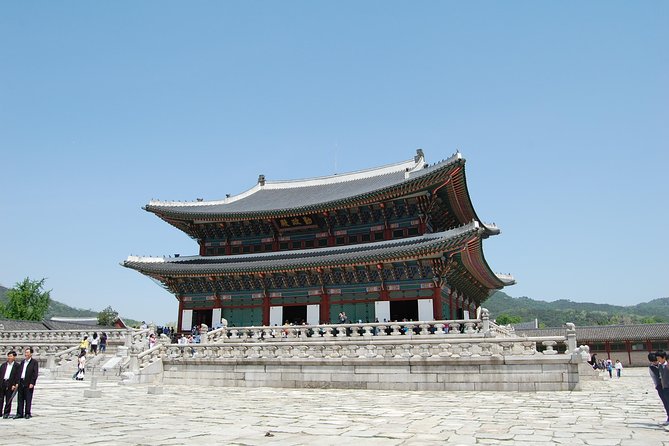
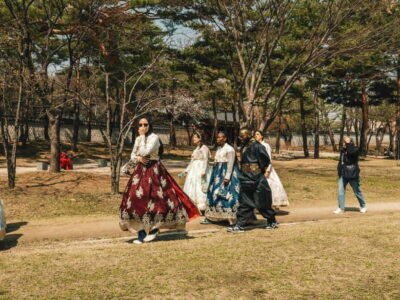
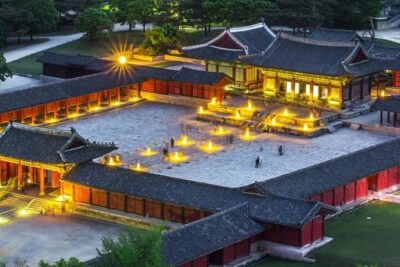
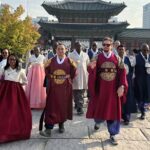
Gyeongbokgung Palace is the headline for a reason. It’s the first royal palace built by the Joseon Dynasty, and it’s also the largest of the Five Grand Palaces. Much of it was destroyed during the Japanese occupation, and there has been a major restoration effort to bring it closer to the original layout and appearance—so your visit feels like you’re looking at both royal power and cultural recovery at the same time.
You’ll spend about an hour at the palace with a guide, strolling the grounds rather than rushing through from gate to gate. That matters. Palaces can feel flat if you only take photos. With a guide, you’re more likely to understand what you’re seeing: gate roles, hall functions, and why some spaces feel formal while others feel like “work areas” for court life.
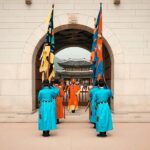
If your timing lines up, you may catch the changing of the guard. One guide-led day worked out perfectly after rain held off, and that’s one of those moments that turns a nice visit into a memorable one.
You can also read our reviews of more historical tours in Seoul
My practical tip
Wear shoes you don’t mind getting a workout. Even if the palace stop is about an hour, the terrain and crowd flow add up fast. Comfort matters more than style here.
National Folk Museum of Korea: why replicas still work
Right after the palace, you head to the National Folk Museum of Korea. The good part: the stop is short (about 20 minutes) and focused, with admission included to the tour experience.
The museum’s approach is straightforward—use replicas and models to show how ordinary Korean life looked across centuries. The exhibits cover daily life from ancient times through the 20th century, and the museum is described as having more than 90,000 artifacts in its collections. That can sound overwhelming, but your guide-led route helps you pick up the big themes without losing the group.
This is where the day clicks for first-time visitors. Before you go, you mostly see palaces. During this stop, you start seeing the people behind the palaces—what they ate, how they worked, and what “home life” meant in different eras.
A fair note
Because the stop is brief, you won’t see everything. If you want museum depth, you’ll likely come back on your own later. Still, for a full-day intro, it’s a smart use of time.
Jogyesa Temple: a 500-year calm pause
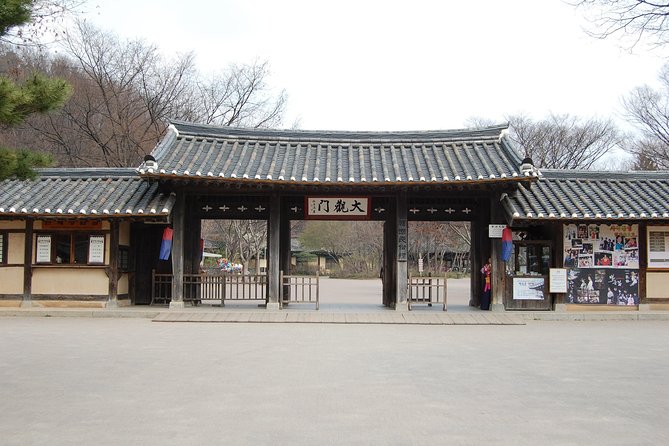
Next comes Jogyesa Buddhist Temple, of the Jogye Order of Korean Buddhism. You only spend about two minutes outside, then go into the main hall area (Daeungjeon) for a short guided tour. The main hall is described as about 500 years old, which gives the stop real weight even with limited time.
Outside, you can also notice the trees lining the entrance—locust and baeksong. It’s a good contrast to the palace’s formal geometry. The temple setting slows your breathing and changes your pace, even if you’re still moving with the group.
The main value here is perspective. You’re not only touring royal Seoul; you’re also seeing how spiritual life shaped Korean culture for centuries.


Blue House pass and the morning rhythm
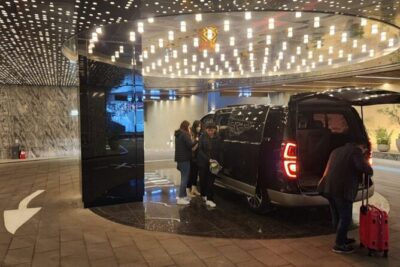
Between hotel pickup and the palace, you’ll ride in an air-conditioned coach and pass by Blue House, the executive office and official residence of South Korea’s head of state. Even if you can’t go inside, the pass gives you a sense of where modern governance sits next to historical landmarks.
The day starts at 8:30 am (pickup from your Seoul hotel). That early start helps you beat the heaviest crowds at the palace and gives the rest of the afternoon enough room.
What to expect from timing
Your schedule is built around transfers, short visits, and a longer cultural stop later. A couple of guide experiences in past departures were described as fast or uneven, so if you’re the type who likes to linger, keep your expectations flexible and plan to return to your favorite site later.
Lunch plus the ginseng stop: heritage or hard sell?
Around midday you’ll stop at a ginseng center before lunch. The tour is designed to teach you about ginseng as a major Korean industry and as a health product, with time to learn and the option to purchase.
You then eat Korean lunch at a local restaurant, and lunch is included.
Here’s the key value tradeoff. This day is sold as heritage-focused, and the morning and palace stops feel like culture. The ginseng center can feel like the business side of culture—health product, retail, and presentations. Some people loved the explanation. Others found it time-consuming or out of place, and a few felt pressured to buy.
How to handle it if you’re not into shopping
Go with a simple plan: treat it as a quick cultural industry stop. Look around, ask questions if you want, but don’t feel obligated to buy. If you’re traveling with limited time for shopping, keep your energy for the Folk Village, where craft work and daily-life details feel more aligned with the “heritage” promise.
Also: one review raised concerns about additional presentation-style segments. Your best move is mental—expect the day to include retail-style moments and don’t book this tour if you want zero shopping interruptions.
Korean Folk Village: crafts you can actually see
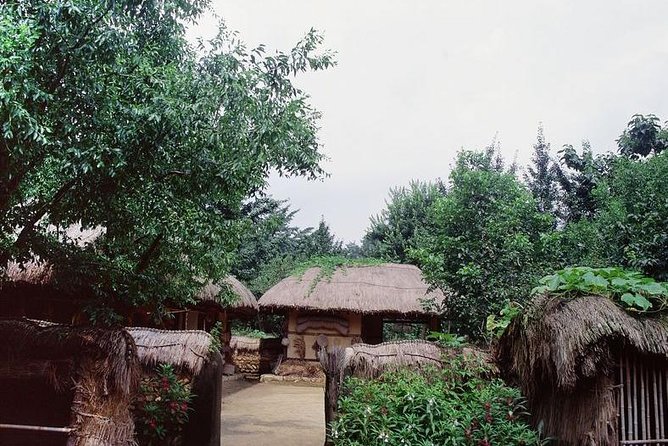
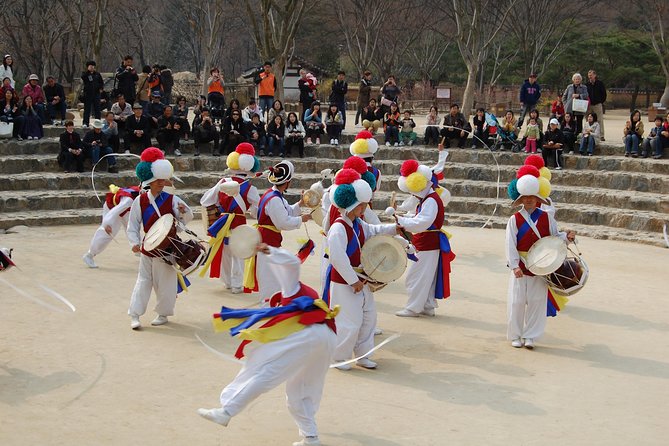
In the afternoon, you head to the Korean Folk Village, a living showcase for traditional Korean life and folk culture. You’ll have about 1 hour 20 minutes here with an included admission ticket.
This is one of the biggest strengths of the tour. The experience is described as hands-on and visually busy: you might see pottery making, basket weaving, and the making of winnows, plus craft demonstrations for embroidery, and traditional work involving bamboo, wood, and brass or brass wares. It’s not just staged displays. It’s the feeling of daily craft skills—how items get made, not only how they look.
That said, the Folk Village isn’t the same as an original neighborhood you can wander. A couple of people felt it resembled a more entertainment-like setting or that the “village” concept can be more staged than expected. That doesn’t mean it’s not worth your time—just that you’ll get the best experience if you treat it like a living museum format, not like a documentary of old Korean streets.
Smart approach
If crafts and demonstrations are your thing, you’ll likely love this segment. If you’re chasing quiet, authentic neighborhoods, schedule this tour knowing the Folk Village is more structured.
Tuesday swap: Deoksugung replaces Gyeongbokgung
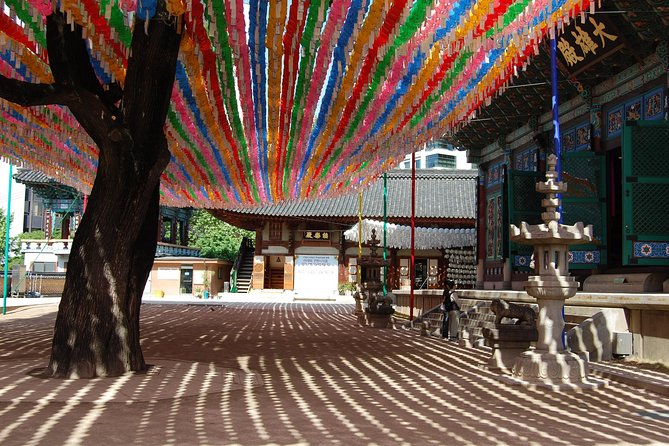
One important operational detail: Gyeongbokgung Palace is closed on Tuesdays. If you book a Tuesday departure, the tour swaps you to Deoksugung Palace.
Deoksugung is also a walled palace compound, and the Seoul Museum of History is included in the plan. So you still get a palace setting plus museum context—just not the Joseon “main star” of the original plan.
Why this matters for your choice
If Gyeongbokgung is your must-see, try not to pick a Tuesday. If your trip dates are fixed, don’t panic—Deoksugung still keeps the day anchored in historic Seoul.
Coach logistics and how the day feels with a max-10 group
This tour runs about 8 hours 30 minutes, and the group size has a maximum of 10. That’s a sweet spot for hearing your guide and not losing track of people at each stop.
You’ll be in an air-conditioned coach for the transfers. That’s not glamorous, but in Seoul summer heat or winter cold, it’s genuinely useful. You’ll also be using a mobile ticket.
The walking is described as moderate. That usually means enough time on your feet to feel it, but not enough to require hiking gear. Comfortable shoes are a must.
A guide can change the day
The reviews include praise for specific English-speaking guides such as Sunny, Winnie, David, Dora, and Michelle. That’s not something you can control, but it’s a good signal: the best versions of this tour sound clear, organized, and easy to follow.
Other reviews pointed to problems when guiding quality or pacing didn’t match the promised full-day experience. So if you care a lot about deep explanations, go into the day ready to ask questions and don’t assume every hour will feel equally guided.
Is $140 good value for this Seoul heritage day?
At $140 per person, you’re paying for a guided, structured day with transportation, lunch, and key cultural stops. The value hinges on what’s included and how efficiently the day moves.
Here’s what’s clearly built into the plan:
- Hotel pickup and drop-off by air-conditioned coach
- Professional guide
- Lunch included
- Admission included for Gyeongbokgung Palace
- Admission is free for the National Folklore Museum portion and Jogyesa Temple portion
- Admission included for the Korean Folk Village
So you’re not just buying a guide. You’re also buying convenience: you don’t have to plan the transfers between palace, museum, temple, and Folk Village. For many visitors, that alone saves time and stress, which has real value in Seoul.
When the price feels less worth it
If you strongly dislike shopping or salesy presentations, the ginseng center can lower perceived value. If you’re the type who wants lots of free time at each site, you may feel the day is tight. And if you’re unlucky with pacing on your particular departure, the “heritage” focus can feel diluted.
When it feels like a win
If you want a strong first snapshot of Seoul’s past—palaces, temples, museum context, and a structured cultural experience—you’ll likely feel this price is fair. The schedule is long enough to cover a lot, but it’s not one of those lightning-fast “grab and go” tours.
Should you book this Gyeongbokgung and Folk Village day?
Book it if you want one day that gives you a map of Korean heritage: palace architecture, museum context, a Buddhist temple break, and a craft-heavy Folk Village stop. The strongest version of this tour is guide-led and organized, and the included lunch and pickup make it low-effort once you’re on the bus.
Consider skipping or adjusting your expectations if:
- You dislike retail-style detours and felt-buy energy around health products.
- You want lots of unstructured time in just one site (this is a multi-stop day).
- You’re traveling specifically on a Tuesday and Gyeongbokgung is your top priority.
If you’re okay with a guided day plus a few structured stops, this is a solid way to get your bearings fast and see why Seoul’s old and new sit side by side.
FAQ
What time does the tour start?
The tour start time is 8:30 am, with hotel pickup in Seoul before the first stop.
Does the price include hotel pickup and drop-off?
Yes. Round-trip hotel transport by air-conditioned coach is included.
Is admission included for the main palace and village?
Yes. Gyeongbokgung Palace admission is included, and the Korean Folk Village has admission included as well. The National Folklore Museum and Jogyesa Temple stops are described as admission free.
What happens if Gyeongbokgung Palace is closed?
Gyeongbokgung Palace is closed on Tuesdays. On those days, the tour visits Deoksugung Palace and also tours the Seoul Museum of History.
How much walking is involved?
The tour involves a moderate amount of walking, so comfortable walking shoes are recommended.
Is lunch included?
Yes. Lunch at a local restaurant is included.
Do I get a mobile ticket?
Yes. The experience includes a mobile ticket.
How big is the group?
This tour has a maximum of 10 travelers and requires a minimum of 4 people.
Can I cancel for a full refund?
You can cancel up to 24 hours in advance for a full refund. If you cancel less than 24 hours before the start time, the amount paid isn’t refunded.