REVIEW · NATIONAL PARKS
Seoul: Mt. Seoraksan National Park Autumn Foliage Day Tour
Book on GetYourGuide →Operated by KTOURSTORY · Bookable on GetYourGuide
Fall colors hit hard in Seorak.
This day trip is a simple way to trade Seoul traffic for Mt. Seoraksan and real mountain air, with included transport and bilingual support from the start to finish. What I like most is the timing: you’re headed north early, then you reach the park around 10:00 for peak leaf-time and photo-light before the day crowds build.
I also like that once you arrive, you get your own hike time (about five hours) instead of being herded from stop to stop. You can choose a tough route like the climb toward Ullsabwawi/Ulsanbawi (lots of steps) or go for calmer walks, plus you may spot little temple spots tucked into the woods. One drawback to plan for: weather can make a big difference. Wind and rain can knock out visibility or mean soaked conditions, and the cable car is not included.
In This Review
- Key things to know before you go
- A Low-Stress Escape From Seoul to Seoraksan
- Autumn at Mt. Seorak: What the Views Look Like Up Close
- Hiking Time on Your Terms: Ullsabwawi Steps to Easier Walks
- Cable Car Reality Check and Photo Planning
- On the Way There and Back: Rest Stops and Real Help From Staff
- Price and What You Really Get for $60
- Who This Tour Fits Best (and Who Should Rethink the Plan)
- Should You Book This Seoul to Seoraksan Autumn Foliage Day Tour?
- FAQ
- How much does the Seoul: Mt. Seoraksan National Park Autumn Foliage Day Tour cost?
- Where is this tour located?
- What time does the tour arrive at Seoraksan National Park?
- How long do you have in the park?
- When does the tour return to Seoul?
- What’s included in the price?
- Are meals included?
- Is the cable car included?
- What languages are available during the tour?
- What should I bring for the hike?
- Is there a seat for an infant?
Key things to know before you go
- You arrive around 10:00, then you have about five hours in the park on your own.
- Hiking is self-paced: Ullsabwawi can be a step-heavy challenge, but there are simpler paths too.
- Cable car is extra: tickets are not included, and conditions can affect plans.
- Staff support helps with language (English and Chinese are included; Korean is also offered).
- Weather can change the day: wind and rain show up in autumn, so pack like it might rain.
A Low-Stress Escape From Seoul to Seoraksan
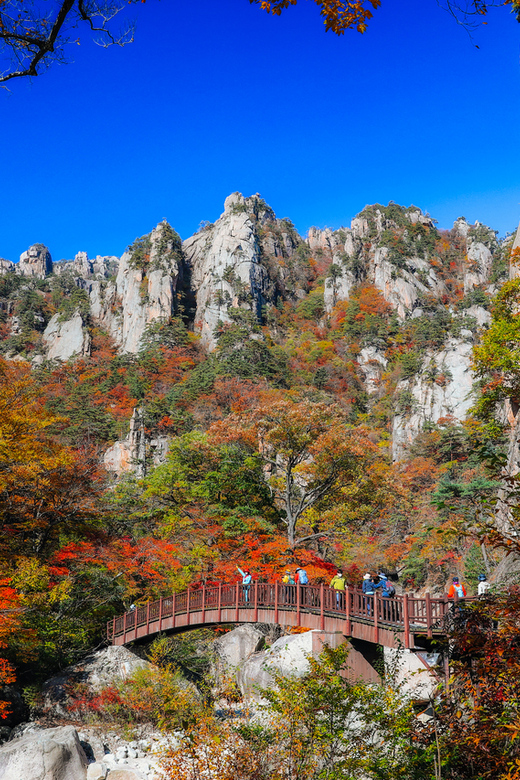
This is the kind of tour that feels like a breath of fresh air before you even leave the city. The goal is straightforward: get you out of Seoul early, bring you to Gangwon Province, and put you in front of one of Korea’s most famous autumn scenery spots without you having to coordinate transport yourself.
You’ll start with pickup from a meeting point that varies by option. After that, it’s straight road time. The schedule is built around daylight in the mountains: expect to approach the park at about 10:00, which lines up well with autumn colors and gives you time to walk before the late-afternoon chill (and the return ride) arrives.
Another practical plus: transportation is included, and the staff speaks English and Chinese (and Korean is also available). That matters more than it sounds. When you’re in a park with winding routes, having someone who can help you get your bearings and manage basics is a real time-saver.
You can also read our reviews of more tours and experiences in Seoul.


Autumn at Mt. Seorak: What the Views Look Like Up Close
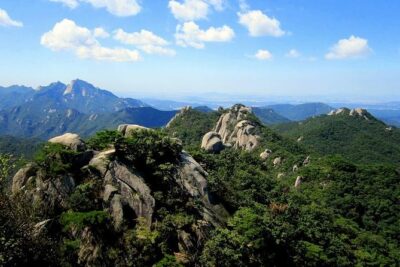
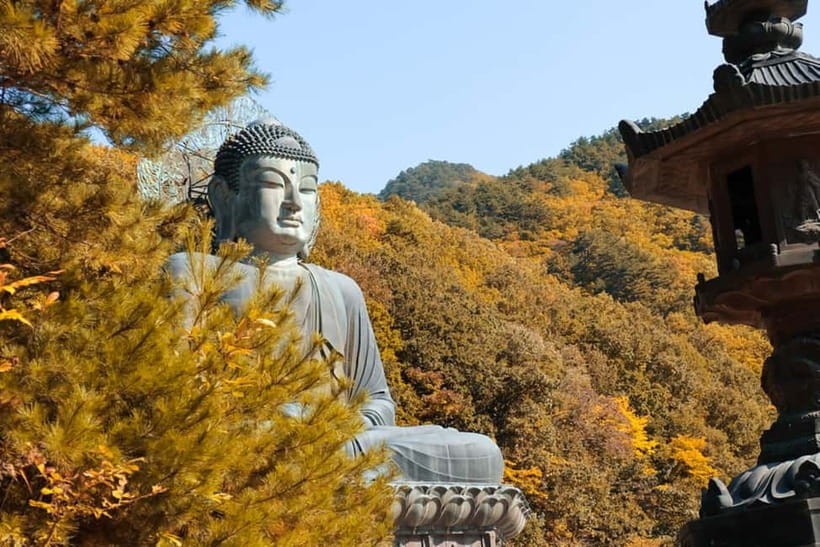
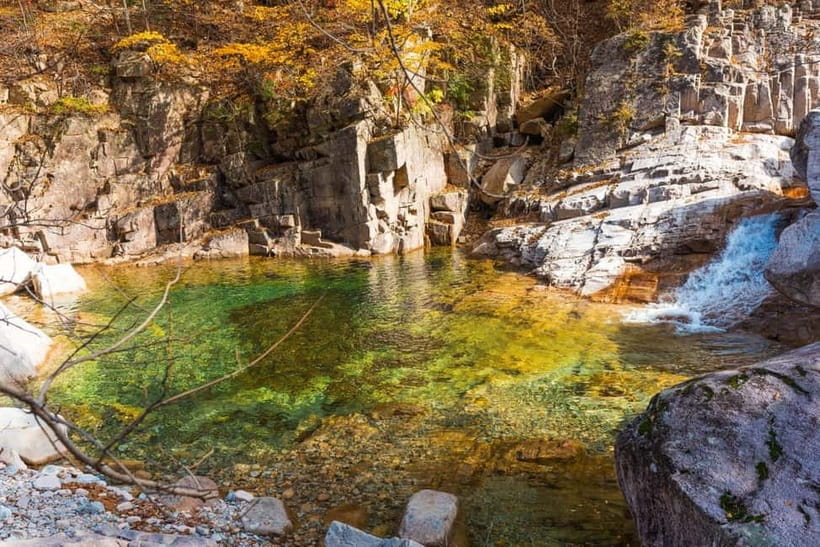
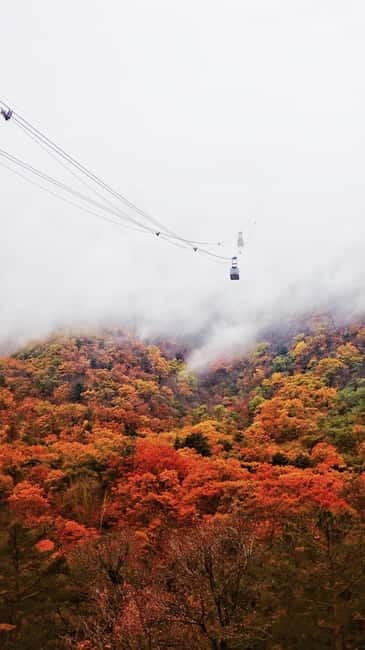
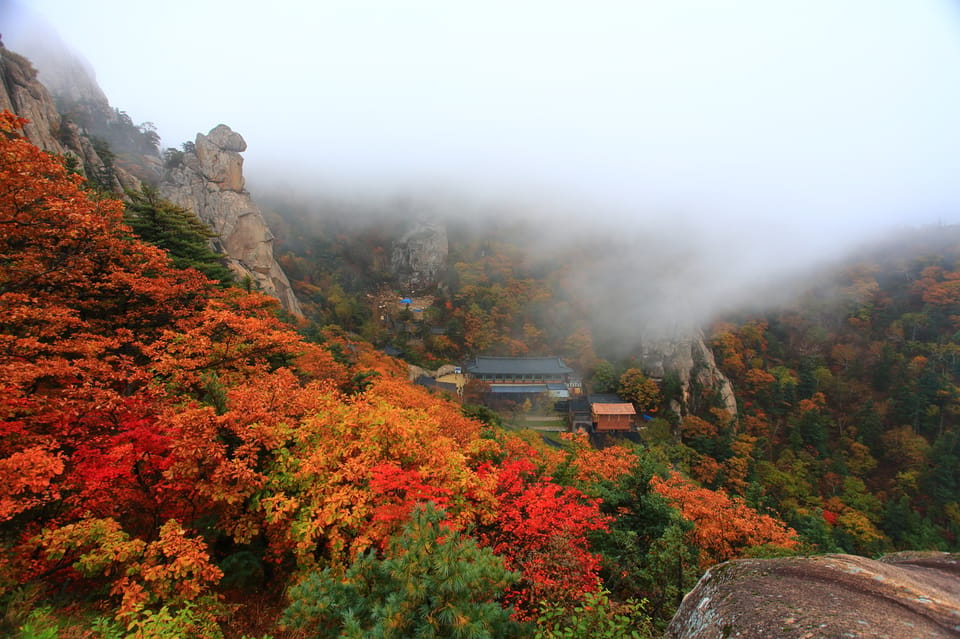
Seoraksan’s fall appeal is not subtle. As you near the park, you’re likely to see mountains marked in reds, oranges, and yellows across the granite peaks and forested slopes. It’s the kind of color you can’t fully capture from a bus window. Once you’re on foot, the park opens up into wide viewpoints and layered tree cover, with seasonal tones shifting as you move.
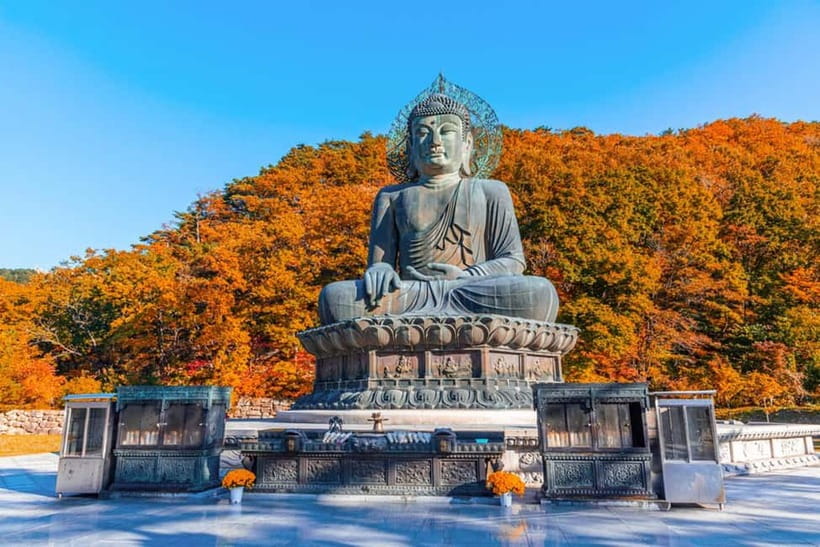
You’ll also get the classic Seoraksan mix of nature and quiet stops. The day includes time for photo breaks, and you can also admire temple areas tucked into the wooded scenery. Even if you’re mainly there for leaves, those small pauses can make the hike feel less like a mission and more like a stroll with scenery doing the talking.
One note that came up in real-world conditions: wind can seriously affect what you can see and enjoy in the moment. If the sky gets hazy or gusty, your best views might be harder to catch. That’s not the tour’s fault, but it’s why being flexible helps. Think of it as a mountain day, not a guaranteed postcard.
Hiking Time on Your Terms: Ullsabwawi Steps to Easier Walks
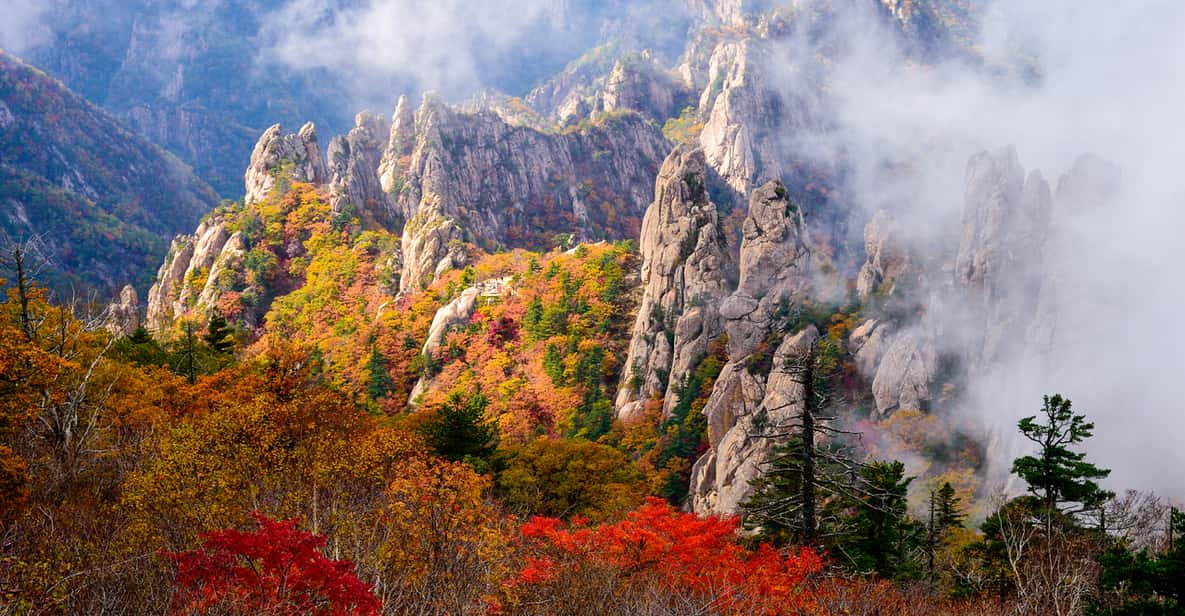
Here’s the heart of the experience: when you reach the park, you’re not locked into a strict guided route the whole time. Instead, you get around five hours of free time for your own hiking choices. That design is great for two reasons. First, it lets you match the day to your energy level. Second, it keeps the experience from feeling like a nonstop checklist.
If you’re up for a challenge, the climb toward Ullsabwawi/Ulsanbawi is the headline route. The steps can be intense. One person doing that hike clocked about four hours, and they weren’t exaggerating when they said it can be a lot of steps. If your legs are already tired or you’re not a fan of steep stair sections, you’ll want to plan a shorter turnaround.
The good news is you’re not forced into the hardest path. The park area allows for more basic walks too. So you can still chase viewpoints and autumn colors without committing to the toughest ascent. My advice: pick one clear goal. For example, aim for a viewpoint you can reach comfortably, then enjoy the rest of the time exploring the calmer sections.
Also, don’t underestimate autumn conditions. One comment described getting soaked during the hike. Even if the weather looks fine at the bus stop, mountain weather can switch. Wear shoes with grip, and bring gear you’d be happy to have when clouds roll in.
Cable Car Reality Check and Photo Planning
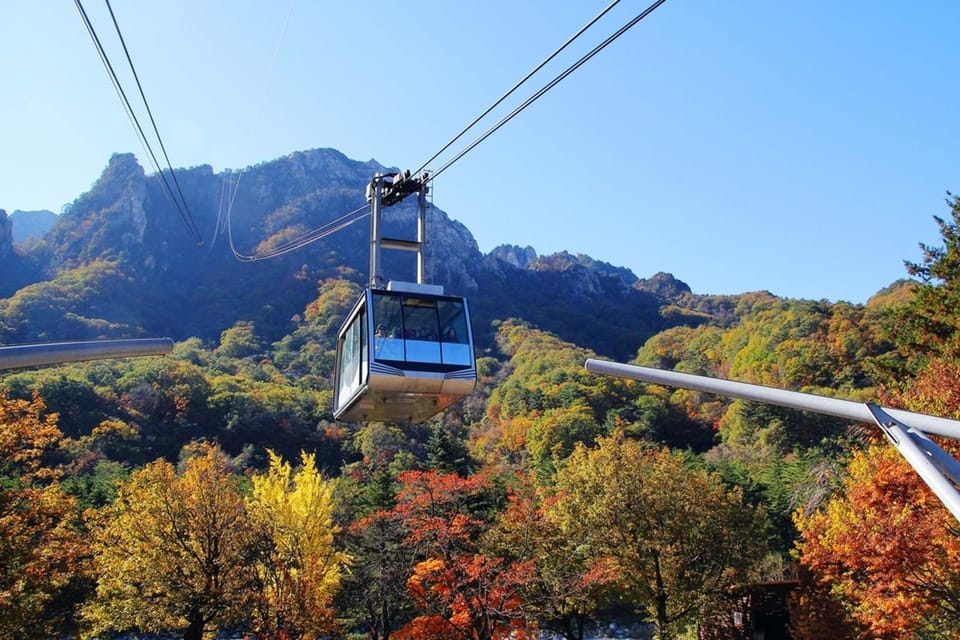
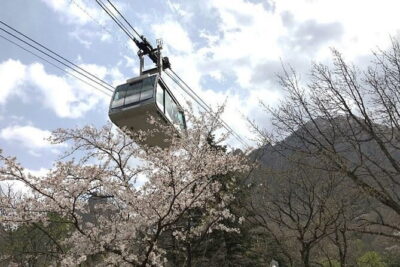
The tour does not include a cable car ticket, so any cable ride is on you (and should be planned with whatever access rules are active that day). That matters because the cable car can help some people save energy or reach areas faster, while other people may prefer to hike the whole way.
If you’re serious about photos, cable car planning can also help with timing. But here’s the catch: even when cable car access is available, conditions can still interfere. Wind was specifically called out as a factor that reduced what people could see. So I wouldn’t count on one single approach for your best shot.
Instead, build a simple photo strategy:
- Choose a viewpoint you can reach on foot even without the cable car.
- Give yourself time to retake photos if the weather shifts.
- Keep one extra stop flexible. Autumn light changes quickly once clouds move.
And yes, if you can reserve cable car tickets in advance, that may reduce stress. But if you can’t, you’ll still have plenty to do in the park on the hiking routes and trails.
On the Way There and Back: Rest Stops and Real Help From Staff
This is not just transportation. The staff support is practical, especially if you’re not traveling with fluent Korean skills.
On the way there, there can be a short break at a rest stop. One experience mentioned getting basic information there, and that kind of heads-up can make the arrival period smoother. It also helps you understand what’s possible in the park time you’ll have.
Guide names that were noted include David, Jiwwon, Tino, and Alice. The common thread was attentiveness and patience—exactly what you want when you’re trying to coordinate meeting times, routes, and the reality of weather.
On the return, the ride is scheduled to leave the park at about 15:30, then you’re back in Seoul around 18:30 to 19:20. That timing is good because it keeps you from feeling like the day disappears into darkness. It also means you’ll likely be tired in a satisfying way: enough walking to feel you did something, without the whole day turning into an endurance event.




Price and What You Really Get for $60
At $60 per person, this day tour can be good value if you care most about convenience and seeing the park without planning logistics.
Here’s what’s included:
- Transportation
- English & Chinese speaking staff
And here’s what’s not included:
- Meals
- Cable car ticket
- Personal expenses and traveler insurance
That means your cost planning should be simple: budget for food in the park and any extra attractions like the cable car. The park itself provides restaurants, but you’ll still need to pay for what you eat. If you prefer to carry snacks, you can do that too, but the tour does not include meals, so you’re responsible for your own hunger management.
Is it worth it versus going on your own? If you’d otherwise spend hours figuring out the route from Seoul, time tables, and how to get to the park efficiently, then paying for included transport is the big win. You’re buying time and lowering stress. You’re also less likely to miss the prime arrival window.
Who This Tour Fits Best (and Who Should Rethink the Plan)

This tour suits you if you want:
- A day trip from Seoul that gets you into a major autumn foliage setting without extra planning.
- A mix of hiking and scenery with time to choose your own pace.
- Language help in English or Chinese so you’re not stuck guessing at key moments.
- A chance to tackle a famous viewpoint like Ullsabwawi, but with options for easier walking too.
It may be less ideal if:
- You’re very sensitive to wind or rain. Conditions can be rough enough to affect visibility, and there’s at least one mention of getting soaked.
- You want everything fully guaranteed to be accessible via cable car. Cable car tickets are not included, and weather can affect outcomes.
- You have limited comfort with stairs. The Ullsabwawi climb is described as tough for steps, even for people who are fit.
If you’re traveling with a family group, this can still work because the park supports different walking styles. Just be realistic about stamina and bring shoes that won’t slip on wet sections.
One last human tip: be punctual at the meeting point. In a group setting, latecomers can slow the whole timeline. Give yourself a little buffer so you don’t spend your first minutes stressed.
Should You Book This Seoul to Seoraksan Autumn Foliage Day Tour?
I’d book it if your priority is an easy, well-supported day trip that lands you in Seoraksan when the colors matter and gives you flexibility once you’re there. The combination of included transport, language help, and hours of independent hiking time is a strong formula for autumn.
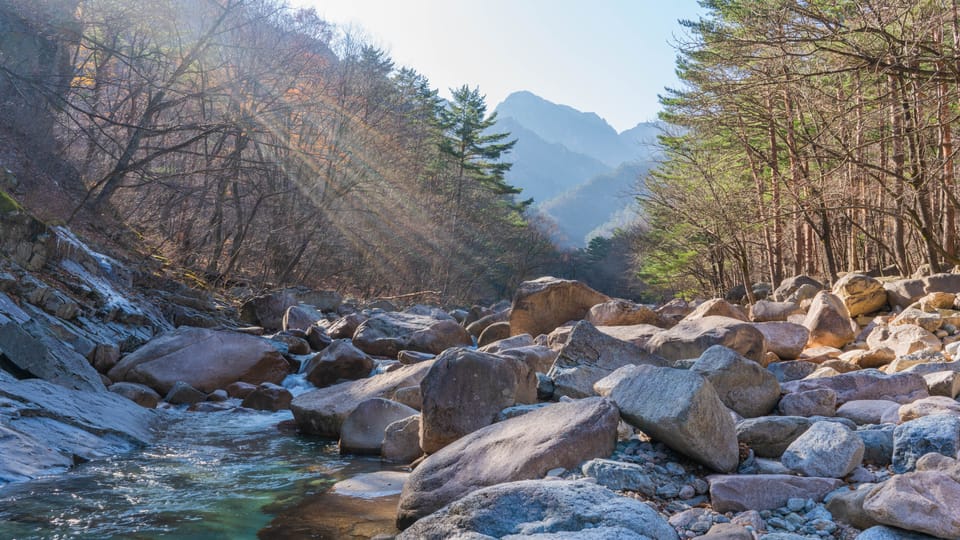
I’d pause if you’re planning around a strict view you’ve seen online and you’re traveling in a period when wind or rain is common. The mountain day can be changeable. But if you go with a flexible plan, you’ll still get the point of Seoraksan: forest color, granite peaks, and a day that feels far from city noise.
If you want a low-stress way to experience Korea’s autumn outdoors, this one makes sense.
FAQ
How much does the Seoul: Mt. Seoraksan National Park Autumn Foliage Day Tour cost?
It costs $60 per person.
Where is this tour located?
The tour is in Gangwon Province, South Korea, at Seoraksan National Park.
What time does the tour arrive at Seoraksan National Park?
You’re expected to approach the park around 10:00 AM.
How long do you have in the park?
You get free time in the park of about five hours.
When does the tour return to Seoul?
The return ride starts around 15:30 PM, and you arrive back in Seoul around 18:30 to 19:20.
What’s included in the price?
Transportation and English & Chinese speaking staff are included.
Are meals included?
No, meals are not included.
Is the cable car included?
No, the cable car ticket is not included.
What languages are available during the tour?
The languages listed are Chinese, English, and Korean.
What should I bring for the hike?
Comfortable shoes are recommended.
Is there a seat for an infant?
The information says an infant is free of charge, but no seat is available.