REVIEW · HIKING & TREKKING
Inwangsan hike & historical sites
Book on Viator →Operated by Honey Trail · Bookable on Viator
Night views start with a good climb.
This Inwangsan hike mixes Seoul skyline nightscapes with real historic stops, from Sajik Park to sections of the Seoul City Wall. You follow a guide up Inwangsan Mountain for a calm, scenic route designed to help you see landmarks like N Seoul Tower and Lotte Tower after dark, without fighting the daytime crowd.
Two things I like a lot are the guide-led storytelling from Lee of Honey Trail, and the way snacks turn the trek into a proper experience rather than just a workout. The historical pieces at Sajik Park (including the Tangun shrine area) add meaning to the views, and the traditional treats along the way keep everyone moving.
One consideration: the tour description is built around good weather and night viewing, and the return involves a bus where the bus fee is not included. If you’re counting every won, bring a little extra for that last step.
In This Review
- Key highlights to pay attention to
- Why Inwangsan at night gives you a smarter Seoul view
- Starting at Gyeongbokgung Station: the small-group setup and timing
- Sajik Park first: Sajikdan and Tangun Shrine before the climb
- The Inwangsan hike: easy pace, fast peak, and that library stop
- Walking Hanyangdoseong Fortress along the Seoul City Wall
- Snack breaks, photo moments, and the ride back into town
- Price and value: what $69.28 gets you in 3 hours
- Who this Inwangsan hike suits best (and who should think twice)
- Should you book this Inwangsan hike & historical sites route?
- FAQ
- How long is the Inwangsan hike?
- What’s the meeting point and where does it end?
- What’s included in the tour price?
- What isn’t included?
- How many people are in the group?
- Is it suitable for most travelers?
- What happens if the weather is bad?
- Is there a mobile ticket?
Key highlights to pay attention to
- Small group size (max 15): you’re not packed in, so the guide can keep an eye on the pace.
- Sajik Park + Tangun Shrine: you start with Korea’s legendary roots and the Joseon-era ritual site story.
- Inwangsan peak timing: the route to the top takes less than an hour, then you get time to breathe and look.
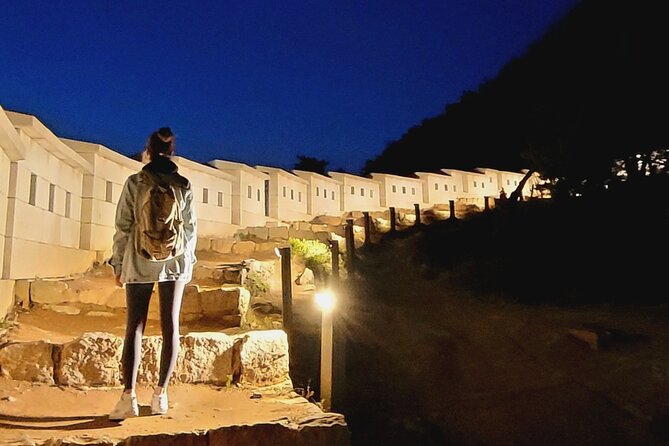
- Hanyangdoseong Fortress / Seoul City Wall: you hike along wall segments tied to Joseon defense.
- Snack breaks during the trek: traditional Korean treats are part of the experience, not an afterthought.
- Night views from the mountain: the goal is illuminated skyline landmarks, especially around the top.
Why Inwangsan at night gives you a smarter Seoul view
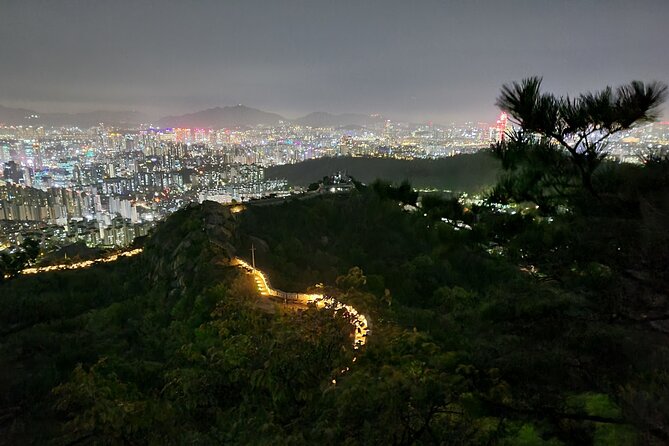
If you’ve only seen Seoul from a bus window or a single viewpoint, this hike changes the angle. Inwangsan Mountain puts you above the city enough to see the big, famous skyline parts, while still letting you feel like you’re walking through Korea’s layered past.
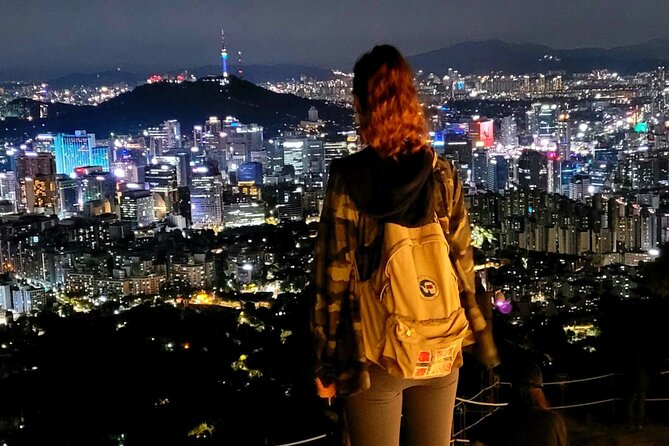
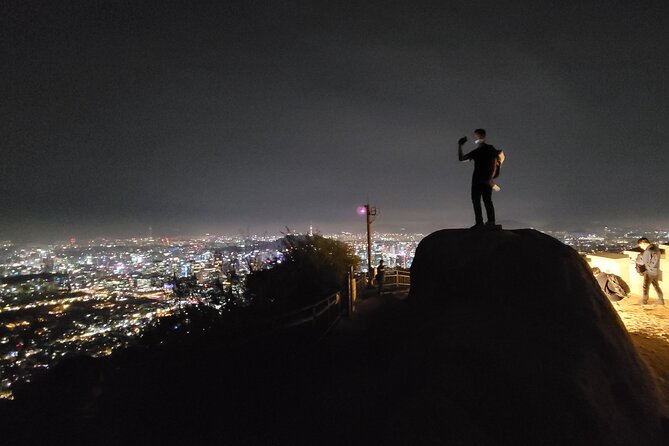
The big hook here is timing and perspective. The plan is set for mesmerizing night views, including illuminated landmarks such as N Seoul Tower and Lotte Tower. That’s a different experience than daytime sightseeing, where you’re more likely stuck in crowds at the same photo spots.
What makes it work is that the climb is short enough to stay enjoyable. The trail is described as easy and enjoyable, and you reach the peak in less than an hour. That means you get the payoff—wide city views—without committing to an all-day trek.
And the historic sites aren’t thrown in as roadside trivia. You spend time at places that connect to Joseon-era meaning, then you walk along Hanyangdoseong Fortress (part of the Seoul City Wall), so the skyline view feels earned.
You can also read our reviews of more historical tours in Seoul

Starting at Gyeongbokgung Station: the small-group setup and timing
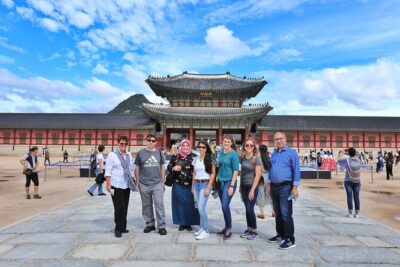
The meeting point is Gyeongbokgung Station in Seoul, and the tour ends back at the same meeting point. It’s near public transportation, which matters because it helps you keep your day from turning into a logistics puzzle.
This is a max 15 travelers tour, led by a certified guide. In practice, that small group size is why these hikes tend to feel friendly instead of rushed. You’re not just following a blinking dot on a map. You’re walking with someone who can set the pace and point out details along the way.
The tour duration is about 3 hours. The start time listed is 9:00 am, but the concept focuses on night views and illuminated skyline scenes. So the key for you is to check the exact departure timing when you book. The value of this tour depends on catching those dusk-to-night views from the mountain.
You also get a mobile ticket, which makes it easier to show up and start walking without paper ticket hunting.
Sajik Park first: Sajikdan and Tangun Shrine before the climb
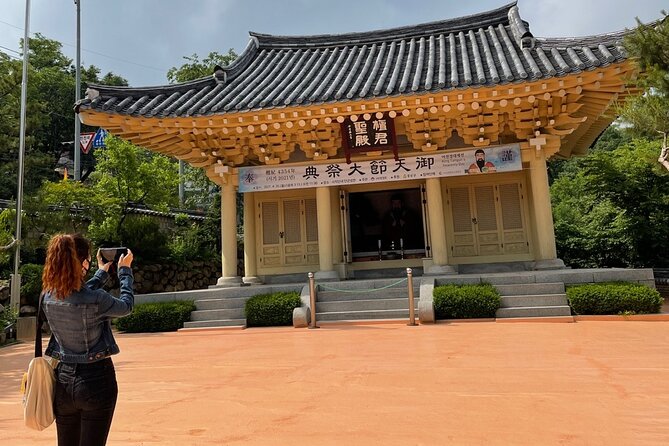
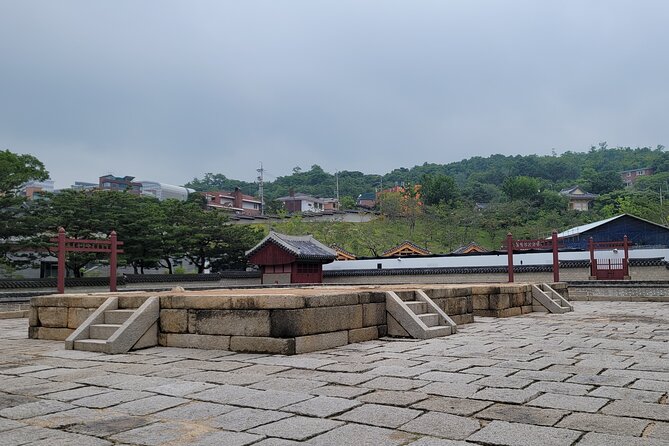
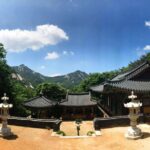
You begin at Sajik Park, and this is a great move. It’s a calmer, more grounded start than jumping straight onto a mountain trail. Before you climb, you get context for what you’re about to look at—Seoul isn’t just a modern skyline, it’s built on layers of belief, ritual, and defense.
At Sajik Park, you’ll see Sajikdan and the Tangun shrine area. The Joseon Dynasty founder King Taejo is tied to this place in the story you’ll hear. According to the background shared on the tour, King Taejo constructed Jongmyo shrine and Sajikdan—placed east and west of Gyeongbokgung Palace. That placement matters because it frames Sajikdan as an intentional part of the capital’s spiritual layout.
Sajikdan is associated with services for the gods of Earth and Crops. That detail is useful because it explains why this site isn’t just a random outdoor shrine stop. It represents agricultural and land-based protection—an old-world logic that helped support the survival of the kingdom.
Then there’s the Tangun shrine, connected to Tangun, the legendary founder of Korea. Whether you treat the legend as history or myth, it helps you understand how strongly Korea ties identity to origin stories.
What this stop does for you: it turns the later city-wall and skyline photos into more than scenery. You’re walking upward through a landscape that used to have spiritual and political meaning.
A small drawback to consider: Sajik Park is more about understanding the place than about big-ticket views. If you only want panoramic shots immediately, you may feel like you’re waiting for the mountain payoff.
The Inwangsan hike: easy pace, fast peak, and that library stop
Once you start hiking, the experience becomes more physical—but still approachable. The description says the trail in Inwangsan is easy and enjoyable, and that matches how these tours are set up for mixed travelers. One review specifically called out that it took work for cardio, but the climb itself wasn’t treated as extreme. That’s a good sign if you want a workout with training wheels.
The big timing win is reaching the peak in less than an hour. That’s short enough to keep energy levels steady, especially on a night-view-focused route where cold and fatigue can sneak up on you.
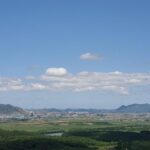
At the top, you get peaceful moments watching the city. One review highlighted a 360-degree view of Seoul, and the tour’s whole concept leans into that idea: from Inwangsan, the city feels like it expands in every direction.
Now for a detail that makes the hike feel distinctly Korean: along the route, there’s a library tucked into the greenery where you can pause. It’s the kind of spot you might miss if you were hiking on your own, and it adds a quiet, human scale contrast to the skyline overhead. Even better, it breaks the monotony of walking upward.
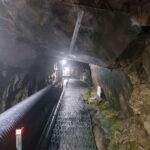
If you’re going on an evening version of the route, you may also experience a flashlight moment at the end of the hike. That kind of practical detail matters because it signals the tour is prepared for low light, not just daytime wandering.
What I’d do if you book: wear shoes you trust on uneven paths, and bring a light layer even if you think Seoul won’t get cold. Night mountain walking shifts the temperature fast.
Walking Hanyangdoseong Fortress along the Seoul City Wall
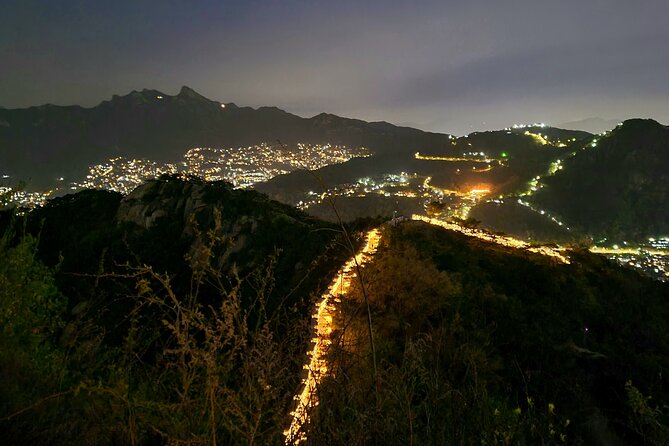
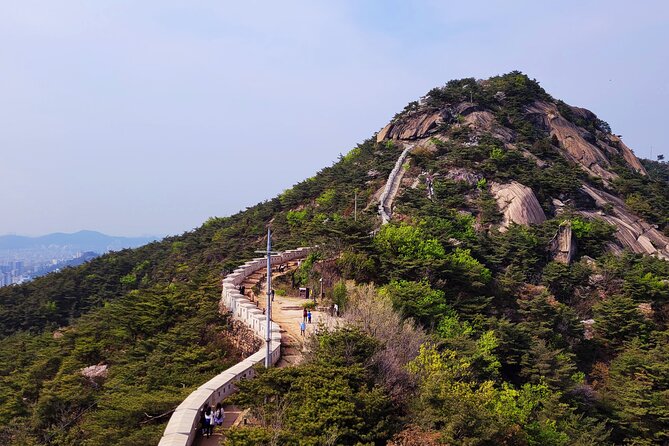
This is where the tour earns its historical focus. During the hike, you’ll walk along Hanyangdoseong Fortress, also known as part of the Seoul City Wall.
In simple terms, this is about defense and control. The wall and fortress system were built in the Joseon Dynasty to protect the city from foreign enemies. Hearing that while walking the stone-and-stair rhythm helps you picture why a wall line mattered—this wasn’t just a boundary, it was a tool for survival.
Even if you’ve read about Seoul’s past before, walking a section changes how you understand it. The slope, the turns, and the viewpoint angles make you feel how someone on watch could scan for movement. It’s not a museum explanation sitting behind glass; it’s history you can physically experience while your legs keep time.
Why you’ll like this section: it adds variety. You get a mix of viewpoints and footing, and the story ties the mountain to the city’s old protective design.
One practical consideration: parts of a city wall walk can feel longer than they look on a map. You’re already on a hillside; your best bet is to go at the pace your guide sets.
You can also read our reviews of more hiking tours in Seoul


Snack breaks, photo moments, and the ride back into town
The tour includes snack on the trek, and that’s not just a cute add-on. On a short hike, food and drink help you keep a steady rhythm. It also turns the experience into something social, especially for a small group where you’ll probably chat with fellow hikers while waiting for the next viewpoint.
Traditional Korean treats are included. Based on the experience notes from guides and past participants, snacks can include things like ddeokbokki or bread-style items during the hike. The exact menu can vary by day, but the intention is consistent: you’ll get Korean comfort food timing matched to your climbing and stopping.
At the end, you take a bus back into the city. The bus fee isn’t included in the tour price, so plan for that extra cost if you’re budgeting tightly.
A nice bonus element in how these tours operate: the guide may share photos after the hike. That’s helpful because night views often turn out better when you’re focused on the view, not your camera settings.
Price and value: what $69.28 gets you in 3 hours
At $69.28 per person for about 3 hours, this tour sits in the “guided experience” range rather than a casual self-guided hike. Here’s why the value can still make sense:
- You pay for a certified guide leading the way, not just a route.
- You get multiple stops tied to cultural and historical context: Sajik Park plus city-wall walking.
- You get traditional snacks, which can be the difference between feeling tired and feeling cared for.
- The group size is limited to 15, which usually reduces waiting and helps the guide manage the pace.
What you should factor into your final cost is that the bus ride back has an extra fee, and personal expenses aren’t included. So your true total might be a bit more than $69.28 depending on how you handle that last transport step.
Still, if your goal is night skyline views plus meaningful history in one organized loop, the guide-led structure is the value. You’re not trying to coordinate transit to three sites and still arrive in time for the light to change.
Who this Inwangsan hike suits best (and who should think twice)
This tour is a strong fit if you want:
- Seoul night views without fighting peak daytime crowds
- A short, easy-to-moderate mountain hike
- Culture and history stops that explain what you’re looking at
- A group size that stays small
It’s also suitable for families. One review mentioned doing it with a tween age 10, and the hike was described as easily achievable, with a guide who supported the group along the way.
You should think twice if:
- You’re only interested in pure scenic lookout time and dislike structured stops
- You’re sensitive to weather changes. The experience is tied to good weather conditions, and if weather isn’t right, it can be rescheduled or refunded depending on how the operator handles it.
- You want full transport cost included. The bus fee after the hike isn’t part of the package.
Should you book this Inwangsan hike & historical sites route?
Yes, if you want Seoul in two layers—night skyline and Joseon-era context—without needing to plan three different half-days. This is the kind of tour that makes sense when you’re staying in central Seoul and you’d rather spend your limited time with a guide than comparing directions and timings on your phone.
Book it if:
- You like the idea of Sajik Park and the Seoul City Wall walking portion
- You want a short peak climb with a big viewpoint payoff
- You appreciate a guide who keeps the pace friendly and adds story to the route, like Lee of Honey Trail
Skip it if:
- You’re strictly chasing views and don’t want historical pacing
- You can’t be flexible about weather or night-view timing
- You’d rather DIY everything and don’t care about guided context
FAQ
How long is the Inwangsan hike?
It’s listed as about 3 hours (approx.).
What’s the meeting point and where does it end?
You start at Gyeongbokgung Station in Seoul and the tour ends back at the same meeting point.
What’s included in the tour price?
The tour includes a certified tour guide leading and snack during the trek.
What isn’t included?
The listing notes that bus fare after the hike is not included, along with any personal expenses.
How many people are in the group?
This experience has a maximum group size of 15 travelers.
Is it suitable for most travelers?
The tour states that most travelers can participate, and the Inwangsan trail is described as easy and enjoyable.
What happens if the weather is bad?
The experience requires good weather. If it’s canceled due to poor weather, you’ll be offered a different date or a full refund.
Is there a mobile ticket?
Yes, the tour uses a mobile ticket.
If you tell me what month you’re going and what time your night plans are, I can help you decide whether this is best for a dusk/night-view slot or a daylight-first option.