REVIEW · FOOD
Seoul Food: Banchan, Bibimbap, and Beyond
Book on Viator →Operated by Culinary Backstreets Walks · Bookable on Viator
Seoul can be loud, but this tour has a calmer rhythm. You’ll connect Korean food culture to the city’s landmarks, from royal Jongno to market-adjacent streets around Dongdaemun. It’s a smart way to see how Korea borrows influences and turns them into local flavors.
What I liked most: the guide-led storytelling, especially Eunice’s easy mix of food and history. I also love that you’re not just eating bites—you get a real dinner plus snacks and even alcoholic drinks, so the pacing feels relaxed instead of rushed.
One thing to consider: this is a walking-heavy, sight-to-food flow, so wear comfortable shoes and plan to move.
In This Review
- Key highlights to look for
- A Seoul Walking Food Tour That Links Banchan to Real Places
- Meeting Point at JW Marriott Dongdaemun Square: Easy to Find, Easy to Start
- Dongdaemun Gate (Heunginjimun): Where Seoul’s Guardrails Began
- Dongdaemun Design Plaza (DDP): Zaha Hadid and the Seoul Remix Mentality
- Cheonggyecheon Stream at Night: A Break That Helps Your Stomach
- Gyeongbokgung Palace: Royal Joseon Roots (and Why That Changes What You Think About Food)
- Bukchon Hanok Village: Traditional Streets, Real Texture, and a Great Food-Story Backdrop
- The Food Part: Banchan, Bibimbap, and More with Eunice
- Why the Inclusions Matter at $195 per Person
- Pacing and Walking: The Real-Life Consideration
- Who Should Book This Seoul Food Tour
- Should You Book Seoul Food: Banchan, Bibimbap, and Beyond?
- FAQ
- How long is the Seoul Food tour?
- What time does the tour start and where does it meet?
- What is included in the price?
- Is transportation included?
- Are there admission fees for the listed sights?
- Is the tour private?
Key highlights to look for
- Eunice’s food-and-history explanations make each stop feel tied to the bigger picture
- Dinner, snacks, bottled water, and alcoholic beverages are included in the price
- Landmark circuit in Jongno and Dongdaemun keeps the day interesting beyond food
- Cheonggyecheon Stream offers a scenic pause, especially when the lights come on
- Free admission at the main stops listed, so you’re not paying extra for sights
A Seoul Walking Food Tour That Links Banchan to Real Places
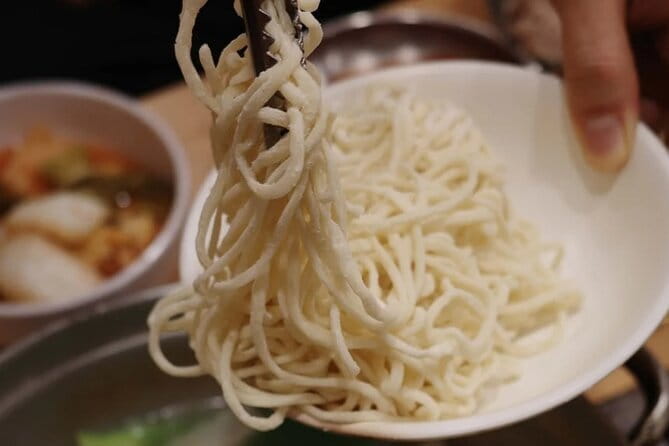
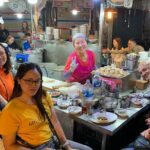
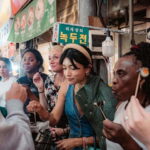
If you want Seoul food without feeling stuck in a restaurant the whole time, this is a great fit. You’re led through iconic areas of Dongdaemun and Jongno, then you eat your way through Korean flavor basics—starting with banchan and bibimbap, and going beyond with other classic dishes you’ll be offered during the day.
The smartest part is the way the itinerary supports the food theme. Palaces and old gates explain the cultural backbone behind what Koreans eat. Then modern spaces like Dongdaemun Design Plaza show how Korea keeps reinventing itself. It’s the same story told through architecture and meals, not just through a menu.
And yes, you get plenty of food. The tour includes dinner plus snacks, along with bottled water and alcoholic beverages. That matters because Seoul tours can sometimes feel like “training samples,” where you’re hungry later. Here, the day is built to keep you comfortably fed while you walk.
You can also read our reviews of more food & drink experiences in Seoul
Meeting Point at JW Marriott Dongdaemun Square: Easy to Find, Easy to Start
You start at JW Marriott Dongdaemun Square Seoul (279 Cheonggyecheon-ro, Jongno District). That’s a helpful anchor when you’re new to the city. The tour also says you’ll be near public transportation, which is a relief if you don’t want to rely on taxis.
The start time is 1:00 pm, and the tour runs about 5 hours. So expect an afternoon-to-early-evening feel at parts, depending on pace. That timing can work in your favor because Cheonggyecheon is especially peaceful at night, when the lights reflect off the water.
Also note: this is a private tour/activity, meaning it’s just your group. That tends to make it easier to ask questions about food, spice level, or what you’re tasting without feeling like you’re being herded along.
Dongdaemun Gate (Heunginjimun): Where Seoul’s Guardrails Began
Your day opens at Dongdaemun Gate, Heunginjimun, one of Seoul’s Eight Gates. It was built in the late 14th century and served as a main entrance to the city. Free admission is part of the plan, and the stop lasts about 1 hour.
So what does a gate have to do with banchan? More than you might think. Food in Korea is shaped by living patterns—how people protected cities, traded, and built communities. Even if you don’t focus on defense walls during dinner, this stop sets the context: Seoul wasn’t just a place for shopping and selfies. It was a place where daily life followed strict rhythms and roles.
This stop is also a good “wake-up” moment. You’ll arrive mid-afternoon, see something historically weighty right away, and then you’re ready for a day that mixes old and new without feeling chaotic.
Dongdaemun Design Plaza (DDP): Zaha Hadid and the Seoul Remix Mentality
Next comes Dongdaemun Design Plaza (DDP), a futuristic structure designed by Zaha Hadid. The stop is short—about 30 minutes—and admission for this stop is listed as free.
DDP isn’t just architecture. It’s Seoul’s reminder that Korea reinvents itself constantly. That same remix mentality shows up in food: outside influences can become distinctly Korean through technique, ingredients, and taste preferences. You don’t need a lecture to feel the theme here. The building looks like it belongs to the future, while the city around it keeps moving between eras.
For practical reasons, this is also a great photography moment. The open spaces and unusual shape are built for quick wandering and great angles without you needing to rush. Just don’t spend too long here if you’re hungry. The tour flow is designed to keep you fed.
Cheonggyecheon Stream at Night: A Break That Helps Your Stomach
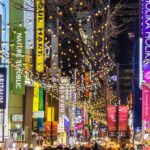
Then you walk the Cheonggyecheon Stream area. It’s free and the stop is about 1 hour. Cheonggyecheon stretches across neighborhoods connected to both Dongdaemun and Jongno, and it’s a scenic way to move through the city without nonstop street noise.
The note you should keep in mind: it’s particularly peaceful at night, with lights reflecting on the water. Since your tour starts at 1 pm, part of your stream time might overlap into evening if the group timing holds. If it does, you’ll get a nicer contrast: busy Seoul around you, but a calmer corridor where you can slow down.
Why this matters for a food tour: it gives your body a breather before the next tasting. When you eat multiple dishes in a day, having even a small pause can keep the experience enjoyable instead of heavy.
You can also read our reviews of more tours and experiences in Seoul
Gyeongbokgung Palace: Royal Joseon Roots (and Why That Changes What You Think About Food)
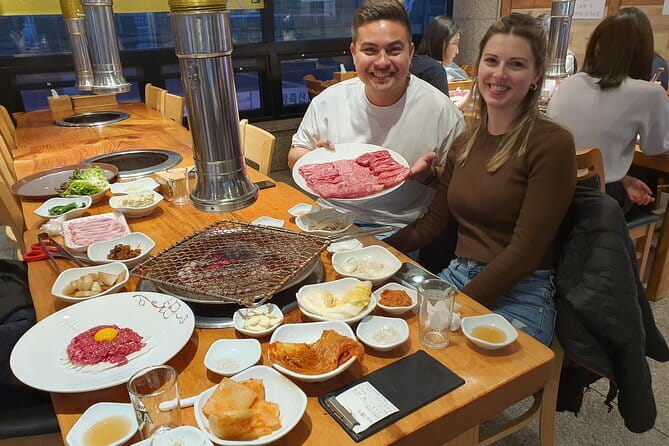
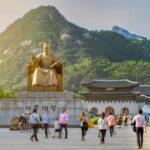
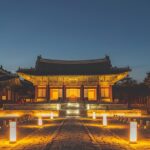
You then move to Gyeongbokgung Palace, a major landmark in Jongno and the main royal palace of the Joseon Dynasty. Admission is listed as free here, and the stop runs about 1 hour.
This is one of Seoul’s best “big picture” moments. Palace architecture isn’t only about beauty. It reflects a society’s values, hierarchy, and everyday routines. Those routines shape food culture—what was served, how meals worked, and how ingredients became important.
Even if you’re focused on eating, Gyeongbokgung can sharpen how you interpret what’s on your table later. You’ll start thinking about Korean flavors as something tied to place and identity, not just something you pick up at a street stall.
A practical tip: take a moment to look around before you move. You’ll walk, but don’t treat this like a checklist stop. It’s easier to absorb the day’s theme when you actually pause.
Bukchon Hanok Village: Traditional Streets, Real Texture, and a Great Food-Story Backdrop
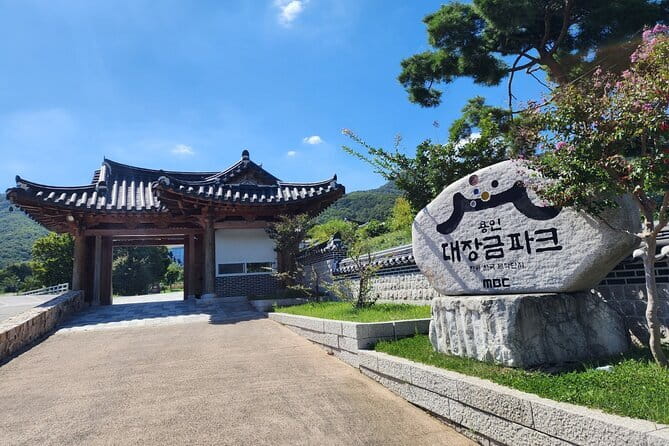
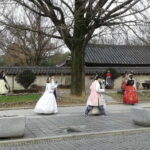
The final landmark stop is Bukchon Hanok Village, a traditional area filled with well-preserved hanok (traditional Korean houses). The tour schedules about 30 minutes here, and admission is listed as free.
Bukchon feels different from the palace. Instead of royal grandeur, you get everyday residential texture—narrow alleys, traditional rooflines, and a neighborhood scale that makes you think about how people lived long before Seoul became the huge global city it is today.
This is where the food theme becomes more personal. You’re seeing the kind of environment where Korean meal habits would have made sense—shared dishes, seasonal thinking, and comfort foods tied to routine. When you later taste banchan-style plates and bibimbap concepts, it’s easier to understand why these foods stick around: they fit social life.
Even with only a short stop time, Bukchon helps you end the day with a sense of continuity—old Seoul still visible inside modern Seoul’s rush.
The Food Part: Banchan, Bibimbap, and More with Eunice
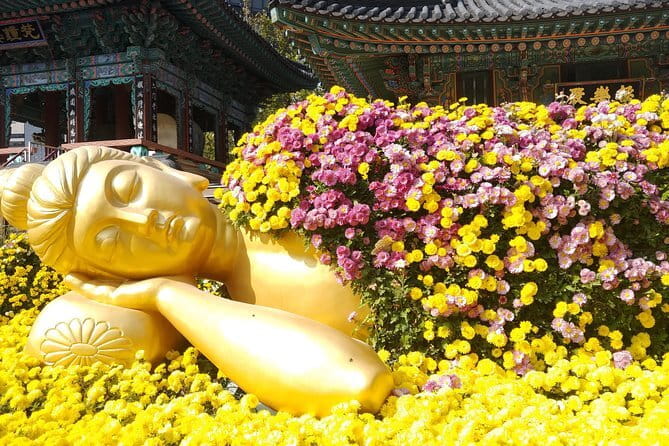
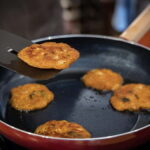
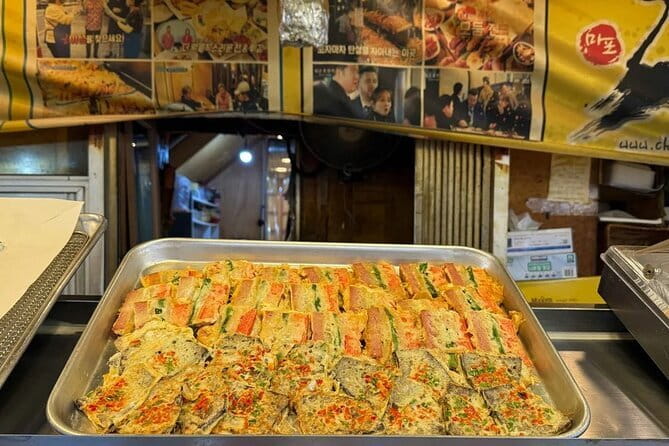
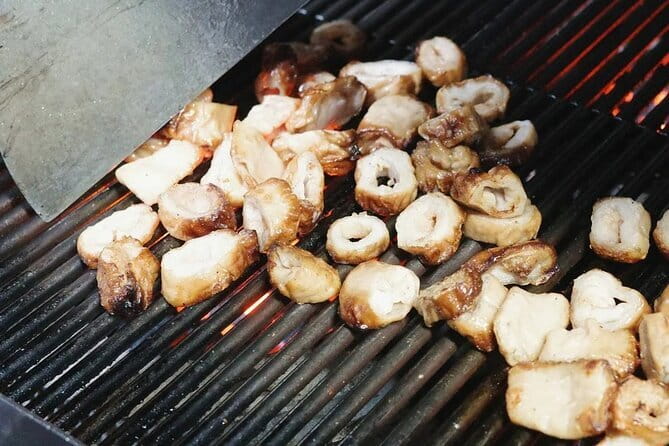
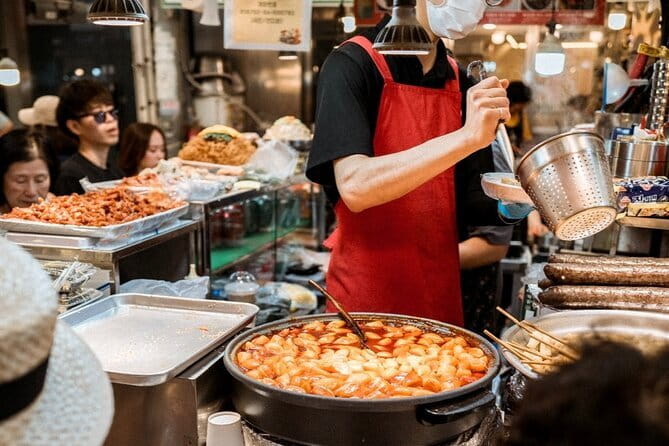
Now for the point most people actually sign up for. The tour centers on Korean food culture, built around banchan and bibimbap, then adds additional tastings that expand beyond the headline dishes.
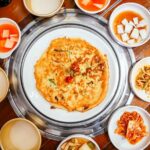
Banchan is the idea of multiple small side dishes that change how you eat. You don’t just order one main thing—you build a meal. That style matters in Korea because it supports sharing and variety without making the meal complicated. Bibimbap is the logic made into a bowl: mixed ingredients, balanced flavors, and a satisfying mix of textures.
From the tour experience as described, Eunice does a great job connecting what you’re tasting to culture and history. Her approach stands out because it isn’t just facts. It’s how the history shows up in food choices—what kinds of ingredients became common, and why flavors developed the way they did.
You’ll also find that the day includes more than bland “starter samples.” The included meal planning is supported by the way the stops are timed and paced. The pace is described as well-managed, with enough time between tastings so you can actually taste, digest, and ask questions.
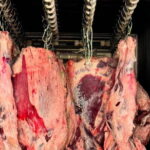
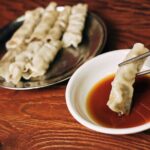
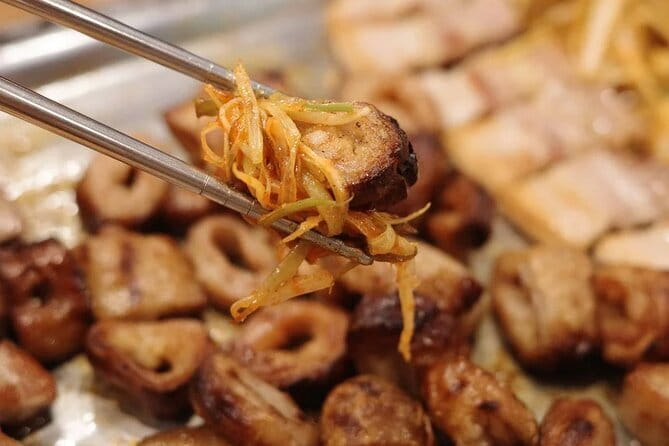
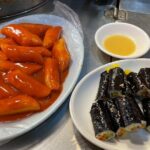
There are also specific highlights mentioned in the experience notes, including dishes like hearty chicken noodle soup and Korean beef, plus standout items such as steak tartare with a magic sauce. Even if you’re already familiar with Korean food, these kinds of variety tend to keep the day from feeling repetitive.
Why the Inclusions Matter at $195 per Person
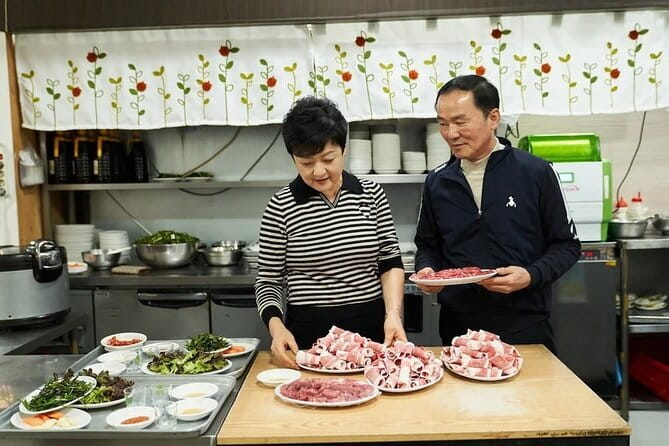
At $195 per person, the first question is always value. Here’s the practical way to look at it: the price isn’t just “a guide walking with you.” It includes a licensed guide, dinner, snacks, bottled water, and alcoholic beverages.
So what are you really paying for?
- A guide who connects food to Seoul’s past and modern identity
- A structured route that includes multiple major sights without extra admission fees listed for those stops
- A feeding plan that keeps you satisfied during a 5-hour walk
If you’ve done food tours elsewhere, you know how often they end with you still hungry. This one is built to prevent that. You’re not left to hunt for food after the official program ends.
Also, the tour is private for your group, which can be a big plus if you’re traveling as a family or a couple and you want the food questions answered in context.
Pacing and Walking: The Real-Life Consideration
This is about more than eating. It’s a moving day through central Seoul. The landmarks are spread across areas that make sense for combining sightseeing and dining, but you should still plan on walking time adding up.
Your best bet is simple: wear comfortable shoes and dress for walking. Bring a small layer too, since evenings can feel cooler near water like Cheonggyecheon. The tour includes bottled water, which helps, but you’ll still want to be comfortable enough to keep your energy for tastings.
If you’re very sensitive to spice, say so early. Korean food can range from mild to spicy, and the best tours adjust how they serve you once you communicate your preferences.
Who Should Book This Seoul Food Tour
This tour is a strong choice if you want:
- A Seoul food tour that also teaches you how the city’s history and identity shape what you eat
- A guide approach that feels personal, with Eunice specifically praised for warmth and clarity
- A mix of classic Korean dishes like banchan and bibimbap, plus additional tastings
- A guided day that covers major neighborhoods like Dongdaemun and Jongno in about 5 hours
It’s also a good option for solo travelers, since the private-group format helps you feel included rather than swallowed by a big crowd. And if you’ve been to South Korea before, it still works because it doesn’t stop at the obvious tastings—it uses the environment to explain the why.
Should You Book Seoul Food: Banchan, Bibimbap, and Beyond?
I’d book it if you want a day that connects Korean eating habits to the places that shaped them. The best reason is the balance: you get real meals plus a route through meaningful Seoul landmarks, not just a sequence of small bites.
Skip it only if you hate walking days or you want a food-only plan with no sightseeing. The tour clearly mixes both, and that’s part of the point.
If you’re excited to learn why banchan works, how bibimbap becomes more than a bowl, and how Seoul’s old-and-new identity shows up at the table, this one fits well.
FAQ
How long is the Seoul Food tour?
The tour lasts about 5 hours.
What time does the tour start and where does it meet?
It starts at 1:00 pm at JW Marriott Dongdaemun Square Seoul (279 Cheonggyecheon-ro, Jongno District). It ends back at the meeting point.
What is included in the price?
The tour includes a licensed guide, bottled water, dinner, snacks, and alcoholic beverages.
Is transportation included?
Private transportation is not included.
Are there admission fees for the listed sights?
The tour lists free admission tickets for the main stops (Dongdaemun Gate, Dongdaemun Design Plaza, Cheonggyecheon Stream, Gyeongbokgung Palace, and Bukchon Hanok Village).
Is the tour private?
Yes. It’s a private tour/activity, so only your group participates. There is also a minimum number of travelers required for the experience to run.

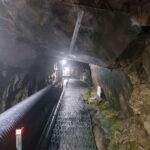
![[Private] DMZ & Imjingak Peace Gondola Experience Inter-Korean War - The 3rd Infiltration Tunnel: the stop that requires real effort](https://1.visitseoulkorea.com/wp-content/uploads/private-dmz-imjingak-peace-gondola-experience-inter-korean-war-400x267.jpg)