REVIEW · COOKING CLASSES
You’re Invited to Our Home in Seoul: The Only Cooking Class!
Book on GetYourGuide →Operated by Discover Seoul: Local Vibes · Bookable on GetYourGuide
Flipping Jeon in a real Seoul home feels special. You’re invited into a local Korean home with a Han River view, then taught to cook from scratch with a small group. I also like that you leave with recipes you can actually use later, not just food memories.
One thing to consider: this experience isn’t suitable for wheelchair users, since it takes place in a real home setting.
If you want Seoul beyond the usual restaurant loop, this is a focused 2-hour plan: cook, eat, ask questions, and (optionally) stretch your legs along the river afterward.
In This Review
- Key highlights worth planning for
- Cooking at a real Korean home, not a classroom set
- The menu: Jeon pancakes, Doenjang-jjigae, Sikhye, and Hotteok
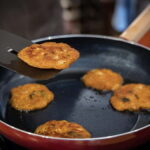
- Jeon: the star you’ll make by hand
- A hearty soup: Doenjang-jjigae
- Sweet drink and dessert: Sikhye and Hotteok
- Banchan and more than one “main”
- What actually happens during the 2 hours
- You’re not just learning technique, you’re learning judgment
- Jeon isn’t just food. It’s a family habit.
- The optional Han River walk after you eat
- Dietary needs and spice: how to make this work for you
- Value check: what $110 buys you in Seoul
- Practical tips before you go (so nothing surprises you)
- Who should book this?
- Should you book this Seoul home-cooking invitation?
- FAQ
- What dishes are included in the class?
- How long is the cooking class in Seoul?
- How many people are in the group?
- Can the menu be adjusted for dietary restrictions?
- Can the class adjust spice level if I can’t handle spicy food?
- Do I get recipes to take home?
- Are photos included?
- Is transportation to and from the class included?
- Is there an optional Han River walk after the meal?
- Is the experience wheelchair accessible?
Key highlights worth planning for
- Small group of 4 so you get hands-on attention instead of watching
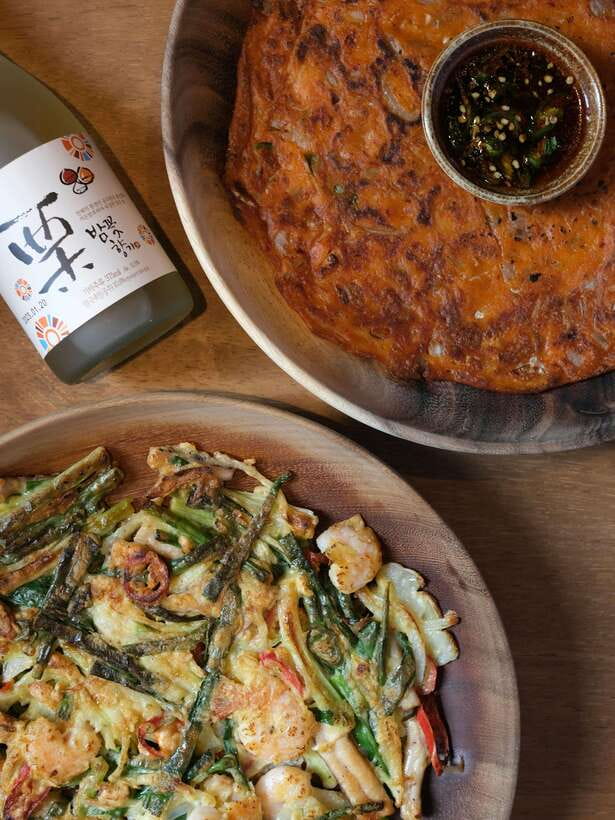
- Jeon variety from scratch (assorted pancakes) with ingredient-driven changes day to day
- Full Korean meal flow: main dishes, seasonal banchan, and desserts
- Korean tea culture included throughout, plus Sikhye and Hotteok
- Han River connection: a view during the meal and an optional riverside walk afterward
- You take more than food home: recipes and a DSLR photo session
Cooking at a real Korean home, not a classroom set
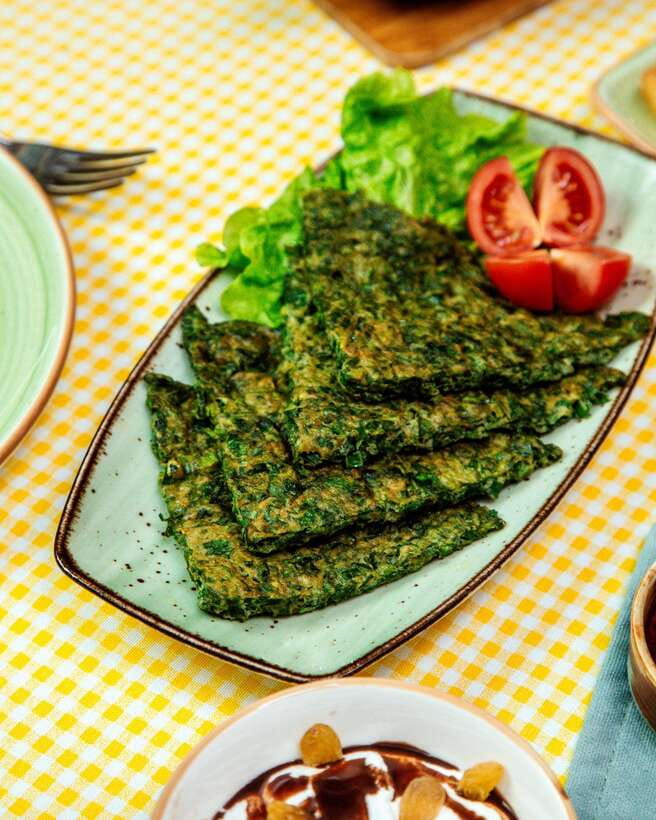
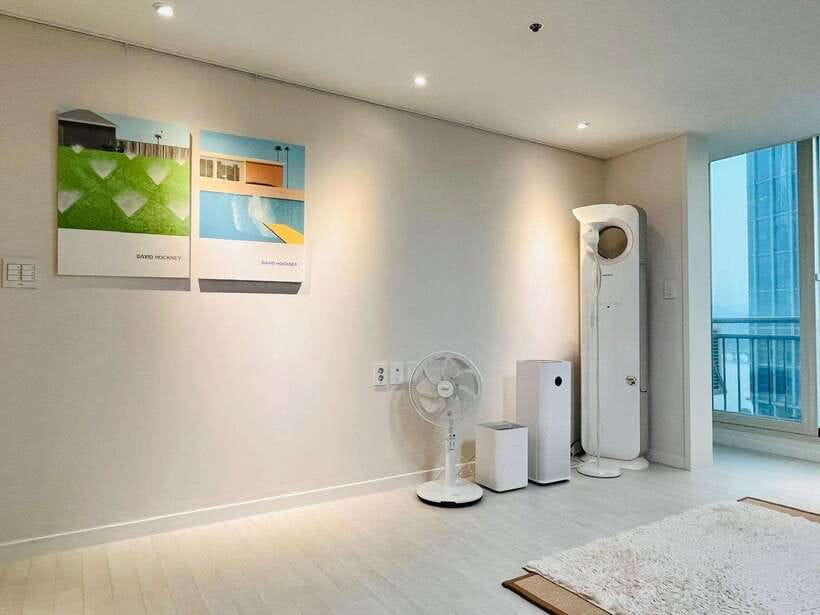
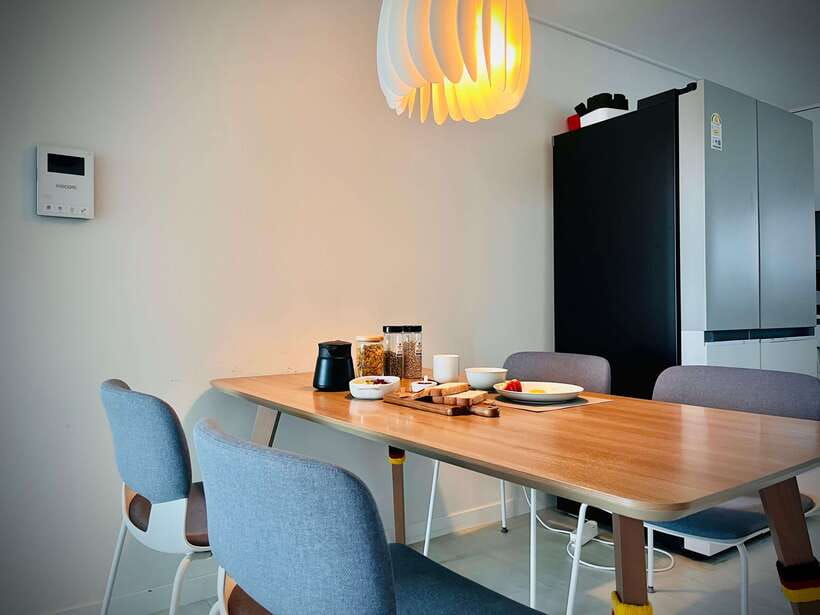
This isn’t a big, polished cooking studio. It’s an invitation into someone’s daily life in Seoul, with the comfort (and reality) of a home kitchen. You’ll work at the pace of the group, not on a timed conveyor belt, and the whole vibe is warm and personal.
The view is a big part of why this feels memorable. You’re not cooking in the dark behind a windowless wall. You’re cooking while looking out toward the Han River and Seoul’s downtown skyline, which turns a simple pancake flip into something you’ll remember.
You also get a very practical kind of cultural learning. Yes, you’ll hear stories about food and tradition. But the real value is that you’ll understand the rhythm of Korean cooking: how people think about banchan, tea, timing, and the small choices that make a dish taste right.
You can also read our reviews of more cooking classes in Seoul
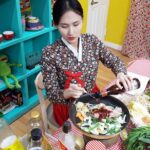
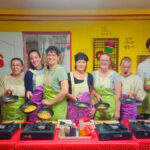
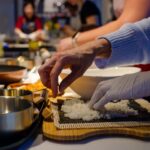
The menu: Jeon pancakes, Doenjang-jjigae, Sikhye, and Hotteok
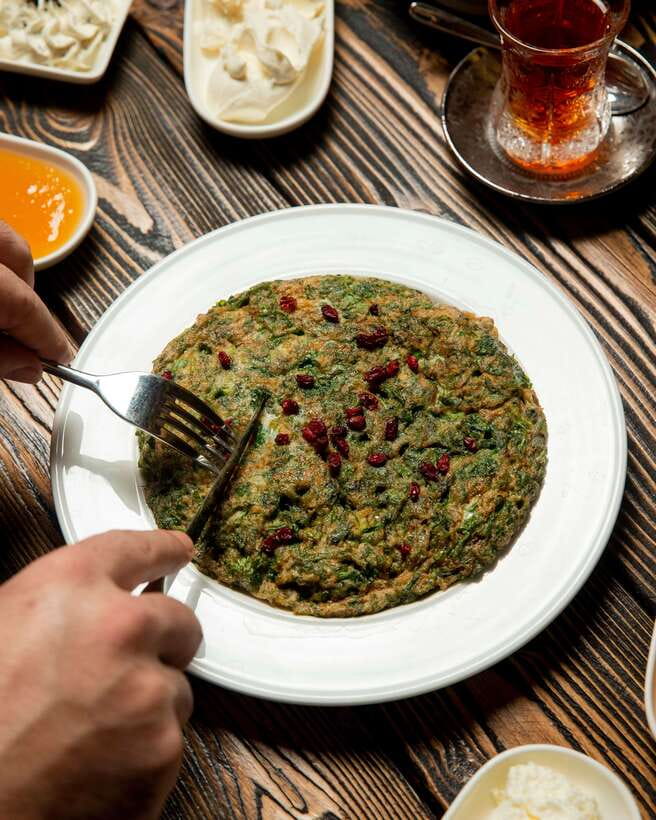
Plan for a menu that’s centered on Korean comfort food and celebrations. You’ll cook and eat a mix of savory, soup, pancakes, and sweet drinks.
Jeon: the star you’ll make by hand
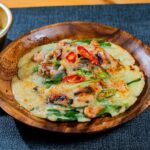
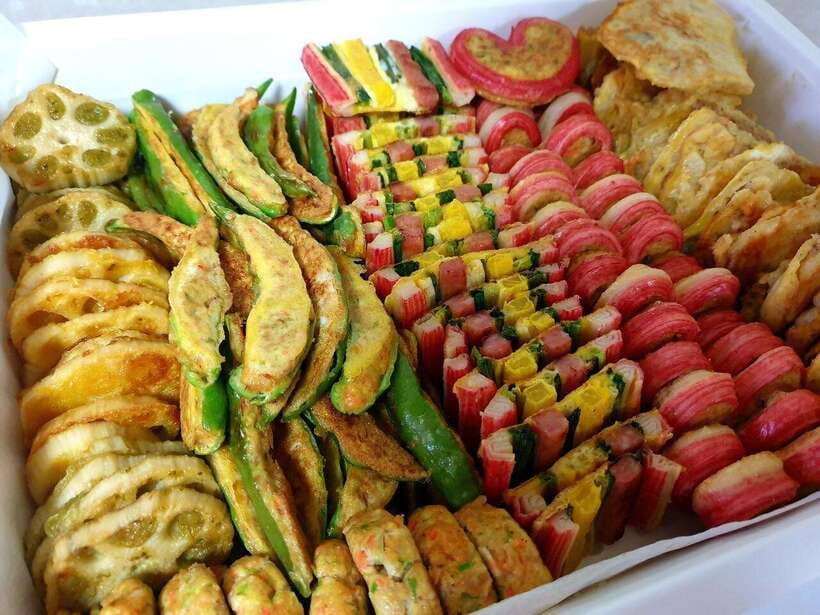
You’ll learn assorted Jeon (Korean pancakes) from scratch. Depending on what’s available, the class can include items like:
- Donggeurangttaeng (meatball pancake)
- Pajeon (scallion pancake)
- Hobakjeon (zucchini pancake)
- Beoseotjeon (mushroom pancake)
- Dubujeon (tofu pancake)
- Yukjeon (beef pancake)
- Kkochi-jeon (skewered pancake)
- Haemuljeon (seafood pancake)
That ingredient-driven variation is normal here. It’s also part of why the class feels authentic: you’re cooking what a home cook can get that day, not just what fits a perfect script.
A hearty soup: Doenjang-jjigae
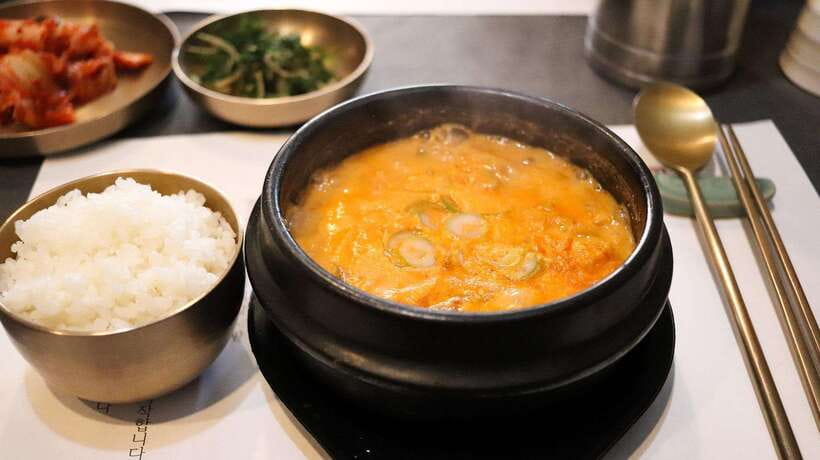
You’ll also make Doenjang-jjigae, a soybean paste stew. This dish matters because it anchors the meal. When you learn how the soup tastes, you start to understand why Korean food often balances savory depth with crisp, pan-fried textures.
Sweet drink and dessert: Sikhye and Hotteok
For the sweet side:
- Sikhye (sweet rice punch) is served as part of the experience.
- Hotteok (sweet Korean pancakes) is included for dessert.
This pairing is a classic comfort combination: sip something gentle and lightly sweet, then end with a warm, golden treat.
You can also read our reviews of more tours and experiences in Seoul

Banchan and more than one “main”
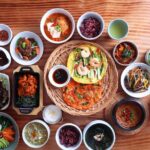
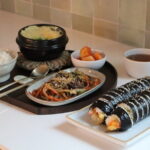
You’ll enjoy a full-course meal with 3 main dishes and seasonal banchan. In some cases, the meal spread may also include additional Korean favorites (you might see dishes like gimbap or other regional comfort foods). The key idea stays the same: you’re eating like a home meal, with multiple parts coming together.
What actually happens during the 2 hours
The structure is simple and focused, which is great when you’re on a tight Seoul schedule.
You’ll start with a welcoming drink: traditional Korean tea. Then you move into the hands-on cooking. Since the group is limited to 4 participants, you can ask questions and get corrections while you cook, not after the meal is already gone.
You’ll get:
- expert guidance from the host
- utensils and an apron for use during the class
- all ingredients and equipment provided
- complimentary tea and snacks during the session
- water included
You’ll also taste what you make. That’s important. Cooking classes sometimes feel like homework. Here, tasting is built in, and you’ll learn how the dishes should look and taste as they come together.
You’re not just learning technique, you’re learning judgment
Jeon frying is where technique meets common sense: heat control, pan readiness, thickness, and flip timing. You’ll get coached on those choices, and you’ll understand what to adjust the next time you cook at home—especially once you see how different fillings behave in the batter.
Hosts can be very different from class to class. In this one, you’ll work with the hosts David and Hanna, and the tone stays friendly and practical. People also tend to get extra Seoul guidance in the moment, because the hosts know what’s worth seeing and what’s easiest to do.
Jeon isn’t just food. It’s a family habit.

You’ll hear the meaning behind Jeon while you’re cooking, not as a random history lecture. Jeon has long ties to Korean family life and special occasions, including roots in older court traditions and the idea of food that brings people together.
That context changes how you approach the food. Instead of seeing pancakes as just a snack, you start to understand why they’re offered during celebrations and family gatherings. When you’re learning to cook Jeon in a home, it makes sense: these are dishes that scale for people, adapt to ingredients, and feel communal.
You’ll also get cultural tips along the way—everyday life in Korea, small travel pointers, and the kinds of choices locals make when they cook at home.
And yes, tea matters here too. Korean tea isn’t just a beverage. It’s part of the pace of the meal, the reset between steps, and the way the host keeps things comfortable during the class.
The optional Han River walk after you eat
When class wraps and you’ve finished your meal, you can take advantage of the optional local area and Han River tour.
The highlight you’re likely to use most is the free 1-hour walk by the Han River. It’s a good match for the experience because you’ve just eaten, learned, and cooked indoors. Getting outside afterward helps everything “land” and lets you see the city in motion instead of only through a kitchen window.
Keep it simple: comfortable shoes are the right call, and camera ready makes sense because Seoul’s riverside views are the kind you’ll want to capture while you’re thinking clearly.
Dietary needs and spice: how to make this work for you
This class is designed to handle differences. The menu can be adjusted for vegan, vegetarian, or specific dietary needs, and if spicy food is a problem, the spice level can be modified.
That’s not a small detail. Many cooking classes assume everyone eats everything. Here, the emphasis is on adjusting the experience so you can participate without stress.
If you have allergies, tell the host in advance and be very clear about what you need to avoid. One of the most reassuring signals from the experience is that people with real dietary concerns can still join and enjoy the day with confidence, thanks to the host’s willingness to talk through options.
Practical advice: send your dietary notes early, not last minute. The class uses fresh ingredients and can shift what goes into the pancake selection. Planning ahead makes that easier.
Value check: what $110 buys you in Seoul
At $110 per person for a 2-hour small-group class, this is not a budget snack stop. But it also isn’t overpriced for what you get.
Here’s where the money goes:
- Access to a real home kitchen, with a host and a home meal setting
- All ingredients and equipment provided
- Utensils and apron
- A full-course Korean meal, including 3 mains plus seasonal banchan
- Desserts (Sikhye and Hotteok)
- Tea and snacks throughout
- Traditional welcome drink plus water
- Recipes to take home
- DSLR photography session with photos provided afterward
- Optional local area and Han River tour
If you compare the class to paying separately for groceries, cookware use, instruction, and a meal, the structure starts to look like fair value. You’re paying for a guided, home-style culinary education plus the meal experience—then you get “leftovers” in the form of recipes and photos.
The best part for value is the group size. Limited to 4 people, it’s easier for the host to guide each person. That turns the time into actual learning, not just watching someone else cook.
Practical tips before you go (so nothing surprises you)
A few details will make the day smoother:
Bring:
- comfortable shoes (you may walk afterward)
- a camera (even though there’s also a DSLR session included)
- snacks (listed as a recommended bring)
- water (water is included, but having your own bottle can help you manage comfort)
Know these rules:
- no smoking
- no pets
- the experience takes place in a real Korean home
Also, it’s not suitable for wheelchair users, so plan an alternative if mobility access is needed.
If you’re traveling with a tight schedule, this is still a realistic pick. Two hours is long enough to cook and eat properly, but not so long that it crushes your Seoul sightseeing plans.
Who should book this?
This is a great fit if you:
- want hands-on cooking, not just eating
- like learning by doing (especially pan-frying Jeon)
- want a Seoul experience that feels local and personal
- want recipes you can recreate at home
- care about the Han River vibe and skyline view
It’s less ideal if you:
- need wheelchair accessibility
- only want a quick street-food tasting and don’t care about learning the cooking process
Should you book this Seoul home-cooking invitation?

I think you should book it if you want one standout “real life Seoul” day. The combination of home invitation, hands-on Jeon practice, and the meal you cook and eat is the kind of experience that pays off later when you try to recreate it at home.
It’s also a smart choice for food travelers who don’t want to guess their way through Korean cooking. Here, you get guidance while you’re cooking, plus recipes afterward, and you can ask questions to the hosts—David and Hanna are part of why the experience feels welcoming rather than formal.
Book with a dietary plan in mind. If you have allergies or strong restrictions, message ahead so the menu can be adjusted properly. And if mobility access matters, skip this one since it’s not designed for wheelchair users.
FAQ
What dishes are included in the class?
You’ll cook and eat Sikhye (sweet rice punch), assorted Jeon (Korean pancakes), and Doenjang-jjigae (soybean paste stew). Desserts include Sikhye and Hotteok. You’ll also have seasonal Korean banchan side dishes, plus traditional tea and snacks during the class.
How long is the cooking class in Seoul?
The class lasts 2 hours.
How many people are in the group?
The group is small, limited to 4 participants.
Can the menu be adjusted for dietary restrictions?
Yes. The menu can be adjusted for vegan, vegetarian, or specific dietary needs. If you have restrictions, let the host know in advance.
Can the class adjust spice level if I can’t handle spicy food?
Yes. If you can’t handle spicy food, the spice level can be adjusted or the menu can be modified accordingly.
Do I get recipes to take home?
Yes. You’ll receive recipes so you can recreate the dishes at home.
Are photos included?
Yes. There is a DSLR photography session during the class, and the photos are provided afterward.
Is transportation to and from the class included?
No. Transportation to and from the class location is not included.
Is there an optional Han River walk after the meal?
Yes. After your meal, you can join an optional local area and Han River tour. The Han River walk is listed as about 1 hour.
Is the experience wheelchair accessible?
No. The experience is not suitable for wheelchair users.