REVIEW · DMZ TOURS
Seoul: Half-Day DMZ Tour Led by a Retired Military Officer
Book on GetYourGuide →Operated by PLK Travel Inc. · Bookable on GetYourGuide
The DMZ hits different when officers explain it. This half-day Seoul tour is led by retired military leaders who traded battlefield briefings for plain talk, taking you to the 3rd Infiltration Tunnel and the observatories where you try to spot North Korea on a clear day. What makes it more interesting than a standard history stop is the behind-the-scenes choice: on the day of your tour, they determine whether Odusan or Dorasan has the clearest view using real-time check-ins with local staff.
I especially like two things. First, the guides actually lived the era and can answer your questions without hiding behind textbook language—names like Agent SJ and Agent Eddie show up on different departures, and they steer the group like they’re teaching a briefing. Second, the route is built around real DMZ landmarks with emotional weight, from the tunnel experience to the Imjingak sights tied to division and hope.
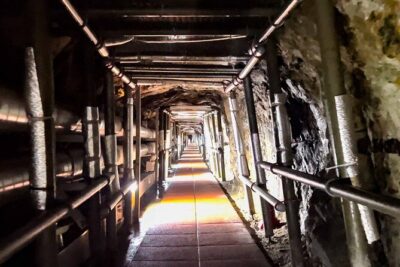
One consideration: the most physical part is the Tunnel 3 walk. You’ll want comfortable shoes, and this tour isn’t suitable for people with mobility impairments, since access involves uneven ground and low-crawl sections inside.
In This Review
- Key takeaways
- Soldier-led DMZ tours in Seoul: why this one feels more real
- Price and value: what $57 buys you in real time
- The guides: retired officers who answer the questions you actually have
- First stop: Odusan or Dorasan observatory and the clear-view gamble
- The DMZ guided segment: what 2.5 hours inside feels like
- Tunnel 3: the workout, the purpose, and why it sticks with you
- Imjingak Park and the Bridge of Freedom: symbols you can’t unsee
- Unification Village and the tour’s through-line of hope
- Timing from Seoul: what 6 hours really means for your schedule
- What to bring (and what will slow you down)
- Is a private option worth it, including the War Memorial of Korea?
- Who should book this Seoul DMZ tour?
- Should you book this Seoul DMZ tour with a retired military officer?
Key takeaways
- Retired officers as guides: you’ll hear firsthand context, not just dates and maps.
- Odusan vs Dorasan is decided on the day: clearer-view chances depend on weather and conditions.
- Tunnel 3 is the highlight: expect crouching, stairs, and a real sense of scale.
- Imjingak Park stops hit emotionally: Mangbaedan altar, Bridge of Freedom, and the steam locomotive area.
- Passport + no big bags: practical rules matter for smooth entry.
- You’re back mid-afternoon: the schedule is efficient for a 6-hour window.
Soldier-led DMZ tours in Seoul: why this one feels more real
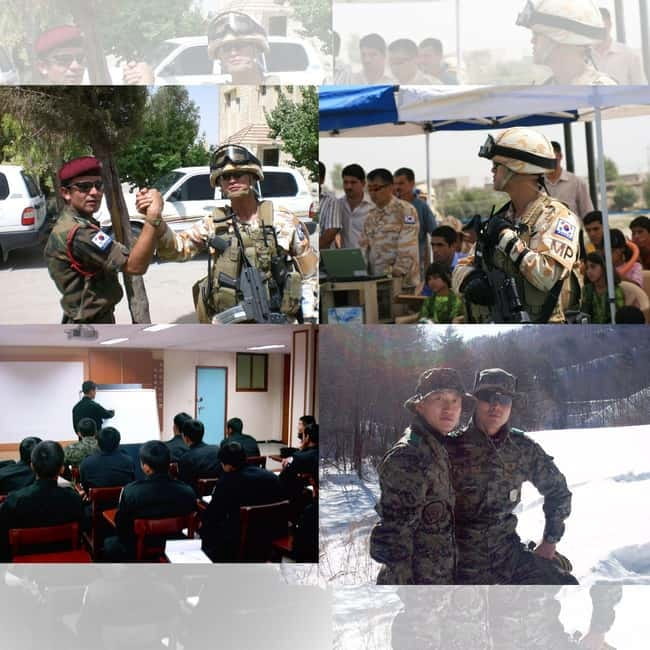
A lot of DMZ tours are heavy on explanation. This one adds something you can’t fake: the authority of people who served in the system. When the guide is a former artillery commander, a former special mission battalion officer, or an infiltration tunnel specialist, the talk sounds different. It’s less about scoring points and more about making sure you understand what you’re seeing—and why it matters.
I also like the tour’s tone. It’s respectful, but not distant. The guides encourage questions, so you can ask what you actually wonder: how the line is enforced, what the tunnel was meant to do, and why certain views are so important. That’s a big deal in a place where details are literally controlled.
Still, you should go in with the right mindset. The DMZ isn’t a theme park, and this tour doesn’t try to turn it into one. You’re moving through an active military zone. Expect rules, brisk pacing between stops, and the occasional schedule shuffle if access is limited.
You can also read our reviews of more tours and experiences in Seoul


Price and value: what $57 buys you in real time

At about $57 per person for a 6-hour half-day, the value comes from what’s bundled—not just the sightseeing. You’re paying for roundtrip transfer from Seoul, DMZ admission fees, a live English-speaking guide, and even the guided walking portion inside the tunnel.
You also gain something hard to price: reduced stress. Getting to the DMZ involves paperwork, security screening, timing, and coordination with local permissions. This tour covers the moving parts so you can focus on the experience instead of logistics.
The only “hidden cost,” in a practical sense, is what you may need to spend on yourself: lunch isn’t included. And if you’re unprepared for the tunnel walk, you’ll feel it in your legs and your mood. Bring the right shoes and you’ll be glad you did.
The guides: retired officers who answer the questions you actually have

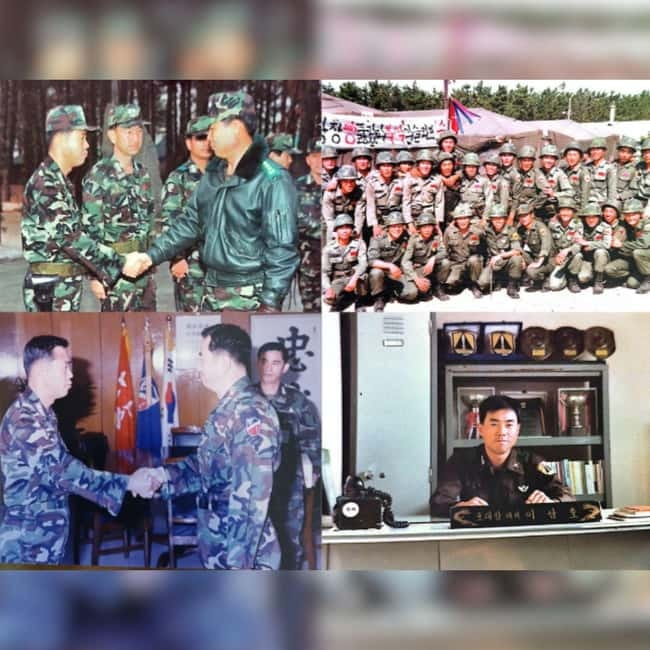
This tour is built around a rotating cast of former senior personnel. Depending on the departure, you might be led by one of these roles:
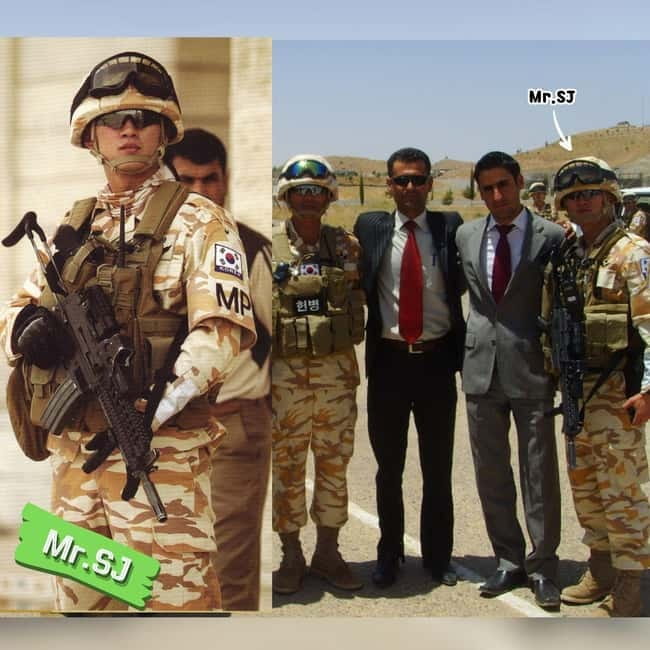
- Agent SJ: a Special Forces major and Iraq veteran (707 Special Mission Battalion)
- Agent Tiger: former artillery battalion commander with 20 years near the front line
- Agent Eddie: infiltration tunnel expert and DMZ briefer to U.S. and Korean top brass
- Agent Jason: a 31-year veteran ROK intelligence officer, retired as a lieutenant colonel
Even if you don’t remember every title, you’ll feel the difference in how they teach. Eddie, for example, tends to connect tunnel history to the lived purpose of the operation. SJ and Tiger often focus on how the DMZ functions day-to-day—what soldiers watch, what signals matter, and how tension shows up in small details.
On some departures, feedback also shows other guides taking the mic, like Julie, Cindy, Lucy, and Dylan. The common thread stays the same: they’re engaged, they keep the group moving, and they’re ready for questions.
First stop: Odusan or Dorasan observatory and the clear-view gamble
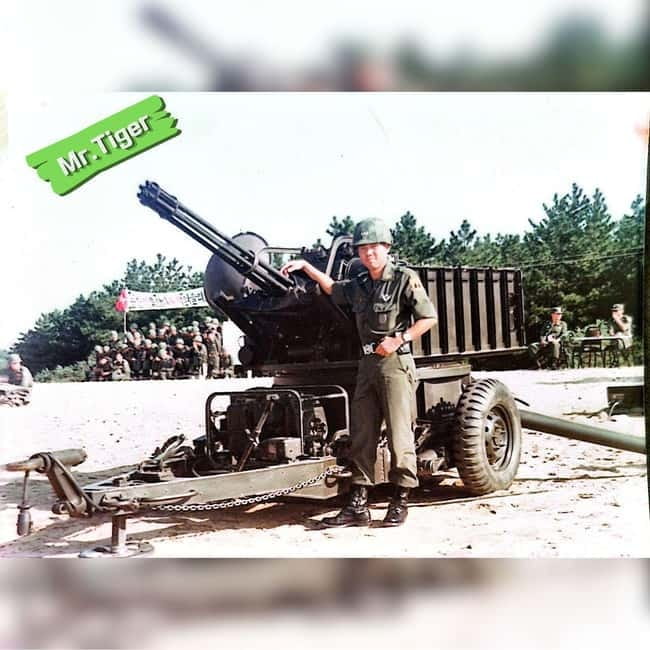
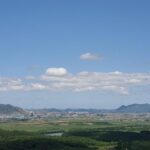
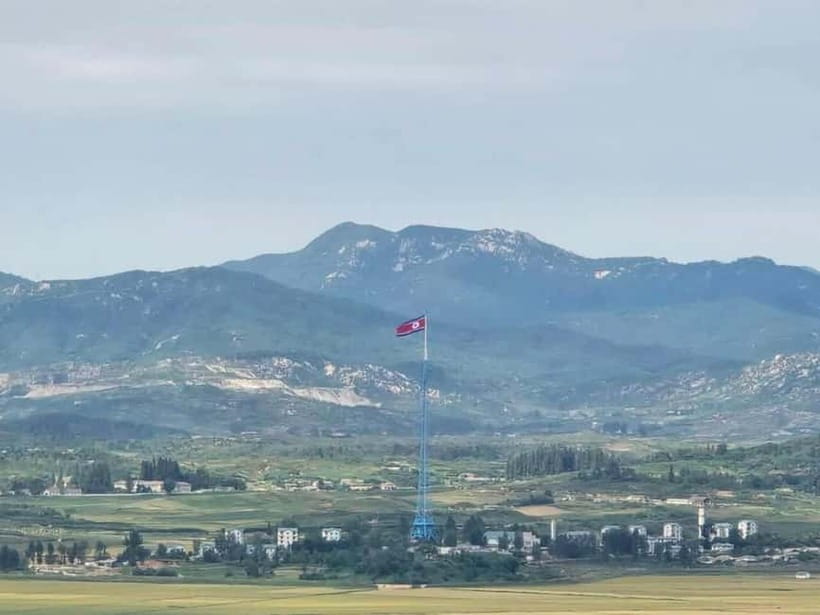
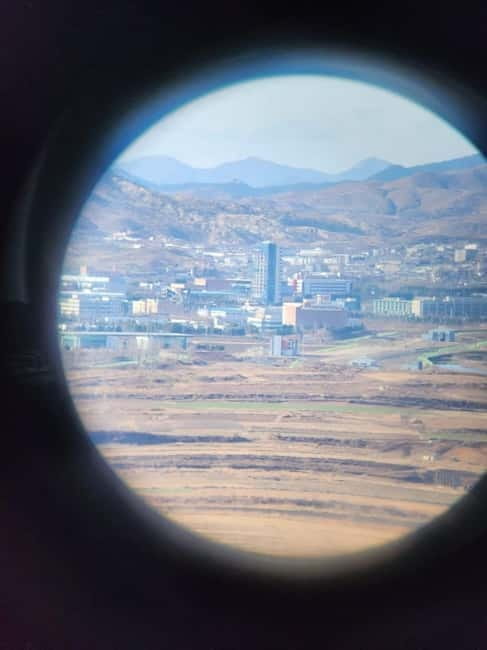
The tour starts with a bus ride of about an hour, then you land at an observatory. Here’s the smart part: your day isn’t locked to one view forever. The guide conducts real-time research to figure out whether Odusan or Dorasan gives the clearest sight of North Korea—using security camera checks and local observatory staff input.
Why this matters for you: you can’t control weather from Seoul. Clear visibility is a huge factor in what you can actually see. A clear day often turns a “cool viewpoint” into something you’ll remember for years.
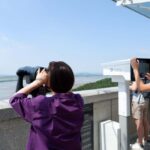
Once you’re on-site, you’ll get time to look out from the deck. Binocular viewing sometimes shows up depending on conditions, so don’t wait to ask what tools you can use. The guide will also frame what you’re seeing—where attention is focused and why the angle/location matters.
Practical tip: if your goal is photos, don’t treat this as a casual viewpoint. Dress for cold, keep your lens ready, and listen for what the guide is pointing out.
The DMZ guided segment: what 2.5 hours inside feels like
After the observatory time, you move into the DMZ area for a guided tour section of about 2.5 hours. This is where the tour shifts from “look outward” to “understand the system.”
You’ll hear personal, soldier-style context about division landmarks and the meaning behind them. The best DMZ guides don’t just list what’s located where—they explain why humans built the landscape the way they did. You’ll also learn how the DMZ became more than a line on a map. It became a daily operational environment.
A key part of the value here is how questions get handled. The guides invite you to ask what you’re curious about, and they’ll respond with practical explanations rather than vague reassurances. That helps you connect the physical stops to the bigger story: tension, security thinking, and the human cost on both sides of the border.
One more thing: pacing. The stops add up, but the tone stays focused. This is not a “slow stroll with optional facts.” It’s structured enough that the time feels full without dragging.





Tunnel 3: the workout, the purpose, and why it sticks with you
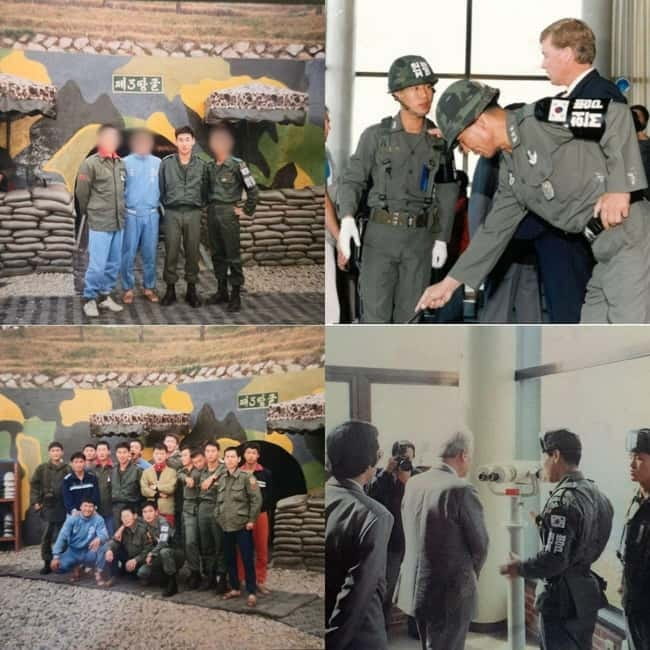
If I were choosing one moment that turns the whole trip from informative into unforgettable, it’s the 3rd Infiltration Tunnel walk.
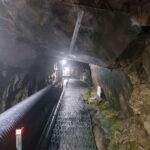
You’re not just standing at an exhibit. You actually walk inside the tunnel, and you’ll get a guided explanation of discovery and context tied to the tunnel’s operational purpose. The tour frames it as the third infiltration tunnel of aggression, not some generic escape fantasy. That distinction matters.
What the walk feels like in real terms:
- It’s a workout. You’ll go down and back up.
- You’ll need to crouch through much of the interior.
- Cold and tight space can make it feel longer than it sounds.
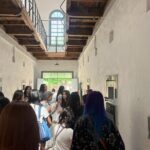
This is why the “wear comfortable shoes” advice isn’t fluff. If you struggle with stairs, awkward footing, or long periods in a crouch, plan accordingly. If you’re traveling with kids, teenagers, or anyone who’s squeamish about enclosed spaces, the guide can still make it meaningful—but you should be prepared for the physical side of it.
The payoff is that the tunnel gives you scale. You see what a person meant to do with limited space, limited visibility, and limited margins. That’s hard to grasp from books.
Imjingak Park and the Bridge of Freedom: symbols you can’t unsee
After Tunnel 3, the day continues with the emotional centerpiece area around Imjingak. You’ll visit Imjingak Park, and the itinerary includes stops tied to the Mangbaedan altar and the Freedom Bridge, plus time around the famous steam locomotive area.
This part hits differently because it’s less about engineering and more about people. The guide connects what you see to living symbols of division and hope. That means you’re not just looking at monuments—you’re hearing why these spaces became places for grief, remembrance, and longing.
The Bridge of Freedom stop is built for reflection. The Mangbaedan altar is another anchor point. And the steam locomotive adds a strange, human note: history is never only abstract. It moves through objects, routes, and the idea of return.
One thing I appreciate: the guides keep it grounded. They don’t turn the mood into melodrama. They explain the significance and then let you take in the moment.
Unification Village and the tour’s through-line of hope
The tour highlights the Unification Village as part of the experience, and even when specific details vary by day, the overall through-line stays consistent: division is enforced, but people keep imagining change.
In practice, this means the day doesn’t end with just tension. You’ll also walk away with a sense of the human story: families separated, long negotiations, and the idea that reunion is still part of the emotional map of the region.
I like that the tour treats hope as something real—not a slogan. The guide’s framing makes it clear that the hope isn’t naive. It’s tied to programs, plans, and the everyday work of people trying to move things forward, even when conditions remain hard.
Timing from Seoul: what 6 hours really means for your schedule
This is a true half-day tour. You’ll ride out from Seoul, spend time at the observatories, then the DMZ guided segment, then Tunnel 3, then the Imjingak-area landmarks.
Expected drop-off times mentioned for common pickup areas:
- Hongik University station: around 14:00–14:30
- Myeongdong station: around 14:30–15:00
That matters because it keeps your afternoon usable. You can still plan dinner, and you won’t lose an entire day to transit.
One good practical note: the schedule can shift due to weather or military permission timing. It’s not a “everything is guaranteed” day. The tour may swap a site if access is impacted.
What to bring (and what will slow you down)
You don’t need travel gear. You need the basics done right.
Bring:
- Passport (required for DMZ access)
- Comfortable shoes (especially for Tunnel 3)
- Warm layers. The DMZ region can be sharply cold.
Not allowed:
- Luggage or large bags
This matters because the DMZ security process is strict. If you forget the passport or show up with prohibited items, the whole group can get delayed. I’d rather you be slightly over-prepared than scrambling in line.
Also remember that the tour isn’t suitable for mobility impairments. If stairs and crouching are an issue for you, this won’t be a comfortable day.
Is a private option worth it, including the War Memorial of Korea?
There’s an extra perk with the private option: a visit to the War Memorial of Korea in Yongsan in the afternoon. If you want your day to connect the modern DMZ experience to the broader war narrative, that add-on can make your understanding feel more complete.
Even without it, the DMZ tour itself already gives you the operational, physical, and emotional core. The War Memorial stop just adds another layer for people who like to keep reading after the field visit.
Who should book this Seoul DMZ tour?
This tour is a strong match if:
- You want the DMZ explained by former military officers, not just standard guides.
- You’re curious about how infiltration tactics and defense thinking shaped what you see today.
- You’re comfortable with a colder, structured day and a physical tunnel walk.
It may not fit if:
- You need step-free access or can’t manage crouching and stairs.
- You dislike guided pacing and want a slow, independent experience.
- You’re hoping for a relaxed photo tour with minimal walking.
For families, teenagers, and history-minded travelers, the tour can work very well—especially if your group is into stories tied to real places and real roles.
Should you book this Seoul DMZ tour with a retired military officer?
I’d book it if you want authenticity and you value direct Q&A with people who actually served. The big “yes” is the combination of retired officer guidance + observatory view selection + Tunnel 3 + Imjingak landmarks. You get history you can feel in your body and context you can’t easily replace with a museum alone.
Skip it—or choose carefully—if mobility is an issue or if the tunnel walk would be a stress you can’t manage. Also, aim for a clear-weather window when possible. The tour already tries to improve your odds by checking whether Odusan or Dorasan offers the best view that day, but you still can’t override the sky.
If your priority is to understand what the DMZ looks like from ground-level reality, not from a classroom slide deck, this is one of the most practical ways to do it from Seoul.