REVIEW · DMZ TOURS
Half-Day South Korea DMZ Small-Group Tour from Seoul
Book on Viator →Operated by Etourism Co.Ltd · Bookable on Viator
DMZ day trips hit like a time machine. This half-day South Korea DMZ tour from Seoul uses small-group pacing and turns the border story into visible stops—Imjingak monuments, a tunnel walk, and North Korea views. Guides like Henry Park often bring smart context and a calm, on-time flow (the kind that keeps your day from feeling rushed).
My favorite practical touch: you’ll get very clear instruction on carrying your original passport for DMZ entry—no copies, no photos, just the real thing. The only real drawback to plan around is that access can be tight: limited daily tickets are handled first come, first served, and what you can see may shift with conditions.
In This Review
- Key takeaways before you go
- Cold War in 6.5 hours: What This DMZ Tour Really Delivers
- Meeting Point in Seoul City Hall and a Realistic Time Plan
- Original Passport for DMZ Entry: The #1 Rule That Can Stop Your Tour
- Imjingak Pyeonghoa-Nuri Park: Monuments About Unification 7 km from the Line
- Paju Freedom Bridge: A Simple Structure with a Serious Job
- 3rd Tunnel Facts: 1,635 m Long, 2 m Wide, and the Power of Going Underground
- Dora Observatory: Public Overlooks Toward Gaeseong and Songaksan
- Ginseng Museum and a Seoul Duty Free Stop: A Softer Landing After the Border
- Price and Value: Is $500 Worth It for a Group of Up to 4?
- The Henry Park Factor: Why the Guide Can Make or Break This Day
- Weather, Access, and the Reality Check on What You’ll See
- Who Should Book This DMZ Tour (and Who Might Skip It)
- Should You Book This Half-Day South Korea DMZ Tour?
- FAQ
- What time does the Half-Day South Korea DMZ Small-Group Tour start?
- How long is the tour?
- Where is the meeting point in Seoul?
- Is an English-speaking guide included?
- Do I need lunch included?
- Is an original passport required for DMZ entry?
- How are DMZ entrance tickets handled?
- How many people are on the tour?
- Are mobile tickets provided?
Key takeaways before you go
- Original passport required for DMZ entry: bring it, and keep it with you until the last gate.
- Small group size (max 10): easier questions, less waiting, more time at each viewpoint.
- Tunnel + observatory combo: you get both underground history and above-ground sightlines toward North Korea.
- Imjingak Park is close to the line: monuments sit about 7 km from the Demarcation Line.
- Time-managed guide experience: Henry Park-style guiding is known for keeping the schedule tight.
- Weather matters: the tour is weather dependent, so have flexible expectations.
Cold War in 6.5 hours: What This DMZ Tour Really Delivers
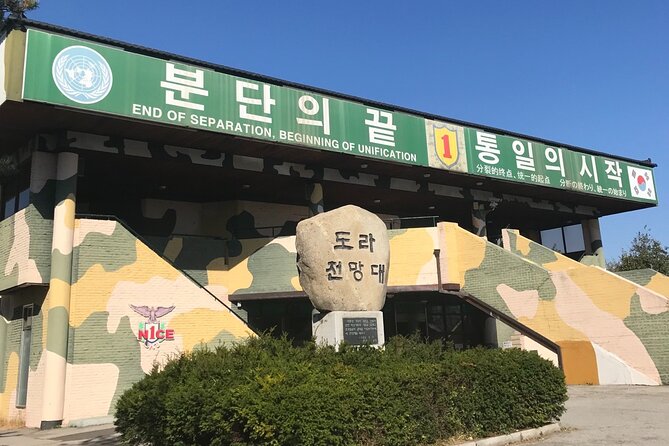
This is the kind of Seoul day trip that changes your internal “map” of Korea fast. You start in the capital, then spend the morning moving toward the Demilitarized Zone, where the war isn’t just a chapter in a book—it’s built into the terrain, the fences, and the official viewpoints.
The route is built around three emotional beats. First, you anchor the story at Imjingak Pyeonghoa-Nuri Park with monuments meant to symbolize hopes for unification. Second, you pass through Paju’s border landmarks like the Freedom Bridge, where the meaning comes from what happened there, not from fancy architecture. Third, you reach the two headline sites: the 3rd Tunnel and Dora Observatory—one underground, one elevated, both oriented toward understanding how both sides watch and prepare.
And yes, the day includes a tunnel walk and a chance to observe the North Korean side from a public observatory. That combination is a big reason this tour keeps such a strong reputation.
You can also read our reviews of more tours and experiences in Seoul

Meeting Point in Seoul City Hall and a Realistic Time Plan
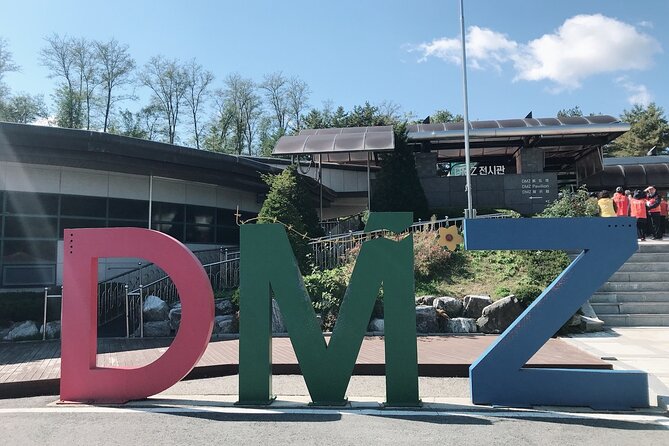
You meet at Seoul City Hall (Subway Line 1) at 8:00 am. The meeting address is 110 Sejong-daero, Jung District, Seoul. The tour runs for about 6 hours 30 minutes, and it returns you back to Seoul City Hall.
Why this matters: a DMZ day trip only works if the timing stays disciplined. With border access and gates, late starts cause real stress. This tour is structured to keep the morning moving: you’re not given a vague itinerary where you sit and wait all day—you hit the core sites in a logical order.
You’ll also use a mobile ticket, which is handy for keeping everything in one place—just remember that the passport requirement is separate and non-negotiable.
Original Passport for DMZ Entry: The #1 Rule That Can Stop Your Tour
Here’s the one item I’d treat like your main ticket: your original passport. For DMZ entry, copies don’t count, and photos don’t count. If you forget it, the day can go sideways fast.
Pack logic: keep your passport in a secure pocket you can access at check points, not buried deep in a backpack you’ll have to dig through. Also, double-check the spelling on your booking details against your passport, since border systems can be picky.
This is one of the reasons I like booking far enough ahead: DMZ access depends on a limited number of tickets, and you want your morning to run smoothly rather than spend time trying to solve a document problem at the last minute.
Imjingak Pyeonghoa-Nuri Park: Monuments About Unification 7 km from the Line
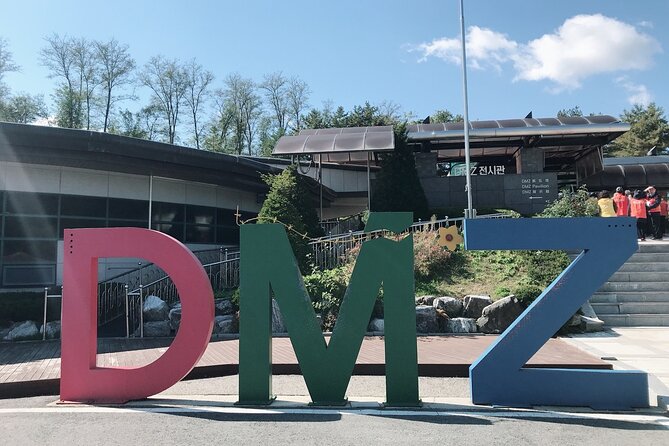
The day begins at Imjingak Pyeonghoa-Nuri Park, about 7 km from the military Demarcation Line. You get around 45 minutes here, and admission is included.
This stop is not about architecture—it’s about symbols. The park was built in 1972, with the hope that someday Korea could unify. You’ll see statues and monuments connected to the Korean War and separation, and the physical closeness to the Demarcation Line gives the displays extra weight. Even if you don’t know every reference, the layout pushes you to read the meaning: this is a place designed to make remembrance feel unavoidable.
Practical tip: bring a light layer. Parks can be cooler or windier than Seoul center, and you may spend time standing, reading plaques, and taking in the broader views.
Paju Freedom Bridge: A Simple Structure with a Serious Job
Next is Paju for the Freedom Bridge, where your time is about 20 minutes and admission is free.
The bridge itself is described as built for temporary use, so don’t expect it to impress on design. The point is the name and the story. The bridge got that name because South Koreans came back to the South through it. That makes this stop feel more like a marker than a monument you’ll photograph endlessly.
If you like travel that teaches you how people attach meaning to everyday infrastructure, you’ll enjoy this. It’s short, focused, and it helps your brain transition from “museum-like remembrance” into “route-like reality.”
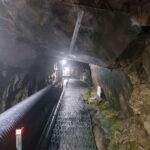




3rd Tunnel Facts: 1,635 m Long, 2 m Wide, and the Power of Going Underground
The biggest physical hit of the day comes at the 3rd Tunnel. This is in Paju and is about 52 km from Seoul. You’ll have around 45 minutes and admission is free.
Here are the standout details that make the tunnel memorable:
- It was discovered in 1978 by South Korean forces.
- The tunnel spans about 1,635 meters in length.
- It’s roughly 2 meters wide and 2 meters high.
Walking a space with those dimensions forces a shift in perspective. You’re not just looking at conflict from a distance—you’re experiencing how tight and deliberate movement has to be in a structure like this. That physical scale is part of why it tends to stick with people long after they leave Seoul.
A fair warning: underground sections can feel darker or cooler than you expect. Wear comfortable shoes and keep your phone ready for photos, but don’t let filming become the whole event—focus on the walk and the guide’s context.
Dora Observatory: Public Overlooks Toward Gaeseong and Songaksan
After the tunnel, you head to Dora Observatory, located nearby and described as first opened to the public in 1987. You get about 45 minutes here, and admission is included.
The main draw is the overlook: you can view North Korea and specific locations in that direction, including Gaeseong and Songaksan, and more areas referenced from the observatory viewpoint.
This stop often feels like the “systems thinking” moment of the tour. The tunnel is about movement and preparation underground. Dora is about line-of-sight, watching, and the reality that geography becomes strategy.
If you’re the type who loves a clear viewpoint, bring good expectations for what you can see: from an observatory, visibility depends on conditions. Even with clear sightlines, remember you’re seeing into a restricted, politically sensitive space from a public platform.
Ginseng Museum and a Seoul Duty Free Stop: A Softer Landing After the Border
To balance the heavier border sites, the schedule includes a stop back in Seoul: the Ginseng Museum. You have about 30 minutes, and admission is free.
This isn’t a required stop for everyone’s interests, but it’s a useful cultural palate cleanser. The exhibition hall helps you understand different types of ginseng and the commonly described effects of ginseng. It’s also a good moment to ask questions about what South Koreans actually buy, why it’s marketed, and how people think about health products.
There’s also a duty free shop stop for luxury fashion brand boutiques. Admission is free here too, and this is essentially your buffer time for browsing and buying before you head back to the city.
My advice: treat shopping as optional. Use the time to grab water, a snack, or a small souvenir you’ll actually carry home—not a “we were there, so we must buy something” impulse.
Price and Value: Is $500 Worth It for a Group of Up to 4?
The tour price is $500 per group for up to 4 people. That pricing can look steep at first glance, but it’s more sensible when you think in terms of a DMZ day trip’s real costs: licensed transport, guide time, and admission/fees for key stops.
What you’re paying for is mainly this:
- A guided route that handles the transport and sequencing.
- Access-dependent experiences (tunnel + observatory).
- Included fees and taxes, so you’re not constantly topping up at each site.
- English-speaking commentary with all transportation covered.
If you’re traveling solo, the cost per person can feel high. If you have two friends or a small group, the value gets much better because you’re effectively splitting the group cost without losing the small-group feel. Also, with a maximum of 10 travelers, the tour doesn’t feel like a conveyor belt.
One more value point: the guide matters. The strongest reviews emphasize skilled guiding, good time management, and clear explanations. A day like this is where the wrong pacing or weak context can make the whole thing feel flat.
The Henry Park Factor: Why the Guide Can Make or Break This Day
The guide experience is a major part of why this tour earns top marks. Names that come up include Henry Park, praised for being professional, answering questions with real context, and keeping the day organized.
I like how this kind of guiding changes the tone. The DMZ can be emotionally heavy, but a good guide helps you translate what you see into something you can understand quickly. The best guiding also keeps the pace fair—enough time to stand and look, not so much that you’re stuck waiting.
Even beyond border context, the guide approach often includes Korean cultural notes and smart food recommendations after the tour. That matters because a DMZ morning can work up real hunger.
Weather, Access, and the Reality Check on What You’ll See
This is a weather-dependent experience. If conditions don’t cooperate, the tour can be canceled, and you may be offered a different date or a full refund.
Also, access can vary. Even when the itinerary looks fixed, you might find that not everything is available at the time you go. That’s not something you can control, but you can control your mindset: show up ready for what’s accessible, and rely on your guide to adjust on the fly.
Practical approach: bring a light rain layer, expect wind, and don’t schedule your next big thing immediately after the tour. A calm afternoon beats rushing around.
Who Should Book This DMZ Tour (and Who Might Skip It)
This tour is a great fit if you:
- Want the classic DMZ highlights in one half-day route.
- Like small-group travel with time for questions.
- Care about the real-world meaning behind monuments and border infrastructure.
- Prefer an English commentary guide rather than a solo DMZ day with unclear access rules.
You might want to think twice if you:
- Hate structured schedules and tightly timed stops.
- Are traveling with strict document worries (again: the original passport rule is real).
- Have mobility concerns that make tunnel walking or observatory standing uncomfortable. The tour description doesn’t spell out accessibility details, so you should check before booking.
If you’re sensitive to heavy political atmosphere, go anyway but plan to decompress afterward. The tour delivers learning and clarity, not just sightseeing.
Should You Book This Half-Day South Korea DMZ Tour?
I’d book it if you want a smart, efficient DMZ introduction that includes the 3rd Tunnel and Dora Observatory plus the key Paju and Imjingak memorial stops. The half-day timing is a big advantage: you get the border experience without burning a whole day.
Book earlier when possible, because DMZ tickets are limited and handled first come, first served. If you’re flexible and can handle a little uncertainty, last-minute openings may still happen—just don’t count on them.
Finally, take the passport rule seriously, pack for weather, and let the guide drive the context. This is one of those days where the right preparation makes the experience feel clear, human, and unforgettable in the least touristy way possible.
FAQ
What time does the Half-Day South Korea DMZ Small-Group Tour start?
The tour starts at 8:00 am.
How long is the tour?
It runs for about 6 hours 30 minutes (approximately).
Where is the meeting point in Seoul?
You meet at Seoul City Hall, address 110 Sejong-daero, Jung District, Seoul near Subway Line 1.
Is an English-speaking guide included?
Yes. The tour includes an English-speaking guide with commentary.
Do I need lunch included?
No. Lunch is not included.
Is an original passport required for DMZ entry?
Yes. An original passport is mandatory. No copy and no photo will work.
How are DMZ entrance tickets handled?
DMZ entrance tickets are limited and are sold on a first come, first served basis.
How many people are on the tour?
The maximum group size is 10 travelers.
Are mobile tickets provided?
Yes. The tour uses a mobile ticket.