REVIEW · DMZ TOURS
South Korea Demilitarized Zone, DMZ Tour from Seoul
Book on Viator →Operated by I Love Seoul Tour · Bookable on Viator
A wall of history, in one half-day. This early start DMZ tour from Seoul takes you to key sites that explain how the Korean Peninsula stayed split.
I like the price-to-inclusions value: admissions, a professional guide, and air-conditioned transport are built in. I also like that the day skips the usual shopping detour, so you spend more time on the story than on sales.
One thing to plan for: you’ll deal with military-run rules that can change access or timing, and the walking at Third Tunnel and around Dora can be a bit demanding.
In This Review
- Key things to know before you go
- Why this morning DMZ schedule feels smarter than the afternoon
- Imjingak Pyeonghoa-Nuri Park: where reunification hopes meet the war’s shadow
- What to watch for here
- The DMZ passport check plus an exhibition hall that sets context fast
- Why this stop matters
- Third Tunnel: why that 1,635m matters (and how not to get stuck in pain)
- What the walking and crouching can feel like
- Dora Observatory: the view north, and the reality that rules can change
- The useful part: what your guide helps you read
- Photos and restrictions
- How the tour stays smooth: air-conditioned ride, safe pacing, and guides that tell stories
- A fast pace that still feels organized
- Price and value: why this $30 DMZ day feels unusually efficient
- Best way to judge if the value is for you
- What to pack (and what to avoid) for the Third Tunnel and Dora day
- Weather realities
- One small but smart note about North Korea items
- If the military limits access: know your backup plan
- Should you book this DMZ tour from Seoul?
- FAQ
- Do I need a passport for this DMZ tour?
- What’s included in the price?
- Is the Joint Security Area (JSA) included?
- Is lunch included?
- Is there any shopping stop during the tour?
- What if the tour gets canceled or the itinerary changes?
Key things to know before you go
- Start early to beat the crowds: the morning timing is designed to avoid the afternoon rush.
- Imjingak sets the emotional stage: it’s close to the Military Demarcation Line and tied to reunification hopes since 1972.
- Third Tunnel is physical: it can involve crouching and a downhill/uphill pattern, plus you’ll want sturdy footwear.
- Dora Observatory views may limit photos: picture rules can change, so go ready to listen more than shoot.
- You get the big stops without JSA: the tour focuses on Imjingak, the DMZ exhibition area, Third Tunnel, and Dora—no Joint Security Area.
- Expect a busy schedule: it’s around 7 hours 30 minutes, with guided time kept tight at each stop.
Why this morning DMZ schedule feels smarter than the afternoon
The DMZ is one of those places where timing changes everything. You’re leaving Seoul early so you can see sites before the biggest waves of people pile in, and that matters for comfort and how much you actually absorb.
You also get the benefit of a structured day that doesn’t drag. With a guided format and air-conditioned transport, the trip doesn’t feel like a scavenger hunt through checkpoints. And because the itinerary is built around major areas—Imjingak, the DMZ exhibition area, Third Tunnel, and Dora—you get a clean “arc” of Cold War logic: aftermath, division, infiltration fears, then what you can (and can’t) see from the south.
You can also read our reviews of more tours and experiences in Seoul.

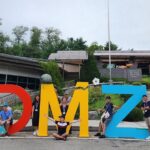
Imjingak Pyeonghoa-Nuri Park: where reunification hopes meet the war’s shadow
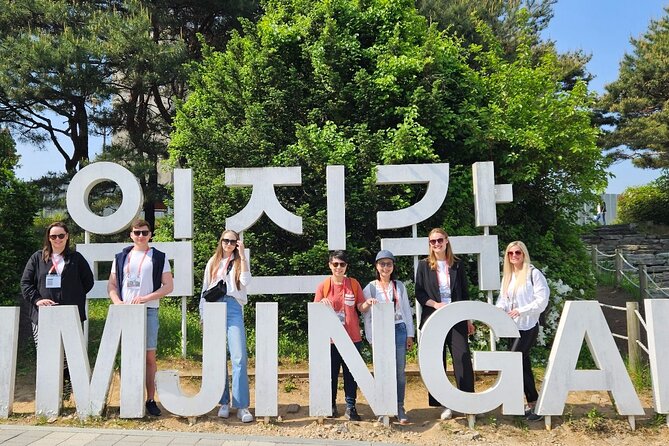
Imjingak Pyeonghoa-Nuri Park sits about 7 km from the Military Demarcation Line, and that distance is part of what makes it hit hard. This site was built in 1972 with the hope that unification would someday be possible, so it’s not just scenery—it’s a statement about what Korea was trying to do next, after the fighting stopped.
In practice, the stop is timed for about an hour, so you’re not rushed through every detail. You get enough time to take in the setting and let your guide connect the dots between past and present. If you care about why the DMZ exists beyond the headlines, this is where your brain gets the framework.
What to watch for here
This is a calmer start compared with the more “physical” parts later. It’s still an active historical site, so dress for walking and keep your pace steady. A passport is required for the trip overall, but the big checkpoint moment comes later.
The DMZ passport check plus an exhibition hall that sets context fast
After you check in, you’ll go through a passport check by soldiers. It’s quick, but it’s also the reminder that this isn’t a normal attraction. The DMZ runs on military procedures, and that fact shapes everything you experience.
Once you’re inside the DMZ area experience, you’ll spend around 30 minutes at an exhibition hall. The hall uses a short video and exhibits to explain the tragic history of the division of Korea. I like this structure because it gives you a mental map before you move toward the more dramatic stops like Third Tunnel and Dora.
Why this stop matters
Without context, the DMZ can feel like a collection of viewpoints. With the exhibition material, you start noticing themes: separation, surveillance, propaganda, and the idea that the war never truly ended. Even if you’ve read about the Korean War or the Cold War, the visuals and short video can tighten the timeline in your head.



Third Tunnel: why that 1,635m matters (and how not to get stuck in pain)
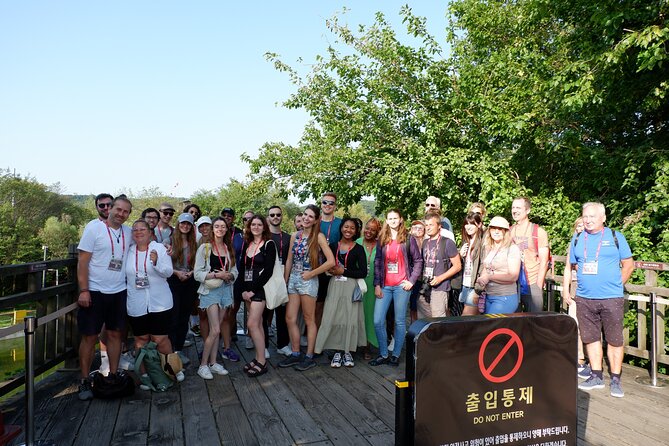
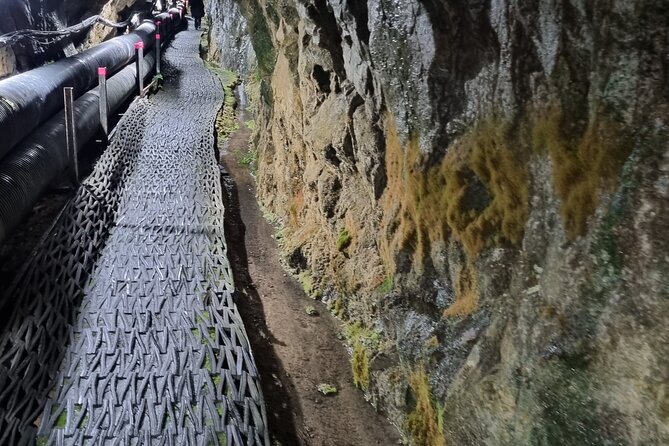
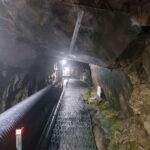
Third Tunnel is the kind of stop that makes history feel physical. South Korea discovered it in 1978, and the tunnel stretches about 1,635 meters long, with very tight dimensions—roughly 2 meters wide and 2 meters high. The guide framing here is key: these are the “spaces” people planned to move through, so your body understands the risk in a way words alone can’t.
The tunnel stop runs about 40 minutes. It’s also about 52 km from Seoul, so this is where the day’s driving time starts to pay off.
What the walking and crouching can feel like
From what I’ve seen described by people who’ve done this tour, the experience can involve a downhill walk and crouching to reach certain sections. The return can feel more strenuous because you’re going back uphill. You’ll also likely encounter a hard-hat setup during the tunnel portion, which is one of those practical touches that makes the visit safer and less intimidating.
Shoes matter here. If you’re in flip-flops or heels, you’ll feel it fast. The tour strongly recommends avoiding flip-flops, slippers, or shoes with heels for exactly this reason.
Dora Observatory: the view north, and the reality that rules can change
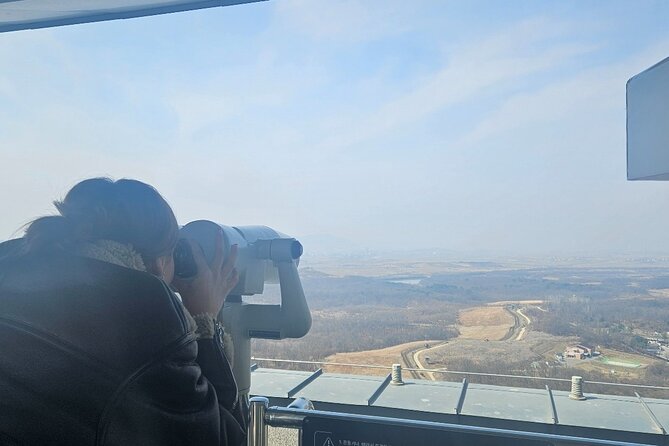
Dora Observatory is your “look north” moment. From this vantage point, tourists can overlook North Korea and a set of named areas, including Gaeseong, Songaksan, Kim Il-Sung Statue, and Cooperation Farm (Geumamgol). The stop itself is about 30 minutes, and it’s usually just long enough to get the big explanation and take in what you can see.
The useful part: what your guide helps you read
Even with clear weather, distance and haze can limit what you make out. That’s why the guide’s narration matters here: it helps you connect the named locations to what you’re seeing—or not seeing—so you don’t just stare and guess.
Photos and restrictions
Rules around cameras and photo-taking can change. On some visits, people have been unable to photograph parts of the North Korea view during the day, but the guide can still support the experience by sharing previously taken images with the group. So bring your camera if you want, but treat the tour as a listening-first visit, not a photo shoot.
How the tour stays smooth: air-conditioned ride, safe pacing, and guides that tell stories
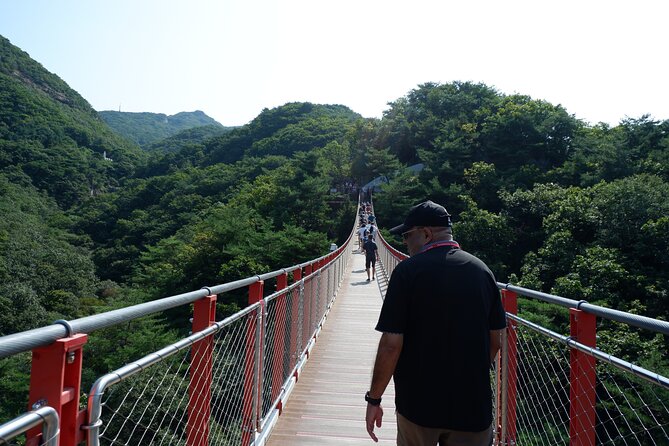
A DMZ tour can go two ways: it’s either rigid and dry, or it’s focused and human. This one tends to succeed at the second approach because of the guide style. Names that come up often include Winnie and Kenny, plus others like Stella, Grace, Thomas Bae, and Sophie—and the common thread is clear, upbeat explanations even when the subject matter is grim.
You’ll also ride in air-conditioned transportation, which is a real comfort win on a long morning drive. Some guides use videos on the bus (a big TV is mentioned by people who have done the trip), and that can help you settle into the history before you hit the checkpoint.
A fast pace that still feels organized
The day is packed, but it’s packed with purpose. The stop durations are short enough to keep you moving, and the tight timing helps you reach Dora and the tunnel without losing the day to slow transitions.
If you want a DMZ experience that feels like a guided school lesson with a safe ride—not a slow bus tour—this fits.
Price and value: why this $30 DMZ day feels unusually efficient
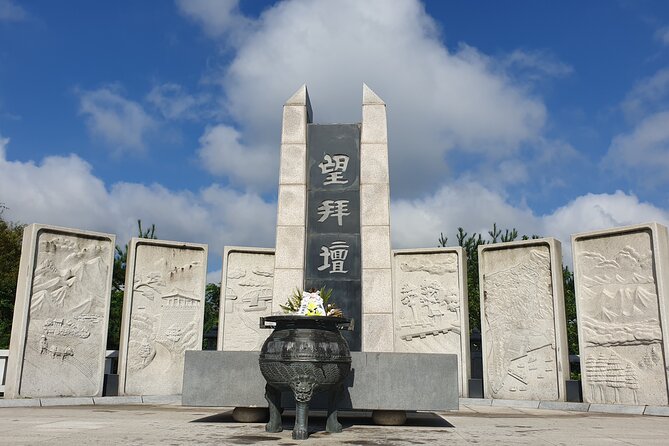
At around $30 per person, the standout value is what’s included. You get:
- Air-conditioned transportation
- A professional guide
- Admission fees
- Transportation between stops
That matters because the DMZ sites aren’t “free.” Admissions and access help make the price feel like a bundled deal rather than a low base rate with surprise extras.
What isn’t included is also important for budgeting: there’s no lunch. That means you’ll want to plan snacks or money for food if you’ll need it. You also won’t get the Joint Security Area (JSA) visit, which some people think is part of every DMZ trip. This tour focuses on Imjingak, the DMZ exhibition area, Third Tunnel, and Dora.
Best way to judge if the value is for you
If your goal is to tick off the key DMZ stops quickly with solid narration and included admissions, this price level makes sense. If your goal is specifically the JSA, you’ll feel like something big is missing.
What to pack (and what to avoid) for the Third Tunnel and Dora day
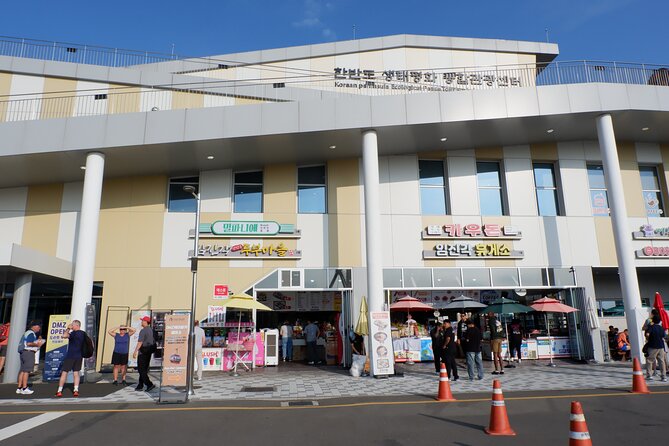
For a day like this, comfort is not a luxury—it’s how you stay present.
Bring:
- Comfortable clothing for a full morning and early afternoon
- Sturdy shoes with grip (skip flip-flops and heels)
- A passport (required on the day of travel)
You should also be ready for the day to run differently depending on conditions. The DMZ operates through the military, so scheduled access and timing can shift due to weather and government or military orders.
Weather realities
The trip requires good weather. If weather is poor, the tour may be canceled and you’ll be offered a different date or a full refund. Still, build flexibility into your schedule because this is a place where conditions can change fast.
One small but smart note about North Korea items
If you’re thinking of buying anything related to North Korea, be careful about what you bring home. There’s a specific mention that US sanctions can apply to goods manufactured in North Korea, including North Korean money and stamps, so it’s worth checking the current US government guidance before you buy.
If the military limits access: know your backup plan
Because this is a military-run area, access can be reduced. In such cases, the operator may swap in alternative stops. One listed alternative includes Imjingak Park followed by Art Space BEAT 131, Odusan Unification Observatory, the war memorial of Korea, and dismissal at City Hall or Myeongdong.
That backup plan matters because it keeps the day from becoming a total wash. Still, it’s smart to hold your expectations lightly: you’re going for the experience, not a guaranteed photo-op on every viewpoint.
Should you book this DMZ tour from Seoul?
Book it if you want:
- A morning DMZ experience designed to avoid peak crowds
- The main stops: Imjingak Park, Third Tunnel, and Dora Observatory
- A guided day with admission fees and transport included in the price
- A structured history lesson that doesn’t depend on you finding everything on your own
Skip or choose another option if:
- JSA is your top must-do. This tour does not include it.
- You’re not comfortable with a moderate physical day. Third Tunnel can involve crouching and uneven walking.
- You hate schedule uncertainty. Military procedures and weather can lead to cancellations or changes.
If you’re history-minded and practical, this one is a great way to see the DMZ without overpaying and without wasting half your day in a shopping stop. You’ll leave with the sense that the Korean Peninsula is still living through the consequences of decisions made decades ago—and you’ll understand why the line on the map still matters.
FAQ
Do I need a passport for this DMZ tour?
Yes. A current valid passport is required on the day of travel since you’ll go through checks by soldiers during the experience.
What’s included in the price?
The tour includes an air-conditioned vehicle, admission fees, a professional tour guide, and transportation between stops. A mobile ticket is used.
Is the Joint Security Area (JSA) included?
No. The tour does not include a visit to the Joint Security Area (JSA).
Is lunch included?
No. Lunch is not included, so you’ll want to plan ahead for food.
Is there any shopping stop during the tour?
No shopping centers are included as stops on this tour.
What if the tour gets canceled or the itinerary changes?
Because the DMZ is operated by the military, the trip may be canceled without prior notice, and schedules can change due to road conditions, weather, or government or military orders. In some situations, the itinerary may be altered, and you should stay flexible.