REVIEW · SUWON HWASEONG FORTRESS TOURS
Day Trip to UNESCO: Suwon Fortress Adventure from Seoul
Book on Viator →Operated by I Love Seoul Tour · Bookable on Viator
Suwon’s walls teach fast. I like that this half-day tour pairs a guided walk through UNESCO Hwaseong Fortress with clear explanations of why each gate and section matters, and I really like that it also includes Hwaseong Haenggung Palace so you see more than just city walls. One thing to consider: it’s only about four hours, so if the weather is rough or parts run late, you might feel the squeeze on your photo time.
This is a straightforward morning plan. You start at Myeong-dong (8:20 am), ride in an air-conditioned coach or minivan, and get dropped back in Myeong-dong afterward. The tour skips shopping stops and keeps things focused on the sites, with a maximum group size of up to 100.
If you care about how the Joseon Dynasty shaped Seoul’s region, this is a smart use of time. Hwaseong Fortress was built in the late Joseon period and is tied to King Jeongjo’s filial piety, and Hwaseong Haenggung Palace was a royal temporary residence used during wartime retreats.
In This Review
- Key points you’ll care about
- Why Suwon Feels Different Than Most Seoul Day Trips
- Price and value: what $48 buys you (and what it doesn’t)
- The morning plan from Myeong-dong: easy start, tight timing
- Stop 1: Hwaseong Fortress and how to read the walls
- Stop 2: Hwaseong Haenggung Palace and the meaning of a royal retreat
- The guide makes the difference: what you’re likely to experience
- Walking comfort and rainy-day realism
- Group size and pace: small group energy, big schedule discipline
- About performances and what to expect at the end
- Should you book this Suwon Fortress and Haenggung Palace tour?
- FAQ
- What is included in the $48 tour price?
- How long do you spend at each UNESCO site?
- Where do I meet the tour, and where do I get dropped off?
- Is hotel pickup included?
- Does the tour stop at shopping centers?
- What happens if I need to cancel or if the tour is canceled due to low demand?
Key points you’ll care about
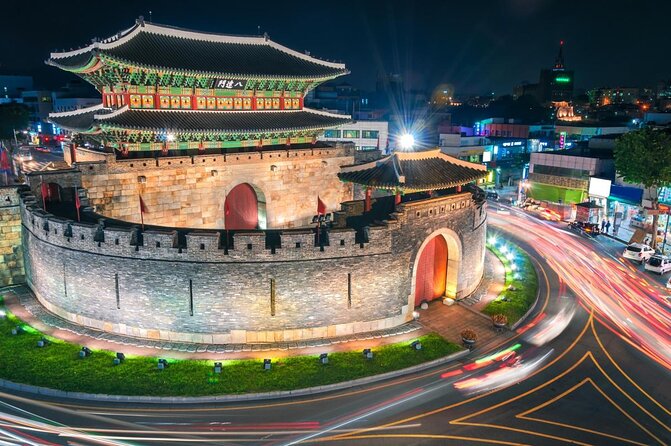
- UNESCO in a tight schedule: You get Hwaseong Fortress plus Hwaseong Haenggung Palace in one half-day loop.
- Guides help you read the fortress: Explanations cover Joseon-era purpose, directional gates, and architectural meaning.
- Admissions are included: Ticket costs for both stops are covered in the $48 price.
- Myeong-dong start and finish: Easy meeting point and a convenient return to where you’re already exploring.
- Real-world walking time: Plan for outdoor walking on uneven fortress paths and steps.
- Show timing can vary: Some days include an end presentation, and Mondays may be different.
Why Suwon Feels Different Than Most Seoul Day Trips
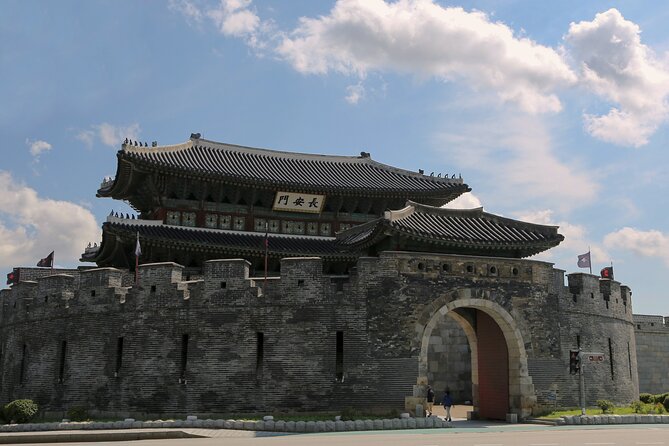
Most day trips from Seoul are built around one big attraction. This one is better because it combines two UNESCO-related pieces that match each other: the fortress system for defense and the Haenggung Palace as the royal retreat.
Hwaseong Fortress is UNESCO-listed for a reason beyond looks. It’s a Joseon-era statement about planning, control, and the way rulers projected authority over territory. And it’s not presented as a dry lesson. The guide’s job is to help you connect the fortress design to the story behind it, including why certain directional gates and sections were important.
Then you shift to Hwaseong Haenggung Palace, which tells a different side of the same era. This palace wasn’t a permanent base. It was a temporary royal refuge during war, and it’s specifically tied to King Jeongjo’s era and his family worship trips.
If you like your sightseeing with context, this pairing keeps you from leaving thinking, I saw a wall. You leave thinking, I understand what the wall was for.
You can also read our reviews of more tours and experiences in Seoul
Price and value: what $48 buys you (and what it doesn’t)
At $48 per person, this is priced like a true half-day tour rather than a ticket-only outing. For your money, you’re getting:
- a professional guide
- round-trip transport by air-conditioned coach or minivan
- admission tickets for both stops
You’re not paying separately for the entry fees, and you’re not stuck figuring out transit. That matters in a city like Seoul where getting out and back efficiently is half the battle.
What’s not included is also simple. You’ll need to handle meals and drinks on your own, plus personal expenses. Also, hotel pickup is not universal (more on that below), and the tour ends by dismissing you in the Myeong-dong area, not at your hotel.
So the value depends on one question: do you want a guided, scheduled morning with transport handled? If yes, the price looks reasonable fast.
The morning plan from Myeong-dong: easy start, tight timing
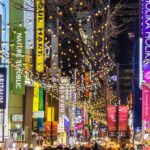
The tour starts at 8:20 am at Myeong-dong Station Exit 1061-7 (Chungmuro 2(i)-ga, Jung District). Your day ends back in Myeong-dong.
That “start and finish in the same neighborhood” is one of the big practical wins. You can sleep in a bit more than full-day trips usually allow, and you’re free to do your own afternoon plans without hunting for transit.
Timing is roughly four hours total, with set time blocks for each site. That’s important because fortress sightseeing can sprawl. Here, it’s kept disciplined: you’ll have time to see key areas of the fortress and then switch to the palace.
One small consideration: this kind of schedule gives you less cushion than a self-guided visit. If something runs behind (and weather can play a role), the half-day format means you might lose some optional moments.
Stop 1: Hwaseong Fortress and how to read the walls
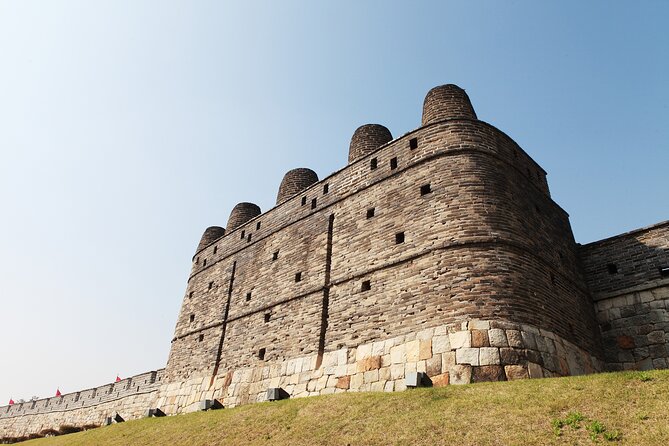
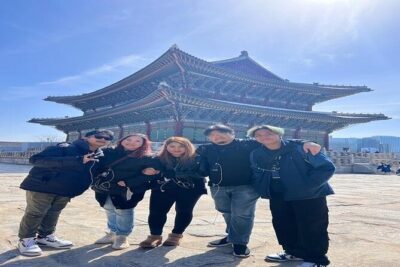
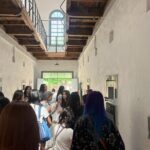
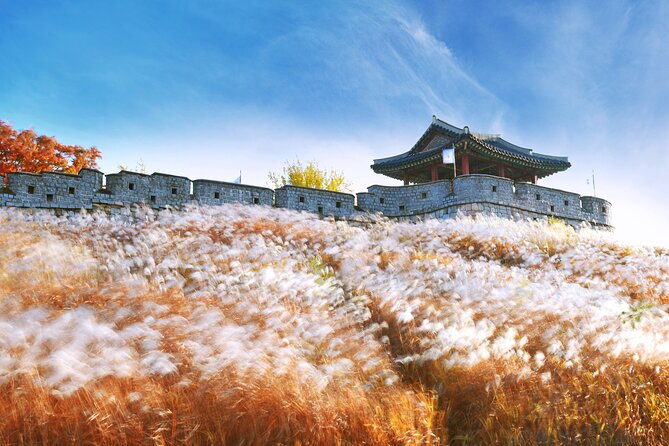
You spend about 1 hour 30 minutes at Hwaseong Fortress, with admission included.
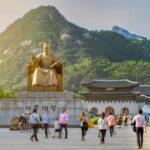
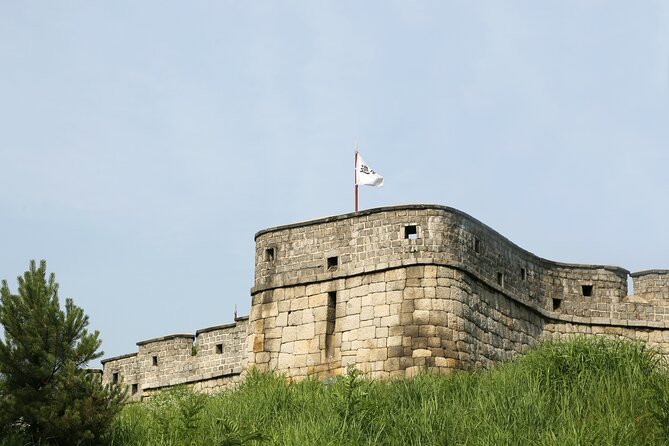
Hwaseong Fortress comes from the latter part of the Joseon Dynasty (1392–1910). The tour’s framing makes it more personal than you might expect: the fortress was built as a display of King Jeongjo’s filial piety toward his father. That theme helps you interpret the fortress as more than engineering.
Here’s what you can look for as you walk:
- Directional gates and fortress logic: Don’t just photograph. Pay attention to what the guide explains about the gate significance and how the fortress sections functioned as a system.
- City + history in the same view: The fortress experience isn’t staged in a bubble. You may notice commercial or residential areas still woven into the surroundings while the historical structure holds its line.
- Photo strategy: The best views are time-based. If you want front-row photo spots, you’ll have to follow the group and your guide’s suggestions rather than wandering for long.
One thing to keep in mind: there can be moments where the group is waiting for a ride element within the fortress area. If you’re the type who hates losing time standing around, this is worth knowing. The upside is that you still get to walk key parts, and the guide can help you make sense of what you see while you’re there.
Stop 2: Hwaseong Haenggung Palace and the meaning of a royal retreat
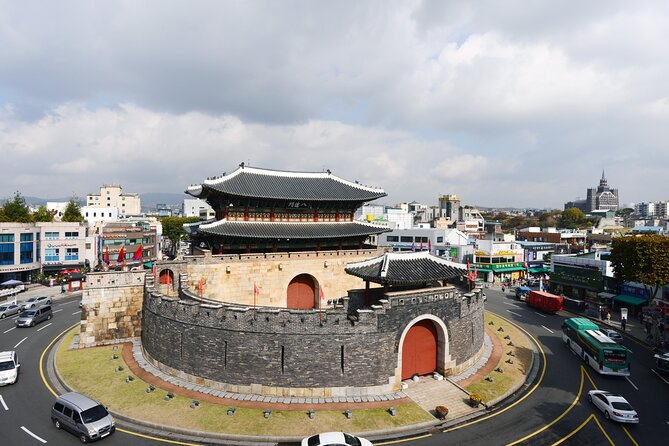
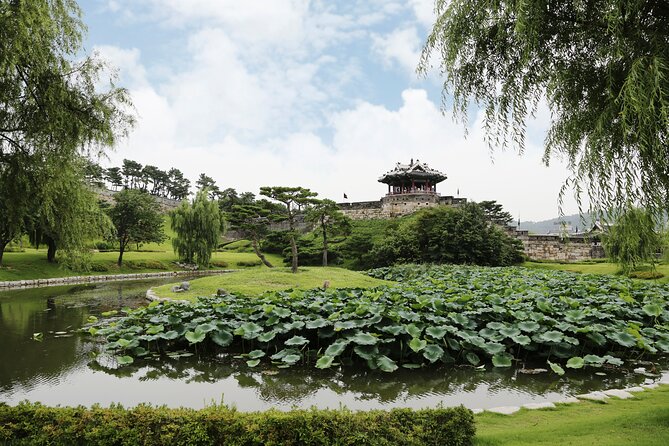
Next is Hwaseong Haenggung Palace for about 30 minutes, also with admission included.
This stop is shorter, but it has a clear job: show you how royalty used the area during conflict. A Haenggung was a temporary palace where the king and royal family retreated during war. Hwaseong Haenggung Palace is the largest of these temporary palaces and was used by Joseon kings from King Jeongjo’s time onward.
You also get a more intimate story. King Jeongjo used this palace during trips connected to worship at his father’s tomb. So the palace isn’t only about military shelter. It’s also about ritual and family duty, which loops right back to the fortress theme from the first stop.
What this means for you in practice: don’t treat the palace as a quick walk-through. Use the guide’s explanations to connect the palace layout and purpose to what you just learned about the fortress. Even with limited time, that connection makes the visit feel purposeful.




The guide makes the difference: what you’re likely to experience
This tour runs with English-speaking guides, and the names you might see assigned include Sophie, JL, Shin, Henry, Stella, Thomas, Chloe, Park, and Leo.
Across those different guides, the through-line is consistent: they’re there to translate the site into understandable story. People have specifically praised guides for:
- connecting fortress features to Joseon politics and purpose
- using clear English and staying approachable
- pointing out photo spots and offering to take pictures
So if you care about getting good photos without turning the day into a selfie marathon, follow the guide’s cues. Ask for direction before you sprint off. In a place like a fortress, that saves time and keeps you from missing the parts that actually make sense.
Walking comfort and rainy-day realism
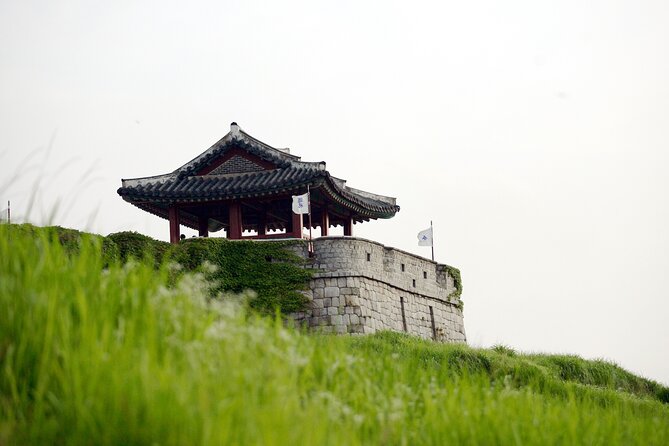
This is an outdoor, step-and-stairs style outing. Wear shoes you trust on uneven surfaces. Bring a small umbrella or a light rain layer if the forecast looks iffy.
One practical note from past experiences: bad weather can reduce what you’re able to do within the planned time window. If heavy rain hits, you may have to accept that some photo opportunities or sections could be less accessible.
If you’re booking during a rainy season, plan your expectations accordingly. This is still worth it, but you’ll want to pack for a slower feel and keep your mood flexible.
Group size and pace: small group energy, big schedule discipline
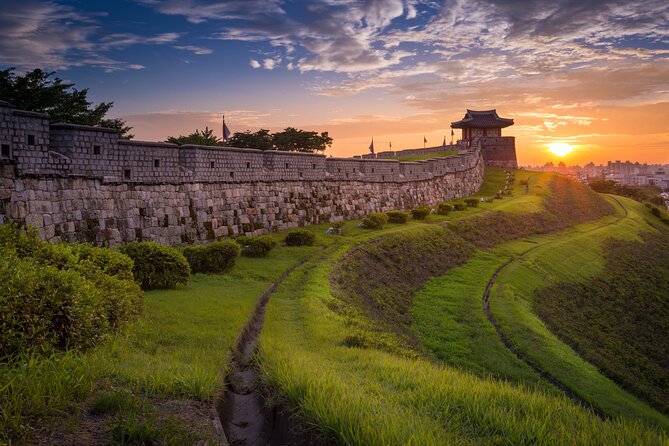
Even with a maximum of 100 travelers, the tour is structured so you’re not wandering solo across a huge site. In practice, guides often manage the group in a way that keeps questions possible and pacing comfortable.
That said, this is not a slow, lingering experience. It’s designed for a half-day window with clear time blocks:
- 1.5 hours at the fortress
- 30 minutes at the palace
So choose this tour if you like compact structure and want the learning from a guide. Choose something more open-ended if you want to spend hours on walls, museums, and optional performances without a clock.
About performances and what to expect at the end
Some days include a military-style presentation at the end, and it’s part of the fun for people who enjoy live reenactment energy. But the details can vary by day—for example, Mondays may have no performance.
Here’s the practical takeaway: if a show matters to you, ask your guide about the schedule for your specific day and try to time your arrival well when instructed. If there’s no show, you’ll still have fortress and palace moments to anchor the trip.
Should you book this Suwon Fortress and Haenggung Palace tour?
Book it if:
- you want UNESCO Hwaseong Fortress plus Hwaseong Haenggung Palace in one tight morning
- you value a guide who explains why gates and sections matter, not just what to photograph
- you’d rather handle transport than puzzle out transit on your own
- you want to be back in Myeong-dong so you can keep exploring in the afternoon
Skip it or consider another approach if:
- you hate any chance of waiting during the fortress flow
- you want a lot of free time for independent exploration and slower museum browsing
- you’re traveling on a day with severe weather risk and your plan can’t bend
Also, one quick check: hotel pickup is only for centrally located hotels. If your lodging is outside that area, you’ll meet near a nearest central hotel or a nearby subway station, and the tour ends in the Myeong-dong area. If that works for you, you’re in good shape.
If you’re weighing this against a self-guided option, think of it this way: you pay for the guide’s ability to make the fortress readable, and you pay to save time on transport. For many people, that trade is exactly right.
FAQ
What is included in the $48 tour price?
The price includes a professional guide, transport by air-conditioned coach or minivan, and admission tickets for both Hwaseong Fortress and Hwaseong Haenggung Palace. Meals and drinks are not included.
How long do you spend at each UNESCO site?
You’ll spend about 1 hour 30 minutes at Hwaseong Fortress and about 30 minutes at Hwaseong Haenggung Palace.
Where do I meet the tour, and where do I get dropped off?
The tour starts at Myeong-dong Station Exit 1061-7 (Chungmuro 2(i)-ga, Jung District, Seoul) at 8:20 am. It ends with drop-off in the Myeong-dong area.
Is hotel pickup included?
Hotel pickup is only available for centrally located Seoul hotels. If your hotel is elsewhere, the English-speaking guide will meet you in front of the nearest central hotel or the nearest subway station.
Does the tour stop at shopping centers?
No. This tour does not stop at shopping centers.
What happens if I need to cancel or if the tour is canceled due to low demand?
You can cancel up to 24 hours in advance for a full refund. If the tour is canceled after confirmation because there aren’t enough passengers, you’ll be offered an alternative or a full refund.