REVIEW · FOOD
Seoul: Namdaemun Market Food Tour
Book on GetYourGuide →Operated by Korea Guide Tour · Bookable on GetYourGuide
Namdaemun tastes like a lesson in real Seoul. This 150-minute food walk turns the city’s biggest traditional market into a clear, easy-to-follow route, with Food Alley tastings and Korean craft stops. My favorite part is how the guide keeps it simple and practical, but one thing to consider: weekend and holiday reservations can be tricky, and the tour can cancel if fewer than four people book.
Meet up is at Exit 5 of Hoehyun St., and you should arrive about 10 minutes early. You get an English-speaking guide, lunch plus snacks (and coffee or tea), and there is no mandatory shopping and no tipping required.
In This Review
- Key things I’d circle before you go
- Why Namdaemun Market is the right first stop
- Meeting Exit 5 and the 150-minute flow
- Four street-food tastings that set you up for the market
- Food Alley, Kalguksu Alley, and Galchi Jorim road
- Lunch plus snacks: how to eat without getting worn out
- Accessory Alley: shopping culture without the pressure
- Korean traditional crafts: what you should look for
- Price and value: does $71 make sense?
- Who this tour suits best
- Practical tips to get the most from the market walk
- Should you book the Namdaemun Market Food Tour?
Key things I’d circle before you go
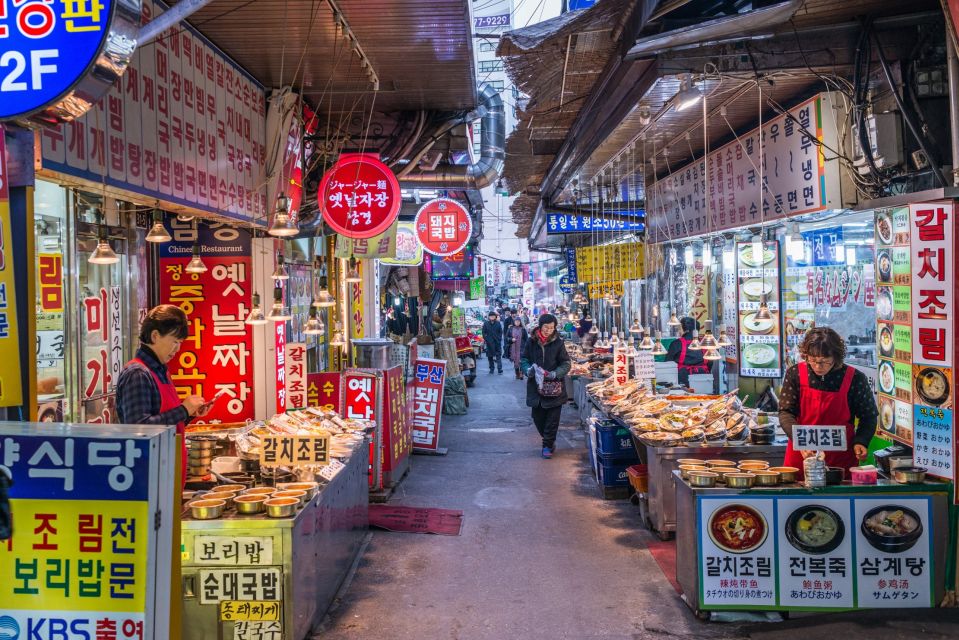
- Four planned street-food tastings: noodle soup, dumplings, twisted bread stick, and skewered fish cake
- Namdaemun’s best lanes: Food Alley, plus special streets tied to noodles and braised hairtail stew
- Accessory Alley + market wandering: browse without pressure and still feel like you know where you are
- Korean traditional crafts stop: you do not just eat, you also see making and design culture up close
- Small group of up to 10: easier questions, less waiting, and a calmer pace inside the crowds
Why Namdaemun Market is the right first stop
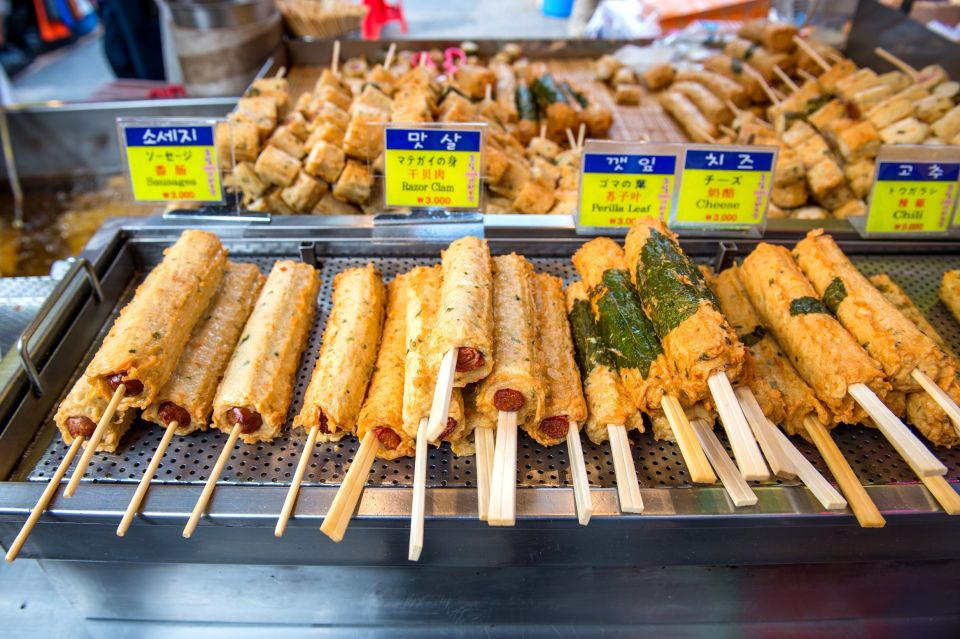
Namdaemun Market is the kind of place where it is easy to get swept up by smells, noise, and sheer scale. The practical value of a guided food tour here is that you do not have to guess where to start or which alley is worth your time. You get a route that focuses on the market’s recognizable food streets and signature items, then ties those dishes to how Seoul shops and eats day-to-day.
I also like that the tour does not pretend Namdaemun is only about eating. There is room for Korean culture through craft viewing, and that gives your food stops more meaning than just calories. If you enjoy markets but also like structure, this format fits.
The other good thing: the group stays small (up to 10). That matters in Namdaemun, because even with a plan, you still have to move through tight lanes, and you want your guide keeping everyone together.
You can also read our reviews of more food & drink experiences in Seoul
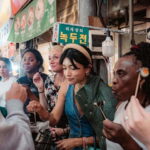
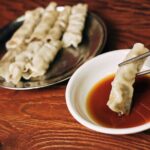
Meeting Exit 5 and the 150-minute flow
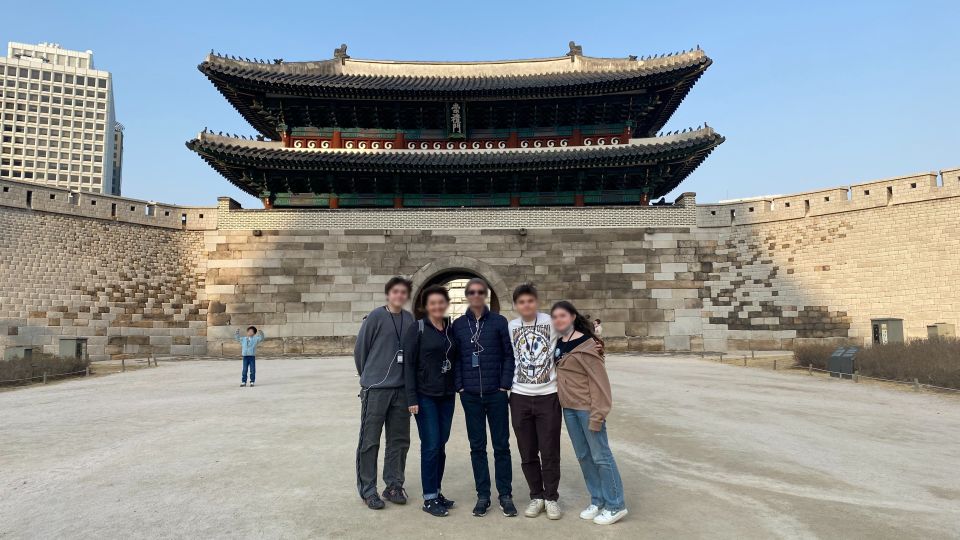
You meet at Exit 5 of Hoehyun St., and the operator sends you the exact meet time details by email or WhatsApp. I recommend you aim to arrive early because the market area can be busy, and you do not want to spend your first minutes searching.
The tour itself is 150 minutes, so it is long enough to eat a real variety but short enough to feel energy-light. You are not doing a half-day marathon. The guide builds momentum: tasting first, then walking through the market’s key streets, then finishing with the crafts side of the experience.
Because the tour runs with an English live guide, you should feel comfortable asking simple questions as you go. In past groups, guides such as Joy, Alan, Sheen, Sophie, Sally, and Soojin have been praised for clear English and for giving context beyond the food. The effect for you: you spend time learning without it turning into a lecture.
Four street-food tastings that set you up for the market
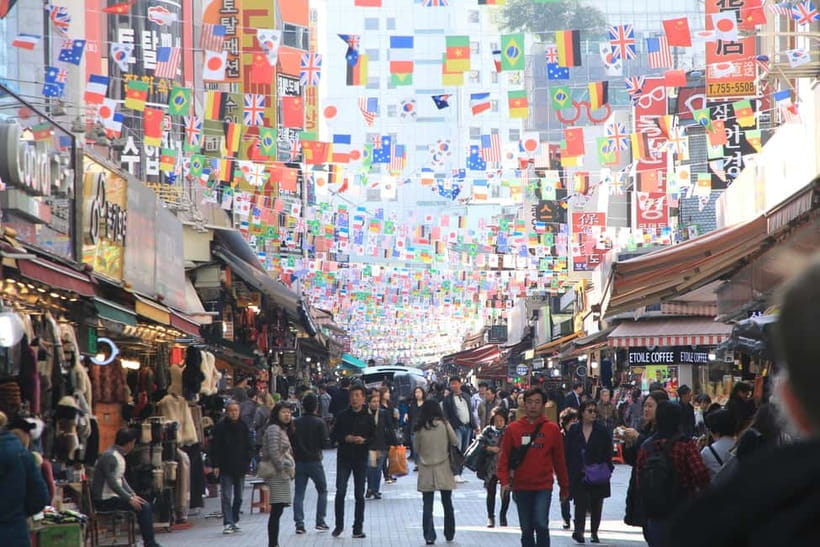
The tour starts with a street-food tasting at the meeting area area (the guide meets you at Exit 5). The planned lineup is straightforward and genuinely useful, because each item helps you read the market once you start walking.
Here is what you can expect to taste:
- Noodle soup
- Dumplings
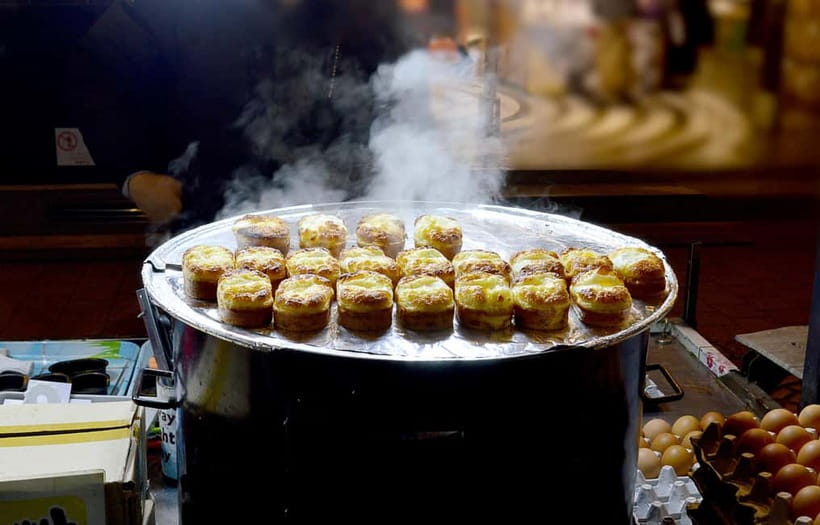
- Twisted bread stick
- Skewered fish cake
This sequence works well because it moves from warm and comforting (noodle soup) into dumpling-style bites, then a snacky bread texture, and finally something skewered and easy to continue eating on the move. You also get a built-in comparison set. After you taste these four, you will notice how stall styles differ in texture, seasoning style, and serving size as you continue deeper into the market.
One practical point: bring your appetite, but also be ready to take breaks. Namdaemun can feel packed, so if you start to get full early, tell your guide. The tour is designed for food pacing, and flexibility comes up in the experience style.
Food Alley, Kalguksu Alley, and Galchi Jorim road
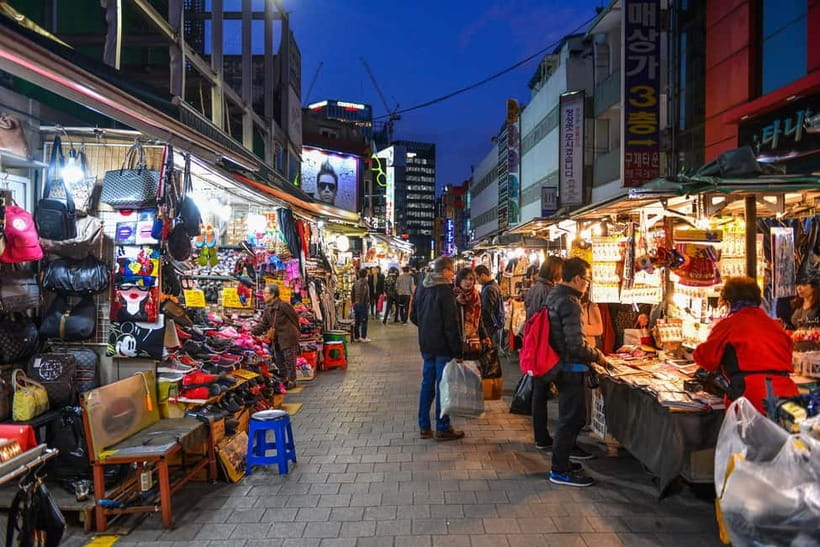
After the first bites, the route focuses on Food Alley and a few specialized stretches that make Namdaemun famous.
This is where the guided part really pays off. Left alone, you might wander through a tempting lane and miss the streets that concentrate the market’s signature specialties. With the guide, you get the short list first, then you decide how much extra exploring you want.
You will walk through areas that highlight:
- Classic Korean street-food staples in Foodie Alley
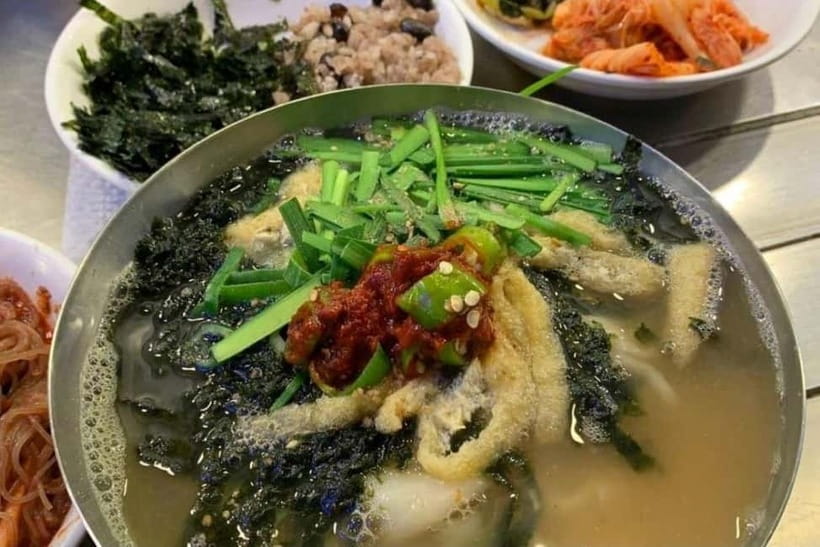
- Kalguksu Alley, where restaurants focus on hand-cut noodle dishes
- Galchi Jorim street, known for braised hairtail fish stew, a dish associated with the market
Even if you do not recognize every term, the guide does the translation on the spot: what the dish is, what makes it different, and how it fits into what the market is known for. For you, the value is confidence. You leave with a mental map of what Namdaemun does best, instead of just remembering that you ate a lot.
Also, these streets help you understand Korean food culture as a system. Markets are not only places to buy. They are places where particular kinds of food become identity. When you see noodle-focused lanes and stew-focused lanes grouped together, you start to understand why locals treat a market visit like a planned event.
Lunch plus snacks: how to eat without getting worn out
The tour includes lunch, plus snacks, and coffee or tea. That is not just generosity. It is part of why this tour works even if you have a tight itinerary.
If you are doing Seoul on a schedule, having food handled saves time and decision fatigue. The guide also controls the pacing so you are not scrambling to find the next meal while walking in crowded areas.
One thing to keep in mind: because lunch and snacks are included, this is not the best choice if you want to keep your day light. It is a food tour built around multiple tastings plus a full lunch stop. I suggest treating the rest of your day as recovery time—your feet will have done plenty of work.
You can also read our reviews of more tours and experiences in Seoul

Accessory Alley: shopping culture without the pressure
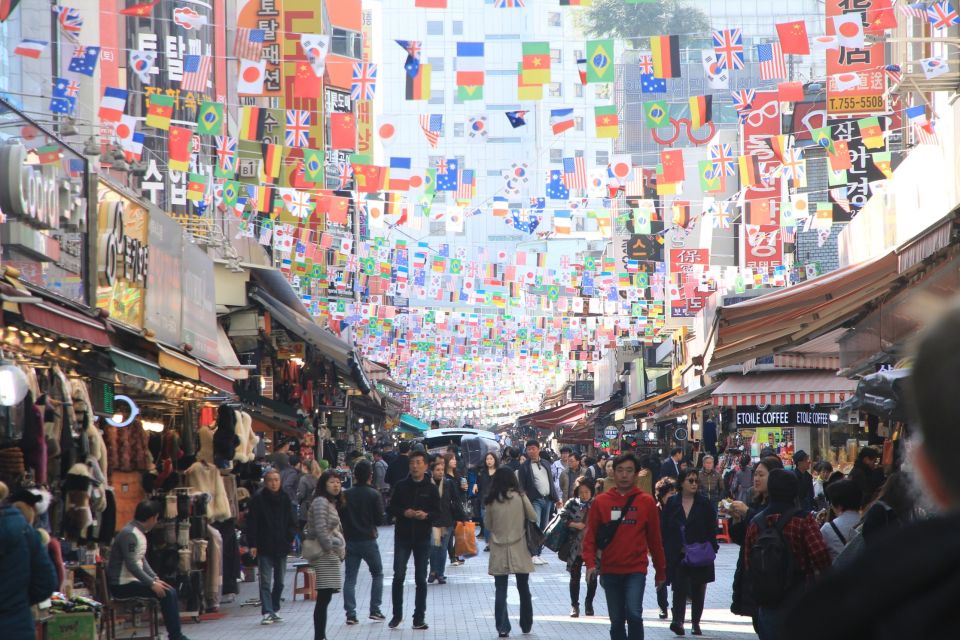
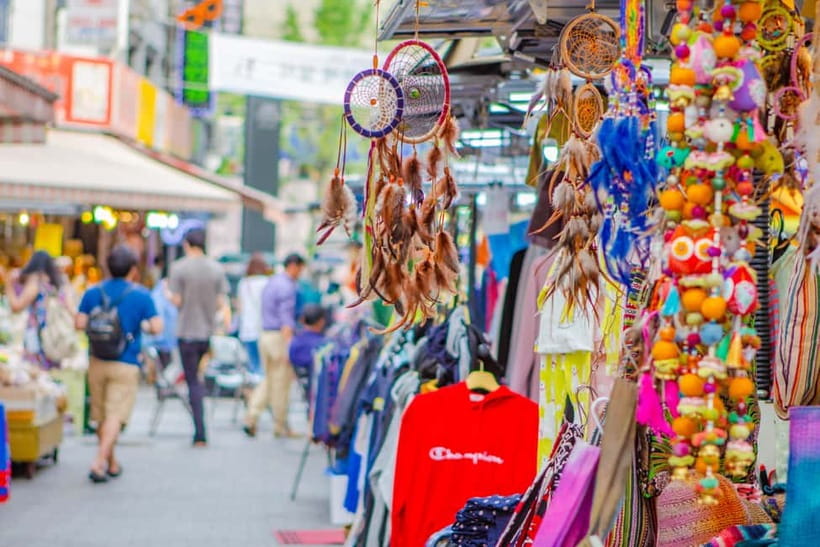
You also visit Accessory Alley, which changes the feel of the day. You go from eating lanes into a side where you can look at the kind of small goods people buy for everyday style, gifts, and personal touches.
The best part is the tour’s attitude: there is no mandatory shopping. That matters because Namdaemun includes lots of sellers and lots of temptation. A guide who keeps it optional helps you browse for what interests you instead of feeling pulled into purchases.
If you do want to buy something, this is also where a guide can help you navigate. In earlier experiences, guides have supported guests with practical tasks like helping with purchases and even assisting with haggling. So if you like markets but want a translator for the tricky parts, this stop gives you that help.
Even if you buy nothing, you will still come away with a better feel for what the market sells besides food. That broader view is one reason this tour does not feel like a one-note snack run.
Korean traditional crafts: what you should look for
The tour includes a stop to view Korean traditional crafts. This is one of the calmer parts of the route, and it changes the tone from street-food intensity into handwork and design.
I like craft stops because they connect everyday objects to culture. When you see making and materials, you start to understand why Korean markets feel different from markets that sell only imported items. You also get a break from constant motion, which helps you enjoy the rest of the day.
In a market tour, craft viewing can be short, but it gives you context. You go from eating items that show how Seoul tastes, to seeing items that show how Seoul makes.
Price and value: does $71 make sense?
At $71 per person for 150 minutes, this is priced like a real guided experience, not just a snack bundle. Here is why it can still feel like value:
- You get an English live guide for the full walk
- Food is built in: lunch, plus snacks and coffee or tea
- The tastings are planned: four specific street foods
- You are also getting non-food cultural value through craft viewing
- The group stays small (up to 10), which makes the experience easier and more personal
If you were to do Namdaemun on your own, you could save money on the guide. But you would also lose the route logic, the “what to try” shortlist, and the extra stops that you might not find fast—especially in dense markets with multiple specialties.
One practical reality: the tour may cancel on weekends and holidays if reservations cannot be confirmed, and it can cancel when fewer than four people book. That is the kind of thing that makes timing matter. If your dates are flexible, this tour is a strong pick. If your dates are locked to a weekend peak, plan to keep your expectations flexible too.
Who this tour suits best
This is a great fit if:
- You want to try multiple Korean street foods without building a plan from scratch
- You like markets but hate getting lost when you only have a short time
- You want food plus culture, not just a list of dishes
- You appreciate guides who can talk through history and daily life alongside what you are eating
It may be less ideal if:
- You do not want to eat a fairly full meal plus snacks
- You prefer shopping-heavy tours (this one is optional)
- You have trouble with walking through crowded market lanes
If you are someone who likes conversation, you will probably enjoy this. Many guides on this route have been singled out for friendly, flexible interaction and for tailoring the tasting choices to what the group wants.
Practical tips to get the most from the market walk
A food tour is only fun if you stay comfortable. Here are the moves that help most in a place like Namdaemun:
- Wear shoes you can handle in tight lanes. You will walk more than you expect.
- Go in with a light plan for the rest of the day. You will leave fed.
- Ask questions early. The guide can explain what you are seeing while it is fresh in front of you.
- If your food preferences are specific, speak up. The tour style supports adjustments when possible.
- If you see something you like in Accessory Alley, ask your guide how that stall usually handles purchasing and any helpful next steps.
The strongest tours here tend to feel like you are being shown a local route, not driven through a script.
Should you book the Namdaemun Market Food Tour?
If you want a reliable, time-efficient way to experience Seoul street food in the city’s biggest traditional market, I’d book it. The planned tastings, included lunch and drinks, and the small group pace make it feel structured without being rigid. The craft viewing and the specialized lanes (noodle-focused and stew-focused streets) also give you more than just food.
I would hold off only if your travel dates are fixed to a weekend or holiday and you cannot accept the possibility of the tour not confirming. Otherwise, this is one of those tours that helps you leave Namdaemun with both full stomach and a real sense of how the market works.
If you do book, send your guide a note about what you like. Then show up hungry, walk ready, and let the alley route do the heavy lifting.