REVIEW · K-POP & BTS TOURS
Seoul: K-pop Dance Class with a Professional in Hongdae
Book on GetYourGuide →Operated by 아나 댄스(ANA DANCE) · Bookable on GetYourGuide
K-pop class in Seoul sounds easy, until you try it in front of a camera. This one is built for real progress: you learn a full choreography, then you record a short short-form style video, edited for you, in the heart of Hongdae. With ANA teaching in English, the whole experience feels less like a demo and more like you’re getting coached into a performance.
What I like most is how the class stays practical for your level. Step-by-step teaching and constant encouragement make even awkward first attempts feel doable, and the short video gives you something you can actually share later. The other big win is the vibe in the studio: bright lighting, plenty of space, and (in the private option) a setup reserved for just your group, so you can focus.
One consideration: this is a 90-minute experience, so you’re not going to master an entire full-length choreography with endless repeats. If you’re already a very advanced dancer, you might want more time than the structured warm-up, learning, and filming blocks allow.
In This Review
- Key highlights worth planning around
- Entering Hongdae for a K-pop dance lesson
- Meet ANA: the pro behind the class and the teaching tone
- The 90-minute rhythm: warm-up, choreo practice, then your video shoot
- Private vs small join-in: choosing the right class size
- Studio setup: why lighting and space change everything
- What you actually learn: choreography breakdown that respects your level
- Why the video is more than a souvenir
- Price and value: what $55 includes (and why it adds up)
- What to bring, how to dress, and what to expect when you arrive
- Who this class is perfect for (and when to skip it)
- Should you book this Hongdae K-pop dance class in Seoul?
- FAQ
- How long is the K-pop dance class in Hongdae?
- Is the video included, and is it edited?
- Can I choose the song for a private class?
- Is the class suitable for beginners?
- What should I wear or bring?
- Is this class OK for young children?
Key highlights worth planning around
- Professional choreographer energy: ANA has worked with major K-pop names, and it shows in how she teaches.
- You leave with a finished video: your short choreography is filmed and edited for you.
- Private studio time (optional): reserve a studio exclusively for your group for a calmer, distraction-free session.
- Small-group coaching: the join-in option keeps group size intimate for feedback and questions.
- All levels welcome: beginners get enough repetition, while others can challenge themselves with the same choreography.
- Short, focused schedule: warm-up, choreo breakdown, then video shoot, all in 90 minutes.
Entering Hongdae for a K-pop dance lesson

Hongdae is where Seoul feels youthful and loud in the best way. You get street energy, music everywhere, and a neighborhood that makes it easy to lean into the K-pop mindset without overthinking it.
For this class, that location matters because it lowers the barrier to doing something spontaneous. You’re not commuting to a far-off studio and then feeling rushed. You can treat this like one fun, high-impact activity in the middle of a Seoul trip, then go back out to explore right after.
And yes, Hongdae is also the kind of place where you’ll see dancers and performers, so it feels natural to step into a dance studio and say, I want to learn this.
You can also read our reviews of more tours and experiences in Seoul



Meet ANA: the pro behind the class and the teaching tone
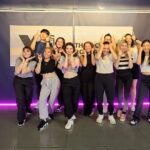
This class is led by ANA, a professional K-pop dancer and instructor with teaching experience in Korea and LA. She’s listed with work connected to groups like ATEEZ, BTS, and BoyNextDoor, plus experience connected to other major acts. That matters because choreography from industry professionals isn’t just about flashy moves; it’s about timing, angles, and how to make the dance look intentional.
Her teaching style is consistently described as patient and encouraging. People who feel uncoordinated at the start end up feeling confident by the end, largely because she doesn’t just say do it once. She breaks moves down, repeats until your body catches up, and keeps the mood positive when a section is tricky.
If you’re bringing a teenager or you’re traveling as a couple with different comfort levels, this matters even more. A good instructor helps each person feel like they belong in the room, not like they’re behind.
The 90-minute rhythm: warm-up, choreo practice, then your video shoot
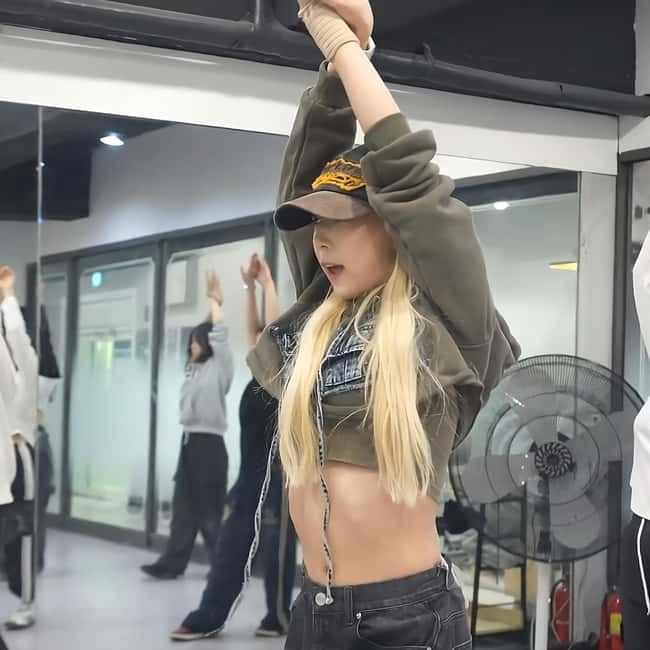
The schedule is structured, and that’s a good thing. You get a clear arc: body preparation first, choreography second, filming third.
Warm-up (15 minutes) is light stretching designed to connect you with the rhythm. It’s not a hard workout. It’s a practical reset so your joints feel ready for quick footwork and sharp arm lines.
Then comes the choreography section (60 minutes). The key is pacing: ANA teaches at a pace that lets beginners follow along, while still giving enough detail for dancers who pick things up faster. In practice, that looks like step-by-step breakdowns, then chaining steps together until the full flow starts to click.
Finally, the video shooting (15 minutes) turns what you learned into something real. You’re filmed while you perform your choreography, in a style meant for short-form sharing. And the best part is that you don’t just get raw footage. You get your video edited for you, which takes the pressure off editing skills and makes the result look like an actual K-pop-style clip.
Private vs small join-in: choosing the right class size
You basically have two paths here: private or small join-in.
In the private session, the studio is reserved exclusively for your group. That’s a big quality-of-life factor. You get fewer distractions, you can ask questions without worrying about holding up others, and your space feels like it’s truly yours for the session.
In the small join-in session, the group stays intimate (max 8). This is ideal if you want to learn alongside other people but still get personal feedback. You also tend to feel more comfortable asking the instructor questions, because you’re not swallowed by a huge class.
If you’re a total beginner, I’d lean private if you want maximum comfort and reassurance. If you’re a group of friends who enjoy a bit of shared energy, the small join-in option can be more social without losing the coaching focus.
Studio setup: why lighting and space change everything
Dance classes can feel awkward fast if the room is cramped or the mirrors don’t help. Here, the setup is described as spacious with cool lighting. That combination is more than aesthetic. It affects how you practice.
Spacious rooms help because K-pop choreography often includes bigger arm shapes and directional steps. If you don’t have enough space, you end up dancing at half speed, trying not to bump into anyone.
Lighting helps too. It makes your movement easier to see, and it supports the video shooting part so your recorded clip doesn’t feel like a compromise. In the private option, the reserved studio experience is often mentioned as making people feel like real performers rather than workshop participants.




What you actually learn: choreography breakdown that respects your level
A lot of dance classes promise all levels, then deliver a frantic “try it now” moment. This one is built around authentic choreography taught at your pace.
That means you don’t just learn a sequence. You learn how to make the moves readable: how to place your weight, how to hit transitions, and how to keep your upper body lines consistent.
In the most positive experiences, the instructor doesn’t treat beginners like they’re stuck with a watered-down version. Instead, she teaches the actual choreography, then makes it manageable through repetition and clear breakdowns. People also describe requesting a specific song beforehand, and then learning choreography tied to that selection in a way that still feels structured and achievable.
So if you’re a K-pop fan who wants to dance to a track you care about, this format supports that goal rather than swapping your preferences for something generic.
Why the video is more than a souvenir
A short edited video is not just a nice extra. It changes how you learn.
When you know you’ll be filmed, you tend to pay attention to details: timing, clean angles, and finishing moves instead of stopping halfway through a section. It also pushes you to “perform” rather than just “practice.”
The editing part is the real value kicker. You’re not wrestling with exporting, captions, color correction, or trimming. You walk away with a shareable clip that matches the K-pop vibe you came for. Multiple people highlight that the video becomes a trip highlight because it captures the moment you finally got the routine to feel like yours.
If you’re the type who takes photos and videos anyway, this is one of the few activities that turns effort into something polished without extra work from you.
Price and value: what $55 includes (and why it adds up)
At $55 per person for 90 minutes, the headline price is straightforward. The better question is what you get for that money.
You’re paying for:
- An English-speaking professional instructor
- Structured coaching (warm-up + choreography breakdown)
- Video shooting and editing for your short-form clip
- Options for private or small join-in formats
Most entertainment activities in Seoul cost less than this but don’t leave you with a tangible output. Here, the deliverable is a video edited for you, plus the skill of learning a routine to music in a real studio setting.
If you’re traveling with someone and you can do a private session, the value can jump because the studio reservation makes the experience feel more personal and less rushed. If you’re solo, the join-in option can still deliver because the coaching is designed around a small group ceiling.
In plain terms: if your goal is a fun Seoul memory that actually shows what you did, this price feels fair.
What to bring, how to dress, and what to expect when you arrive
Keep it simple. Bring water, and wear casual clothing. You want clothes that let you move freely and show your lines without restricting your shoulders, elbows, or knees.
Shoes can be tricky for dance—this info isn’t specified, so I’d treat casual athletic footwear as the safest choice based on what you normally dance in. The key is comfort and grip, especially once you’re doing faster steps and directional changes.
As for arrival, the meeting point may vary depending on which option you book. That’s not unusual, but it’s still worth planning a buffer so you don’t feel rushed finding the studio.
Who this class is perfect for (and when to skip it)
This is a great fit if you want one of those “I did something active and memorable” experiences that doesn’t require years of training.
It’s especially good for:
- Beginners who want step-by-step help and encouragement
- K-pop fans who want to dance to choreography from songs they recognize
- Teens (one experience notes a 13-year-old taking a private class successfully)
- Groups choosing between private comfort and small-group energy
It might not be ideal if:
- You’re looking for hours of drill and technical correction beyond a single routine
- You’re expecting a full rehearsal process like a professional shooting day
- You’re traveling with very young children, because it’s not suitable for children under 6
Should you book this Hongdae K-pop dance class in Seoul?
I’d book it if you want a fun, structured session where you can learn real choreography, get coached without feeling judged, and leave with a short edited video you can actually share. The combination of professional instruction and the filming component makes it more memorable than a typical “watch and try” activity.
I’d think twice if you’re extremely advanced and want long-form training, because this is designed as a tight 90-minute experience. Also, plan around the fact that you’ll get one routine experience, not a full multi-song training camp.
If your Seoul trip has a slot for something playful and performance-focused, this one is an easy yes.
FAQ
How long is the K-pop dance class in Hongdae?
The total experience time is 90 minutes, split into a warm-up, learning the choreography, and a short video shooting period.
Is the video included, and is it edited?
Yes. You get video shooting and editing included, and you receive your own short-form dance video.
Can I choose the song for a private class?
For the private session, you can choose any song, and the studio is reserved exclusively for your group.
Is the class suitable for beginners?
Yes. The class is designed for all skill levels, including complete beginners, with step-by-step teaching and repetition.
What should I wear or bring?
Wear casual clothing and bring water.
Is this class OK for young children?
It is not suitable for children under 6 years old.