REVIEW · DMZ TOURS
Insightful DMZ Tour by Expert opt. Suspension Bridge with Pickup
Book on Viator →Operated by Here Korea Travel · Bookable on Viator
Two countries, one highly controlled day. This guided DMZ trip is built around real access: the Third Tunnel and binocular viewing at Dora Observatory. I also like how the day is explained by guides such as Joo-ee and Vincent, with clear, fluent English and tight timing. One heads-up: it’s not a stroll—expect steep ramps, a low tunnel ceiling (about 5 feet), and lots of walking.
You’ll get picked up in central Seoul (pickup is optional), ride in an air-conditioned van, and be dropped back at areas like Hongdae, Myeongdong, Gwangjang Market, or Dongdaemun. You’ll also need a current valid passport, because entry into these sites is tied to identity checks.
In This Review
- Key Points That Make This DMZ Tour Worth Your Time
- Getting Into the DMZ from Seoul: Pickup, Duration, and Ticket Timing
- Imjingak Peace Park: Where the Day Starts and the Story Gets Real
- Walking Into the DMZ: The Controlled “How Close Can We Get?” Moment
- Third Tunnel: What It’s Like to Go Underground (and How to Prepare)
- Dora Observatory: Binocular Viewing Over North Korea
- Mangbaedan and Bridge of Freedom: The Human Side of Division
- Optional Gamaksan Chulleong Suspension Bridge: A Scenic Bonus with a Reality Check
- Tongilchon-gil, Markets, and Seoul Drop-Offs: How the Day Stays Practical
- Price and Value: Why $53 Can Make Sense for DMZ Access
- Who Should Book This DMZ Tour (and Who Should Think Twice)
- Should You Book This DMZ Tour?
- FAQ
- How long does the DMZ tour take?
- Is hotel pickup included?
- Do I need a passport?
- Where do I get the DMZ tour tickets?
- Which DMZ sites are included?
- Is the Gamaksan Suspension Bridge included?
- Are binoculars provided?
- How strenuous is the Third Tunnel?
- Where will I be dropped off in Seoul?
- What if the weather is poor or I need to cancel?
Key Points That Make This DMZ Tour Worth Your Time
- Small-group structure (up to 40 people) helps viewing feel less chaotic.
- Guides with excellent English explain both the past and the current tension, stop by stop.
- Third Tunnel is the physical challenge: going in is manageable, but getting back up takes effort.
- Dora Observatory offers two ways to look: naked-eye viewing plus binocular support.
- Optional Gamaksan Chulleong Bridge adds big scenery time if weather cooperates.
- You finish with Seoul food and shopping drop-offs, so the day doesn’t end on an empty stomach.
Getting Into the DMZ from Seoul: Pickup, Duration, and Ticket Timing
This is a full-day DMZ experience that runs about 6 to 10 hours, and it feels like one clear reason: getting you to places you can’t just wander into on your own. You’ll travel from Seoul in an air-conditioned vehicle, and hotel pickup is optional—you’ll want to confirm your pickup time by message.
You’ll also use a mobile ticket, but there’s still a key check-in moment: you stop at the Imjingak Tourist Information Center for DMZ tour tickets. Plan for your day to be paced by the schedule of the sites, not by your own sense of time.
A final practical note: the tour requires a current valid passport on the day of travel. Bring it in the same place you’ll reach fast—this kind of day can turn stressful if you’re rummaging at the wrong moment.
You can also read our reviews of more tours and experiences in Seoul.

Imjingak Peace Park: Where the Day Starts and the Story Gets Real
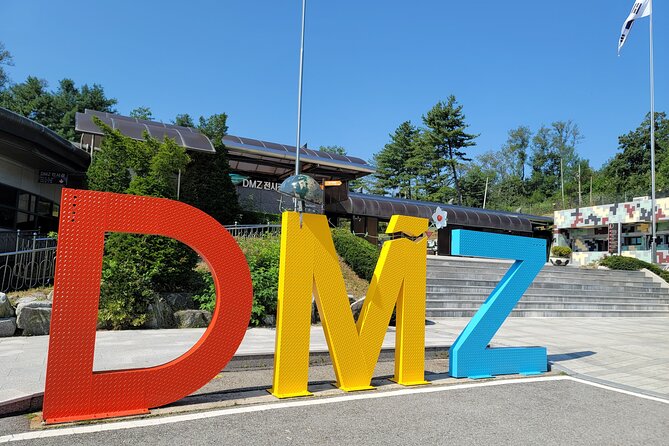
Imjingak is your first “okay, this is serious” checkpoint. You’ll spend about 30 minutes at the Imjingak Tourist Information Center area, and it’s not just paperwork. This is where you can see the derailed locomotive from the Korean War era, and it’s also a place tied to the Bridge of No Return—a point associated with prisoner exchanges.
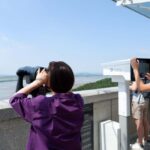
If you have time to look around, the park gives you physical landmarks that match what your guide is explaining. You may also have a chance to go up to the top of a building for views over the area.
One more tip: if you have a short wait while you’re there, it can be worth checking out the North Korea Experience shop on the lower level of the viewing platform. Some visitors use that time to pick up small items like North Korean currency and stamps sold near the Truman memorial area, and people also note a local soy ice cream treat in the area.
The big value of Imjingak is that it sets context before you move into the restricted zone. Instead of treating the DMZ like a movie set, you get the names, the locations, and the human impact.
Walking Into the DMZ: The Controlled “How Close Can We Get?” Moment
Once you’re through the formal entry points, the day shifts into “watch, listen, and follow directions” mode. This part of the experience focuses on major DMZ sites with a guide, including the Third Tunnel, Dora Observatory, and Unification Village.
You’ll also get the chance to walk under the demilitarized zone as part of the visit. That’s one of those details that sounds simple, but it hits harder because you’re not just reading about borders—you’re standing in the geography that keeps them locked.
Expect about two hours at the DMZ area, where the guide’s job is to explain what you’re seeing and what it means—especially around the political situation on the peninsula. This is also where having binoculars matters. Many people rely on the tour’s included optical support to make distant details usable.
Third Tunnel: What It’s Like to Go Underground (and How to Prepare)
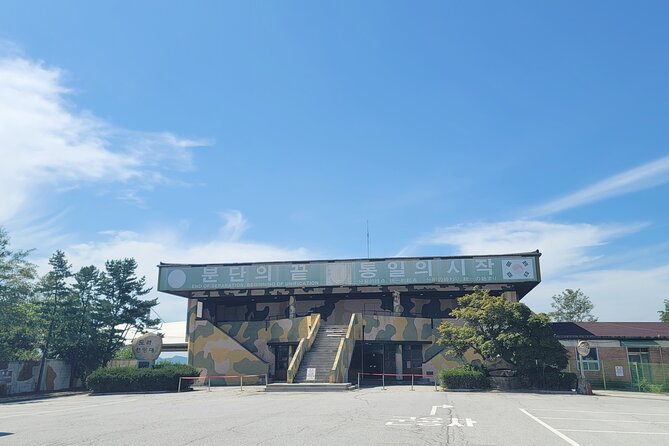
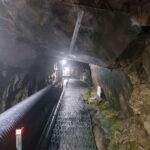
The Third Tunnel is the part of the day you’ll remember after everything else fades. You’ll spend about one hour here, and yes—you can actually go inside. That’s the main draw: you’re not just looking at an observation point; you’re entering the physical space built for infiltration.
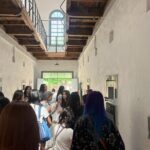
The tunnel experience comes with real movement constraints. A common theme from visitors is how steep the ramps are and how tough the tunnel walk can be because the tunnel height is around 5 feet. Getting down and back up takes effort, and some people end up walking bent over or doing a kind of squat-step to stay comfortable.
If you want this stop to feel doable, pack like it’s a work-out day:
- Wear comfortable shoes with solid grip.
- Take your time on the ramps.
- Don’t rush the climb out—pace matters because the return is where fatigue shows up.
If you’re traveling with seniors or anyone with limited mobility, this tunnel is the most obvious “consideration” on the whole itinerary. It’s not a deal-breaker for everyone, but you should plan honestly.
Dora Observatory: Binocular Viewing Over North Korea
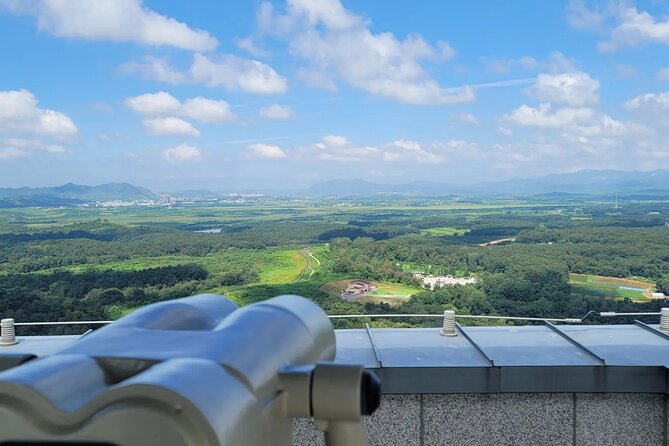
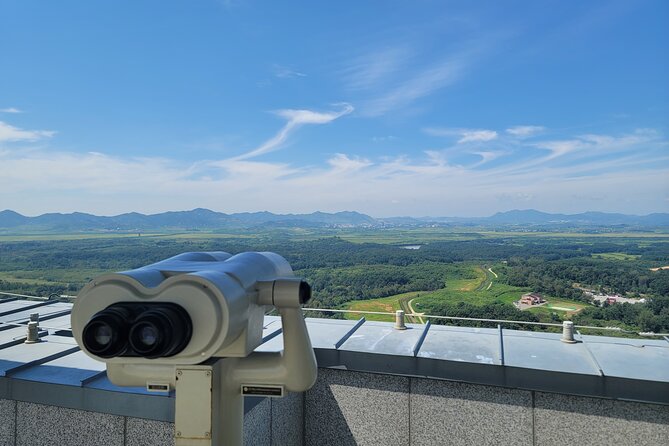
Dora Observatory is the payoff for your eyes. You’ll spend about 30 minutes at the observatory area, and you can see North Korea with your naked eyes, then use binoculars for more detail.
Many visitors rate this stop highly because it turns abstract politics into something visual. Your guide helps you connect what you’re looking at to places like Gaeseong (described as the 3rd biggest city in North Korea in the tour description). The guide may also point out what you might expect to see in the distance, and the included optical support helps you make sense of it.
This is also a place where your guide’s delivery matters. Several guides in past groups—like Joo-ee and Vincent—are praised for explaining clearly and keeping the group focused on what’s visible right now, not just what’s historically true.
One practical tip: treat your time here like a photos and details window. Don’t waste the first few minutes figuring out how to use the binoculars.



Mangbaedan and Bridge of Freedom: The Human Side of Division
After you’ve handled the physical challenge of the tunnel and the visual challenge of distant viewing, the day gets emotional in the best way. You’ll stop at Mangbaedan, where the focus is on divided families—people who, after the Korean War, come to visit and see their missing hometowns.
It’s a short stop (about 10 minutes), but it matters because it shifts the conversation away from strategy and back to people. You’re reminded that the DMZ isn’t only about lines on maps—it’s about lives split by those lines.
Then you’ll visit the Bridge of Freedom area, which is part of Imjingak before you move deeper into the controlled zones. Your guide explains the history and significance while you look around the park area first. The timing is brief (about 5 minutes), but it works well as a reset: you’ve seen tunnels and distance, now you return to a place built around memory and exchange.
Optional Gamaksan Chulleong Suspension Bridge: A Scenic Bonus with a Reality Check
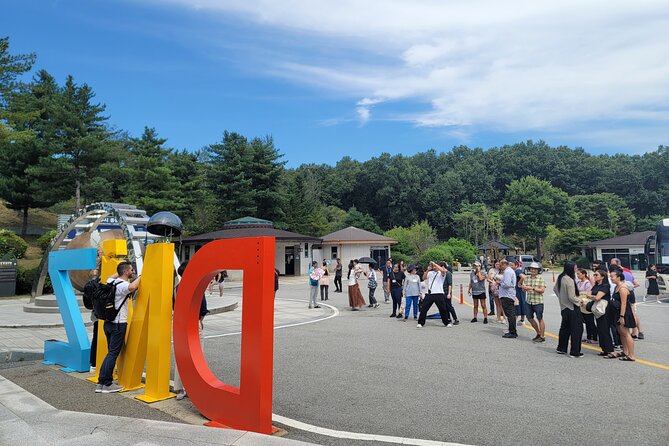
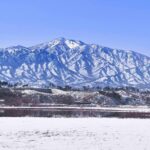
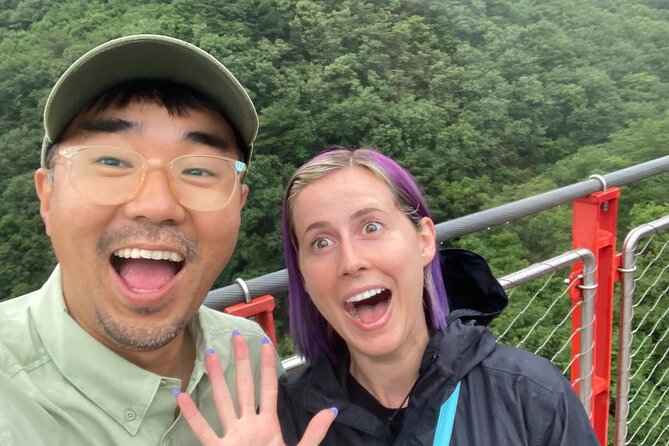
Here’s the deal with the Gamaksan Chulleong Suspension Bridge stop: it’s optional. When you choose the DMZ + suspension bridge version, you add about 50 minutes at the bridge, typically at Mt. Gamaksan.
The bridge is described as a suspension bridge in a forest setting, and it also has historical weight as a battle area during the Korean War. Many people love this as a change of pace—after the DMZ’s intensity, you get a chance to breathe and look at scenery.
But it comes with effort. One common caution is that reaching and climbing around the bridge can be steep and requires solid footing. If you’re thinking about this stop, go in expecting it to be active, not just scenic.
Also, plan for weather. The experience requires good weather, and the bridge option is especially sensitive to rain or low visibility. If the weather goes sideways, don’t assume every optional outdoor segment will happen.
Tongilchon-gil, Markets, and Seoul Drop-Offs: How the Day Stays Practical
Not every DMZ tour ends with a mess of logistics, but this one builds in recovery time. You’ll stop at Tongilchon-gil, described as an actual village in the Civilian Control Zone where locals live. The time here is around 15 minutes, and it’s a rest moment before returning by a government-run coach to the Imjingak area.
There’s also time for shopping and food breaks. One of the stops includes a local street-food market with over 120 street food choices, which is a nice contrast to the controlled DMZ feeling. It’s also a helpful way to handle the day’s energy needs—people specifically note that you may want to pick up food from convenience stores so you’re not hungry during walking stretches.
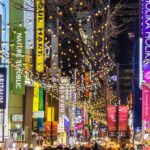
At the end, you’ll be dropped off in popular Seoul neighborhoods. Depending on your route, that includes Hongdae, Myeongdong, Gwangjang Market, or Dongdaemun. If you get Dongdaemun area, the information given suggests you can walk near Dongdaemun Gate and the ancient wall, and you can also connect with shopping around the DDP area.
This matters because it turns the day into a complete plan. You get the historic DMZ portion, then you’re back in a part of Seoul where you can actually eat and decompress.
Price and Value: Why $53 Can Make Sense for DMZ Access
At $53 per person, the value is strong if your goal is access and explanation. You’re paying for:
- entry into DMZ sites (DMZ entrance fee is included),
- an experienced guide with English explanations,
- transport in an air-conditioned vehicle,
- included optical support like monocular or binocular rentals,
- and centrally located drop-offs in Seoul.
The cost starts to make more sense when you compare it to the hassle of arranging official-style access on your own and then trying to connect dots across multiple sites. This tour is structured so you’re not spending half your day trying to figure out where to go and what you’re allowed to do.
You’re also getting guide-driven context. Multiple guides referenced in past groups—like Joo-ee, Vincent, Jung, Jake, Jones, and Jeannie—are praised for explaining history and keeping the day organized. That guide quality can turn a difficult day into a meaningful one, instead of just a box-checking exercise.
Who Should Book This DMZ Tour (and Who Should Think Twice)
This DMZ experience fits you well if:
- you want a guided day to major DMZ checkpoints you can’t easily manage alone,
- you enjoy history and want a clear explanation of the current political situation,
- you’re okay with a strenuous day that includes steep ramps and the Third Tunnel walk.
It’s a tougher match if you:
- have mobility issues or struggle with stairs and inclines,
- are traveling with someone who can’t handle uneven movement in a low-ceiling tunnel,
- expect a relaxed “sit and view” outing.
Comfort factor is mostly about preparation. Wear good shoes. Don’t treat the tunnel like a casual stop.
Should You Book This DMZ Tour?
If your priority is DMZ access with a strong English guide, this is an easy yes. The mix of major sites—Imjingak Peace Park, Third Tunnel, Dora Observatory, and the emotional stops tied to divided families—adds up to a full understanding of what this border means.
Book it now if you want a guided day with smart pacing, included optical gear, and a clear finish back in Seoul for food and shopping. Skip or reconsider the suspension bridge option if you don’t like heights or you know your group struggles with steep walks, and plan for the tunnel to be the hardest part of the day.
Bottom line: this tour rewards effort. If you can handle that, you’ll leave with a sharper sense of Korea’s past and its tense present.
FAQ
How long does the DMZ tour take?
It’s listed as about 6 to 10 hours. Exact timing can vary with the day’s schedule and conditions.
Is hotel pickup included?
Hotel pickup is optional. You’ll need to check the Viator message for hotel pickup time information.
Do I need a passport?
Yes. A current valid passport is required on the day of travel.
Where do I get the DMZ tour tickets?
You’ll stop at the Imjingak Tourist Information Center. That’s where you need to stop for DMZ tour tickets.
Which DMZ sites are included?
The tour includes stops such as Imjingak Peace Park, the Third Tunnel, Dora Observatory, and other key DMZ-related areas like Mangbaedan and the Bridge of Freedom.
Is the Gamaksan Suspension Bridge included?
The Gamaksan Chulleong Bridge stop is optional. It’s included when you choose the DMZ version that adds the suspension bridge.
Are binoculars provided?
Yes. There is free rental of monocular or binoculars.
How strenuous is the Third Tunnel?
It can be challenging. The tunnel involves going down and coming back up, and the tunnel is low (around 5 feet tall), so expect crouching or walking bent over.
Where will I be dropped off in Seoul?
Common drop-offs listed include Hongdae, Myeongdong, Gwangjang market, and Dongdaemun.
What if the weather is poor or I need to cancel?
The experience requires good weather. If it’s canceled due to poor weather, you’ll be offered a different date or a full refund. For cancellations, you can cancel up to 24 hours in advance for a full refund.