REVIEW · COOKING CLASSES
Yun Korean Cooking Class in Seoul
Book on Viator →Operated by Yun's K-food Lab · Bookable on Viator
Your next Seoul meal has a hands-on recipe. In this Korean cooking class in Seoul, Chef Yun guides you step-by-step to make traditional dishes, while sharing the stories and health angles behind the food. You’ll also get to wear hanbok, so the experience is practical and photo-friendly, not just classroom talk.
I love that the recipes are simple enough to recreate at home, which is the difference between a fun night out and a skill you keep. And it’s not just eat-what-they-serve: you cook your own dishes, then you can try other dishes they prepare too, which makes the meal feel like a mini feast without feeling rushed.
One thing to plan around: this runs only in the evening, Tuesday through Sunday, with a set window from 4:30 PM to 7:00 PM. If you’re staying far from the Gangseo-gu area, you’ll want to factor in travel time to the meeting point at 771-3 Magok-dong.
In This Review
- Key highlights I think are worth your time
- Chef Yun’s Seoul kitchen: what you actually do
- A simple promise: recipes you can repeat
- Wearing hanbok in Gangseo-gu: small cultural moment, big payoff
- Practical tip for your photos
- What you’ll eat: you cook, then you taste the best parts
- Why trying extra dishes is actually valuable
- Price and logistics: is $86 worth it?
- One caution on timing
- Where it starts: the Magok-dong meeting point and getting there
- My practical advice
- The real itinerary flow: how the evening likely unfolds
- 1) Arrival, welcome, and getting oriented
- 2) Cooking steps with direct guidance
- 3) Hanbok and the cultural side of the evening
- 4) Eating: your food plus extra dishes
- 5) Wrap-up back at the meeting point
- Who this cooking class is best for
- It’s especially good for
- It may not be ideal for
- Should you book Yun Korean Cooking Class in Seoul?
- FAQ
- FAQ
- What is the duration of Yun Korean Cooking Class in Seoul?
- Where does the class meet in Seoul?
- Does the tour offer pickup?
- What is the price per person?
- Is it a private experience?
- What days and time does it run?
- What is the cancellation policy?
Key highlights I think are worth your time
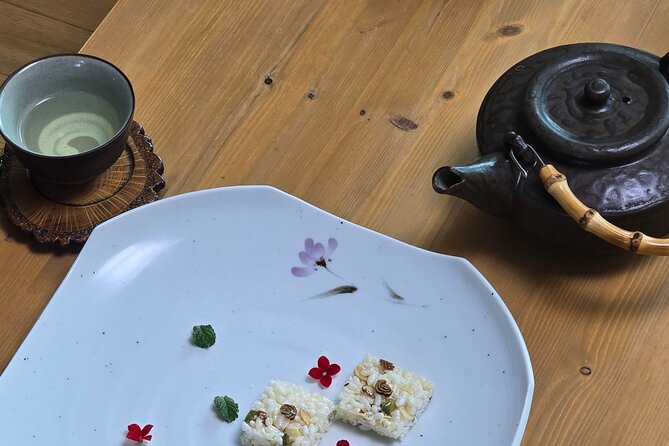
- Step-by-step Korean cooking with Chef Yun so you’re not just watching
- Hanbok time for culture, photos, and a fun change of pace
- Cook-and-eat format: you make the dishes and get to taste what you make
- More than your own plate with additional dishes to try
- Private group experience so the class stays focused on your pace
- Evening schedule (4:30–7:00 PM) that can be great for food lovers, but limits flexibility
Chef Yun’s Seoul kitchen: what you actually do
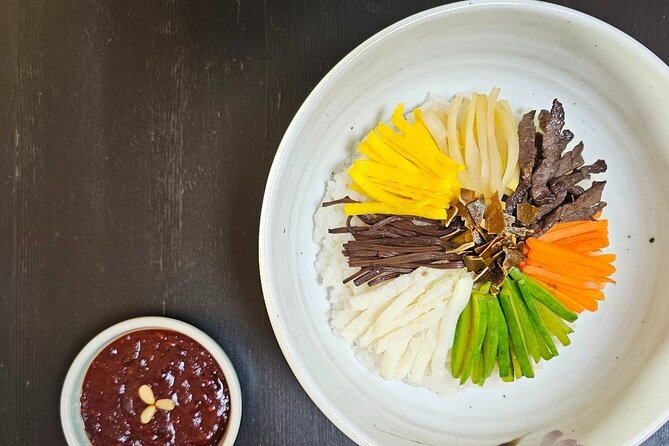
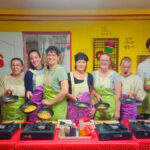
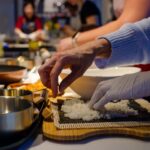
This is a hands-on Korean cooking class in Seoul built around active learning. You’re not standing in the back with a clipboard. The format is straightforward: Chef Yun walks you through the process, then you do the steps, ingredient by ingredient. The goal is clear—make traditional dishes you can understand, not just copy.
Chef Yun’s focus also goes beyond flavor. The class aims to explain the culture and traditions behind Korean food, plus the health benefits tied to the ingredients and cooking style. That matters because Korean cooking isn’t only about bold taste; it’s also about balance—fresh elements, fermentation flavors, and the way dishes are assembled so you don’t feel like you’re eating one note.
Since this is a private tour/activity, you’re not competing with a large crowd for attention. That usually translates into quicker help when something feels confusing—especially when it comes to things like sauces, seasoning levels, or timing. If you’ve ever cooked at home and wondered why your dish didn’t match a restaurant taste, this kind of guided process is exactly what helps.
You can also read our reviews of more cooking classes in Seoul
A simple promise: recipes you can repeat
One of the most praised parts is that the recipes feel doable. That shows up in two ways. First, the class moves in a way that results in you finishing the dishes. Second, what you take home is structured enough to re-create later, not just a list of ingredients you have to guess from.
If you’re the type who loves learning a few reliable dishes rather than collecting 20 complicated recipes, you’ll probably appreciate that approach. It turns the class into an ongoing benefit, not a one-night event.
Wearing hanbok in Gangseo-gu: small cultural moment, big payoff
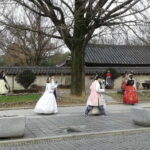
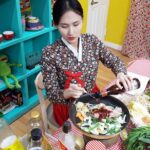
A lot of cooking classes include photos of food. This one adds something different: you get to wear hanbok, Korea’s traditional clothing. Even if you’re not a costume person, it changes the rhythm of the evening. You’re not only cooking—you’re stepping into the cultural theme of the meal.
Hanbok time also makes the experience feel more complete. It’s not just Korean food as a trend; it’s Korean food as lived culture. You’ll likely find it useful if you’re traveling with friends who enjoy variety—one part culinary, one part cultural.
Practical tip for your photos
Since this is a scheduled activity in the evening, plan for indoor lighting. You’ll get the moments for photos, but don’t expect outdoor golden-hour shots. If you’re bringing a camera, keep it simple: phone + clean framing usually works best in a kitchen setting.
What you’ll eat: you cook, then you taste the best parts
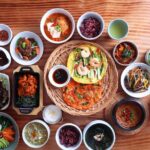
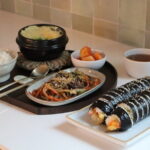
The meal is the point, and this class handles it well. You’ll prepare traditional dishes, then you eat what you make. That’s key: tasting your own cooking closes the loop. You can immediately connect instruction to outcome, and you’ll know what to adjust next time.
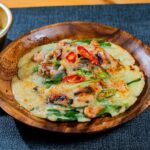
You also get more than just your own final plate. The class includes additional dishes to try, so you’re sampling multiple flavors and textures in the same sitting. That makes the meal feel richer without turning the experience into a long buffet line.
From the reviews’ tone, the setting feels personal—described as a lovely home. That kind of environment matters in cooking classes. When the space feels welcoming, you’re more likely to ask questions and stay comfortable while you learn.
You can also read our reviews of more tours and experiences in Seoul

Why trying extra dishes is actually valuable
If you only ate what you cooked, you might leave with one clear takeaway. But tasting other dishes helps you understand how the same ingredient themes play out across different plates. It also shows you what your instructor considers the best flavors to aim for—useful if you want to reproduce the results at home later.
Price and logistics: is $86 worth it?
At $86.00 per person for about 2 hours 30 minutes, the value depends on what you want from the evening.
Here’s what you’re paying for, in practical terms:
- Hands-on instruction with Chef Yun (not a passive demo)
- Cooking plus the meal you make
- Hanbok included as part of the experience
- Private format, meaning only your group participates
- Evening scheduling that pairs well with planning a food-focused night in Seoul
If you compare this to a standard market tour plus a sit-down meal, this tends to win for people who like learning. A restaurant gives you flavor. A cooking class gives you method.
The private group angle is important too. Even if you’re traveling solo, private classes often feel less like a production and more like a guided session. That can justify the price when you want clear explanations and help.
One caution on timing
Because it runs from 4:30 PM to 7:00 PM (Tuesday through Sunday), it can crowd out other plans—especially if you like starting dinner late. If you’re also juggling museum visits or long transit rides, keep your schedule realistic for the Gangseo-gu meeting point.
Where it starts: the Magok-dong meeting point and getting there
The meeting point is at 771-3 Magok-dong, Gangseo-gu, Seoul, South Korea, and the activity ends back at the same spot. Pickup is offered, which helps if you don’t want to coordinate transit in the evening.
It’s also listed as near public transportation, which matters in Seoul where getting around is usually doable—but not always straightforward depending on your hotel location. If you’re staying in central Seoul, it’s worth confirming your route in advance so you don’t arrive flustered.
My practical advice
If pickup is available to your booking, consider using it. The timing is tight, and cooking classes reward being relaxed. If you’re taking public transit, build in a small buffer. Evening schedules mean trains can get busier, and you’ll want time to find the exact area confidently.
The real itinerary flow: how the evening likely unfolds
Even without a posted, minute-by-minute schedule, the structure is clear from what the experience is designed to deliver.
1) Arrival, welcome, and getting oriented
You’ll meet at the address in Magok-dong. From there, Chef Yun sets the tone and explains what you’ll be making. Expect a step-by-step approach right from the beginning, since the class is about participation.
2) Cooking steps with direct guidance
This is where the class earns its money. The instruction is designed so you can actually complete the dishes. You’ll work through the core techniques and seasoning choices as you go, with guidance to help you avoid the common home-cooking missteps.
3) Hanbok and the cultural side of the evening
At some point, you’ll switch gears for hanbok. This is one of the most memorable parts because it breaks up a purely kitchen-focused experience. It’s also a nice way to slow down and enjoy the atmosphere, not just sprint through recipes.
4) Eating: your food plus extra dishes
Then comes the meal: you eat what you cooked, and you’ll also have other dishes to try. This is where you get the most satisfaction. You can compare your plate to the additional dishes and learn what flavors or textures create the Korean balance you’re aiming for.
5) Wrap-up back at the meeting point
The experience ends where it starts. You’ll leave with the recipes and a clear understanding of how to recreate the dishes at home—especially since the class is praised for being approachable.
Who this cooking class is best for
This class is a strong fit if you want a Korean cooking experience that’s:
- Hands-on, not just observation
- Private and focused on your group’s pace
- Practical enough that you can cook again later
- Includes a cultural element (hanbok) beyond the kitchen
It’s especially good for
- Food-first travelers who love learning technique
- Couples or small groups who want a shared activity with payoff
- People who like guided experiences but still want to feel independent afterward (recipes included)
It may not be ideal for
- Travelers who hate fixed schedules. This one is tied to the evening window.
- Anyone who only wants outdoor sightseeing or large-city landmarks. This experience centers on food and culture through cooking.
Should you book Yun Korean Cooking Class in Seoul?
I’d book it if you want a Korean cooking class that feels doable and rewarding. The biggest strengths—simple recipes you can repeat at home, cooking your own dishes, and the chance to try extra plates—add up to an experience with real follow-through. Add hanbok and a private setting, and it becomes more than just a meal. It’s a skill + a memory combo.
If you’re short on time and the Gangseo-gu evening schedule is inconvenient, then it might not match your trip. But if you can work around the 4:30–7:00 PM window, this is a solid value for a cooking-focused evening in Seoul.
FAQ
FAQ
What is the duration of Yun Korean Cooking Class in Seoul?
The class lasts about 2 hours 30 minutes.
Where does the class meet in Seoul?
It meets at 771-3 Magok-dong, Gangseo-gu, Seoul, South Korea.
Does the tour offer pickup?
Yes, pickup is offered.
What is the price per person?
The price is $86.00 per person.
Is it a private experience?
Yes. This is a private tour/activity, and only your group participates.
What days and time does it run?
It runs Tuesday through Sunday, from 4:30 PM to 7:00 PM, between 02/17/2024 and 02/17/2027.
What is the cancellation policy?
You can cancel for a full refund up to 24 hours in advance of the experience’s start time. If you cancel less than 24 hours before, you won’t receive a refund. The experience also requires a minimum number of travelers.
![[Premium Private Tour] Mt Seorak & East Sea or Nami island from Seoul - Seoraksan National Park: Cable Car Views or an Easy Valley Walk](https://1.visitseoulkorea.com/wp-content/uploads/premium-private-tour-mt-seorak-east-sea-or-nami-island-from-seoul-400x267.jpg)