REVIEW · SEOUL CITY & PRIVATE TOURS
Seoul: Fully Customizable Private Tour
Book on GetYourGuide →Operated by Guydeez · Bookable on GetYourGuide
Seoul is best read on foot. This private, fully customizable walking tour turns major sights into real stories with a guide who can shape the day around you, including photo stops and museum exteriors. I especially liked the hotel pickup/drop-off convenience and the way the guide can pack a lot into limited time without rushing you. One thing to consider: you’ll still need to plan for entry tickets and food on your own, and the walking adds up fast if you pick long palace + market combos.
I like that this isn’t a one-size route. You can ask for the mix you want, from classic palace grounds to neighborhood streets, and your guide can also steer you toward practical add-ons like how to handle the metro, ATMs, or what to eat next. If your goal is purely fast sightseeing with zero walking, this setup might feel like a lot—though you can usually adjust the length by choosing a shorter session.
In This Review
- Key highlights to know before you go
- Why a private walk is the fastest way to read Seoul
- Building your day around palaces, hanok streets, and temples
- Gyeongbokgung Palace grounds: history you can see in motion
- Bukchon Hanok Village: the best photo angles come from guidance
- Temples and neighborhood streets: conversation beats a checklist
- The guide factor: what makes this tour feel worth it
- When time is short, a good guide can still make it meaningful
- Practical problem-solving is part of the tour value
- Photo help is quietly a big deal
- Timing and pacing: how to choose 2, 4, or 8 hours
- Two to three hours: best for one big anchor + nearby streets
- Four to five hours: the sweet spot for history + market energy
- Six to eight hours: for deep focus and flexible detours
- Costs, tickets, and the part you plan yourself
- Language, style, and comfort level
- Who this tour suits best (and who should choose something else)
- Should you book this Seoul private tour?
- FAQ
- FAQ
- How long is the Seoul private walking tour?
- Is hotel pickup and drop-off included?
- What’s included in the price?
- Which languages are available for the guide?
- Is the tour wheelchair accessible?
- Can I cancel for a full refund?
Key highlights to know before you go
- Private and customizable: you set the pace and the priorities, not a fixed group schedule
- Hotel pickup/drop-off in Seoul: fewer logistics headaches, more time outside
- Main sights plus the good detours: palaces, hanok areas, markets, temples, and photo stops
- Guides who adapt on the fly: routes can be tightened if you’re short on time or slowed if you want photos
- Practical local help: translation and everyday tips can be part of the experience
- Multiple languages available: English, French, Italian, and Spanish
Why a private walk is the fastest way to read Seoul

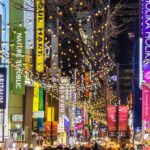
Seoul can feel split in two: ancient stone and palace gates on one side, glass towers and neon streets on the other. A private walking tour is a great way to stitch that together because you’re moving through the city at human speed. Instead of seeing places as checkboxes, you learn what they were for and how they connect to modern life.
The best part is control. With a private guide, you can start with the landmark you care about most—then build a day around adjacent neighborhoods, viewpoints, and calmer side streets. Guides I’ve heard from through this experience include Su, Hector, Alvaro, Seung Hwan, and Kim Seonghwan, and the consistent theme is simple: they’re there to make the day fit you.
The slightly annoying reality: walking is the method. If you pick 6–8 hours with multiple sites, wear shoes you trust. If you want lighter effort, choose a shorter duration and ask for a tighter loop.
You can also read our reviews of more private tours in Seoul


Building your day around palaces, hanok streets, and temples
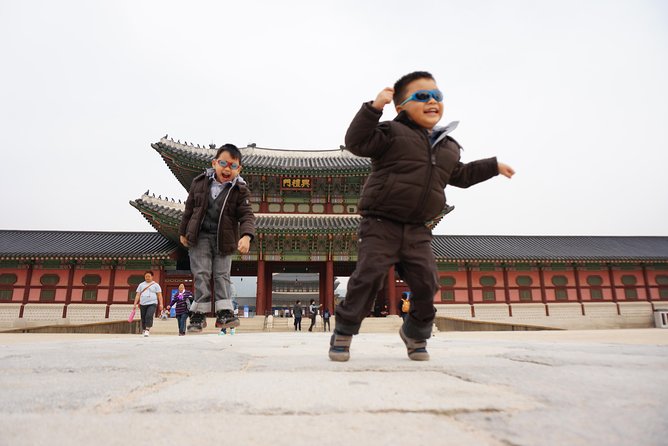
Even when the exact order varies, you can expect the tour to orbit around Seoul’s most teachable zones—places where history shows up in the details.
Gyeongbokgung Palace grounds: history you can see in motion
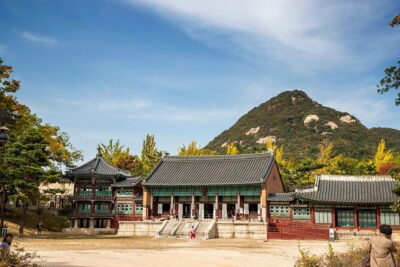
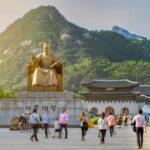
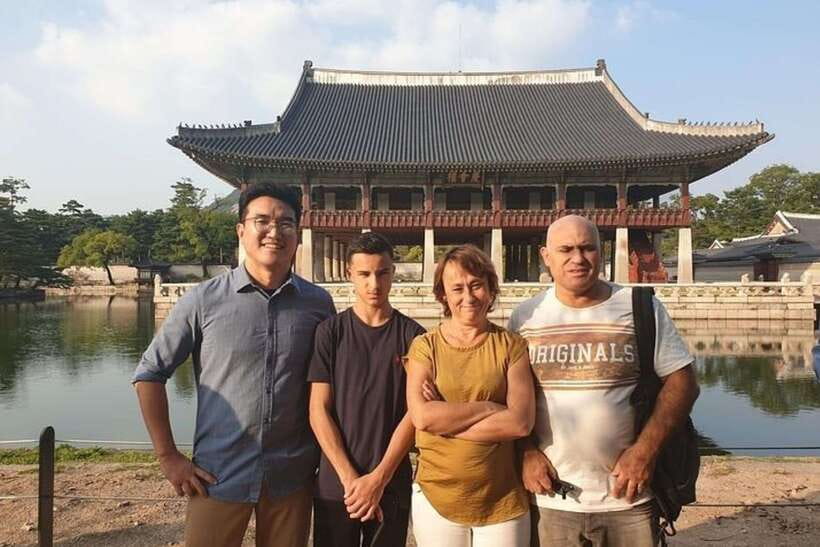
A classic start is Gyeongbokgung Palace. The magic here is that the palace isn’t just one building; it’s a whole layout with grounds and functions that change how you experience space. Hector’s approach, for example, was praised for explaining what the palace buildings were used for and pointing out significant details on the grounds.
How to get the most out of this stop: go in ready to ask questions. If something looks symbolic—gate placement, courtyard style, or wall layout—ask your guide what it signals. You’ll turn photos into understanding, which is the difference between a pretty picture and a memory you can explain later.
Potential drawback: palace sites can involve entry lines and additional ticket costs. The tour includes the guide, but entry tickets are not included, so plan extra time and budget for that.
Bukchon Hanok Village: the best photo angles come from guidance
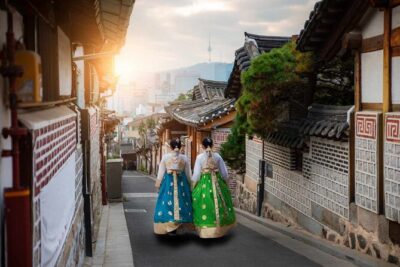
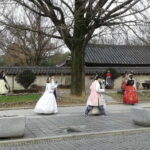
If you want Seoul’s traditional texture—white walls, tiled roofs, narrow lanes—Bukchon Hanok Village is a common match for this tour style. In the same way that a museum visit is about context, a hanok area visit is about reading the street plan. Guides can steer you toward viewpoints and walking routes that reduce backtracking.
A key comfort tip: hanok neighborhoods often mean uneven sidewalks and stairs in spots. If you want minimal strain, tell your guide at the start what walking level feels good, and they can shape the route.
Temples and neighborhood streets: conversation beats a checklist
Some routes include a temple stop and then continue into market streets. This combination tends to work well because your brain gets a break from palace formality while still staying in a cultural setting. People also mention guides chatting about daily life in Korea, which can be an unexpected bonus.
One guide was noted for giving an outside perspective on living in Korea with a Korean wife and for discussing culture and family life in addition to the historical locations. That’s the kind of context that makes Seoul feel less like a theme park and more like a place where people live.
Potential drawback: temple rules can affect what you can do with photos and clothing. Your guide will help you figure out what’s appropriate once you’re there.






The guide factor: what makes this tour feel worth it
A walking tour is only as good as the human running it. With this experience, the standout praise is about personality plus competence—guides who are fun, patient, and practical, not just fluent.
When time is short, a good guide can still make it meaningful
Several people mentioned having limited time in Seoul, and guides managing to fit a lot in while staying flexible. One comment credited Su with making a quick Seoul visit memorable, and another described how a guide worked around a slower pace without dropping the plan.
Translation: you don’t have to rush to get value. If you move slowly, you’re not punished; the route can be adjusted to keep things enjoyable and coherent.
Practical problem-solving is part of the tour value
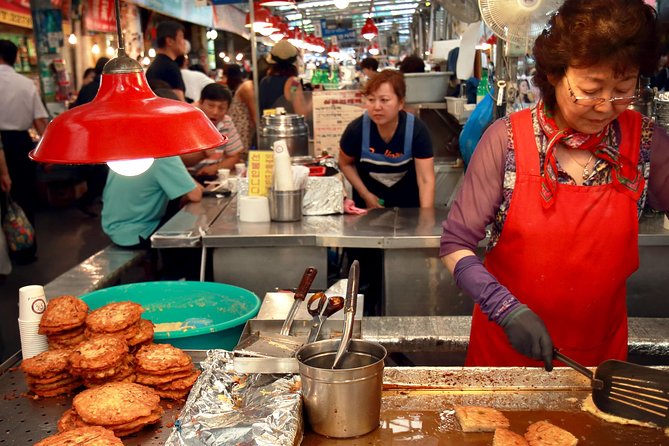
This is the part many cities miss: you’re not just learning facts—you’re learning how to navigate. One guide helped with ATM, metro, and chemist matters, then continued with a mini-tour of palace, temple, and market streets. Another guide even helped translate and communicate with market stall owners, including after the tour ended.
That matters because Seoul travel can include small friction points: cash machines, transit wording, store language, and finding the right kind of pharmacy help. If your guide can reduce that friction, you’ll feel more confident in the rest of your trip too.
Photo help is quietly a big deal
If you’re traveling as a couple, solo, or just hate awkward self-timer photos, ask early. One person said their guide took all their photos, and that alone can turn a good day into an easy one.
Timing and pacing: how to choose 2, 4, or 8 hours
The duration range—2 to 8 hours—is where you decide how intensive your “Seoul sampler” should feel. Here’s how I’d think about it:
Two to three hours: best for one big anchor + nearby streets
Pick one main target—like a palace area or a hanok neighborhood—plus a short walk for photos and atmosphere. This is great for first-timers who want a hit of Seoul without fatigue.
Four to five hours: the sweet spot for history + market energy
This is where you can usually combine a palace experience with neighborhood streets and maybe a market segment. You’ll still be walking, but you won’t feel like you’re sprinting between time blocks.
Six to eight hours: for deep focus and flexible detours
Longer sessions are ideal if you want variety: palace grounds, traditional neighborhoods, a temple stop, and time to ask lots of questions. The tradeoff is energy. If you’re doing 6–8 hours, plan a slower evening afterward.
A practical note: the tour includes walking, and your “best day” may depend on weather. If it’s pouring or sweltering, consider shortening the schedule or adding more indoor time where possible (museum visits can be added upon request).
Costs, tickets, and the part you plan yourself
The price is $57 per person, with hotel pickup/drop-off included. The big value point isn’t just the guide time—it’s the convenience and the ability to tailor. You’re paying for someone to organize your movement and translate context into something you can actually use while you’re standing there.
What’s not included:
- Food and drinks
- Entry tickets
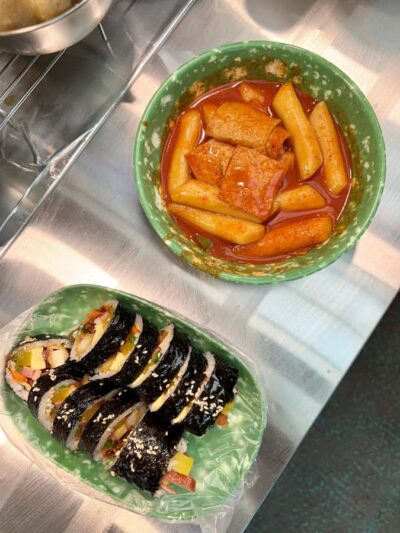
That means you should budget for ticketed attractions you choose and decide whether you want lunch inside the tour hours or as a separate break. Your guide may recommend places to eat, but you’ll still handle meals directly.
For best value, be specific during pre-tour contact. If you tell your guide your must-sees (and your walking tolerance), they can reduce wasted time and help you spend your limited Seoul hours on experiences that match your interests.
Language, style, and comfort level
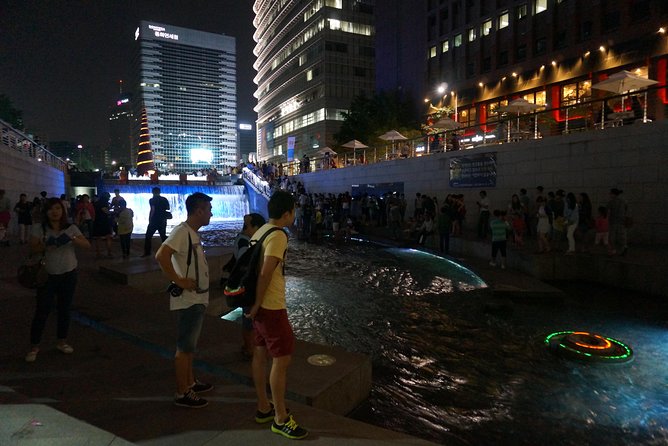
This tour offers guides in English, French, Italian, and Spanish, and you can request a guide based on language needs. One person specifically noted requesting Bibiana for Spanish or English, and multiple comments praised guides for being friendly, approachable, patient, and helpful with questions.
You should also care about the communication style. The strongest praise across guides is for:
- being fun and engaging
- explaining details clearly
- checking in to make sure you’re comfortable with the pace
- helping with real travel tasks (not just sightseeing)
If you’re the type who likes to ask why something matters—how a palace space functioned or why a neighborhood layout developed—this format tends to work really well.
Who this tour suits best (and who should choose something else)

This experience fits a wide range of people because the route can adjust:
- Families who want a safe, organized way to see major sights without getting lost
- Couples who want a more personal pace and better photo outcomes
- Solo travelers who want local guidance and practical help, especially with transit and language friction
- History-minded visitors who want context for palaces, traditional streets, and cultural sites
- People who have limited time and want a guide to build an efficient day
It may be less ideal if you:
- want a mostly indoor, low-walking itinerary
- want a full-day museum-heavy program with no outside wandering
- expect all entry tickets and meals to be covered
Should you book this Seoul private tour?
If your main goal is to understand Seoul quickly—without doing all the planning yourself—this is an easy yes. The private + customizable setup gives you real leverage: choose the sights that matter, keep the pace comfortable, and get practical advice that doesn’t stop when the walking does.
Book it if you want:
- hotel convenience (pickup and drop-off)
- a guide who can explain places like Gyeongbokgung Palace and hanok streets in a way that sticks
- help handling the small travel stressors in a foreign city
- the chance to shape the route, whether you have 2 hours or most of a day
Skip it only if you’d rather follow a totally fixed, minimal-walking schedule with everything handled for you. With this tour, you’re buying flexibility—and you’ll get the best result if you use that flexibility.
FAQ
FAQ
How long is the Seoul private walking tour?
It runs for 2 to 8 hours, depending on the starting time you choose and the route you build with your guide.
Is hotel pickup and drop-off included?
Yes. Hotel pickup and drop-off in Seoul are included as part of the experience.
What’s included in the price?
You get a private tour guide and a customizable walking tour. Entry tickets and food and drinks are not included.
Which languages are available for the guide?
Guides are available in English, French, Italian, and Spanish.
Is the tour wheelchair accessible?
Yes, the experience is listed as wheelchair accessible.
Can I cancel for a full refund?
You can cancel up to 24 hours in advance for a full refund.