REVIEW · GHOST & DARK HISTORY TOURS
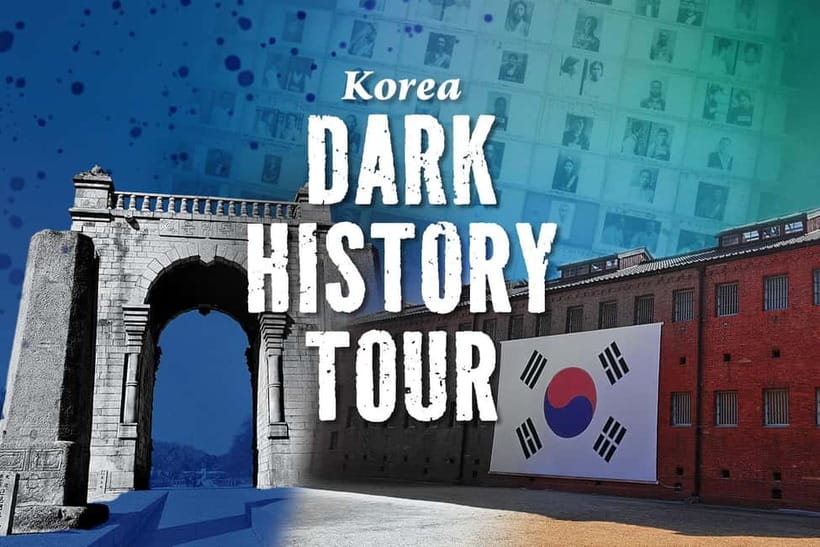
Blood & Tears: Korea Dark History Guided Walking Tour
Book on GetYourGuide →Operated by KTOURSTORY · Bookable on GetYourGuide
Seoul can feel like a movie set. This tour slows it down and shows you the script behind the streets. I like how it moves beyond textbook timelines and makes the places and names feel personal, with English-speaking guides who explain the why, not just the what. Two things I particularly like: the focus on specific landmarks tied to independence and democracy, and the way the walk connects oppression to the political awakening that followed. One drawback to consider: the subject matter is heavy, and you’ll also be using public transport between sites, so plan for a long, standing-heavy morning.
Pick PACKAGE 1 if you want the independence story, starting with Seodaemun Prison’s brutal reality. Pick PACKAGE 2 if you’re more into how post-war power turned into surveillance, detention, and resistance, ending at democracy-focused memorial spaces. I also appreciate the small group size (up to 10), which makes it easier to ask questions and set a steady pace. The possible catch: some visits can shift based on conditions, and you may have practical hassles like shoe rules at one stop.
In This Review
- Key Takeaways Before You Go
- Two Tours, One Purpose: Korea’s Dark Chapters Then and Now
- Price and What You Get for $61
- Before You Start: Meeting Points, Timing, and How the Day Feels
- PACKAGE 1: Independence and the Cost of Defiance
- Seodaemun Prison History Hall: Where Resistance Became Punishment
- Dongnimmun Arch: Independence Celebrates, Colonization Rewrites
- Dilkusha: When History Lives in a Former Residence
- Tapgol Park Ending: The 1919 Independence Spark
- PACKAGE 2: Democracy, Surveillance, and Resistance After the War
- National Museum of Korean Contemporary History: The Context You’ll Wish You Had Later
- Tongin Market Lunch: Eat While You Watch Life Continue
- Namsan KCIA Headquarters: Surveillance as a System
- Korea Democracy Foundation: Memory With a Purpose
- The Guides Make the Difference (And Names Matter)
- Who This Tour Is Best For
- Logistics You Should Actually Plan For
- Should You Book Blood & Tears: Korea Dark History?
- FAQ
- FAQ
- How long is the Blood & Tears: Korea Dark History Guided Walking Tour?
- Is the tour offered in English?
- What’s the group size?
- Are meals included?
- Where do I meet for PACKAGE 1?
- Where do I meet for PACKAGE 2?
- Do I get to see Seodaemun Prison History Hall?
- Is the tour wheelchair accessible?
- Do I need to remove my shoes during the tour?
- What if I need to cancel?
- What if I want flexibility in payment?
Key Takeaways Before You Go
- Small group, big attention: Up to 10 people means the guide can actually keep up with questions.
- Two different Seoul stories: Independence-era sites (PACKAGE 1) or democracy-and-authoritarianism sites (PACKAGE 2).
- Real places, not just talk: Seodaemun Prison, KCIA headquarters, and democracy foundation sites are the backbone of both routes.
- Transit matters for comfort: You’ll ride public transport between stops, so plan for walking and stairs.
- One footwear rule to remember: Dilkusha may require shoe removal, with slippers provided on-site.
Two Tours, One Purpose: Korea’s Dark Chapters Then and Now
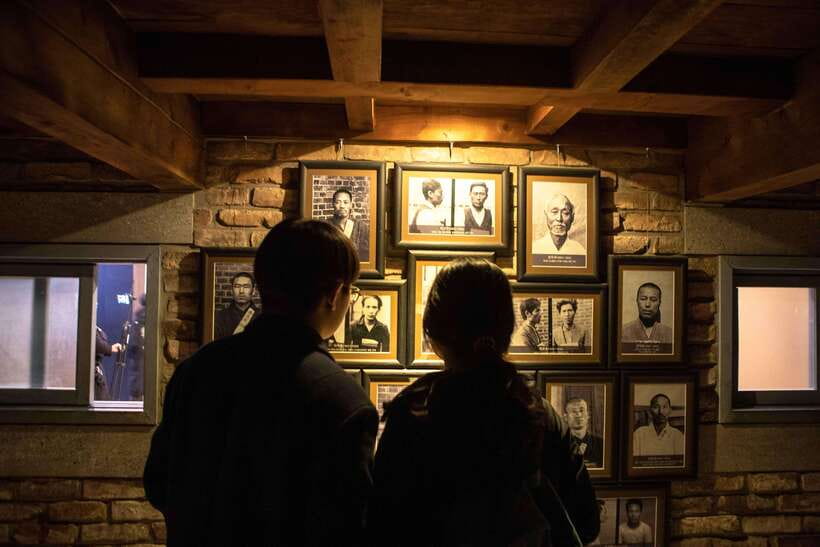
This is the kind of day that changes how you look at a city. The tour is built around two themed routes through Seoul’s hardest decades, using landmarks that were part of the machinery of control and the sparks of resistance. You’re not just collecting facts. You’re building context so the headlines make sense in human terms.
Both packages run for about 210 to 330 minutes, guided in English, and they include public transportation fees plus admission tickets. You’ll finish with a clearer sense of how Korea moved from colonization and suppression toward independence and democracy—and why those words still matter.
If you like history that feels lived-in, this will land. If you prefer history that stays light and distant, you might find the emotional weight challenging. Either way, you’ll leave with a sharper map of modern Korea.
You can also read our reviews of more walking tours in Seoul
Price and What You Get for $61
At $61 per person, this tour is priced in the category of guided, ticketed experiences where the value is mostly in interpretation. Here’s what you’re paying for that you don’t get from a self-guided walk:
- An English guide connecting sites into a coherent story (not just handing you audio-guide facts).
- Admissions and public transportation fees handled as part of the package.
- Small group size (limited to 10), which usually means better pacing and more time to ask questions.
You’re not paying for luxury. You’re paying for time with someone who can explain the political logic, the human stakes, and the timeline. If you want to see the sites but also understand what they meant, $61 starts to feel like a fair trade for your attention.
The main thing to budget beyond the price: meals are not included, so you’ll want to plan around lunch or bring snacks. The good news is that PACKAGE 2 includes a lunch stop at a market.
Before You Start: Meeting Points, Timing, and How the Day Feels
You’ll choose one of two routes, and the meeting points differ.
For PACKAGE 1 (Then: Fight for Independence), you meet at 9:30 AM at Dongnimmun Station Exit 5. You’ll end at Tapgol Park at 13:00.
For PACKAGE 2 (Now: Road to Democracy), you meet at 9:50 AM at Gwanghwamun Station Exit 7. You’ll end at Korea Democracy Foundation at 16:00.
Either way, the day is long enough to matter. Expect a mix of walking and public transport. That affects comfort more than you might think. The tour is wheelchair accessible, but because you’re moving by public transportation, a wheelchair or stroller can be inconvenient. So if you have mobility needs, it’s smart to plan your logistics carefully before you commit.
PACKAGE 1: Independence and the Cost of Defiance
This route is built like a motion from imprisonment toward public awakening. It starts with the hard truth of colonial-era repression, then links it to independence symbolism and early nationalist action.
Seodaemun Prison History Hall: Where Resistance Became Punishment
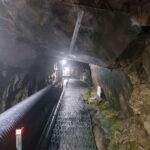
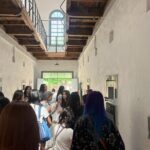
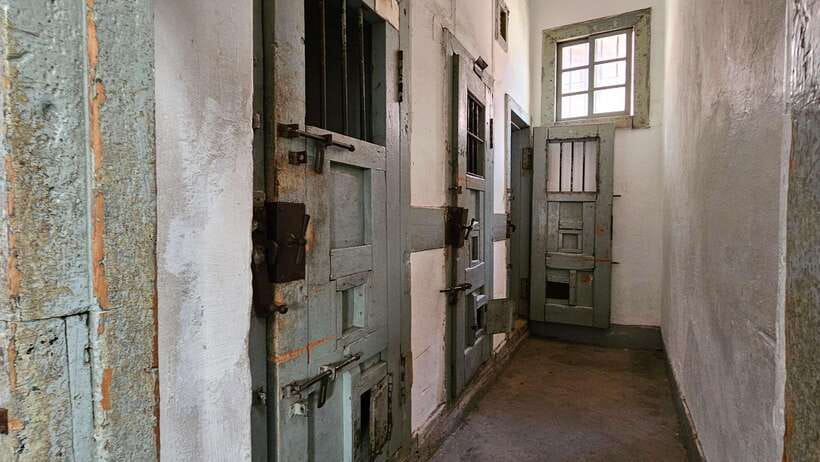
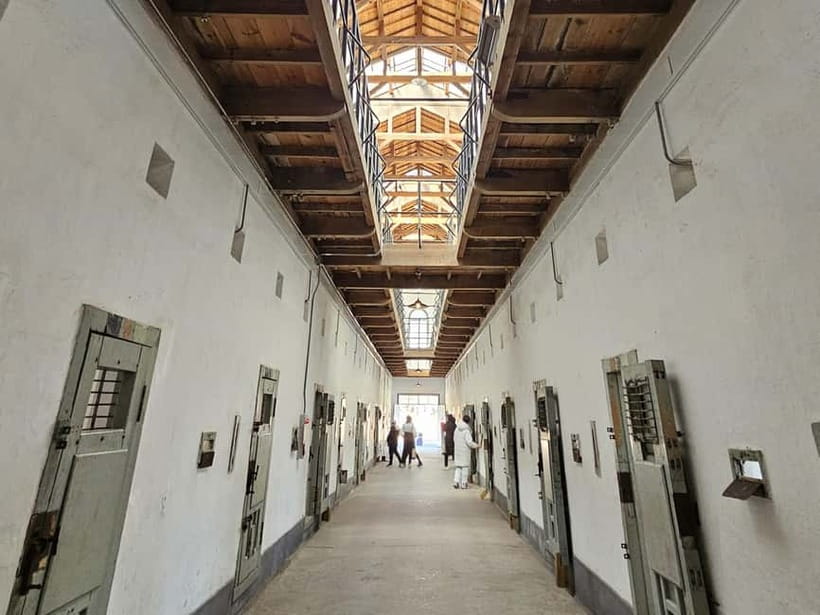
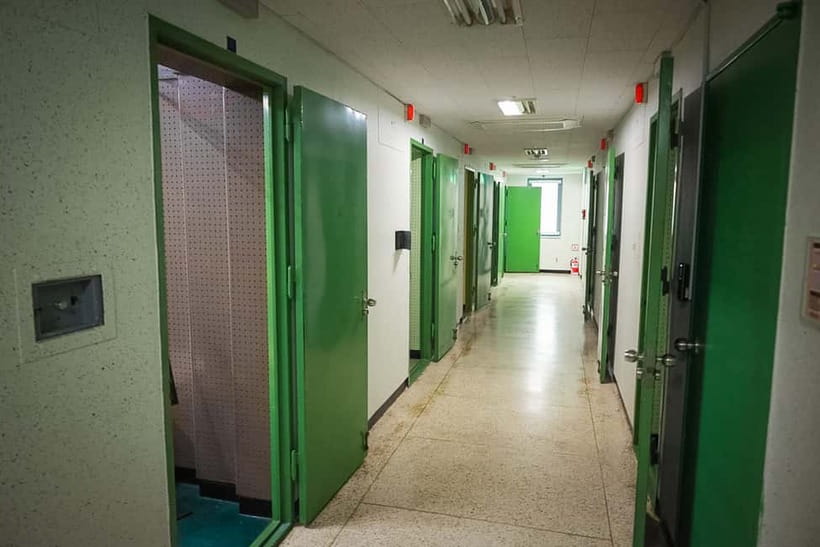
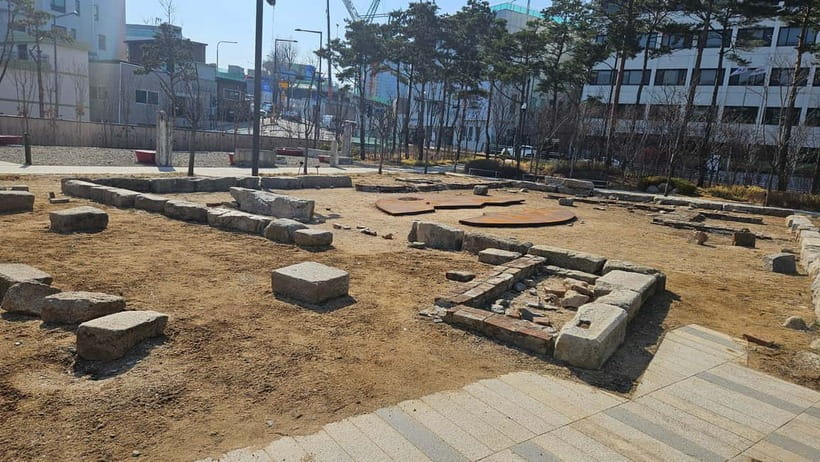
The tour begins at Seodaemun Prison History Hall, where Korean freedom fighters were imprisoned, tortured, and executed for resisting. The structure of the experience is simple but powerful: you’ll move through cells and spaces associated with torture, in a dim, cold atmosphere that makes the history feel physical.
What I like about starting here is that you understand the stakes immediately. Many people learn Korea’s independence story as a heroic arc. This stop reminds you that “heroic” often came with pain as the entry ticket.
Practical note: tours at historic prisons can involve stairs or tight spaces, so wear footwear you can stand in comfortably.
You can also read our reviews of more guided tours in Seoul

Dongnimmun Arch: Independence Celebrates, Colonization Rewrites
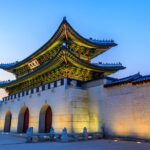
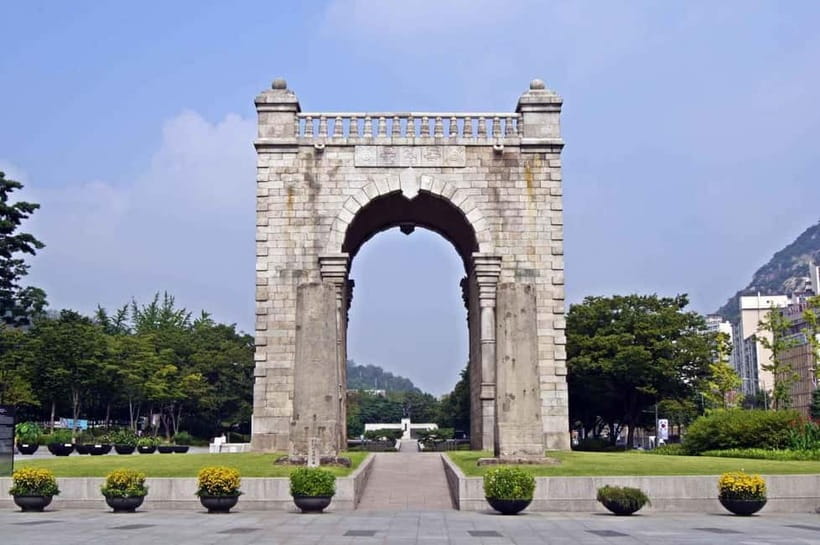
Next comes Dongnimmun Arch. It was built to celebrate national independence, and then it later became a witness to the crushing reality of Japanese colonization. That shift matters. It’s a reminder that political power doesn’t just control people. It tries to control the meaning of places.
Even without extra interpretation, the idea is clear: symbols can be repurposed. With a guide, you’ll get the bigger picture of how control works through culture and public space.
Dilkusha: When History Lives in a Former Residence
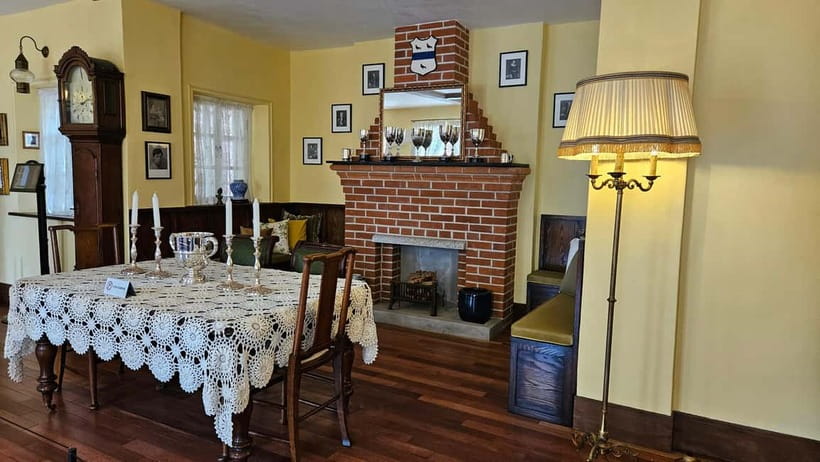
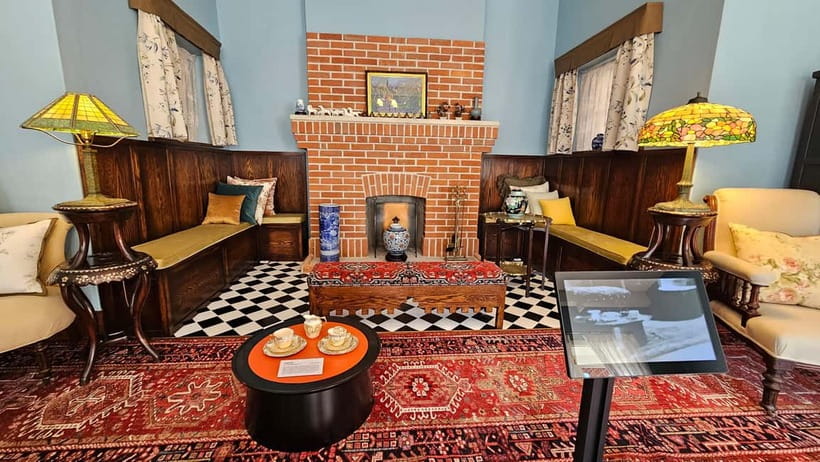
Then you head to Dilkusha, the former residence of Albert W. Taylor, an American journalist known for exposing Japan’s brutal rule to the world. This stop adds a different angle: international attention and reporting weren’t just background. They were part of the global pressure that could make repression harder to hide.
There’s also a practical detail: you may need to remove your shoes when visiting Dilkusha. Slippers are provided on-site. So if you’re the type who hates being forced into footwear logistics, this is your heads-up.
Tapgol Park Ending: The 1919 Independence Spark
The last stop is Tapgol Park, where the tour ends at 13:00. In 1919, this area was connected to the first cries for independence that spread through the streets and helped spark a nationwide uprising.
Ending here is smart. It turns the day’s story from suffering and suppression into collective action and public momentum. By the time you reach Tapgol Park, the earlier sites stop being isolated tragedies and start feeling like parts of one political pattern.
PACKAGE 2: Democracy, Surveillance, and Resistance After the War
This route starts with national context and then moves into the mechanisms of oppression, ending in places meant to support democracy and reflect on the past.
National Museum of Korean Contemporary History: The Context You’ll Wish You Had Later
You start at 9:50 AM at National Museum of Korean Contemporary History. The value here is not just seeing artifacts. It’s getting the framework for post-war reconstruction, military regimes, and citizen resistance.
If you’ve ever wondered why modern Korea’s political debates can feel intense, this museum helps. It connects the long arc from rebuilding to authority to opposition, so later stops don’t feel random or repetitive.
Tongin Market Lunch: Eat While You Watch Life Continue
Next is Tongin Market, where you enjoy time for a traditional lunch. You also get to walk through a lively area rather than only being stuck in institutional settings.
This is one of the best “human breaks” in the day. Even if the topic is heavy, you don’t want your entire afternoon to feel like a lecture hall.
A practical tip: bring a bit of flexibility with appetite. Lunch is included as part of the route concept, but markets can be busy and ordering can take time.
Namsan KCIA Headquarters: Surveillance as a System
Then you descend into the darker corners of Seoul with Namsan KCIA headquarters. This is where the theme turns from ideology into procedure—how surveillance, detention, and political suppression worked in practice.
If PACKAGE 1 hits you with the physical brutality of colonial control, PACKAGE 2 hits you with the modern face of oppression: monitoring, coercion, and punishment aimed at silencing dissent.
Korea Democracy Foundation: Memory With a Purpose
You end at Korea Democracy Foundation at 16:00. This is described as a reminder of how hard-won Korea’s democracy is, tied to former sites of surveillance, political oppression, and torture.
Important detail: the visit to the Korea Democracy Foundation may be adjusted depending on on-site conditions. So don’t build your next appointment too tightly after 16:00.
The emotional shift here is deliberate. After learning how dissent was suppressed, you end in a place that treats democracy as something earned and protected.
The Guides Make the Difference (And Names Matter)
One of the most consistently praised parts of this experience is the guide’s ability to explain modern Korean history with clarity and empathy. In particular, I’d pay attention to the fact that different guides bring different pacing and story choices, and that’s a big reason people rate this so highly.
You might meet guides such as Joseph, Laura, Chuck, Gina, and even a guide referred to as Mr. Park. The common thread across these guides is that they don’t just point at exhibits. They connect the dots between people, politics, and place.
In small group situations, that connection gets even stronger. When the group is tiny, questions can steer the walk, and you get more time to make sense of what you’re seeing.
Who This Tour Is Best For
This is ideal if you want your Seoul history to be more than dates and slogans. You’ll likely enjoy it most if you:
- like political history tied to real locations
- want context for modern Korean democracy
- can handle heavy themes and want to learn respectfully
- enjoy walking tours with conversation, not just rules and routes
It’s also a good first “history anchor” day in Seoul. Starting early with political context helps everything else you do after feel less random.
If you want a relaxed sightseeing day with jokes and photo spots every five minutes, this isn’t built for that.
Logistics You Should Actually Plan For
A few practical notes can save you stress:
- Public transport between stops means you’ll walk and possibly handle stairs.
- Shoes and Dilkusha: you may need to remove shoes at Dilkusha, with slippers provided.
- Meals: not included overall, but PACKAGE 2 includes lunch at Tongin Market.
- Weather and traffic can affect timing: itinerary can shift based on conditions.
- Small group: limited to 10, so the pace can feel more tailored.
Also: wear layers. Even when the day is bright, historic sites and indoor exhibitions can run cool.
Should You Book Blood & Tears: Korea Dark History?
If you’re curious about the real story behind Korea’s independence and democracy, I think you should strongly consider booking—especially if you care about understanding more than sightseeing. The value comes from the guide-led connections, the admissions, and the small group format. For $61, it’s a thoughtful way to spend half a day to most of a day in Seoul with meaning.
Choose PACKAGE 1 if you want to focus on colonial-era resistance, imprisonment, and the independence spark at Tapgol Park. Choose PACKAGE 2 if your interest is in the post-war story of military rule, surveillance, and the path to democracy.
One final check: this is a reflective, emotional tour. If heavy political topics wear you down, plan your rest time afterward.
If that sounds like your kind of travel, book one package. If you really want the full arc, consider doing both.
FAQ
FAQ
How long is the Blood & Tears: Korea Dark History Guided Walking Tour?
The duration is listed as 210 to 330 minutes, depending on which package you choose and conditions during the day.
Is the tour offered in English?
Yes. The tour includes an English-speaking guide.
What’s the group size?
The tour is small group, limited to 10 participants.
Are meals included?
No, meals are not included in the tour price. PACKAGE 2 includes a lunch stop at Tongin Market as part of the route.
Where do I meet for PACKAGE 1?
For PACKAGE 1, you meet at Dongnimmun Station Exit 5 at 9:30 AM.
Where do I meet for PACKAGE 2?
For PACKAGE 2, you meet at Gwanghwamun Station Exit 7 at 9:50 AM.
Do I get to see Seodaemun Prison History Hall?
Yes. Seodaemun Prison History Hall is the first major stop on PACKAGE 1.
Is the tour wheelchair accessible?
Yes, the tour is listed as wheelchair accessible. However, since it uses public transportation, moving around may still be inconvenient for some visitors.
Do I need to remove my shoes during the tour?
For PACKAGE 1, you may need to remove your shoes when visiting Dilkusha. Slippers are provided on-site.
What if I need to cancel?
The tour offers free cancellation up to 24 hours in advance for a full refund.
What if I want flexibility in payment?
There is a reserve now & pay later option, meaning you can book and pay nothing today.