REVIEW · BBQ
Seoul: Korean bbq place of the month curated by the Host
Book on Viator →Operated by Jin · Bookable on Viator
If you want Korean BBQ without the stress, this helps a lot. This Seoul experience pairs you with a local food buddy and takes you to a different pork-focused spot each month, mixing long-time favorites with newer trends. I love that the location rotates, so the experience feels like a fresh plan, not the same tourist loop. I also like that the host keeps things moving, especially when ordering Korean BBQ on your own can be a head-scratcher.
Here’s the tradeoff: it’s not built as a tradition-and-culture lecture. If you’re expecting a deep dive into Korean BBQ history, you might feel a bit short-changed because the emphasis is on eating together.
That also means you should plan for the practical parts yourself, like deciding if you want alcohol and keeping an eye on timing. A few people note that meeting up smoothly matters, so I’d treat communication as part of the experience—message if anything feels off.
In This Review
- Key things to know before you go
- Enter Euljiro 1-ga, Then Let the Month Decide the Restaurant
- How the Monthly Location Change Affects Your Day
- What You Eat: Pork Cuts, Rice, and Side Dishes
- The Host Role: A Food Buddy When Ordering Gets Tricky
- Not a Culture Lecture: Why That’s a Benefit for Some, a Problem for Others
- Group Size, Social Energy, and Why Solo Travelers Still Like This
- Price and Value: What $32.89 Buys You (and What It Doesn’t)
- Timing and Mobile Tickets: Keeping This Experience Stress-Free
- What to Bring and How to Order Like You Belong
- Should You Book This Seoul Korean BBQ Experience?
- FAQ
- Where is the meeting point for the experience?
- Does the restaurant stay the same each time?
- How long does the experience last?
- What’s included in the price?
- Is alcohol included?
- How many people are allowed in each group?
Key things to know before you go
- Rotates monthly: the restaurant changes every month, so you’re not locked into one address.
- Built for eating together: you’re there for food and company, not an extended etiquette lesson.
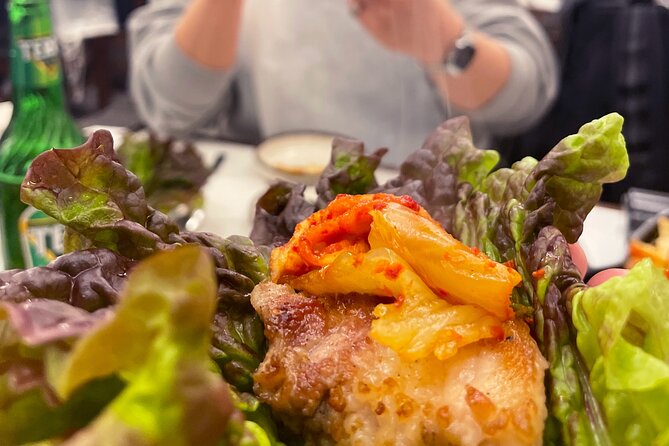
- Pork-focused set meal: expect multiple cuts like pork belly plus other favorites such as jowl meat and pork neck.
- Ordering support: the host acts like your food buddy, which matters if you’re not confident ordering BBQ alone.
- Lunch or dinner option: the meal structure includes rice and side dishes, with a set BBQ plan.
- Budget for alcohol separately: alcohol isn’t included; it can add cost fast.
Enter Euljiro 1-ga, Then Let the Month Decide the Restaurant
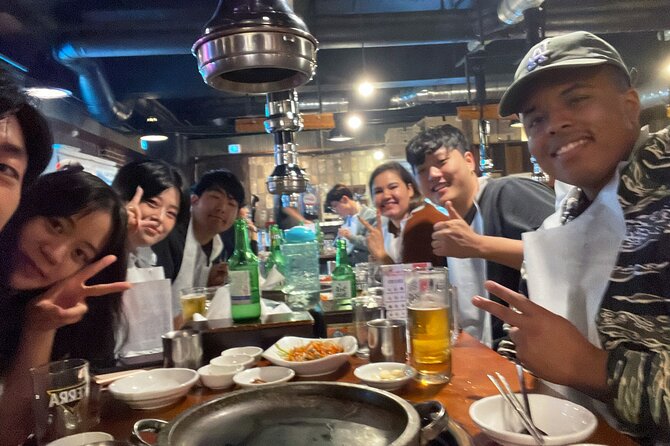
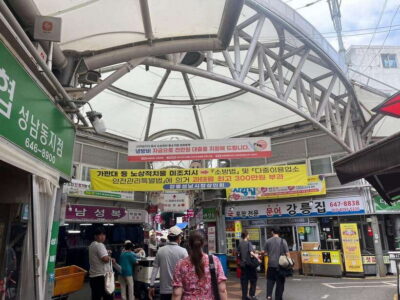
The experience starts at 142-1 Euljiro 1(il)-ga, Jung District and ends back at that same meeting point. From there, you’ll head to the monthly restaurant pick, which is the whole point of the experience: you’re buying into the host’s “this month’s best” plan rather than a single guaranteed address.
That “random each month” part can sound risky. But in practice, it’s often the fun: you’re meeting Seoul the way locals do—through what’s worth eating right now. Just know that the exact vibe and room layout depend on the restaurant for that month.
Duration is about 1 hour 30 minutes, so you’re not signing up for a long day of logistics. This fits well if you’re doing other Seoul sights and just want a solid, food-first block that doesn’t sprawl.
You can also read our reviews of more tours and experiences in Seoul

How the Monthly Location Change Affects Your Day
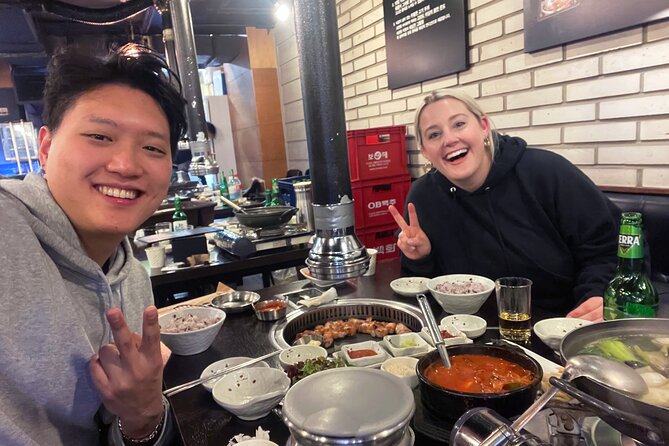
Because the restaurant can change, your best move is to build your schedule around a flexible mindset. Don’t stack this right after something that could run long, and don’t plan to bolt immediately afterward either. You want time to actually enjoy the meal and the social part.
The host can also adjust time based on your needs if you message in advance. That’s a helpful detail for anyone juggling day tours or a tight transit window.
Also, this is capped at up to 20 travelers. Smaller groups usually mean quicker back-and-forth with the host, and less waiting at the grill. If you like BBQ that feels like a shared dinner instead of a rushed feeding line, this matters.
What You Eat: Pork Cuts, Rice, and Side Dishes
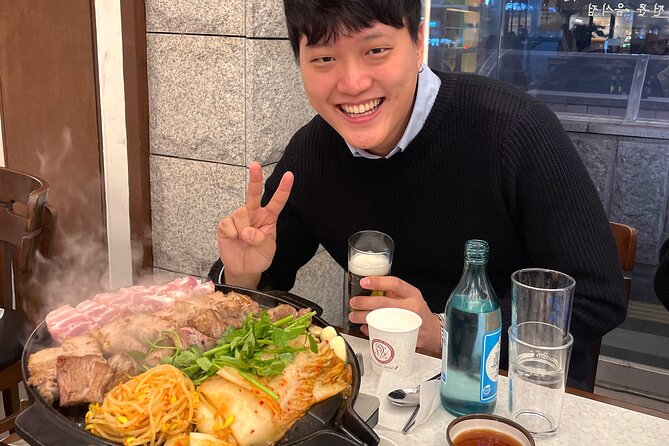
The meal includes KBBQ (lunch or dinner), rice, and side dishes. That’s not just a technical line item—it’s the difference between “BBQ snack” and a real Korean meal you can build a day around.
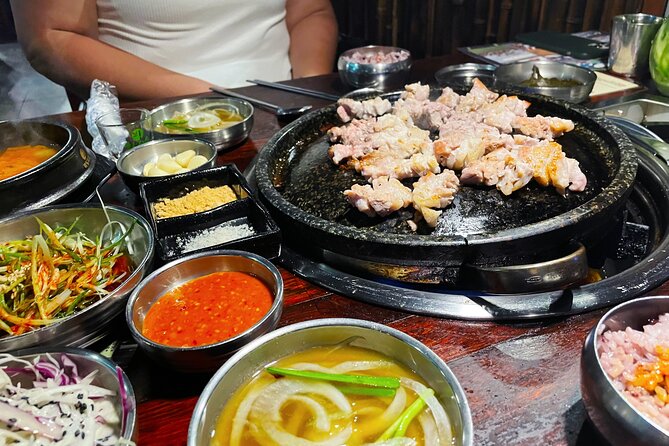
You’ll eat several parts of pork that Koreans commonly enjoy. Based on the experience description, expect cuts like pork belly, plus options such as jowl meat and pork neck. That variety is one of the best parts, because each cut cooks and tastes differently.
Practical tip: try not to treat everything like the same flavor. Pork belly is often the first “wow” because it crisps up fast and has that rich, fatty bite. Jowl meat tends to feel more hearty and flavorful, and pork neck can bring a different balance of fat and chew. If you go in knowing you’ll taste multiple textures, the meal feels more complete.
The inclusion of rice and side dishes also helps you avoid the classic BBQ mistake: eating only grilled meat without breaks. In Korean BBQ, those sides let you reset your palate and keep the whole meal from turning into one long flavor note.
The Host Role: A Food Buddy When Ordering Gets Tricky
The experience is designed for the moment when eating Korean BBQ alone becomes frustrating. In Korea, ordering can be harder than you expect, especially if the menu is packed with cuts, preparation styles, and sauces you don’t recognize.
This is where the host shines. You’re not just getting a meal—you’re getting someone who can help you order and keep the experience on track like a calm translator in a food setting.
Past experiences also highlight that hosts can be attentive and good at making the group feel welcome. That matters at BBQ restaurants because the timing of grilling and sharing can make or break the vibe. When someone is watching the flow, you spend less time guessing and more time eating.
One more thing: this is explicitly not an experience where the host gives you a huge lesson about traditional BBQ culture. You might still get little tips on how the host personally likes to eat, but the goal is social food time first. If you want a full etiquette workshop, you’ll need to look elsewhere.
Not a Culture Lecture: Why That’s a Benefit for Some, a Problem for Others
I like experiences that respect my time. This one keeps the focus on sharing a meal rather than turning your night into a lecture. You’ll likely get more enjoyment if your goal is food, conversation, and the comfort of having someone guide you through the practical steps.
But if you’re the kind of traveler who loves learning the full background behind how people eat, you may feel the format is too light. This experience is telling you up front it’s more about eating together than deep tradition.
My advice: treat it like a “KBBQ dinner with a local friend” rather than a museum-style cultural class. If that matches your travel style, you’ll be happier.






Group Size, Social Energy, and Why Solo Travelers Still Like This
This setup is capped at 20 travelers, and the experience is built around hanging out and sharing food. Even if you’re solo, that social side can take the edge off BBQ anxiety.
One of the strongest themes from the experience feedback is how much people enjoy the host attention and the overall fun of the meal. Another recurring vibe is that it can be a great way to meet local gastronomy in a real restaurant, not through a generic “tourist meal.”
If you’re traveling alone and you want a Korean BBQ experience that doesn’t feel awkward, this is the kind of plan that can work. You still choose how social you want to be, but you’re not left sitting at a grill with zero help.
That said, the group dynamic is part of the value. If you prefer quiet meals with no interaction, you might need to mentally prepare for a more social atmosphere.
Price and Value: What $32.89 Buys You (and What It Doesn’t)
The price is $32.89 per person, and the experience includes the BBQ meal plus rice and side dishes. That’s a key point: you’re not just paying for entry or guidance; you’re paying for a full meal structure.
Now add the most important budget detail: alcohol isn’t included. The description notes you can bring cash or pay separately, and alcohol price can vary from about $3 to $10 per bottle. If you drink, the final cost can jump quickly, so I’d treat alcohol as an optional add-on rather than a surprise.
From a value standpoint, this price feels most reasonable when you:
- want someone to help with ordering and the flow of BBQ
- want a pork variety set instead of hunting down a good restaurant alone
- like eating in a small group setting where the host keeps things smooth
If you already feel totally confident ordering Korean BBQ by yourself and you don’t care about social food time, you may be able to do it cheaper. But for most visitors—especially first-timers—the added support often justifies the cost.
Timing and Mobile Tickets: Keeping This Experience Stress-Free
You’re in a 1 hour 30 minutes window, which means the restaurant meal needs to start strong and finish before you run out of steam. The good news is that the description suggests time can be adjusted based on needs if you message.
You also get a mobile ticket, which simplifies check-in. Near public transportation is another advantage here. You won’t need a complicated commute plan to get to Euljiro 1-ga, and you’ll likely be able to pivot quickly if your other day plans shift.
Two practical tips:
- Arrive a few minutes early at the meeting point so you can settle in.
- If you’re late or there’s any confusion, message right away. BBQ restaurants run on timing, and hosts need clear signals.
What to Bring and How to Order Like You Belong
The essentials are simple: be ready to eat, and be ready to ask questions. You’re being hosted as a food buddy, so you should use that.
Since alcohol is separate, decide ahead of time whether you want it. If you do, plan for the extra cost per bottle and either bring cash or be ready to pay on site.
For the food itself, don’t overthink it. Focus on letting the meats hit the grill at the right pace and switching cuts when you want a new flavor experience. If the host suggests a personal way they like to eat—watch that closely. Small habits (like how people wrap, dip, or pair) can make the biggest difference in your enjoyment, even without a full culture lecture.
Should You Book This Seoul Korean BBQ Experience?
I’d book it if you want a local-led Korean BBQ dinner that solves the hardest part for many visitors: ordering and pacing. The monthly rotating restaurant plan keeps it interesting, and the meal structure (BBQ, rice, side dishes) makes it feel like a real meal, not a quick stop.
Skip it if your main goal is deep cultural education or you prefer very quiet dining with no host involvement. This is about eating together, not performing Korean BBQ etiquette for a class.
Also, treat timing as part of the experience. Meeting-up clarity matters, so be on time and communicate if anything feels off. Do that, and you’ll likely walk away thinking, that was an easy win in Seoul.
FAQ
Where is the meeting point for the experience?
The experience starts at 142-1 Euljiro 1(il)-ga, Jung District, Seoul, South Korea and ends back at the same meeting point.
Does the restaurant stay the same each time?
No. The restaurant changes every month, and the location is chosen by the host.
How long does the experience last?
It lasts about 1 hour 30 minutes (approx.).
What’s included in the price?
The price includes lunch or dinner BBQ, plus rice and side dishes.
Is alcohol included?
No. Alcoholic beverages are not included. You can bring cash or pay separately, and bottle prices can vary from about $3 to $10.
How many people are allowed in each group?
The maximum group size is 20 travelers.