REVIEW · SEOUL
Learn and Make Your Very Own Craft Makgeolli
Book on Viator →Operated by Baekusaeng Makgeolli · Bookable on Viator
Making makgeolli feels like chemistry you can drink. This hands-on class at Baekusaeng Makgeolli in Seoul teaches you the real nuts and bolts: tasting multiple styles, learning fermentation basics, and taking home about 1.2 liters to finish yourself.
I love that you learn with fresh, real ingredients and not shortcuts, and I really like how Joe leads it like a craft lesson, not a tourist show. One thing to consider: you need a little patience after the class, because your bottle still has work to do while it ferments at home.
The setting helps too. It’s a small, cozy space with a market-brewery vibe, and the group stays intimate (max 15), so questions actually get answered. And yes, there’s plenty of tastings along the way, so your taste buds do some of the teaching.
In This Review
- Key Things I’d Highlight Before You Go
- Why Make Makgeolli in Seoul Instead of Just Drinking It
- What Happens in the Class: Tasting to Taking Home Your Batch
- The Maker Mindset: Traditional Methods Without the Myth
- Joe’s Teaching Style and Why It Works for Real People
- Your Makgeolli Toolkit: Ingredients, Nuruk, and Fermentation Steps
- How the Tasting Teaches You (Not Just What It Tastes Like)
- Taking Home About 1.2 Liters: Your Next Steps After Seoul
- Price and Value: Is $70.70 Worth It?
- Getting There Near Ahyeon-dong (And What to Expect When You Arrive)
- Who Should Book This Class, and Who Might Skip It
- Should You Book Baekusaeng Makgeolli’s Makgeolli Class?
- FAQ
- How long is the makgeolli class?
- How much does the class cost?
- What group size should I expect?
- Do I take makgeolli home?
- Where does the class meet?
- Do they use a mobile ticket?
- Can I cancel for free?
- Is the class okay for service animals?
Key Things I’d Highlight Before You Go
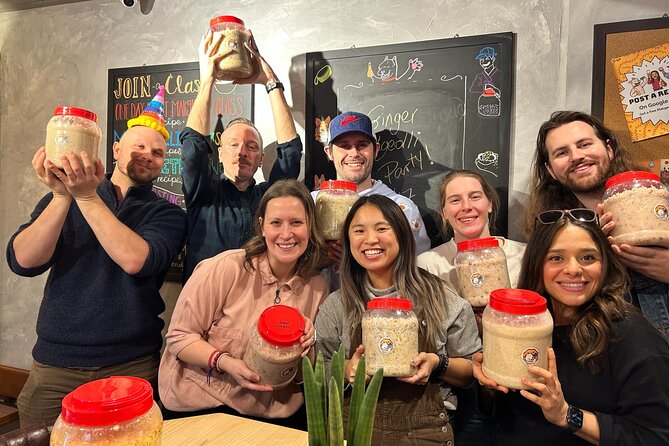
- Small-group class (max 15) keeps it hands-on and question-friendly
- Taste-to-learn format links aroma, sweetness, acidity, and texture to what you do in brewing
- Fermentation instruction you can reuse covers nuruk activity, filtering, and conditioning
- You take home about 1.2 liters so you keep learning after you leave Korea
- Joe’s teaching style includes written Korean terms and clear, practical guidance
Why Make Makgeolli in Seoul Instead of Just Drinking It
Seoul has plenty of places to drink makgeolli, but that’s not the point of this class. The value is that you leave with a repeatable process. You’re not just tasting a Korean rice wine; you’re learning how it gets made.
I like that Baekusaeng Makgeolli frames the experience as craft education. They teach you traditional methods and how to understand fermentation instead of treating it like magic. That matters because makgeolli doesn’t behave like soda—temperature, timing, and technique can change the results.
If you enjoy food science, or you just like the idea of understanding what’s in your glass, you’ll have fun here. It’s also a great way to experience Korean culture with your hands, not just your phone camera.
You can also read our reviews of more tours and experiences in Seoul.



What Happens in the Class: Tasting to Taking Home Your Batch
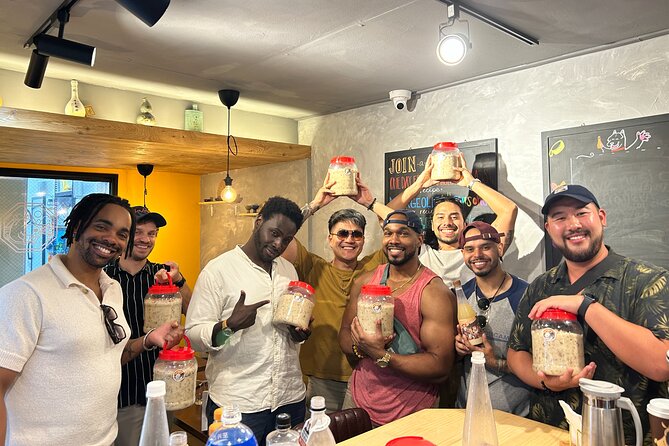
The class runs about two hours, and it’s built around a simple flow: taste first, learn the process, then make your own batch. You’ll meet at 346-35 Ahyeon-dong, Mapo-gu, and the experience ends back there.
You start with tastings of different makgeolli styles. This is more useful than it sounds. When you compare aromas and flavors side by side, you start to notice how small changes in ingredients and fermentation show up in the drink.
Next comes the learning piece. You’ll go through the essential ingredients and tools used in traditional and modern makgeolli brewing. You’re also guided through the fermentation process—how yeast and nuruk activity work, plus practical steps like filtering and conditioning. The goal is not only to make something once. It’s to understand how to keep going on your own.
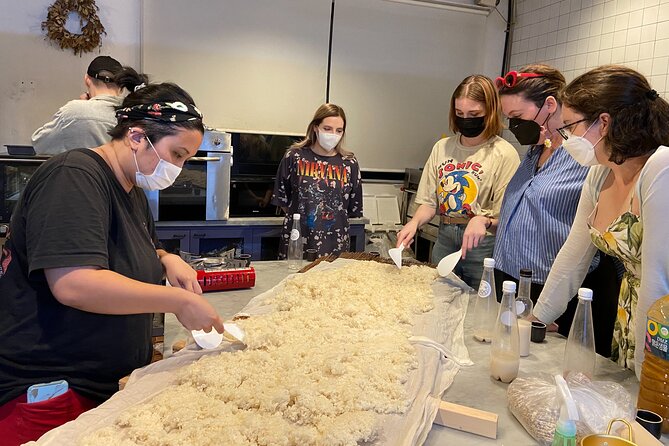
Then you shift into hands-on making. By the end, you package your finished base to take home for continued fermentation. Your take-home amount is about 1.2 liters, which is big enough to feel real, but manageable for doing the rest at home.
The Maker Mindset: Traditional Methods Without the Myth
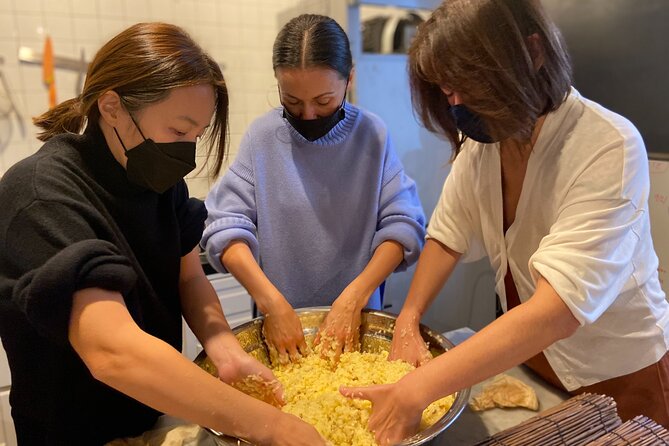
Baekusaeng Makgeolli emphasizes practical brewing rooted in tradition. The key difference you’ll feel in this class is that they don’t treat makgeolli as a mystery product. They talk about ingredients you can recognize and steps you can repeat.
That approach is especially helpful if you’ve tried to make fermented drinks before and found instructions too vague. Here, you’re trained to follow the logic of fermentation: what nuruk is doing, why activity matters, and how conditioning changes the final texture and taste.
I also like the mindset they push: learn the fundamentals, then experiment. The instructor encourages creativity so you can develop your own style later. That’s a big deal because makgeolli is not one “correct” flavor—there are many expressions depending on your choices and your conditions.
Joe’s Teaching Style and Why It Works for Real People
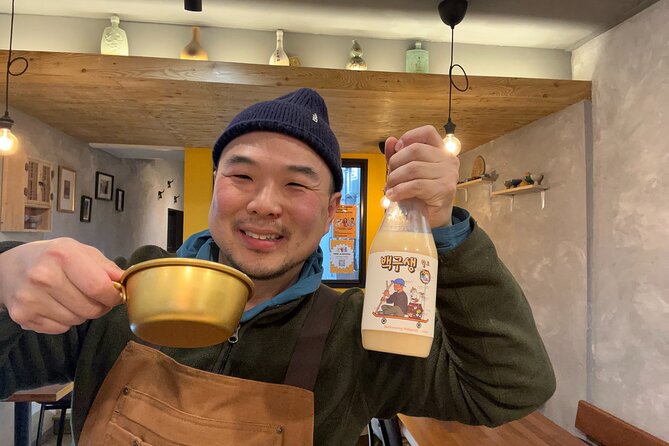
The instructor, Joe, comes across as friendly and organized, and his focus is on helping you understand what you’re doing step by step. You’ll likely notice his communication is clear, even if you don’t speak Korean.
One detail I especially appreciate: Joe writes Korean terms out on a whiteboard. That’s small, but it helps a lot when you’re trying to learn concepts and not just follow gestures. If language barriers pop up, you might also find he’ll use translation support to keep you moving forward.
Because the group is small, you’re not stuck watching while someone else does the work. You can ask questions and actually get answers. That’s what turns a “class” into something closer to a workshop.
Your Makgeolli Toolkit: Ingredients, Nuruk, and Fermentation Steps
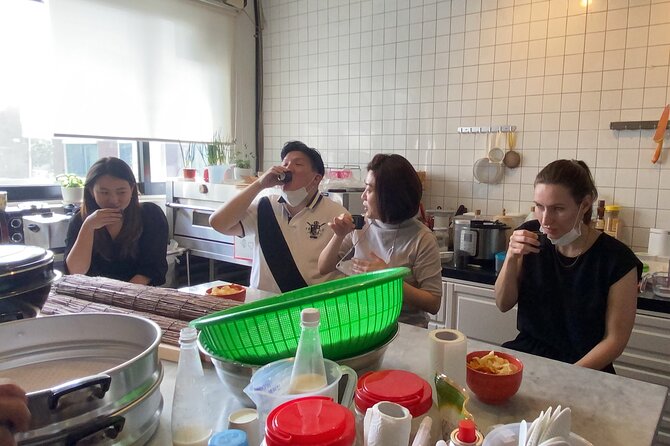
This isn’t a lecture where you leave with a vague idea of rice wine. You’re taught the essentials: the ingredients and tools behind traditional makgeolli, and what each step is doing.
From what you’ll cover, the process centers on fermentation activity driven by nuruk and yeast activity. You’ll learn what to watch for during that phase and how it affects aroma and flavor development. You also cover later steps like filtering and conditioning, which are where texture and finish start to change.
A practical takeaway: makgeolli lives at the intersection of food craft and basic brewing science. If you understand the purpose of each step, you can troubleshoot later at home when results aren’t identical. That’s the difference between copying a recipe and actually learning brewing.






How the Tasting Teaches You (Not Just What It Tastes Like)
The tastings aren’t random samples. They’re set up to teach you how different components show up in the glass. You learn how aroma, sweetness, acidity, and texture come together.
Once you taste several options back-to-back, you start to connect flavor to process. For example, if one sample feels more tart or more rounded, you can link that impression to what fermentation and conditioning steps would influence. It’s like training your palate to notice variables.
This is also where the class becomes genuinely fun. You get to experience variety while you’re still learning vocabulary and concepts. By the time you start making your own batch, you’re not working blind.
Taking Home About 1.2 Liters: Your Next Steps After Seoul
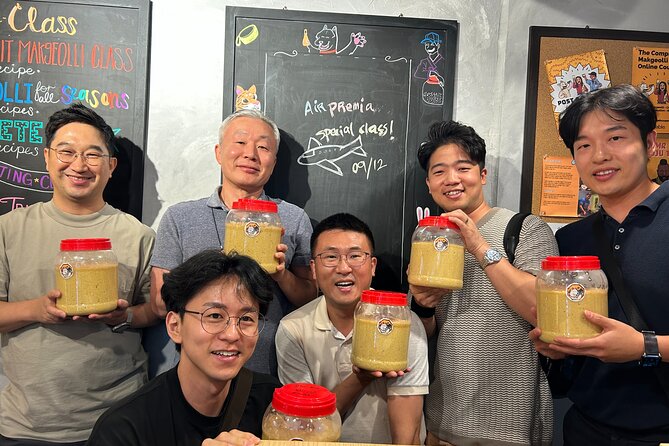
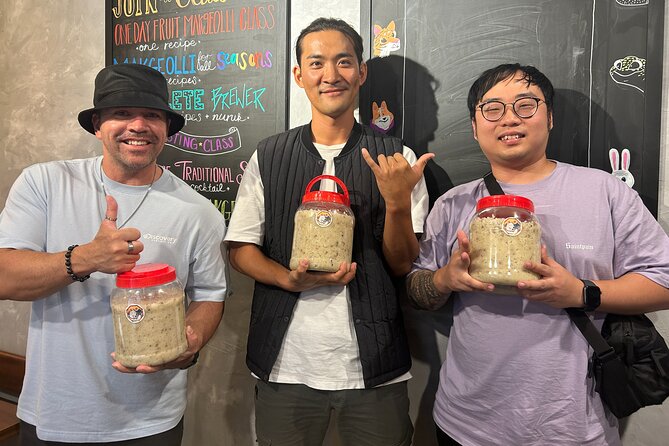
The best part is that you don’t end the experience with just a souvenir bottle. You take home your own makgeolli to continue fermenting after the class. The amount is about 1.2 liters, packaged for you to take from the classroom into your home routine.
This is where your expectations need to be realistic. Fermentation continues, and results can evolve depending on conditions at home. That doesn’t mean it will go wrong—it means you’re now participating in the process, like a real brewer.
You’ll feel more confident because the class doesn’t just show you how to do one batch. It trains you to understand fermentation so you can decide how to handle the next stage. If you like learning processes you can carry with you, this piece is a strong value driver.
Price and Value: Is $70.70 Worth It?
At $70.70 per person for a roughly two-hour small-group workshop, this isn’t the cheapest thing you’ll do in Seoul. But it’s also not just a drink ticket.
The value is that you’re paying for:
- A hands-on workshop with practical brewing instruction
- Tastings that teach you what differences mean
- A structured fermentation lesson you can reuse
- A take-home batch of about 1.2 liters you continue fermenting at home
If you compare it to spending similar money on multiple restaurant drinks, you get a lot more than an evening buzz. You leave with skills, plus a real brewing project that can turn into multiple future attempts if you decide to keep going.
One more practical point: the class is booked in advance fairly often, with an average booking window of about 23 days. If you want a specific date, it’s smart to reserve early rather than guessing.
Getting There Near Ahyeon-dong (And What to Expect When You Arrive)
The meeting point is 346-35 Ahyeon-dong, Mapo-gu, and the class ends back at the same place. You’ll have a mobile ticket, and the venue is described as near public transportation, so you should be able to reach it without a car.
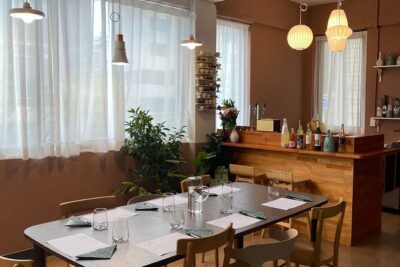
The space itself is described as quaint and cozy—more like a small market-style shop—so dress for a normal indoor workshop. Expect a friendly, intimate atmosphere where conversation and questions fit naturally.
Because the max group size is 15 travelers, it’s not the kind of activity where you feel lost in a crowd. You’ll likely spend a lot of time actually doing the steps rather than only watching.
Who Should Book This Class, and Who Might Skip It
Book this if you want more than a drink. You’ll enjoy it most if you like food craft, fermentation topics, or learning by doing. It’s also a great fit for couples or small groups because the class stays organized and interactive.
You’ll also like it if you’re the type who wants to understand what you’re tasting. The emphasis on aroma, sweetness, acidity, and texture turns the experience into palate training, not just sampling.
I’d consider skipping if you only want a quick cultural stop and you’re not interested in taking home fermentation work. This class gives you a brewing responsibility at the end. If you’d rather do everything in one sitting and be finished, that might feel like too much.
Should You Book Baekusaeng Makgeolli’s Makgeolli Class?
If you want a real cultural skill—something you can actually repeat—this is an easy yes. The combination of tastings, step-by-step fermentation education, small-group teaching, and a 1.2-liter take-home batch makes it feel like value, not just entertainment.
My advice: book it if you’re curious, patient, and excited to keep brewing after the class ends. You’re not just learning makgeolli for your trip. You’re learning a craft you can take home.
If you’re not sure, ask yourself one question: do you want to understand how it’s made, or do you just want to drink it? This class is for the first answer.
FAQ
How long is the makgeolli class?
It lasts about 2 hours.
How much does the class cost?
The price is $70.70 per person.
What group size should I expect?
The experience has a maximum of 15 travelers.
Do I take makgeolli home?
Yes. You take home your own makgeolli to ferment, approximately 1.2 liters.
Where does the class meet?
The meeting point is 346-35 Ahyeon-dong, Mapo-gu, Seoul, South Korea, and it ends back at the same location.
Do they use a mobile ticket?
Yes, the tour features a mobile ticket.
Can I cancel for free?
Free cancellation is available up to 24 hours in advance for a full refund.
Is the class okay for service animals?
Service animals are allowed.