REVIEW · DMZ TOURS
DMZ Tour (Exclusive offer: NK Defector meet up & Experience Hall)
Book on Viator →Operated by SEOUL CITY TOUR CO. LTD. · Bookable on Viator
The DMZ is history you can stand inside. This 7-hour Seoul day trip is a tight route to the big sites that explain how the Korean peninsula split, with a guide who keeps the story clear and practical. You’ll also get the exclusive add-on: an NK Defector meet-up and Experience Hall context.
I love that the day is built around major landmarks (not just a bus ride), including the 3rd Infiltration Tunnel, and that you’re not stuck in a compulsory shopping stop. Another big win is the guide style: you’ll hear real explanations and get time to ask questions, not just watch from behind glass.
One thing to consider: the schedule is firm, and the tunnel walk is steep and narrow. If you’re not comfortable with climbing in and out of a confined space, you’ll feel it more than you might expect.
In This Review
- Key things that make this DMZ tour worth your time
- Why the DMZ hits different on a 7-hour format
- Getting to the DMZ without making Seoul logistics your second job
- Imjingak Park: where the war still has visible objects
- Freedom Bridge timing and photo rules you should expect
- Dora Observatory: the border as a view, not a concept
- Dorasan Station: the reunification dream, in a train-station body
- The 3rd Infiltration Tunnel: the workout people underestimate
- The NK Defector meet-up and Experience Hall add a human layer
- How the guide turns a route into a story (and why names matter)
- What to pack (and how to behave) for a DMZ day
- Price and value: what $35 actually buys you
- Who should book this DMZ tour (and who should reconsider)
- Should you book the DMZ tour with NK defector meet-up?
- FAQ
- How long is the DMZ tour?
- Where does the tour start and end?
- What is included in the ticket price?
- Is lunch included?
- Do I need a passport?
- Will I receive a mobile ticket?
- What are the walking conditions like?
- What if military conditions cancel part of the itinerary?
Key things that make this DMZ tour worth your time
- Packed route, single day: multiple DMZ highlights in about 7 hours from Seoul.
- Guide-led context: expert explanations during the drive, not just at each stop.
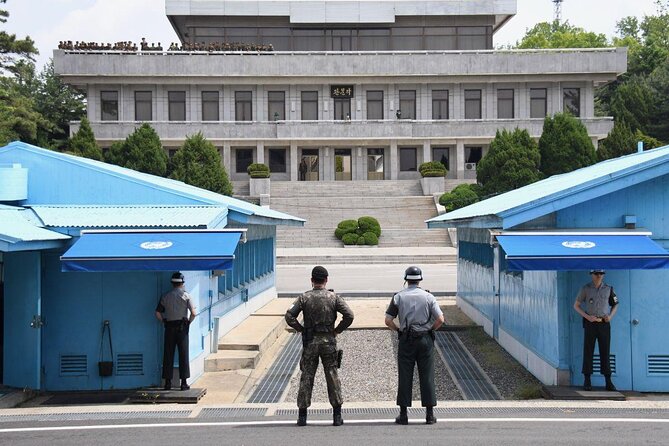
- Imjingak Park + Freedom Bridge: war artifacts along the Imjin River and the POW return story.
- 3rd Infiltration Tunnel: a real physical change of pace, with steep, narrow walking.
- NK Defector meet-up (exclusive): a human-scale perspective paired with the Experience Hall.
Why the DMZ hits different on a 7-hour format
A day trip to the DMZ can feel heavy. That’s the point. In a single outing, you go from the practical geography of the border to the human consequences of a peninsula split, and you do it in a way that’s structured enough for first-timers.
What helps most is that the trip doesn’t waste time. You get round-trip coach transport, an expert guide, and admission fees wrapped into the tour. Then each site builds on the last: the war-era area at Imjingak sets the stage, the tunnel shows how conflict planning worked underground, and the observatory-facing stops focus you on what separation looks like in daily life.
The exclusive add-ons matter too. Meeting an NK defector turns the history from facts into a voice you can process. The Experience Hall adds background so the conversation makes more sense. It’s not just a photo-op moment; it’s a guided story about choice, risk, and life after escape.
You can also read our reviews of more tours and experiences in Seoul.

Getting to the DMZ without making Seoul logistics your second job
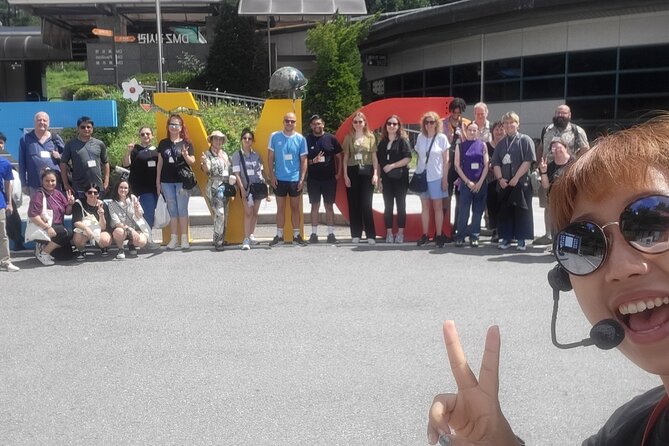
This tour runs from City Hall Station in Seoul, and it also ends back there. That’s convenient because it keeps your plan simple: show up, board, and get back the same day.
You’ll ride in a comfortable, air-conditioned coach, which matters because DMZ trips involve a lot of road time. The tour also includes immersive guidance during transit—so the long stretches don’t turn into dead time where you’re just staring at scenery.
There’s also a “group-size reality” check. The tour caps at 40 travelers, which is big enough to feel like a normal day trip, but small enough that your guide can manage questions and timing at each stop. In the reviews, the schedule “staying on time” is a repeated theme, and for a border day, that’s not small.
One more detail that affects your sanity: you’ll want to follow your guide’s instructions about when you can take photos. These stops come with rules, and the day goes smoother when you respect the photo timing.
Imjingak Park: where the war still has visible objects
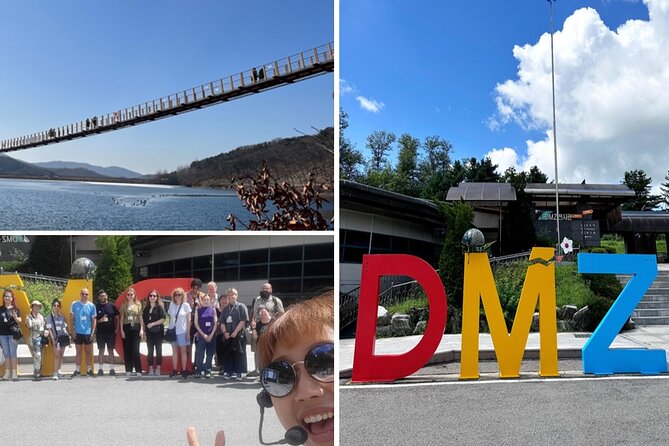
The first big stop is Imjingak Park, along the Imjin River. This is one of those places where the history isn’t abstract. You see artillery and war artifacts tied to the conflict, and you get a sense of how this river area became part of the human story of separation.
Then you move to Freedom Bridge. The bridge carries a specific, powerful detail: nearly 13,000 Korean POWs crossed it on their return back home to South Korea. Even if you know the peninsula split at a textbook level, hearing that number in context changes how you picture what happened.
Why this stop works: it gives you a foundation before you go into the more controlled border-viewing sites. It also slows your brain down. The DMZ can feel like an “attraction route,” but Imjingak makes it feel like a memorial zone with physical evidence.
Possible drawback: this portion includes outdoor walking and viewing time. If the weather is unpleasant, dress for the conditions, not for Seoul fashion.
Freedom Bridge timing and photo rules you should expect
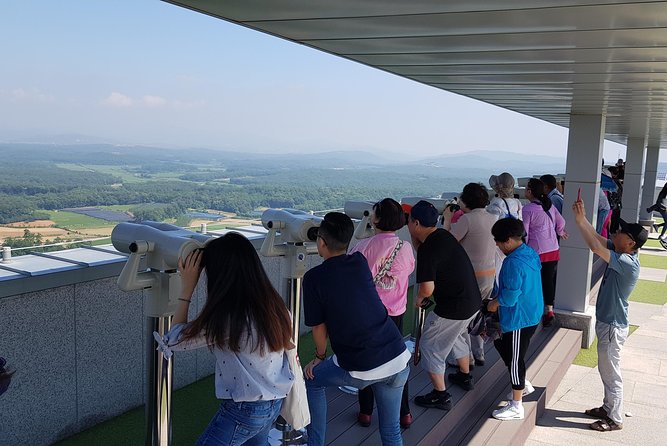
Freedom Bridge is one of the moments where timing and behavior matter. Your guide will manage when the group crosses viewpoints and when everyone groups back up for the coach.
Here’s what you should plan for:
- You may have brief photo windows. Don’t treat this like a slow wander.
- Follow your guide’s guidance on photo permissions. The DMZ has security procedures, and your guide is steering you through them.
If you’re the type who likes to take 30 photos of the same angle, this is not that day. You’ll do better if you decide in advance what you want—bridge view, river view, overall scene—then move on when your guide calls it.
Dora Observatory: the border as a view, not a concept
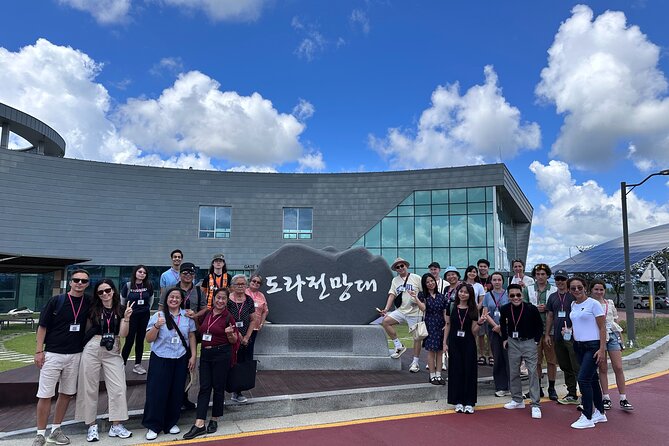
Next comes the observatory side of the experience: Dora Observatory. The heart of this stop is the sightline. You’re not just learning about division; you’re looking toward the North from a controlled viewing point.
In practice, this is where people often “get it” emotionally. From Seoul, the DMZ can sound like a headline. At Dora Observatory, it turns into a real line on the ground—distance, separation, and the limits of what ordinary life can do across that gap.
You’ll likely spend time looking through the observatory setup, and in conversations at this stop, the viewing experience (including binocular-style viewing opportunities) is often a standout. The key is to use your time actively. Ask your guide what you’re looking at and why certain areas matter.
Downside to note: observatory time can feel like “standing around” if you’ve come expecting lots of walking. The trick is to treat it like a classroom with scenery—your best return comes from listening closely and asking questions while you’re there.





Dorasan Station: the reunification dream, in a train-station body
Dorasan Station is a different kind of emotional stop. It’s built around the idea of connection—rails, movement, and what could happen if relations changed.
Even when you can’t imagine trains running here the way they do elsewhere, the station helps you map the DMZ story to something concrete: infrastructure, routes, and the political “what if.” It gives the day a forward-looking note, even though nothing about the border feels easy.
What you’ll like if you enjoy details: the station is a place where history meets planning. Your guide can connect what you see here to the broader context of the Korean peninsula’s division.
What to watch: this stop is part of a timed itinerary. You’ll want to stay with the group and not drift far, since the DMZ day is paced like a relay, not like a slow museum visit.
The 3rd Infiltration Tunnel: the workout people underestimate
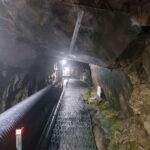
Now for the stop that surprises most first-timers: the Third Infiltration Tunnel. This is the portion where you stop thinking of the DMZ as geography and start experiencing it as engineering built for conflict.
The tour description calls out what matters for your body: there’s moderate walking through a steep and narrow tunnel. That’s not just an FYI. It changes your day. People often arrive expecting a “walk-through.” Instead, it can feel like a climb inside a constrained space.
Practical tips:
- Wear comfortable shoes with good grip. You want stable footing on uneven or sloped surfaces.
- Dress in layers you can manage, because tunnels can feel cooler or stuffy depending on conditions.
- Move at a steady pace. Your guide will keep you safe and on schedule.
This is also where pacing becomes personal. Some people slow down more than others, and the guides tend to manage the group while still allowing participants to follow their own physical pace. That’s a big reason many people walk away feeling the tour treated them well.
The NK Defector meet-up and Experience Hall add a human layer
The exclusive offer adds the portion that many visitors count as the emotional highlight: an NK Defector meet-up paired with an Experience Hall.
This is where the DMZ stops feeling like a “sites list” and starts feeling like lived history. Meeting a person who experienced North Korea changes the way you interpret everything you’ve just seen: artifacts, bridges, tunnels, and view platforms. Your questions shift from How does this work? to What did it cost?
The Experience Hall helps with context. It’s designed to give you a framework so the defector story lands with more clarity, not just as an isolated interview. Even if you’re not a hardcore history buff, this pairing makes the day easier to process.
One consideration: this part of the day can require attention and listening. If you’re hoping for a “low-brain” outing, this isn’t that. It’s respectful, intense, and worth your focus.
How the guide turns a route into a story (and why names matter)
On DMZ tours, the guide isn’t a background role. The best guides act like an interpreter for a complicated place—where every stop carries a reason and every perspective has context.
In this tour’s track record, names like Felicity, Katie, Grace, Miel, Yeoni, Erica, AJ, and Laura show up often, and the recurring pattern is consistent: strong energy, clear explanations, and good group management. People also point out punctuality and a smooth day flow, which is crucial when multiple controlled stops are involved.
If you want to get the most out of your day, use this simple strategy: ask one or two questions during each major stop, not all at once. Your guide can then tailor answers while you’re still looking at what they’re describing.
Also, don’t underestimate pacing. Multiple guides on this tour are praised for keeping the schedule moving without feeling like a rushed checklist. That balance matters because the DMZ is already emotionally intense.
What to pack (and how to behave) for a DMZ day
This is one of those tours where what you wear can make the day better or worse.
Bring:
- Comfortable walking shoes for the tunnel portion
- Light layers (you’re moving between indoor and outdoor areas)
- A small day bag for essentials (you won’t want to carry anything bulky)
Follow tour guidance:
- Listen to your guide about when and where photos are allowed.
- Stay with the group and follow safety instructions, especially around steep areas.
A small but important mindset tip: the day includes both reflective stops and physically challenging sections. Plan to hydrate, take breaks when your guide calls them, and don’t treat every moment as time for filming.
Price and value: what $35 actually buys you
At $35 per person, this tour is priced like a serious budget-friendly day trip—but it’s not “bare bones.” What you’re paying for includes:
- Coach transport (round trip)
- An expert guide
- Admission fees
Not included:
- Lunch
- Tram
- Hotel pickup/drop off (the tour has a City Hall Station start/end)
Here’s how I’d judge value: the DMZ itself isn’t a casual free attraction. Admission fees and transport costs add up fast in South Korea, especially for a long day. With guide-led commentary and several major stops, the money goes toward structure and access, not just scenery.
The only predictable extra cost is lunch. If you can handle bringing snacks or paying for lunch on your own, you’ll feel the value strongly.
Who should book this DMZ tour (and who should reconsider)
Book it if:
- You want a first-timer-friendly route that still covers the core landmarks
- You care about how the peninsula split, with both physical sites and human context
- You like guided Q&A and a planned schedule that keeps you moving
This tour also works for families in the sense that guides often handle mixed ages well. In the feedback, some guides are praised for keeping kids engaged, which says a lot about how they teach.
Consider skipping or doing extra research if:
- You’re not comfortable walking in a steep and narrow tunnel
- You hate tight timing and expect lots of wandering at your own pace
- You’re sensitive to emotionally intense content (the defector meet-up is not a light stop)
This is a high-impact day. Your comfort level with both the physical tunnel and the human stories should guide your decision.
Should you book the DMZ tour with NK defector meet-up?
I’d book this if you want one day in Seoul to turn into real understanding of the Korean peninsula. The standout value is the combo: major DMZ sites plus the human component through the NK defector meet-up and Experience Hall. It turns the DMZ from “something you saw” into “something you understood.”
Skip it if tunnel walking is a deal-breaker for you, or if you want a low-energy, purely scenic day. Also, if you’re the type who needs lots of unscheduled time, this itinerary is paced like it has an appointment book.
If you’re okay with a structured, meaningful day and you can handle the tunnel, this is a strong way to spend 7 hours at the edge of history.
FAQ
How long is the DMZ tour?
It lasts about 7 hours.
Where does the tour start and end?
The start and end point is City Hall Station in Seoul.
What is included in the ticket price?
You get an expert guide, round-trip transport by air-conditioned coach, and admission fees.
Is lunch included?
No, lunch is not included.
Do I need a passport?
Yes. A current valid passport is required on the day of travel.
Will I receive a mobile ticket?
Yes, the tour uses a mobile ticket.
What are the walking conditions like?
There is a moderate amount of walking, including a steep and narrow tunnel section.
What if military conditions cancel part of the itinerary?
If parts are cancelled due to unexpected military conditions or local circumstances, there is no refund.