REVIEW · DMZ TOURS
Small Group Tour to DMZ & Suspension Bridge with Hotel Pickup
Book on Viator →Operated by Here Korea Travel · Bookable on Viator
A divided peninsula, a real border line, and a walk that changes your perspective. This small-group DMZ day trip blends major sites like Dora Observatory and the Third Tunnel with a final stroll on a suspension bridge near Gamaksan Mountain.
I love how smoothly it runs with hotel pickup and a capped group size. You’ll also get clear, site-by-site context from guides such as Joo-Ee, Jiwon, Vincent, Joey, or Jones. One heads-up: the day starts early and includes steep, tiring walking—especially around the tunnel and the bridge area.
In This Review
- Why This DMZ Tour Works Better Than You’d Expect
- What I Like Most (and Why It Matters)
- The One Thing to Consider Before You Book
- Key Points You’ll Appreciate
- Seoul to the DMZ in One Day: What This Tour Really Offers
- Hotel Pickup, 7:30am Start, and the 8–10 Hour Reality
- Imjingak Pyeonghoa-Nuri Park: Freedom Bridge to the Ticket Stop
- Crossing Into the DMZ (Blue Line Moment) and Why Weather Matters
- Mangbaedan: A Short Stop That Hits the Human Level
- The Third Tunnel: The Walk You’ll Remember
- Dora Observatory: Naked-Eye Views and Binocular Time
- Tongil Chon Unification Village: Produce, Souvenirs, and Small Signals
- Gamaksan Chulleong Bridge: The Calm Finale (With a Hill)
- The Return Stops: Hongdae, Myeongdong, Gwangjang, and Dongdaemun
- Price and Value: Is $65 Fair for a DMZ Day?
- What to Bring and How to Prepare for the Walking
- Guide Quality: Why the Names Matter
- Should You Book This DMZ Tour with Hotel Pickup?
- FAQ
- How long is the DMZ & Suspension Bridge small group tour?
- What time does the tour start?
- What’s the group size limit?
- What’s included in the price?
- What’s not included?
- Do I need to bring my passport?
- Is the tour physically demanding?
- Can I see North Korea clearly at Dora Observatory?
- Is free cancellation available?
Why This DMZ Tour Works Better Than You’d Expect
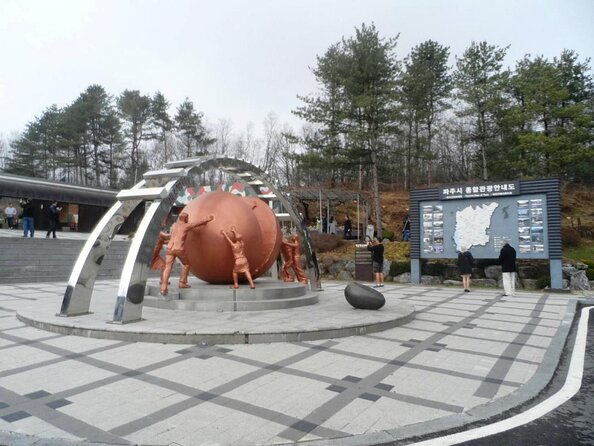
This is the kind of tour that earns its place on a Seoul itinerary because it’s practical, structured, and tightly focused on seeing the places that explain Korea’s division. You’re not just visiting a border-themed photo stop; you’re moving through the key zones that shape the story.
What I Like Most (and Why It Matters)
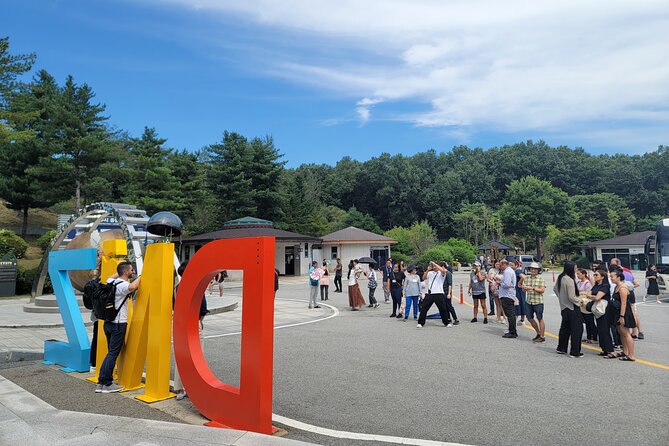
I like the small group size (max 17) because it keeps the pace human. I also like that entry fees to the DMZ and the suspension bridge are included, so you’re not stuck doing surprise calculations mid-day.
You can also read our reviews of more tours and experiences in Seoul.

The One Thing to Consider Before You Book

If you’re sensitive to early mornings or you’re not comfortable with hills, plan carefully. The walk down and up during the Third Tunnel can feel tough, and the hill to the suspension bridge area is steep enough that skipping parts is sometimes possible.
Key Points You’ll Appreciate
- Small group cap (17 max) means more manageable pacing and easier questions.
- Hotel pickup in Seoul keeps the morning simple—no long taxi hunts at 7:30am.
- No hidden fees for DMZ entry: entry to DMZ + suspension bridge is included.
- Blue line crossing experience during the DMZ drive gives the day a real sense of place.
- Third Tunnel + Dora Observatory are the two anchors for sights and photos.
- Gamaksan suspension bridge adds nature and a breather after the heavier stops.
Seoul to the DMZ in One Day: What This Tour Really Offers
A DMZ trip from Seoul is always a trade-off: you’re spending most of your day in transit to reach sites that are time-sensitive and tightly regulated. This tour makes that trade-off feel fair because it’s built around two things most people want from the DMZ—context and actual viewing points—without wasting your time on unrelated detours.
The day has a rhythm: morning border-history sites, midday observatory and tunnel areas, then a calmer endpoint on the Gamaksan Chulleong Bridge. That structure matters. When you arrive at the Dora Observatory portion or the tunnel entrance, you’re already mentally prepared for what you’re seeing.
This is also a good “first DMZ choice” if you want a single guided day rather than stacking multiple excursions. The guide support helps you understand what you’re looking at—especially at the viewpoints where the landscape can feel confusing if you don’t know where to focus.
Hotel Pickup, 7:30am Start, and the 8–10 Hour Reality
Start time is 7:30am, and the total day runs about 8 to 10 hours. That’s early, but it’s the normal rhythm for a DMZ day. You’re leaving before crowds and before the day heats up—plus it gives enough time to fit the regulated DMZ stops and still end with the suspension bridge walk.
Hotel pickup is offered from select Seoul hotels, and drop-offs are listed as Hongdae, Myeongdong, Gwangjang Food Market, and Dongdaemun. That’s convenient because you can choose where you want to land for the evening. The ride itself is in an air-conditioned vehicle, which you’ll appreciate once you’re back above ground after tunnel time.
One practical tip: plan to be ready and on time. Guides and drivers on this route have to keep to schedules, and you don’t want your whole group waiting while you search for the right exit at a busy hotel. Even small delays can tighten the rest of the day.


Imjingak Pyeonghoa-Nuri Park: Freedom Bridge to the Ticket Stop
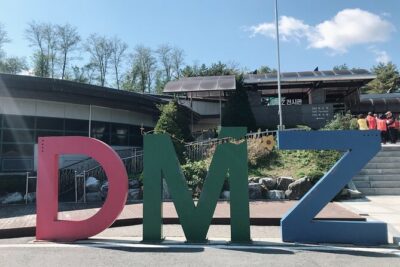
You’ll begin with a stop at Imjingak Pyeonghoa-Nuri Park, which functions as a key DMZ staging area. You’ll also buy DMZ-related tickets there because there’s no reservation system for this ticket process. It’s quick, but it is an important administrative step—so treat this as part of the experience, not something to rush through.
Here’s what makes this park stop worth paying attention to:
- You can see the Freedom Bridge and the Bridge of No Return, both closely tied to the way the Korean War armistice is remembered.
- There’s a derailed locomotive display—one of those “how do people process this?” objects that stays with you longer than a photograph.
- You can also take in views from the top of the building in the area, which helps you orient yourself before you move into the DMZ proper.
If you’re the type who likes to understand symbols before you see the bigger border sites, this early stop gives you the right mental key.
Crossing Into the DMZ (Blue Line Moment) and Why Weather Matters
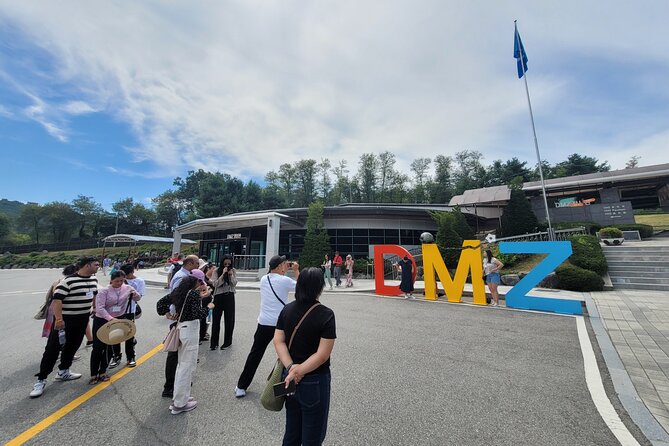
The core DMZ drive part is where the day starts feeling real. You’ll ride to the DMZ sites by bus, and the route involves going into the Civilian Control Zone (CCZ) on the way. Then, to reach the DMZ destination, you cross the blue line—which means you’re not just hearing about the border, you’re experiencing the boundary line in your route.
At many DMZ viewing areas, visibility matters more than you expect. If the weather isn’t right, you may not see much across the border, even when you’re standing in the right place. That’s not a complaint about the tour—it’s just how line-of-sight works out there.
So if you want the best odds for Dora Observatory viewing, keep your day flexible in your mind. Bring patience, and don’t treat the day like a guaranteed clear-sky movie scene.
Mangbaedan: A Short Stop That Hits the Human Level
After the main DMZ movement, you’ll visit Mangbaedan. This is an altar where North Korean refugees in the South hold ancestral rites on major holidays for parents and grandparents left behind in the North. There’s also an exhibition hall connected to the place.
The value here is that the tour doesn’t only focus on weapons, tunnels, and official lines on maps. Mangbaedan grounds the day in people—what separation does across generations.
It’s also a practical break in the schedule. The site is short, so you’re not spending hours “being solemn.” You’re getting a focused moment that makes the next stops feel less like sightseeing and more like understanding.
The Third Tunnel: The Walk You’ll Remember
The Third Tunnel is one of the hardest-hitting stops on this route, and it’s also one of the most physically demanding. It’s a tunnel dug after the Korean War, discovered based on defector information, and located about 52km from Seoul.
What you’ll experience:
- The walk down can feel manageable, but the walk back up can be a serious effort—especially if you’re tired from the morning.
- The tunnel walk can involve bending forward for a lot of it, and you may need to wear a hard hat.
- There’s an added challenge because the tunnel passageway is confined, and the angle is awkward compared to outdoor walking.
This is the stop where your fitness level matters most. If you’re traveling with seniors or you know you’ll struggle on the return climb, plan to take your time and use any rest pauses available.
Also, treat the Third Tunnel as an experiential history lesson. It’s not only about what happened. It’s about what it would feel like to be inside—small scale, low comfort, and no sense of freedom.
Dora Observatory: Naked-Eye Views and Binocular Time
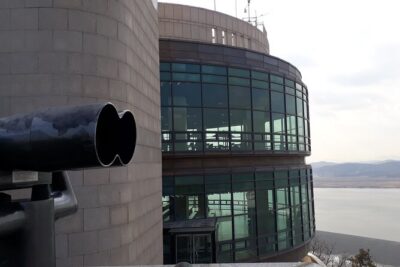
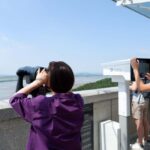
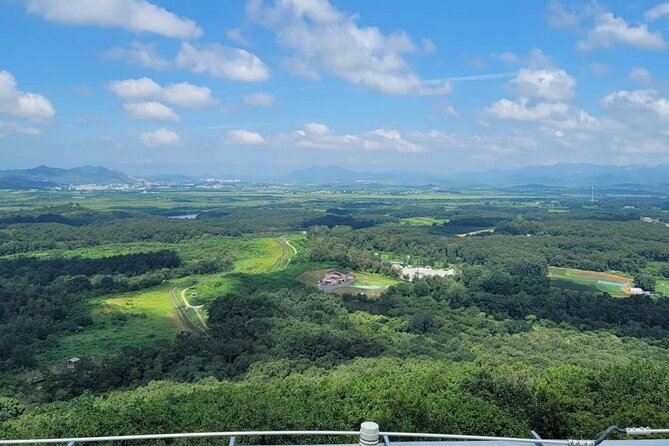
After the tunnel, your eyes need a breather—and Dora Observatory does that job. The observatory is often the highlight because you can see North Korea with your naked eyes, and use binoculars provided at the site.
This is also the stop where good guidance helps. If you don’t have someone explaining what you’re seeing, it can turn into a guessing game. With context, you learn where to focus and what patterns across the border mean.
The short visit window makes planning your “look time” important. When you reach the right viewing points, don’t rush to the first photo and then walk away. Stand a few minutes, compare what you can see, and then use binoculars for the details.
One honest note: again, weather matters. If visibility is poor, the experience may feel anticlimactic. On the upside, the observatory still gives you a structured, meaningful view into what the border looks like from this side.
Tongil Chon Unification Village: Produce, Souvenirs, and Small Signals
Next comes Tongil Chon (Unification Village). This stop is shorter, but it adds a different flavor to the day: you can check local produce harvested in the DMZ and browse souvenirs.
Why this is worth a brief visit: it shows how the DMZ isn’t only about conflict. It’s also a working, managed area in daily terms. Even if you only spend 10–15 minutes here, you’ll leave with a souvenir that feels connected to the broader theme of the trip instead of random gift-shop items.
If you’re a foodie, the produce element can be a fun way to translate the history you learned earlier into something tangible.
Gamaksan Chulleong Bridge: The Calm Finale (With a Hill)
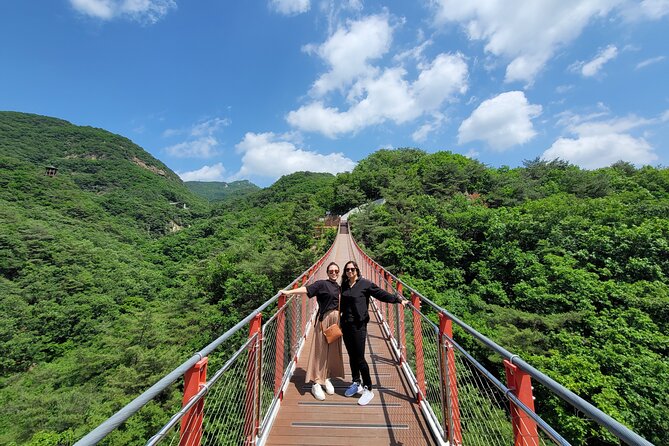
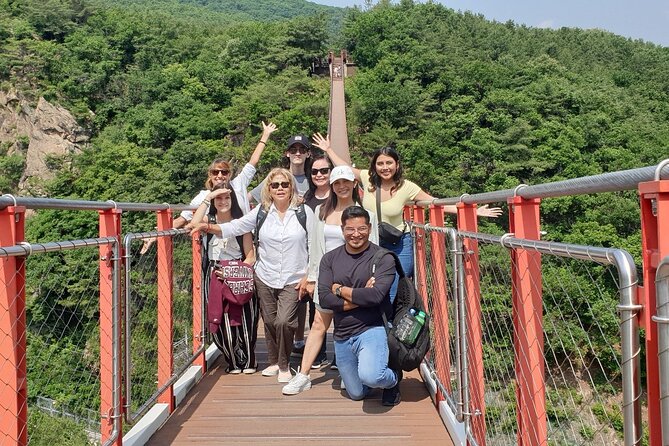
The day finishes with Gamaksan Chulleong Bridge, a suspension bridge near Mt. Gamaksan. It’s listed as a scenic spot now, but it was used as a fierce battlefield area during the Korean War. That mix—beauty layered over painful ground—is exactly why this stop works as an ending.
Two practical points to know:
- Expect walking. You may need a decent effort to get to the bridge area, and one review mentioned the suspension bridge walk could be skipped if needed.
- This is a good place to slow down and reset your energy. After the tunnel and observatory, your brain benefits from open air and views that don’t require tight focus or binocular scanning.
This finale is where the tour gives you a full-day arc rather than a pile of checkpoints.
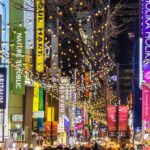
The Return Stops: Hongdae, Myeongdong, Gwangjang, and Dongdaemun
You finish with drop-offs that make it easy to keep the day going without scrambling for transport. Drop-off options include Hongdae, Myeongdong, Gwangjang Food Market, and Dongdaemun.
Here’s what each area offers based on the info you’re given:
- Gwangjang Food Market: described as one of Seoul’s oldest markets, with over 120 street food options. It’s also listed as a filming location for the Netflix series Chefs on Street.
- Dongdaemun: you’ll be near Dongdaemun Design Plaza and shopping malls. The area is also tied to Korean bathhouse culture, with jjimjilbang and Dongdaemun Sparx mentioned.
If you book this tour and want a payoff after the heavy morning, these return stops help. You can go straight from a DMZ observatory mindset into street food and a shopping walk without changing your plan.
Price and Value: Is $65 Fair for a DMZ Day?
At $65 per person, this tour is priced in a way that makes sense for a day that includes:
- Hotel pickup
- Air-conditioned transport
- DMZ entry and suspension bridge entrance fees
- Guided context across multiple regulated sites
- A small group format (max 17)
The big value here is not just the cost. It’s the reduced friction. DMZ tours can get expensive once you add entry fees and separate logistics. This package simplifies the day with clear inclusions, so you can spend your attention on the sites instead of invoices.
Two things not included: lunch and hotel drop-off (you get drop-off at listed city areas). If you’re the kind of traveler who always wants a guaranteed meal, plan on grabbing lunch on your own either before the tour starts or during one of the breaks you’ll encounter.
What to Bring and How to Prepare for the Walking
You’ll want comfortable walking shoes. The itinerary includes indoor and outdoor walking, plus steep movement—especially if you do the tunnel walk and then later head toward the suspension bridge area.
Other essentials:
- Bring your passport. Everyone in your group needs it.
- Plan for cool-downs and warm-ups. The day moves between air-conditioned bus time and more exposed outdoor segments.
- If you’re traveling with seniors or someone who struggles on steep climbs, plan to go slow at the Third Tunnel and consider skipping parts of the suspension bridge walk if needed.
Also keep your phone ready. The tour uses a mobile ticket, and you’re asked to add your country code when booking—small detail, but it matters for communication.
Guide Quality: Why the Names Matter
A DMZ day can feel intimidating. The right guide turns it into something you can handle—information you can digest, pacing that keeps you from feeling lost, and answers that make each stop clearer.
In the guides you may meet, the common thread in the provided details is that they’re communicative and structured. Names you might encounter include Joo-Ee (also described as highly organized and friendly), Jiwon, Vincent, Joey, and Jones. You’ll likely spend a good amount of time on the bus, but the strongest tours use that travel time for context rather than silence.
If you care about understanding the “why” behind each place—tunnels, observatories, and memorial sites—this tour format is built for that.
Should You Book This DMZ Tour with Hotel Pickup?
Book it if you want a single, guided, small-group DMZ day that hits the major points: Imjingak, the DMZ viewpoints, Mangbaedan, the Third Tunnel, Dora Observatory, and a final nature-and-history walk on Gamaksan Chulleong Bridge. The included fees and hotel pickup make it low-stress compared with piecing together segments yourself.
Skip or think twice if you:
- struggle with steep walking climbs (the Third Tunnel return walk is the main concern)
- need guaranteed clear cross-border visibility (weather can limit what you’ll see)
- hate early starts (7:30am pickup is non-negotiable on this style of route)
Overall, this is a good value way to experience one of the most meaningful day trips you can do from Seoul—especially if you like the kind of history that comes with real geography, real scale, and real emotion.
FAQ
How long is the DMZ & Suspension Bridge small group tour?
The tour runs about 8 to 10 hours.
What time does the tour start?
The start time is 7:30am.
What’s the group size limit?
The tour has a maximum of 17 travelers.
What’s included in the price?
You get hotel pickup in Seoul, transport in an air-conditioned vehicle, an experienced tour guide, entrance fees to the DMZ and suspension bridge, and drop-off at areas like Hongdae, Myeongdong, Gwangjang Food Market, or Dongdaemun.
What’s not included?
Lunch is not included, and hotel drop-off is not included.
Do I need to bring my passport?
Yes. You must bring your passport, and everyone in your group needs it.
Is the tour physically demanding?
It includes walking and moderate fitness is recommended. The tunnel walk can be challenging for seniors, especially on the way up, and the suspension bridge area involves walking with a steep hill.
Can I see North Korea clearly at Dora Observatory?
The view depends on conditions. The tour highlights that you can see North Korea with your naked eyes and binoculars, but if the weather is not good, visibility across the border may be limited.
Is free cancellation available?
Yes. You can cancel for a full refund up to 24 hours in advance of the experience’s start time.