REVIEW · SEOUL
Spiritual Adventure: Into Inwangsan and Korean Shamanism
Book on GetYourGuide →Operated by Ethan Kim · Bookable on GetYourGuide
Want Seoul’s spirits in daylight?
This is a small-group hike on Inwangsan where Korean shamanism is explained through real places and real symbols, not spooky theater. You’ll visit shamanic hotspots and finish at Guksadang, the most iconic shaman shrine in Seoul, with time set aside for stories, photos, and (if you choose) a live fortune reading.
I love the storytelling approach led by English guide Ethan Kim—my favorite part is how the myths and legends connect back to ordinary Korean life. I also like the hands-on cultural touch: you write your own wish or prayer charm to take home or leave at the shrine, so the experience sticks in your memory after you head back down.
The main thing to consider is effort. You’ll do a slight uphill climb and some uneven paths, and while the shaman meeting/reading is included as an option, it’s not automatic for every schedule—plan based on what you actually want to experience.
In This Review
- Key highlights you’ll feel, not just read
- Why Inwangsan works better than a museum tour
- Start near Dongnimmun and walk into the right mindset
- The forest hike: photo stops, legends, and shamanic clues
- Shrine stops and offerings: what you’re looking at
- Guksadang: the most famous shamanic shrine in Seoul
- Meeting a real Korean shaman: what the session feels like
- The wish or prayer charm: your takeaway you can keep
- Timing and pace: how long it really takes
- Who this tour suits best
- Practical tips so your visit feels smooth
- Value check: is $27 worth it?
- Should you book this Into Inwangsan and Korean Shamanism tour?
- FAQ
- How long is the tour?
- Where does the tour start?
- Where does the tour end?
- Is the shaman meeting and live reading included?
- Can I write a wish or prayer charm?
- What language is the tour guide?
- What should I bring?
- Is transportation included?
- Is food or drinks included?
- Is the tour suitable for everyone?
Key highlights you’ll feel, not just read
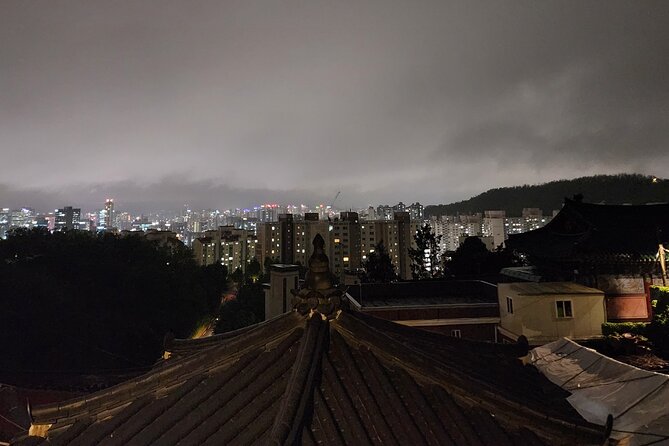
- Inwangsan’s sacred mood up close: forested paths, shrine stops, and city views while the guide explains spiritual symbolism
- Guksadang story session: history, resistance spirit, and why this shrine matters in Seoul
- A real mudang encounter: you may witness a short live divination or spiritual consultation with interpretation
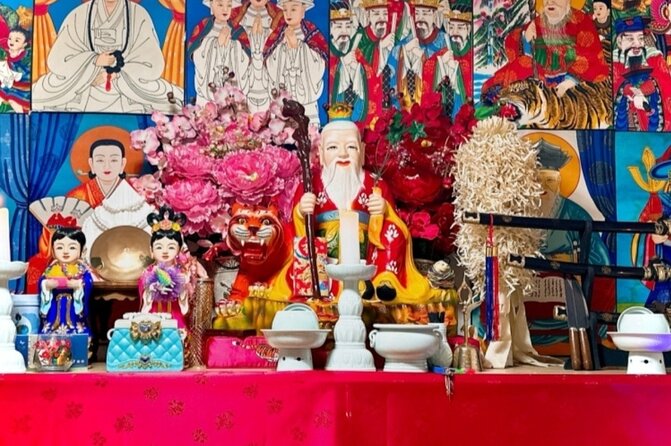
- Ritual objects made understandable: swords, bells, and fans explained in plain English
- Wish or prayer charm moment: write something personal, then choose to keep it or leave it at the shrine
- Respectful, not gimmicky: this tour aims for cultural meaning over thrills
Why Inwangsan works better than a museum tour
Inwangsan isn’t just a mountain. It’s a “spiritual address” in Seoul—one where nature, myth, and daily life overlap in a way that feels very Korean. What makes this tour compelling is that you’re not only hearing about shamanism; you’re moving through the spots where people have practiced for generations.
If you’re the type who likes context—how beliefs survive changing eras—this tour gives you that. You learn how Korean shamanism has shifted across dynasties and modernization while still staying present in people’s minds. That continuity matters, because it turns shamanism from an abstract topic into something you can recognize on the streets and in family conversations.
And yes, there are practical rewards: the hike is short-to-moderate, there are photo stops along the way, and the atmosphere around the shrines can feel genuinely otherworldly without needing special effects.
You can also read our reviews of more tours and experiences in Seoul.


Start near Dongnimmun and walk into the right mindset
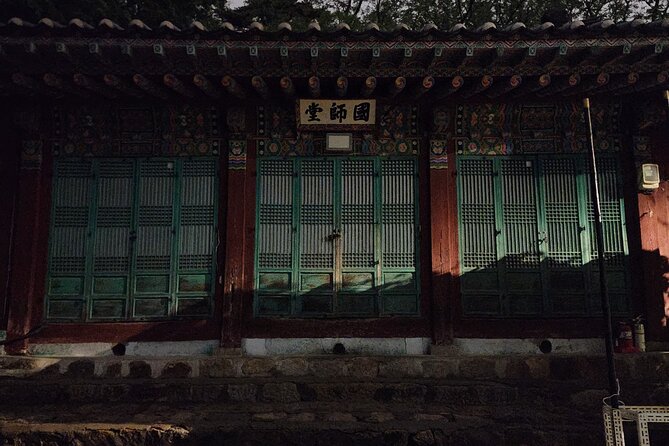
Most departures begin near Dongnimmun Station (Exit 3), though the exact meeting point can vary depending on the option you booked. You’ll start at the base of Inwangsan and get oriented before you head uphill—plus you’ll have a safety briefing so everyone knows what to expect on the path.
This is where you’ll set your expectations. The guide frames Korean shamanism respectfully, with the idea that you’re learning a living cultural practice—not chasing ghosts or treating it like entertainment. That tone shows up again and again during the tour, including how the shrines are approached.
From the start, the pace is designed for small groups. You’ll be able to ask questions, and the guide can adapt if the group’s energy is more photo-focused or more story-focused.
The forest hike: photo stops, legends, and shamanic clues
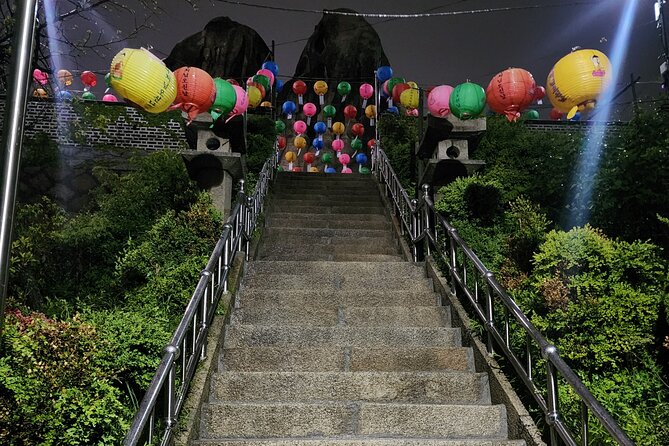
About an hour into the walk, you’ll hit the first main rhythm of the tour: scenic viewpoints, a guided tour section, and photo opportunities. Inwangsan’s forested paths help you slow down. You’re not trapped in a city lane listening to facts—you’re in an environment that makes the symbolism easier to grasp.
One of the best parts here is how the guide connects landscape features to belief. You’ll hear stories about mountain spirits and ghost legends, plus references to rituals that are still practiced today. Even if you’re skeptical, the stories land as cultural history. You start noticing how people interpret nature as active and meaningful, not just scenery.
What to bring is simple: comfortable shoes. The tour isn’t described as a strenuous trek, but it does include a slight uphill climb and some uneven ground. If you’re prone to shin fatigue, lace up well and take your time on the ascent.
Shrine stops and offerings: what you’re looking at
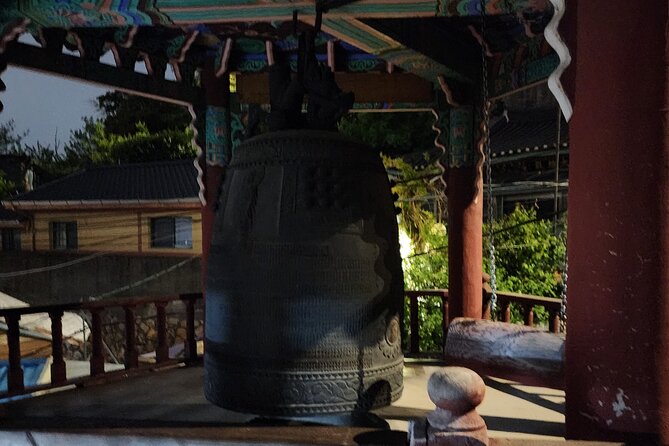
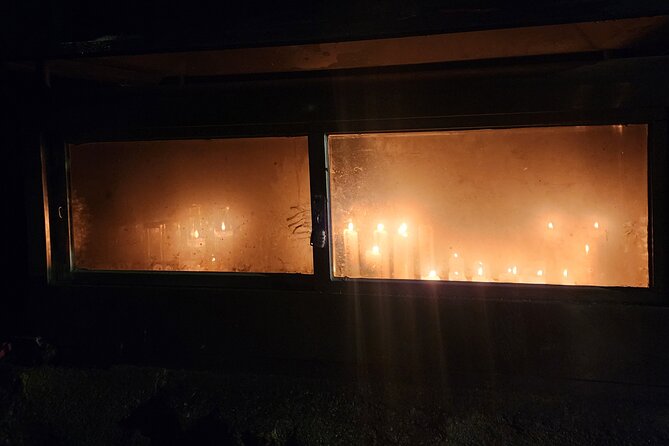
As you continue, you’ll visit hidden shrines and ritual sites tucked into the mountain. This is one of the tour’s “aha” moments. You’ll see offerings left by local shamans and villagers—things like candles, rice, alcohol, and written prayers—and the guide explains what these choices mean.
Here’s the key value for you: the tour doesn’t ask you to guess. It helps you interpret the items using Korea’s animistic worldview, where people believe spirits and fate can be influenced through respectful ritual behavior. That’s not just interesting; it changes how you read what you see later, whether it’s a shrine corner in Seoul or a family member’s story about luck and health.
Keep your eyes open for symbolism. The guide points out ritual elements and ties them to what you’re learning about gut ceremonies—shamanic events used to communicate with spirits and address concerns that feel personal and urgent.
Guksadang: the most famous shamanic shrine in Seoul
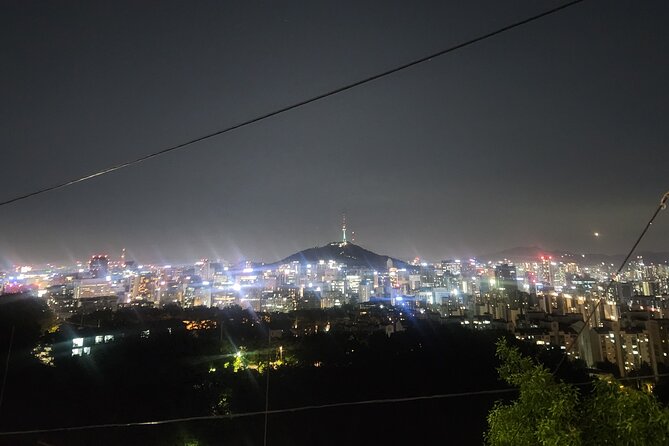
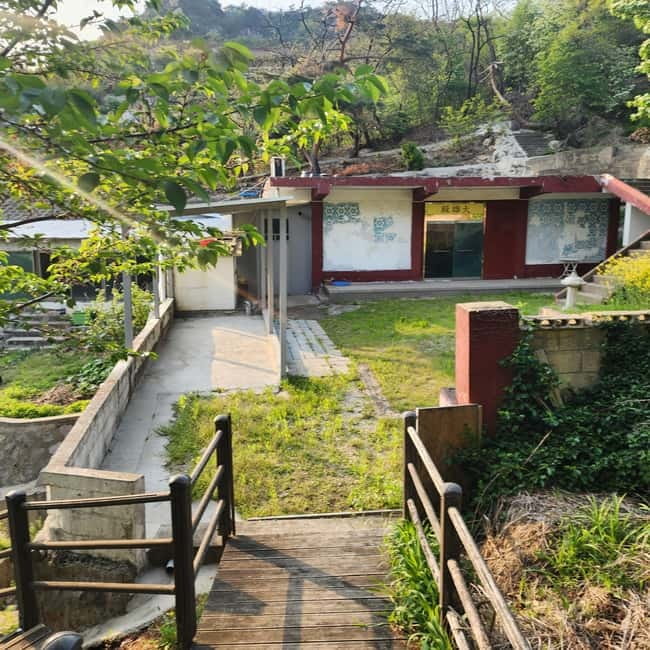
The centerpiece is Guksadang, a famous shamanic shrine in Seoul where the guide pauses for storytelling and cultural interpretation. This part matters because it gives the tradition structure. You learn about the shrine’s turbulent history and the resistance spirit embedded in Korean shamanism—how belief can act like a quiet form of survival.
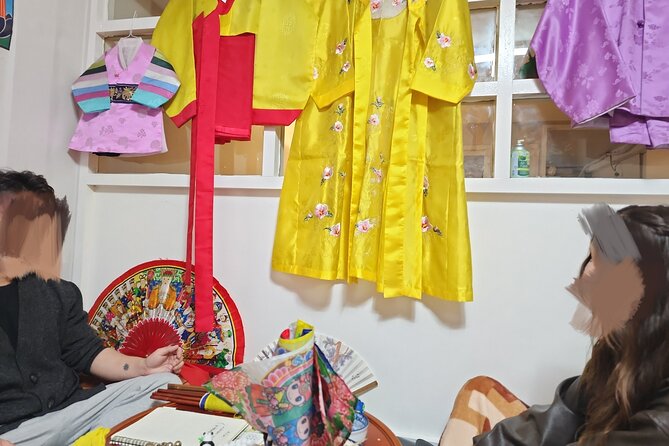
You’ll also get a clearer view of who participates and what roles they play. The guide explains gut rituals, plus the colorful costumes associated with mudang (shamans). You’ll hear why certain shaman practices are performed and what kinds of spiritual mediation they aim to achieve.
This is also where you’ll be introduced to specific ritual items used in ceremonies, including swords, bells, and fans. The tour does a good job of turning objects into meaning. Instead of treating these items like props, you learn how they function within the ritual language.
Expect a slower pace here. This isn’t meant to be rushed. You’ll have time for questions, photos, and absorbing the atmosphere.






Meeting a real Korean shaman: what the session feels like
The climax is a private audience with a real Korean shaman, offered as an optional part of the tour. Depending on your selection and the schedule, you might witness a short live divination session or a spiritual consultation with interpretation.
What I like about this segment is the tone. It’s presented as personal, not sensational. You’re encouraged to keep an open mind and approach with respect. You’re not “shopping” for answers; you’re seeing how Koreans may seek guidance on health, career, family, and fate through divine spirits.
In plain terms: the shaman reading is the moment when shamanism stops being a lecture. You get a window into spiritual thinking as practiced, including how energy and connection are described in the consultation process.
If you choose the reading, be ready with a few topics you genuinely care about. The most satisfying sessions are the ones where you can listen closely and ask a few questions during interpretation.
The wish or prayer charm: your takeaway you can keep
No matter whether you do the live reading, you’ll get a chance to write your own wish or prayer charm. This is a surprisingly powerful moment for many people because it turns learning into action.
You can take the charm home or leave it at the shrine area, depending on what fits your comfort level and the instructions provided. Either way, you leave with something tangible that reflects what you hoped for during your time on Inwangsan.
This is also a good chance to slow down. After walking, reading symbols, and listening to stories, writing a wish helps you focus. You’re not just taking photos—you’re capturing a personal intention.
Timing and pace: how long it really takes
The experience is typically described as about 2.5 hours, and the “duration” range on scheduling can vary by departure. What you’ll likely feel in real time is a mix of walking plus a few stop-and-explain segments that make the pace feel manageable rather than sprinty.
The tour includes a warm-up to the hike mindset, then steady movement through Inwangsan’s shamanic hotspots. You’ll also get an air-conditioned vehicle after the hiking portion, which helps once you’ve finished the uphill and want to cool down before moving on with your Seoul day.
If you plan your schedule, treat this as a meaningful activity—not a quick add-on. I’d slot it earlier in the day if possible, so you’re not rushing from one stop to another while still thinking about what you heard.
Who this tour suits best
This tour is a strong fit if you want more than Seoul postcard sightseeing. It’s ideal for you if you like:
- Cultural experiences with real context
- Myth and history that connect to how people live now
- Short walking tours with story-based guiding
- Spiritual curiosity that still values respect and explanation
It’s not a fit if you’re looking for a thrill ride. This isn’t built as haunted-house spooky. You’ll be learning and observing, and the spiritual parts are handled in a grounded, culturally sensitive way.
Also, if you have mobility challenges, respiratory issues, or hearing accessibility needs, the tour may not work for you based on what’s described as suitable. In those cases, read the “not suitable for” guidance carefully before you book.
Practical tips so your visit feels smooth
A few things will make your experience better on the ground:
- Wear comfortable shoes. The uphill and mountain paths are part of the deal.
- Bring a light jacket or umbrella depending on weather.
- Keep a respectful posture around shrines and offerings. No smoking, no littering, and no alcohol/drug use are allowed during the experience.
- Pets and oversize luggage aren’t allowed, so travel light and keep your bag minimal.
- Come with questions. You’ll have time for Q&A, and the guide’s job is to connect the ritual symbols to Korean culture in a way you can actually use.
Small details like these matter because shamanism here is treated as a real cultural practice. When you match the tone, the experience tends to feel more genuine—and less like a performance for your camera.
Value check: is $27 worth it?
At $27 per person, this tour is priced like a mid-range cultural activity in Seoul, and the value comes from the combination: the mountain walk, multiple shrine stops, and the option for a live shaman session plus interpretation.
If you only expected a basic sightseeing walk, it would be overpriced. But you’re not just getting views. You’re getting:
- Guided cultural interpretation tied directly to specific places
- A structured look at gut rituals and shaman roles (mudang)
- The Guksadang storytelling focus
- The wish/prayer charm component
- Option to include a personal divination/consultation
That package is hard to recreate on your own in a single afternoon because you’d need both cultural context and access to the live shaman experience. So for the right traveler, this feels like a cost-effective way to go beyond Seoul’s surface.
Should you book this Into Inwangsan and Korean Shamanism tour?
Book it if you want an authentic Seoul side that’s about beliefs, stories, and symbols—not only temples and photos. It’s especially worth it when you care about how Korean spiritual traditions still function in everyday thinking, and you like tours where the guide can answer tough questions without turning it into a debate.
Skip it if you want a purely passive sightseeing day, or if uphill walking is a deal-breaker for your body. And if you’re traveling specifically for a live fortune reading, double-check you’re selecting the option that includes the shaman session for your departure, since that part is described as optional.
If you go with comfortable shoes, an open, respectful attitude, and a couple of real questions, you’ll likely leave with a stronger mental map of Korea—one where nature, fate, and ritual make sense together.
FAQ
How long is the tour?
It’s described as lasting about 2.5 hours, and availability may show durations in the 30 to 150 minute range depending on the option booked.
Where does the tour start?
The meeting point may vary based on the option you book. One listed starting area is near Dongnimmun Station (Exit 3), with other options including 썬더치킨 독립문점 and Muakjae Station.
Where does the tour end?
You’ll finish near the summit shrine area or descend together, depending on weather and participant preferences. Some drop-off points listed include 홍제동 34-5, 썬더치킨 독립문점, and Muakjae Station.
Is the shaman meeting and live reading included?
Meeting with a real shaman and a live ritual or fortune reading are listed as optional. The tour also offers personal Q&A and consultation opportunities.
Can I write a wish or prayer charm?
Yes. You’ll write your own wish or prayer charm during the experience, and you can take it home or leave it at the shrine.
What language is the tour guide?
The live tour guide is available in English.
What should I bring?
Comfortable shoes are recommended. It also helps to bring a light jacket or umbrella depending on the weather.
Is transportation included?
Transportation to and from the meeting point is not included. An air-conditioned vehicle after the hiking portion is included.
Is food or drinks included?
Food or drinks are not included unless explicitly mentioned (they are not listed as included here).
Is the tour suitable for everyone?
The activity is not suitable for wheelchair users, people with mobility impairments, and people with respiratory issues. It’s also noted as not suitable for babies under 1 year and hearing-impaired people. Pets are not allowed (assistance dogs allowed).