REVIEW · GYEONGBOKGUNG PALACE & HANBOK TOURS
Seoul: Gyeongbokgung Palace Half day Tour
Book on Viator →Operated by koreaguidetour · Bookable on Viator
Gyeongbokgung Palace gets way easier with a guide. This half-day tour takes you through the palace’s key spaces with clear English explanations and a practical route that helps you understand what you’re looking at. I like that it focuses on the Joseon Dynasty story and the meaning behind the buildings, not just photos.
I love the inside-the-palace context—from the royal throne hall to the king and queen’s rooms—so the place stops being random scenery. I also like that you can ask questions to the guide, including details about the animals and decorative statues you’ll notice around the grounds.
One drawback to consider: it’s built for good pace and group flow, so if you prefer wandering alone at your own speed, you might feel slightly rushed in only about two hours. Also, Gyeongbokgung Palace is closed on Tuesdays.
In This Review
- Key things to know before you go
- A 2-hour Gyeongbokgung Palace tour that actually makes sense
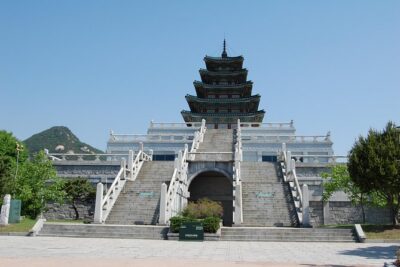
- Where you meet: the National Palace Museum start point
- The route that hits the palace’s key power spots
- Gwanghwamun Gate: the big-picture entrance
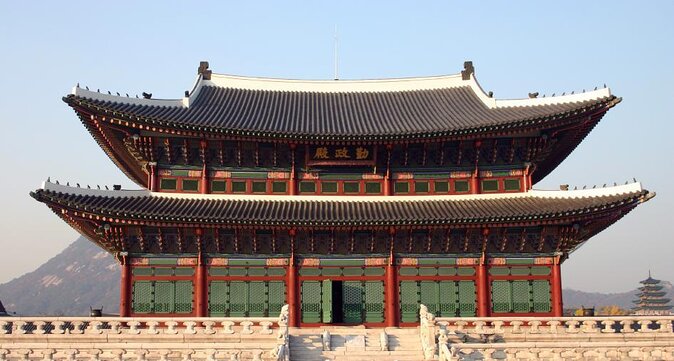
- Geunjungjeon: the throne hall center of authority
- Sajeongjeon: the king’s office space
- Gangnyeongjeon: the king’s bed-chamber
- Gyotaejeon: the queen’s bed-chamber
- Gyeonghoiru Pavilion: an event hall moment
- The guide experience: English you can actually use
- Price and value: what you get for $35
- Practical tips that keep your visit smooth
- Weather, Tuesday closure, and timing reality
- Who should book this Gyeongbokgung half-day tour
- Should you book this tour?
- FAQ
- How long is the Gyeongbokgung Palace half-day tour?
- How much does the tour cost?
- Is the admission ticket included?
- What language is the tour explained in?
- Where do I meet the tour?
- Where does the tour end?
- Do I need to bring a paper ticket?
- Is the palace open on Tuesdays?
- Are pets allowed on this tour?
- What is the cancellation window?
Key things to know before you go
- English explanations for major halls and gates, so you’re not guessing what each building does
- Ticket included for a 2-hour format that still covers the palace’s main points
- Joseon Dynasty focus, including how restoration work helped preserve what survived major damage
- Small group up to 20 people, which usually makes questions easier
- Recording/filming isn’t allowed, so plan on seeing it with your eyes, not your camera
A 2-hour Gyeongbokgung Palace tour that actually makes sense
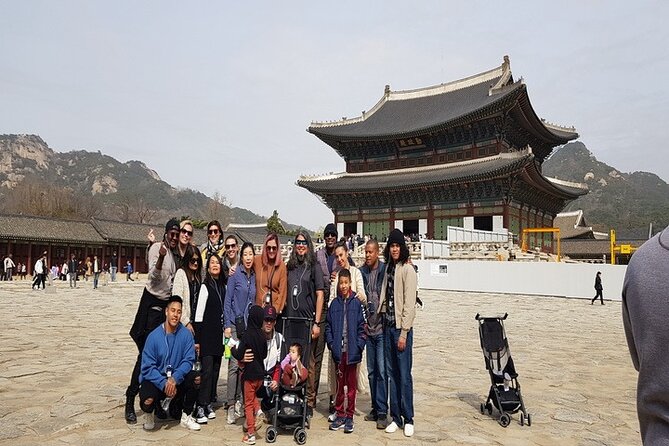
Gyeongbokgung Palace is one of those Seoul sights that looks impressive right away. But after the first gate, it can turn into a lot of names and buildings in a big complex. This tour is designed to fix that problem fast. In about two hours, you move from the palace’s main gate into the core halls where Joseon leadership happened, then out toward an event space where public moments took place.
The big win is the way the guide connects what you see to what it meant. You get the story of Joseon and the palace’s role as the last dynasty’s main power center. You also learn why so many visitors talk about restoration: Gyeongbokgung was heavily damaged during the Japanese Colonial Period, and ongoing restoration work has helped keep the palace valuable today.
That context matters because Gyeongbokgung is not just old architecture. It’s a map of authority: public ceremonies here, court work there, and royal living spaces in other areas. When your guide explains that flow in English, you start recognizing the purpose behind each stop instead of collecting facts like trivia.
You can also read our reviews of more tours and experiences in Seoul.


Where you meet: the National Palace Museum start point
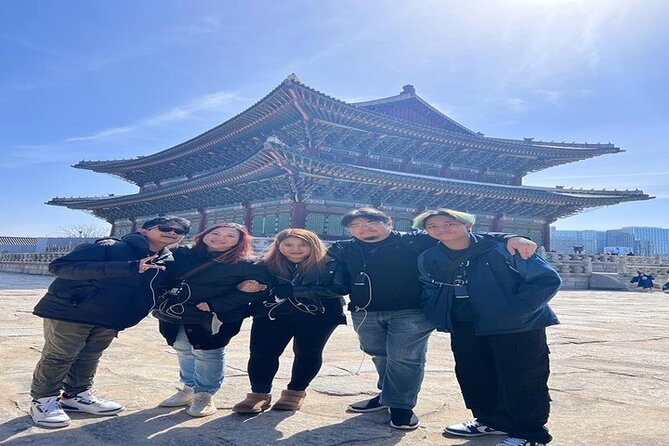
The meeting point is the National Palace Museum of Korea at 12 Hyoja-ro, Jongno District. The tour ends at 7-25 Tongui-dong, Jongno District. Because the tour includes an admission ticket and follows a set walking route, you’ll want to arrive before your scheduled time so you don’t disrupt the group.
This starting point is practical. It puts you near a major landmark area in Jongno, where you’ll likely find public transportation options within walking distance. Since the tour uses a mobile ticket, you’ll also want your phone charged and ready—no last-minute scrambling.
One more detail that helps: you’ll receive information by email/WhatsApp about the meet-up place and time. The tour operator asks you to leave a name and a contact number (or messenger contact like Wechat/Line) that works in Korea. That may sound strict, but it’s the difference between a smooth start and a missed group.
The route that hits the palace’s key power spots
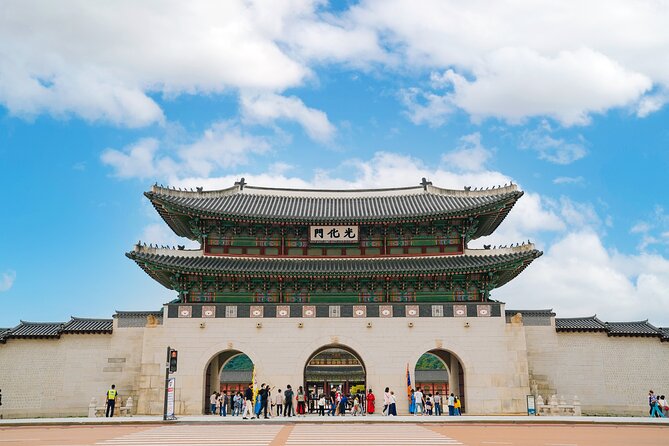
This tour concentrates on the main structures you’d want to understand first. Here’s how each stop fits together and what you should watch for.
Gwanghwamun Gate: the big-picture entrance
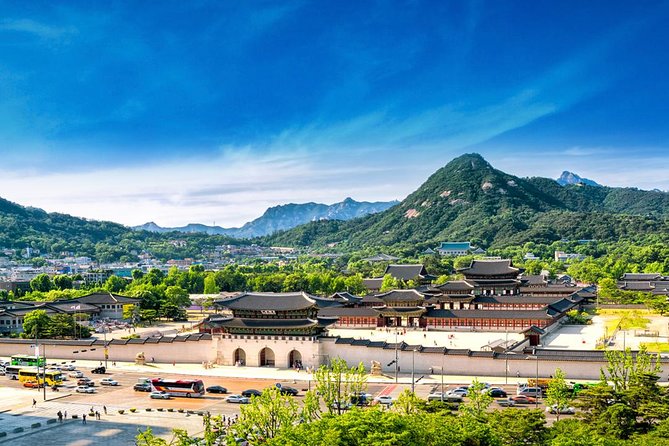
The tour begins with Gwanghwamun Gate, the south gate of Gyeongbokgung Palace. Starting here is smart, because gates aren’t just decorative. They set the tone: you’re moving into a place with strict order and official purpose.
When you reach the gate area, pay attention to the sense of direction your guide gives you. The palace layout can feel confusing if you enter without a mental model. With the explanation, you start seeing how movement through the grounds mirrors social rank and ceremony.
A practical tip: take a second to orient yourself before you walk deeper. Once the route continues, you’ll be glad you know where the main axis feels like it runs.
Geunjungjeon: the throne hall center of authority
Next is Geunjungjeon, the main throne hall. This is the heart of the palace’s public power. You’ll want to focus on the role this hall played and how it connects to Joseon government and royal presence.
Even if you only remember one idea from the throne hall segment, make it this: it wasn’t just a pretty building. It was built to stage decisions and leadership in a way everyone could understand. The guide’s English explanation helps you see the hall as a system—space, ceremony, and message—rather than a static photo background.
The architecture here is often what people photograph first. The guide’s value is that it can make the architecture stop being abstract. You’ll get the stories behind what you’re seeing and why it was built this way.




Sajeongjeon: the king’s office space
Then you move to Sajeongjeon, the king’s office space. This is where the tone shifts from spectacle to work. If throne halls feel like the stage, office spaces explain the daily machinery behind rulership.
This stop is one of the best for understanding how authority functioned beyond big ceremonies. The palace tells you who had power, but office spaces help explain how that power was used.
Drawback to consider: if you only care about big moments and don’t want more “court function” talk, this segment might feel more informational than dramatic. But if you enjoy learning how systems worked, it’s a highlight.
Gangnyeongjeon: the king’s bed-chamber
At Gangnyeongjeon, you see the king’s bed-chamber. This is the palace’s personal side. It’s also a reminder that royal life was not separate from governance; it all happened within the same palace world.
The guide’s explanation matters most here. Without context, a bedchamber can look like another hall. With context, it becomes part of the palace’s internal structure—private spaces that define hierarchy and boundaries.
I like this stop because it adds humanity to a place that can feel too official. You get the sense of how life was organized inside the palace walls.
Gyotaejeon: the queen’s bed-chamber
Next is Gyotaejeon, the queen’s bed-chamber. This continues the shift toward domestic function and the roles inside the royal household.
Even though this is still within an “official palace tour” route, the queen’s space helps balance what you’re learning. It reinforces that the palace wasn’t only about one person’s public duties; it included the wider royal household and its internal organization.
If you like architecture, watch for how the layout and storytelling guide your attention. The best tours don’t just point at buildings—they help you interpret them.
Gyeonghoiru Pavilion: an event hall moment
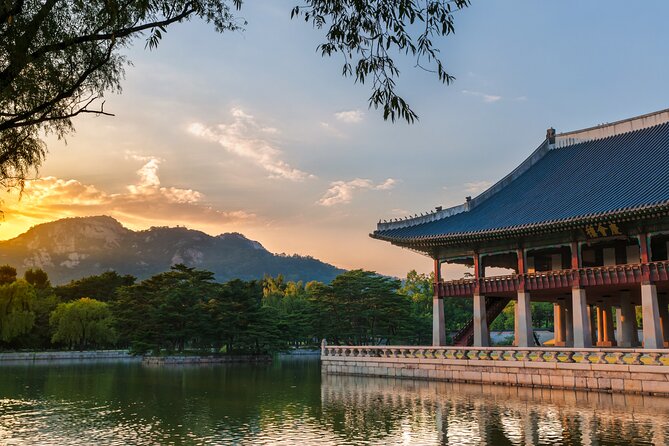
Finally, you reach Gyeonghoiru pavilion, an event hall space. This stop helps connect the palace’s power with public or semi-public moments. Event spaces are where the palace becomes visible in community terms.
You’ll also notice how guides often use the end pavilion area to wrap themes: Joseon governance, palace restoration history, and how symbolic details show up around the grounds.
This is a good closer because it gives you a satisfying sense of completion. You’ve seen the official center, the work, the private spaces, and then a place built for events.
The guide experience: English you can actually use
The tour promises detailed English explanations, and that’s not just a comfort perk. It changes everything about how you experience the palace.
If you go solo, you can still see Gyeongbokgung and enjoy the architecture. But you might miss why particular halls mattered, how Joseon life was structured, and what the palace’s animal statues are doing there. With a guide, those details become meaningful instead of random.
One helpful note from guide service experiences: the name Gabriela comes up as kind and proactive, including going out of her way to help someone who ended up at the wrong meeting spot. That kind of competence is exactly what you want with a set start time and a complex meeting environment.
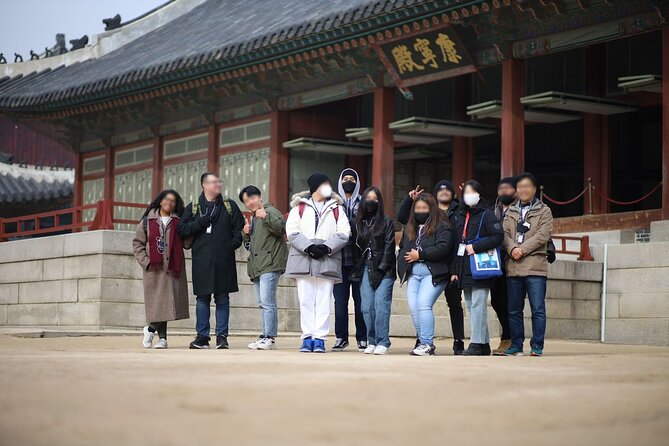
Also, the group size is capped at 20 travelers. That’s not huge, so you’re more likely to get answers that fit your questions instead of hearing only generic remarks.
Price and value: what you get for $35
At $35 per person for a roughly 2-hour tour, you’re not paying for a long day. You’re paying for direction and interpretation. The ticket is included, which matters because palace admissions and timed experiences can add up when you plan yourself.
So is it “worth it” versus DIY? For most people, this type of structured, English-led route is strong value if:
- you want to understand Joseon Dynasty context without piecing together details on your own
- you care about architecture and what different spaces were used for
- you want a short visit that covers the palace’s core stops without full-day stamina
It might be less worth it if your travel style is mostly wander-and-snap photos, and you’re happy reading guideboards yourself. But if you’d rather spend your time understanding rather than guessing, the guided format is the point.
Practical tips that keep your visit smooth
A palace visit in Seoul is fun, but it can also be a lot of standing and walking in changing weather. Here’s how to set yourself up.
- Wear comfortable shoes. You’ll be covering multiple named locations in one loop.
- Bring a jacket or layer. Even when the day looks fine, palace grounds can feel cooler than nearby streets.
- Keep your phone battery up for a mobile ticket.
- Don’t plan on filming or recording during the tour. The rules say recording/filming isn’t allowed.
- If you’re traveling with a pet, note that pets aren’t allowed on this activity, and there’s no place provided to care for them.
Weather, Tuesday closure, and timing reality
This experience requires good weather. If poor weather cancels it, you’ll be offered a different date or a full refund. That’s important for planning your Seoul day, because Gyeongbokgung is a top pick and you don’t want it to derail your schedule.
One specific scheduling warning: Gyeongbok Palace is closed on Tuesdays. The tour notes an alternative option on Tuesdays via a Deoksugung night tour. If your trip includes Tuesday, check the calendar early and plan your palace time accordingly.
Also, the group has a minimum number requirement: if there aren’t enough participants (under 4), the tour can be canceled with notice via WhatsApp. That means booking earlier is helpful, and watching your messages is smart.
Who should book this Gyeongbokgung half-day tour
I think this tour is best for:
- first-timers in Seoul who want their major palace visit to have context
- history-and-architecture lovers who want answers in English
- anyone short on time who still wants a route that hits the throne hall, royal offices, and key pavilion space
It’s less ideal for people who want slow wandering for many hours, or who prefer a fully self-guided experience where you can pause anytime for long photo sessions.
Should you book this tour?
If you want a 2-hour, English-led route through Gyeongbokgung Palace’s most important spaces—gate, throne hall, office space, royal bedchambers, and the event pavilion—this tour is an easy yes. The value is in the interpretation: you’ll see the same buildings as everyone else, but you’ll understand why they matter and how Joseon life fit into the layout.
Skip it only if your style is pure wandering, or if you strongly dislike guided group pacing. Otherwise, book it with confidence, show up at the National Palace Museum meeting point, and let the guide translate the palace into something you can actually picture and remember.
FAQ
How long is the Gyeongbokgung Palace half-day tour?
It lasts about 2 hours.
How much does the tour cost?
The price is $35.00 per person.
Is the admission ticket included?
Yes, admission is included in the tour.
What language is the tour explained in?
The tour offers detailed explanations in English.
Where do I meet the tour?
Meet at the National Palace Museum of Korea, 12 Hyoja-ro, Jongno District, Seoul, South Korea.
Where does the tour end?
The tour ends at 7-25 Tongui-dong, Jongno District, Seoul, South Korea.
Do I need to bring a paper ticket?
No. You get a mobile ticket.
Is the palace open on Tuesdays?
Gyeongbok Palace is closed on Tuesdays. The tour mentions booking a Deoksugung night tour instead.
Are pets allowed on this tour?
No, pets are not allowed.
What is the cancellation window?
You can cancel up to 24 hours in advance for a full refund. If you cancel less than 24 hours before the start time, the amount paid is not refunded.