REVIEW · DMZ TOURS
Private Guided Tour in DMZ with Lake (Optional Incheon Layover)
Book on Viator →Operated by Awesome Tour · Bookable on Viator
The DMZ isn’t an ordinary sightseeing day. It’s a private, guided route into one of the world’s most tense border areas, built for learning, not just looking, with hotel pickup and drop-off. You’ll start at Imjingak Pyeonghoa-Nuri Park, then move through major DMZ viewpoints, and after that you can choose the final stop depending on what you want to feel and see, including an option that fits an Incheon layover.
I especially liked the way the day begins at Imjingak Pyeonghoa-Nuri Park, where the Bridge of Freedom and an abandoned steam train set the tone before you ever reach the border area. I also liked that the Third Tunnel visit comes with your guide inside with you, so you’re not left trying to decode the signs on your own.
One thing to consider: this is a long, emotionally intense day (about 9-10 hours), and the tunnel walk involves real walking in a staged site, so you’ll want a moderate fitness level.
In This Review
- Key highlights at a glance
- A DMZ Day That Starts With Real Human Stories
- Imjingak Park to DMZ: How the Day Builds Momentum
- Third Tunnel: The 73-Meter Detail That Makes It Real
- Dora Observatory: A View Across to North Korea
- Majang Lake and the Optional Finale: Choose Your Ending Mood
- Price and Value: What You’re Actually Paying For
- Guides, Language, and the Pace That Keeps It Human
- What to Pack and How to Handle a 9-10 Hour Day
- Is This Tour Right for You?
- Should You Book This DMZ Tour (With a Lake or Museum Finale)?
- FAQ
- FAQ
- How long is the DMZ tour?
- Do I get hotel pickup and drop-off?
- Is this a private tour?
- What stops are included during the DMZ portion?
- Do we have to walk inside the Third Tunnel?
- Is admission included?
- What about lunch?
- Is Majang Lake included, and can I choose something else?
Key highlights at a glance

- Hotel pickup to drop-off for a smoother, less stressful day
- Imjingak Pyeonghoa-Nuri Park first, so history hits before the border views
- Third Tunnel guided entry with depth and timing that actually help you understand scale
- Dora Observatory for a personal view across to North Korea
- Majang Lake or a chosen finale to round out the day with nature or a postwar collection
- English-speaking, attentive guides are repeatedly praised, including Hun Lee, Hyun Soo, and Taylor Woo
A DMZ Day That Starts With Real Human Stories
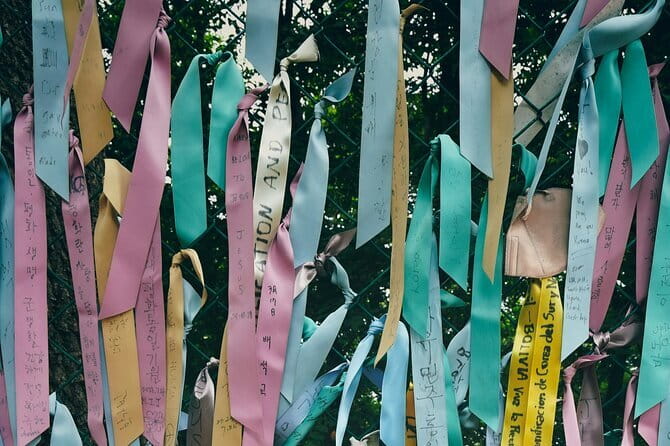
If you want the DMZ to make sense, the pacing matters. This tour doesn’t jump straight to dramatic border photos. It begins at Imjingak Pyeonghoa-Nuri Park (about an hour), a place created for displaced people, where you can feel the human side of the division before you ever look toward North Korea. The Bridge of Freedom and the sight of an abandoned steam train give you context fast, especially if you’re new to the Korean Peninsula story.
I like this structure because it prevents the day from turning into a checklist. You get the why first, then the where. And because it’s a private tour, you can ask questions without worrying about holding up a group.
You can also read our reviews of more guided tours in Seoul


Imjingak Park to DMZ: How the Day Builds Momentum
After Imjingak, you head into the DMZ area for about two hours of guided time. This is where your guide’s job gets real: helping you connect what you’re seeing to the political and social reality behind it.
You’re not just watching scenery. You’re learning what the demilitarized zone means in practice, and how South Korea has shaped its society under that constant pressure. The guide is also explaining the background as you go, so the visit doesn’t feel like random stops glued together by geography.
A practical note: the DMZ portion can feel intense, even when you’re taking photos. If you tend to get mentally drained quickly, plan to take a few minutes between viewpoints and let your questions stay simple: What is this? Why is it here? What changed after the war?
Third Tunnel: The 73-Meter Detail That Makes It Real
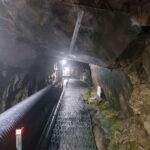
The Third Tunnel stop is the one that tends to stick with people. Here, the tour includes a guided entry where the guide goes in with you. The depth is listed as 73 meters (about 240 feet), and the round-trip walking time is about 20 minutes.
That combination of depth plus a guided walkthrough makes a difference. When you can hear the explanation while you’re inside the tunnel space, the information stays anchored to your body. It’s not just facts on a board. It’s scale you can feel.
You’ll also be told the kind of strategic estimate guides share about how many soldiers could theoretically move through such a tunnel in a short time window. Even if you treat it as theory, it helps you understand why this site carries such weight in South Korean memory.
One drawback to plan for: the tunnel visit is physically active. If you’re not comfortable with enclosed, stair-and-walk style movement (even at a site-managed pace), this is the point to slow down and focus on steady steps.
Dora Observatory: A View Across to North Korea
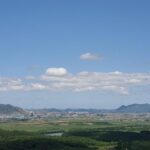
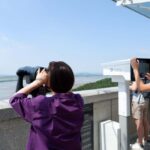
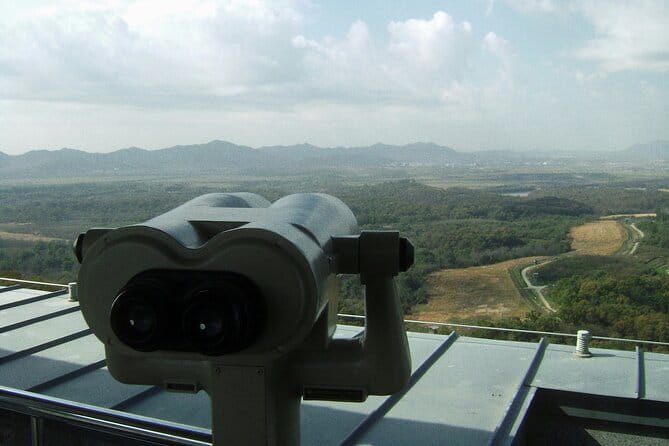
Next comes Dora Observatory (about an hour). This is the stop designed for direct viewing, where you can see North Korea in person from the observatory.
This part of the day tends to hit emotionally because the explanation is paired with what you’re looking at. You’ll hear about North Korea’s lack of freedom, the hardships tied to its economy, and the human rights reality that people in the South see as the core tragedy of the division. The goal isn’t fear; it’s clarity.
I recommend bringing your questions here closer to what you actually see. For example: What distance are you looking across? How do people describe life under those conditions? How has South Korea built its society in response? A good guide can keep the answers grounded.
A helpful tip from real experience on this kind of day: on a clear day, the view across to North Korea can look especially good, and that makes photos and visual interpretation much easier.
Majang Lake and the Optional Finale: Choose Your Ending Mood
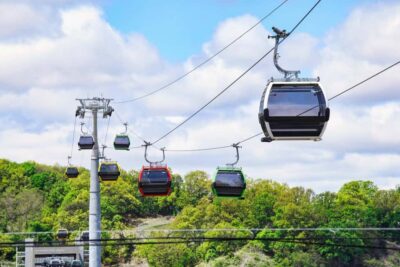
After the DMZ portion, the tour includes one more stop, and you can choose what fits your interests. In the version of the day focused on lake scenery, Majang Lake is the final shorter stop (about 30 minutes), with time to walk together and get help making better photos.
Majang Lake is a good contrast to the rest of the day. After tunnels and border views, a place that lets you breathe and reset your eyes is not a luxury—it’s how you keep the whole day from feeling like one long shock.
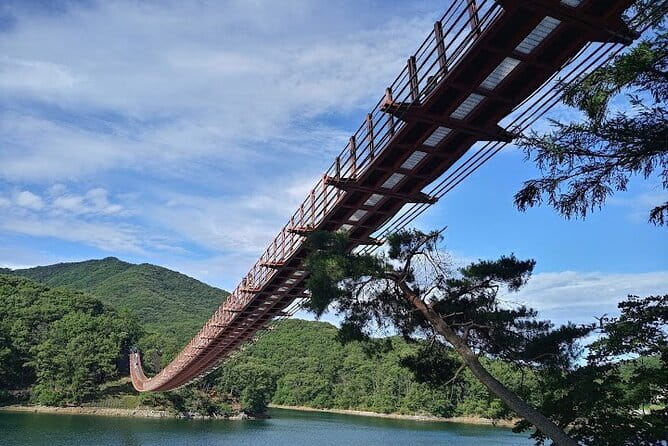
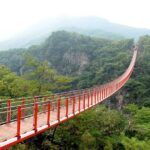
That said, the operator also describes an alternative style of finale: either a suspension bridge area with lake or mountain views, or a museum that collects real items and displays what daily life looked like after the war. The exact choice changes the tone:
- If you want calm and scenery, go lake-focused.
- If you want a tighter focus on postwar reality, choose the museum option.
If you’re unsure, tell your guide what you care about most—war history, daily life, or nature—and you’ll usually get a clean recommendation.
You can also read our reviews of more private tours in Seoul



Price and Value: What You’re Actually Paying For

At $200 per person for about 9-10 hours, this isn’t the cheapest way to see the DMZ. But it’s also not paying only for transport and entry fees like some bargain options.
What you’re getting that supports the price:
- A clean private vehicle with pickup and drop-off
- A trained guide who explains what you’re seeing
- All entrance, parking, toll, and fuel handled
- A private setup where it’s just your group
Lunch isn’t included, so you’ll plan your own meal strategy. That matters because DMZ days run long, and food logistics can turn stressful fast if you don’t account for it. One guide in the past arranged a gluten-free Korean meal for a guest, which is a good sign: if you have dietary needs, speak up early so the guide can adjust.
Overall, I think this price makes sense if you value a day without rushing and without feeling stuck reading information by yourself. The private format also makes it easier for older visitors and families to move at a pace that works.
Guides, Language, and the Pace That Keeps It Human
One of the most praised parts of this experience is the guide. Past groups specifically highlighted Hun Lee, Hyun Soo, and Taylor Woo for strong English and an easygoing, attentive style.
Why that matters: the DMZ is political and emotional. If the guide can explain the context clearly, the day turns from confusing sightseeing into an organized understanding of the Korean Peninsula. And if they can match your pace, you avoid the worst side of border tourism, where you feel shoved from stop to stop.
If you’re traveling with parents or anyone who prefers not to hurry, this tour profile fits that. Just be direct when you book: tell them you want a relaxed pace and that you’ll appreciate more time at key viewpoints.
What to Pack and How to Handle a 9-10 Hour Day
The tour lists a moderate physical fitness level requirement, so treat the day like a hike with political content, not a quick drive-by.
Without assuming anything extra that isn’t provided, here’s what I’d focus on based on how the day is structured:
- Wear comfortable walking shoes for the tunnel stop and general walking at multiple sites.
- Plan for a long day since it runs about 9-10 hours.
- Bring your questions and energy strategy, because the emotional weight is real at places like Dora Observatory.
Also remember: the tour includes entrance fees, but lunch isn’t included. Decide in advance if you want a quick Korean meal near one of the stops, or if you prefer to keep your schedule flexible with what the guide suggests that day.
Is This Tour Right for You?
This DMZ experience is best if you want more than photos. You’ll enjoy it if you:
- Like guided context that connects history to what you see
- Want a private day with pickup and drop-off
- Prefer a calmer pace over rushing
- Are comfortable with moderate walking, including the tunnel visit
You might want to rethink it if you’re looking for light, casual sightseeing. This is a political and human-rights-heavy day, and it can feel heavy even when the guide is kind and the scenery changes afterward.
Should You Book This DMZ Tour (With a Lake or Museum Finale)?
If you’re only doing one DMZ day from Seoul, I’d seriously consider booking this. The value isn’t just the stops. It’s the way the day is organized: Imjingak first, the DMZ area second, then the tunnel and Dora Observatory, capped with a choice that lets you land on the emotion you want at the end.
The biggest reasons I’d book are simple: private guidance, entrance coverage, and a finale choice that keeps the day from turning into one long, single-note experience. Just come prepared for a long day and the tunnel walk.
FAQ
FAQ
How long is the DMZ tour?
It’s about 9 to 10 hours, depending on the day and the selected final stop.
Do I get hotel pickup and drop-off?
Yes. Pickup and drop-off are offered as part of the tour.
Is this a private tour?
Yes. It’s private, meaning only your group participates.
What stops are included during the DMZ portion?
You’ll visit Imjingak Pyeonghoa-Nuri Park, the DMZ, the Third Tunnel, and Dora Observatory.
Do we have to walk inside the Third Tunnel?
Yes. The guide goes in with you, and the tunnel visit includes a round trip of about 20 minutes. The depth is listed as 73 meters (about 240 feet).
Is admission included?
Admission tickets are included for the listed stops.
What about lunch?
Lunch is not included.
Is Majang Lake included, and can I choose something else?
Majang Lake is included as the final stop in the itinerary version provided here. After the DMZ portion, you also have a choice of what to do next, such as a museum with real displayed items or a suspension bridge with lake or mountain views.