REVIEW · HISTORICAL TOURS
Deoksugung & Jeongdong-gil: A Walk in Korea’s Rich Heritage
Book on Viator →Operated by S.A. Tour · Bookable on Viator
A morning walk through Seoul’s power blocks can feel surprisingly personal. This tour strings together Deoksugung and nearby palaces, then adds the offbeat stops—like a missionary school museum and Jeongdong Theater—so you understand both the official and everyday sides of Korean history. You’ll also get a clear sense of how old Korea and modern Seoul sit side by side in the same neighborhoods.
I really like that the pacing is practical: short visits, clear explanations, and built-in time to rest at the theater. I also appreciate the guide-led context for the late 19th to early 20th century—especially how the tour connects palace life to the bigger forces reshaping the country. One possible drawback: it’s a walking tour, and it depends on good weather, so plan for chilly or rainy mornings.
In This Review
- Key Points You’ll Actually Care About
- Why This Walk Works: Palaces, Modern Seoul, and a Clear Story
- Deoksugung Palace: Joseon Royal Grounds in the City Center
- Gyeonghuigung Palace: The Nearby Palace That Makes the Route Feel Connected
- Appenzeller Noble Memorial Museum: Baekjae Hakdang and the Education Story
- Jeongdong Theater: A Rest Stop With Cultural Content
- Jungmyeongjeon Hall: Imperial Library, Fire, and Emperor Gojong
- Gwanghwamun Square and the Walk to Cheonggyecheon Stream
- Price and Value: What $48 Buys You Here
- Who Should Book This Tour (and Who Might Skip It)
- Before You Go: Timing, Weather, and Shoes
- Should You Book Deoksugung & Jeongdong-gil?
- FAQ
- How long is the Deoksugung & Jeongdong-gil experience?
- How much does it cost?
- Is the tour ticket mobile-based?
- What’s included in the price?
- What’s not included?
- Where does the tour start and end?
- What time does it start?
- Are admissions included for the stops?
- Is the group size limited?
- What happens if weather is bad?
Key Points You’ll Actually Care About
- Three-hour, small-group format (up to 15) that keeps the story coherent without dragging.
- Free admission at every listed stop, so your money goes to the guide and the experience, not ticket math.
- Missionary-school history at the Appenzeller Noble Memorial Museum, tied to Baekjae Hakdang and Pai Chai University.
- A real break at Jeongdong Theater, with time to grab coffee and use the restroom.
- Major “turning point” sites at Jungmyeongjeon Hall, including its link to Emperor Gojong.
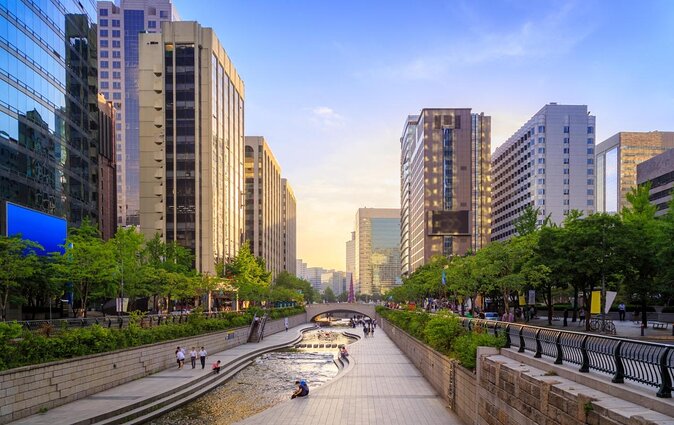
- End at Cheonggyecheon Stream, an easy payoff after the last palace-and-square stop.
Why This Walk Works: Palaces, Modern Seoul, and a Clear Story
Seoul can feel like two cities stacked on top of each other. This route does a smart job of making that contrast readable. You start in the center of old royal power at Deoksugung, then you move through other historic palace grounds nearby. After that, you step into a different kind of history—education and Western-era influence—before finishing in the big public space of Gwanghwamun Square and the Cheonggyecheon Stream.
The late 1800s and early 1900s mattered a lot in Korea, and the tour keeps the timeline from turning into a blur. You’re not just looking at buildings; you’re learning how institutions, buildings, and leadership shifted during that era. That’s where the tour’s value shows up.
And yes, it’s a walk. You’ll want comfortable shoes and a water plan, because this is the kind of route where you’ll feel every step if you’re in fancy sandals.
You can also read our reviews of more walking tours in Seoul
Deoksugung Palace: Joseon Royal Grounds in the City Center
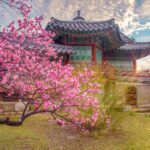
Deoksugung Palace is the anchor stop, and it’s a great choice because it’s right in the middle of Seoul. It’s also known as Gyeongun-gung, and it was built during the Joseon Dynasty. What I like about starting here is that you get a baseline: palace architecture, court-era purpose, and the sense of official power before the tour branches out.
You’ll spend about 20 minutes at this stop. That’s not a long time, but it’s the right length for a first orientation when you’re traveling and your feet are doing most of the work. The tour approach makes sense: you’re getting key context, not trying to memorize every corner of the grounds.
Also, Deoksugung is often a starting point for people who want history without committing to a full-day palace marathon. You’ll be close enough to the rest of the route that you can keep momentum instead of burning time on transit.
Practical tip: even for a short visit, it helps to wear something you can adjust in and out of sun/shade. Palace grounds can flip from exposed to sheltered fast.
Gyeonghuigung Palace: The Nearby Palace That Makes the Route Feel Connected
Next comes Gyeonghuigung Palace, also known as Gyeonghui Palace, located in Jongno-gu. It was originally built in 1623 during the Joseon Dynasty, and it functioned as a royal residence—here described as connected to the residence of Kin (the text cuts off, so you’ll want your guide’s explanation for the exact detail).
Why this stop matters: by pairing Deoksugung with another palace so close by, you feel how concentrated royal Seoul really is. It stops being a “one big palace” story and turns into a “palaces were woven into the city fabric” story.
This stop is also about 20 minutes, which keeps the pace brisk. The tradeoff is that you won’t have time to slow-walk and explore independently. Still, if your goal is context and orientation, this timing is spot-on.
If you’re the type who likes to take lots of photos from multiple angles, you may want to arrive with a plan—because after this stop, the itinerary moves.
Appenzeller Noble Memorial Museum: Baekjae Hakdang and the Education Story
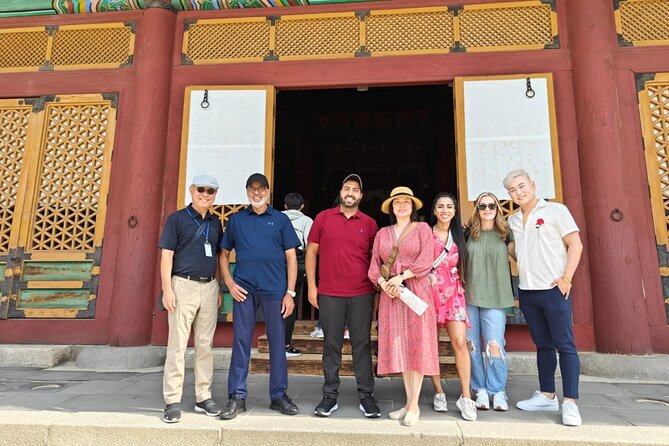
Then you switch gears. The Appenzeller Noble Memorial Museum is the former home of Baekjae Hakdang, a missionary school. Over time, it expanded into a university—now known as Pai Chai University in Daejeon. That’s a big historical link, and it’s exactly the kind of place that helps you understand Korea’s modernization from the education side, not just the politics side.
You’ll spend around 10 minutes here, so think of it as a focused stop: a quick entry into a bigger theme. You’re not wandering an endless building complex. Your guide’s explanation is what will make this one memorable, especially if you’re interested in how Western-style schooling influenced Korean institutions.
This museum stop also helps explain the tour’s promise about traditional and Western-style elements living in the same urban area. Even when you’re not seeing “Western architecture” on every corner, you’re seeing the Western education influence reflected in the school’s history.
Quick tip: this is a short stop, so if you’re a note-taker, keep your questions ready. The best answers are usually conversational and happen while everyone’s still gathered.
Jeongdong Theater: A Rest Stop With Cultural Content
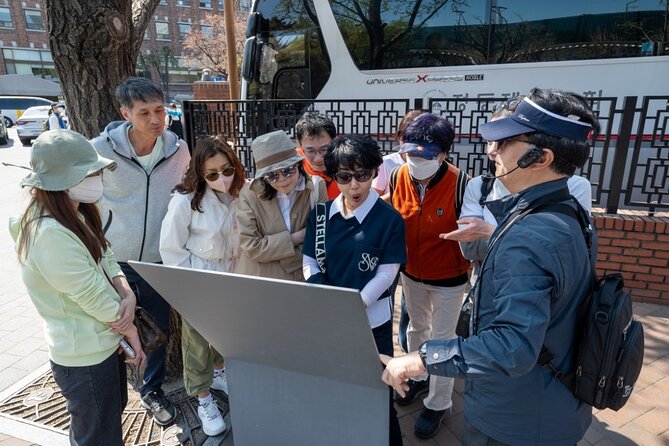
After the museum, the tour reaches Jeongdong Theater. This is a practical break and a cultural one at the same time. The theater hosts concerts, plays, and musicals that incorporate elements of traditional Korean culture. You’ll have about 25 minutes here, and the itinerary is very honest about why: it’s a chance to use the restroom and get coffee or another drink.
I like this kind of scheduling because it avoids the classic problem of walking tours where everyone’s smiling… until the first bathroom crisis hits. Here, the break is built in. That makes the overall experience feel smoother.
Also, the theater theme fits the day’s larger story. You start with palace authority, shift to education history, and then land on performance culture. It’s a sequence that helps you see “heritage” not only as monuments, but also as lived culture—music, storytelling, and modern performance formats using traditional elements.
If you’re sensitive to lines at popular coffee spots, grab your drink early in the free time block. You still have plenty of time to settle back in.
You can also read our reviews of more historical tours in Seoul

Jungmyeongjeon Hall: Imperial Library, Fire, and Emperor Gojong
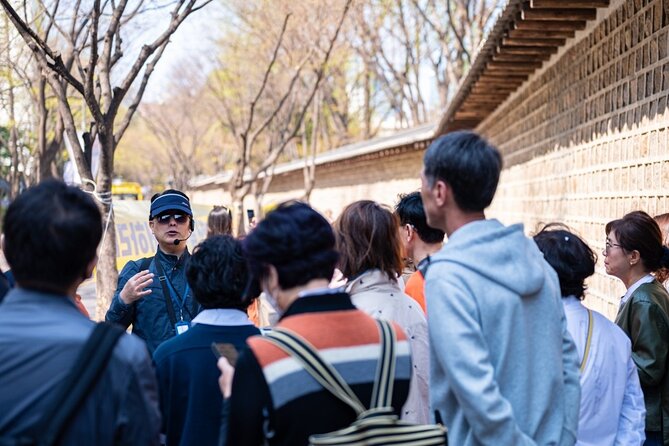
One of the most compelling stops is Jungmyeongjeon Hall. It was built in 1899 as the imperial library of the Korean Empire. Then something major happened: after Deoksugung Palace caught on fire in 1904, the location became the temporary residence of Emperor Gojong.
This is where the tour starts feeling more than sightseeing. The story becomes about how buildings get repurposed during crisis and change. You’re watching architecture catch up to history in real time.
The hall is also linked to the infamous Eulsa T… period mentioned in the description. Even if you only catch parts of that phrase during the stop, your guide should connect it to what you’re learning about the era. For me, this kind of detail is what makes a walking tour worth the ticket price: it turns “I saw a hall” into “I understand why it mattered.”
You’ll spend about 15 minutes here. Again, this isn’t a long time, but it’s enough to grasp the key transformation: from library function to imperial residence function. That’s a strong, memorable arc.
Practical tip: this is a good stop to ask your guide one clarifying question. “How does this connect to what I’m seeing at Deoksugung?” is the kind of question that usually gets a clean, useful answer.
Gwanghwamun Square and the Walk to Cheonggyecheon Stream
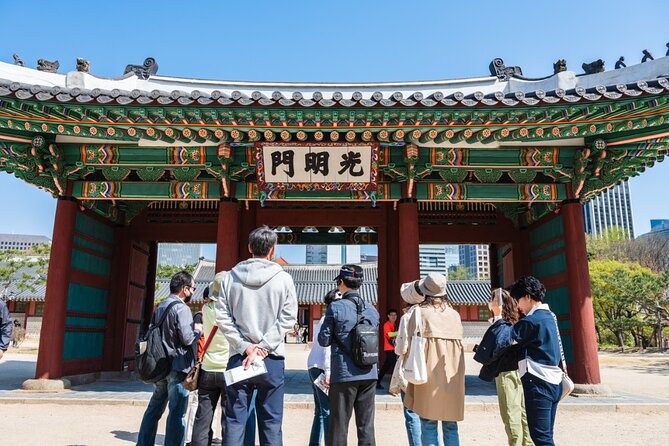
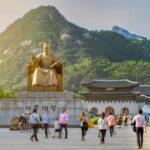
The final listed stop is Gwanghwamun Square, a large public square built in 2009. It includes a large fountain and a statue of King Sejong the Great, and it’s a popular gathering place for both locals and tourists.
This is a smart way to end. You’ve been in palace spaces and cultural institutions; now you reach a modern civic center. If you want to feel where Seoul lives today, this is one of the easiest places to do it—without stepping into a complicated schedule.
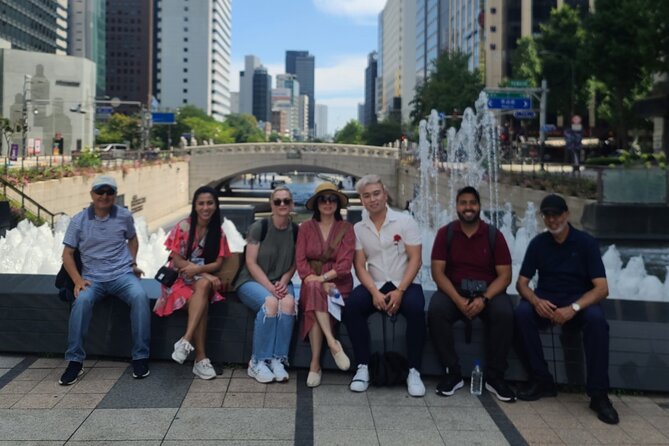
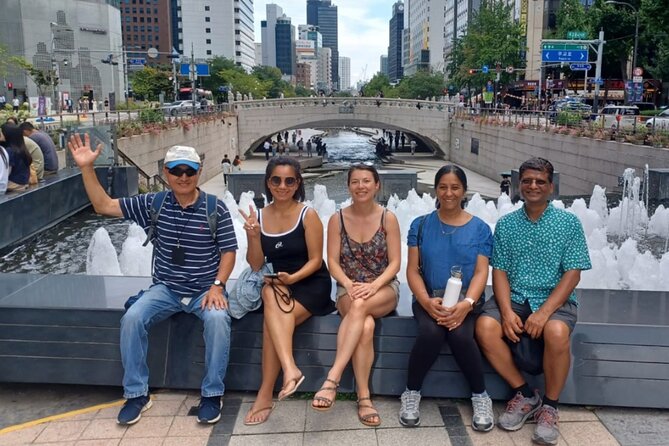
From there, the tour ends at Cheonggyecheon Stream in Jongno District. Ending by water is a nice payoff after a day that’s mostly stone and corridors. It’s also an area where you can keep walking on your own afterward, grab a meal, or just decompress.
Time-wise, you’ll spend about 20 minutes at Gwanghwamun Square. That’s enough for photos and atmosphere without making this the longest stop of your tour.
Price and Value: What $48 Buys You Here
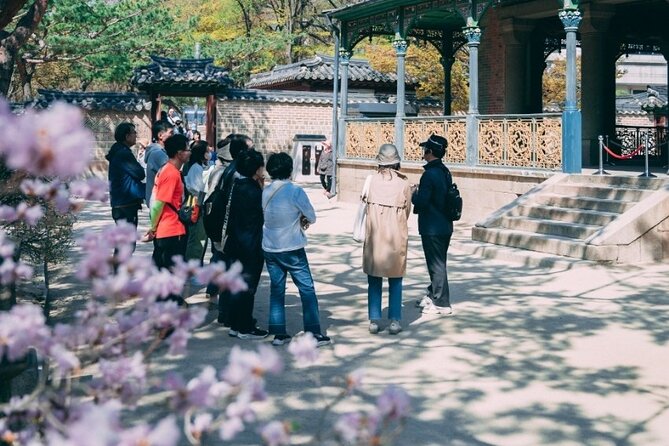
At $48 per person for an approximately 3-hour walking experience, the question isn’t whether it’s cheap—it’s whether it’s useful. Here, it’s actually easy to justify.
You’re paying for:
- a professional English tour guide
- a small group size (up to 15)
- a guided route that connects multiple major sites without you needing to stitch together info yourself
- free admission at each listed stop, based on the stop notes in the itinerary
If you tried to do this independently, you could, but you’d likely lose what makes the experience work: the connections between stops and the specific explanations that reduce confusion. In other words, the guide turns separate attractions into one coherent storyline.
The “not included” part is also straightforward: there’s no lunch built in, and you’ll handle personal purchases. So budget a bit for coffee you’ll likely want during the theater break.
Bottom line: this is value-forward if you like context and you prefer learning while walking rather than reading on your phone.
Who Should Book This Tour (and Who Might Skip It)
This tour is a great match if:
- you want a history-focused Seoul intro without spending the whole day
- you like short stops with clear explanations
- you enjoy the way modern Seoul and Joseon-era sites coexist in the same city center
- you appreciate education and culture history, not only palaces
You might want to skip or swap if:
- you hate walking or you want a slower, linger-in-each-place style
- you’re hoping for long museum time at the Appenzeller Noble Memorial Museum or extended palace exploration on your own
If you’re visiting Seoul for the first time, this tour can help you get your bearings fast. It also pairs well with later plans around Gwanghwamun and central neighborhoods.
Before You Go: Timing, Weather, and Shoes
This experience needs good weather. If the forecast looks bad, plan a backup day, because the tour can be offered on another date or refunded if it’s canceled due to poor conditions.
Also, start thinking about footwear and pacing. You’ll cover a lot of ground between sites, and you’ll be happier if your shoes can handle a solid morning of walking. A hat helps too, depending on the season.
Meeting point is Deoksugung Palace, at 99 Sejong-daero, Jung District, Seoul. The tour starts at 9:30 am and ends at Cheonggyecheon Stream (Jongno District). It’s near public transportation, which helps if you need to adjust your route at the last minute.
Should You Book Deoksugung & Jeongdong-gil?
Yes—if you want a compact, guide-led history route that doesn’t leave you stuck in logistics. This tour makes smart use of short stops, free admissions, and a real mid-route break at Jeongdong Theater. It’s also one of those itineraries that helps you see how Korea’s modernization didn’t replace the old—it added layers.
Book it if you like being told what matters and why, while you walk through the places that hold the story. Skip it only if you want long independent exploration or you know you won’t do well with a morning walk.
If you’re building your first Seoul plan, this one is a strong way to get oriented before the rest of the city pulls you in different directions.
FAQ
How long is the Deoksugung & Jeongdong-gil experience?
It runs about 3 hours (approximately).
How much does it cost?
The price is $48.00 per person.
Is the tour ticket mobile-based?
Yes, it’s listed as a mobile ticket.
What’s included in the price?
A professional English tour guide is included.
What’s not included?
Lunch and other personal consumption are not included.
Where does the tour start and end?
It starts at Deoksugung Palace, 99 Sejong-daero, Jung District, Seoul, and ends at Cheonggyecheon Stream, Jongno District, Seoul.
What time does it start?
The start time is 9:30 am.
Are admissions included for the stops?
The itinerary notes admission ticket free at each listed stop.
Is the group size limited?
Yes, the tour has a maximum of 15 travelers.
What happens if weather is bad?
The experience requires good weather. If it’s canceled due to poor weather, you’ll be offered a different date or a full refund.