REVIEW · DMZ TOURS
DMZ & NLL Combination Tour
Book on Viator →Operated by Cosmojin Agency · Bookable on Viator
DMZ day trips can feel complicated fast. This DMZ and NLL combination tour keeps it manageable with hotel pickup and a guide who knows how to navigate a tightly controlled area. I especially like the way it strings together the most meaningful border sites in one go, including Imjingak Park and the Unification Bridge, then adds the NLL side for a broader view. One consideration: you need a current passport/ID, you must follow on-site DMZ rules, and the DMZ is closed on Mondays and most national holidays (with exceptions).
The value here is less about ticking boxes and more about handling the hard parts for you: timing, entry steps, and what to do when you’re in a military zone. You’ll also get live entertainment and lunch as part of the day, which matters because the schedule is long and the environment is serious.
In This Review
- Quick hits
- Why DMZ + NLL works better than doing just one
- Price and value: what $142 buys you in a controlled zone
- Hotel pickup and the 10-hour reality check in Seoul traffic
- Imjingak Park: symbols, the 7 km distance, and why it feels personal
- Unification Bridge (Cow Bridge): the Imjingang River and a symbol you can cross
- ID check and DMZ rules: how to avoid stress at the gates
- The NLL leg: getting a sea-side view of the divide
- Live entertainment and lunch: small comforts that keep the day humane
- Guides make the difference: Han and Min Su at work
- Who should book this DMZ and NLL tour (and who might not)
- Final call: should you book this DMZ and NLL day trip?
- FAQ
- What time does the tour start and when will I be picked up?
- How long is the DMZ & NLL combo tour?
- What documents do I need to enter the DMZ area?
- What should I wear for this tour?
- Is the DMZ open every day?
- What’s included in the price?
- Is hotel drop-off included?
- Is this tour suitable for children?
- How big is the group?
Quick hits
- Hotel pickup from your Seoul hotel means you don’t have to hunt for a meeting point
- Imjingak Park sits about 7 km from the Military Demarcation Line, turning the Cold War into something you can actually walk through
- Unification Bridge is nicknamed Cow Bridge and adds a strong symbol over the Imjingang River
- ID check inside the flow keeps you from feeling lost at the gates
- Two-border perspective: land-side DMZ sights plus the NLL leg for a sea-side contrast
- Guides matter here: Han and Min Su are named in top reviews for making the rules feel less stressful
Why DMZ + NLL works better than doing just one
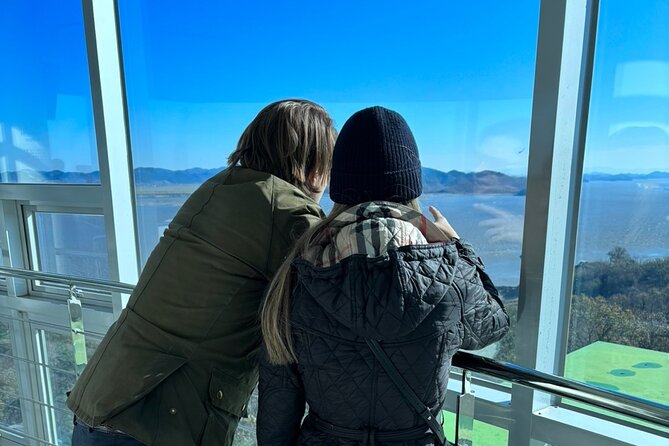
If you only do the DMZ, you still get the land-side story. But the Korean Peninsula story isn’t only about land fences and checkpoints. The NLL (Northern Limit Line) adds the water-side angle—so you’re not just staring at barriers on land. The combo format is built for limited time: one day, one organized run, and two different perspectives on the same dividing reality.
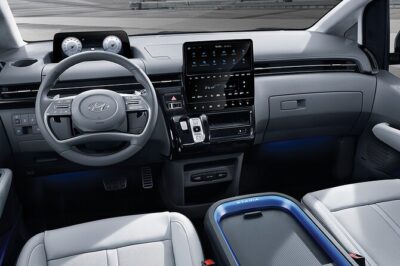
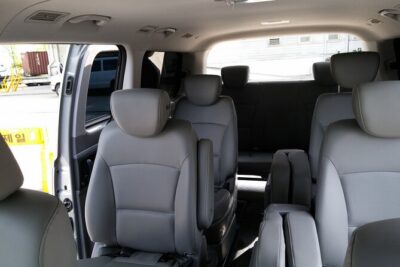
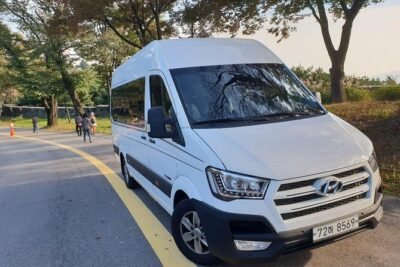
I like that the tour is designed around logistics that can otherwise derail a day trip. DMZ access is tightly controlled, and without a guide you’re stuck with a lot of dead ends. This one keeps you moving between stops with an air-conditioned vehicle, so you’re not burning your day figuring out transit.
The other big plus is emotional pacing. Places like Imjingak can hit you all at once—symbols, uniforms, the sense of history in plain view. Then the NLL leg gives your brain a new reference point. You end the day with a more complete picture of how the divide shapes both land movement and sea movement.
You can also read our reviews of more tours and experiences in Seoul.

Price and value: what $142 buys you in a controlled zone
At $142 per person for about 10 hours, this isn’t a cheap outing. But it’s also not just paying for sightseeing. You’re paying for a guide, entry navigation, and the kind of day where time and access are the real commodities.
Here’s what you actually get for the money:
- Professional guide
- Hotel pickup (but note: hotel drop-off is not included)
- Air-conditioned vehicle
- Lunch
- Live entertainment
- Admission is listed as free (for the day’s tickets)
For a day like this, those inclusions change how the price feels. The vehicle and guide reduce friction at every step—especially at entry and rule-heavy areas where you don’t want to improvise. And the lunch + entertainment keep you from ending up hangry and over-tired in the middle of a rigid schedule.
If you’re the type who likes to plan, you might think you can DIY it. You can try—but with DMZ access rules and timing constraints, you usually end up spending more effort than you’d expect. This tour is designed to reduce that effort.
Hotel pickup and the 10-hour reality check in Seoul traffic
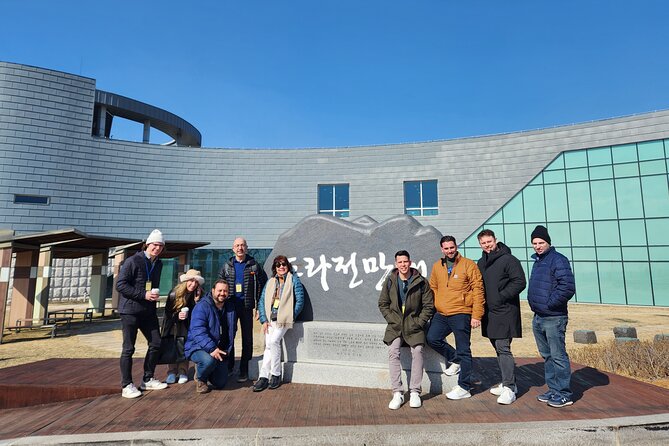
The start is early. The tour lists a start time of 7:30 am, and pickup happens depending on where you’re staying in Seoul. The schedule shows pickup around 8:10, so expect an early morning call depending on hotel location.
That timing matters because DMZ days are the kind where you can’t “sort it out later.” Once you commit to a strict window, traffic can become a real factor. The tour notes that pickup and sending may occasionally be delayed depending on Seoul traffic. So I recommend a simple strategy: set yourself up the night before, and don’t schedule anything tight afterward.
You’ll be in a group of up to 99 travelers, which is large enough to feel organized, but not so large that you can’t hear your guide. The vehicle helps your day stay comfortable, especially since you’ll be visiting multiple stops in one stretch.
Imjingak Park: symbols, the 7 km distance, and why it feels personal
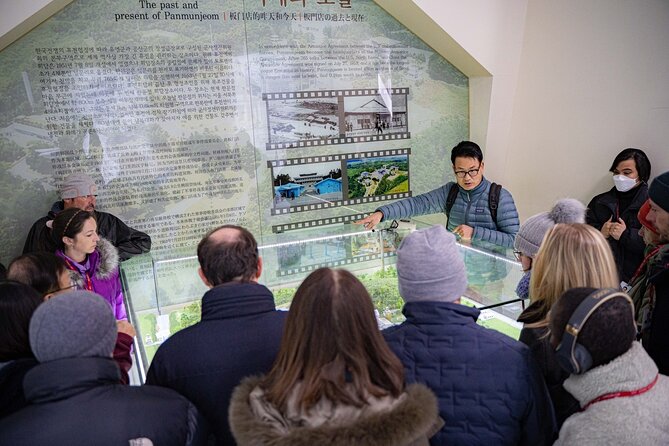
Imjingak Park is one of those places that makes the conflict feel close, even before you see the border area. It’s described as being about 7 km from the Military Demarcation Line, and the park was built in 1972 with unification hopes in mind.
What makes it more than a photo stop is the way it turns abstract politics into visible landmarks. There’s a sense of purpose in the site: it’s not just “war history,” it’s a place organized around the idea of return and reunification. Even if you don’t read every sign, you’ll feel the intention.
A practical tip for this stop: keep your eyes open for moments that aren’t loud but are telling. For example, during the ID check portion of the day, you can see soldiers with green camouflage uniforms from over the window. That little detail hits harder than a headline because it grounds everything in present-day reality.
Unification Bridge (Cow Bridge): the Imjingang River and a symbol you can cross
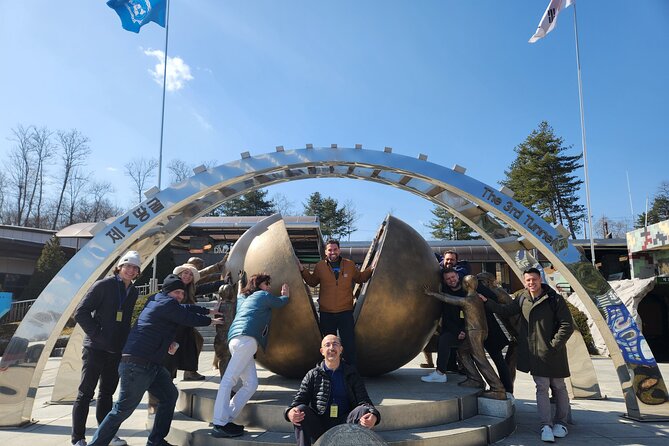
The Unification Bridge is the kind of sight you don’t forget because it’s both symbolic and surprisingly specific. It was built in 1998 by Hyundai Business Group, and it crosses the Imjingang River—a river that comes down from North Korea.
The nickname is Cow Bridge, and that kind of local moniker is exactly why the bridge stands out. Symbols are often vague. Here, the story has a human label, a nickname you’ll remember when you’re trying to explain the day later.
What I like about this stop is that it changes the vibe from “watching the border” to “watching how people mark the border in daily space.” Even a short crossing or viewpoint around a bridge can help you understand how the divide is stitched into geography, not just ideology.
Potential drawback: this stop is still part of a tightly controlled day. You may be under time pressure, and you’ll need to follow your guide’s instructions for where to stand, when to move, and what you can photograph.




ID check and DMZ rules: how to avoid stress at the gates
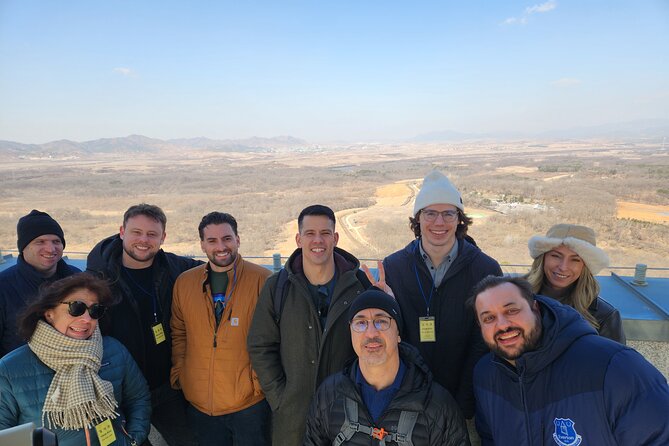
This is where the guide earns their keep.
The day includes an ID check, and you’ll likely see military activity and uniforms in the process. Because this is a military area, you have to follow internal rules about:
- where you can be in photo zones
- staying with the group (and not acting outside the group)
- how you handle military shuttle buses
The best mindset is simple: treat it like a museum with rules, but with more seriousness. Don’t fight the flow. Ask your guide what to do if anything feels unclear.
Also, come prepared for the basics:
- A current valid passport is required for foreigners, and ID cards are required for Koreans.
- Sneakers are required, not dress shoes, not sandals.
One more scheduling reality: DMZ can close operationally. The tour warns that in case of military activities, tours may be canceled on short notice. That’s not something you can control, so have some mental slack in your calendar.
The NLL leg: getting a sea-side view of the divide
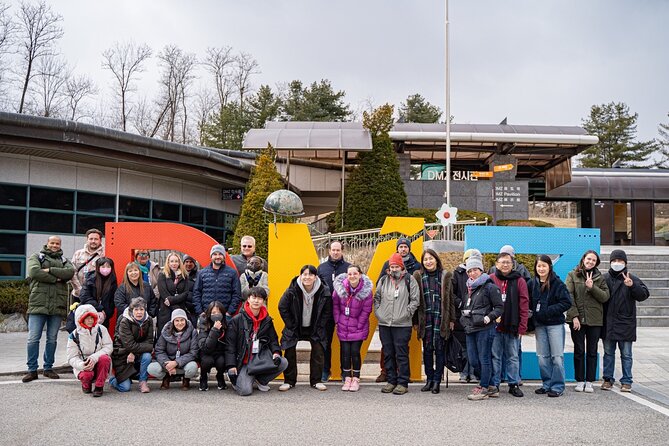
The big reason this combo tour is worth considering is the land-and-sea perspective. One of the strongest reviews describes the experience like having a land and sea view of the gap between South Korea and North Korea. That’s the value the NLL portion adds.
Even if you’re most drawn to the dramatic DMZ sights, the NLL changes the conversation. The DMZ portion helps you understand the land border. The NLL leg helps you understand how tension also lives in maritime space—where lines matter, where timing matters, and where movement isn’t just physical but also strategic.
The practical side: you’re still in the same organized day format—same guide support, same vehicle-based schedule. You’re not left to figure out separate transport or unclear meet-ups.
I recommend using the NLL part as your “frame builder.” When you get there, try to mentally connect what you saw earlier in land space to what this border concept means in sea space. It makes the whole day click.
Live entertainment and lunch: small comforts that keep the day humane
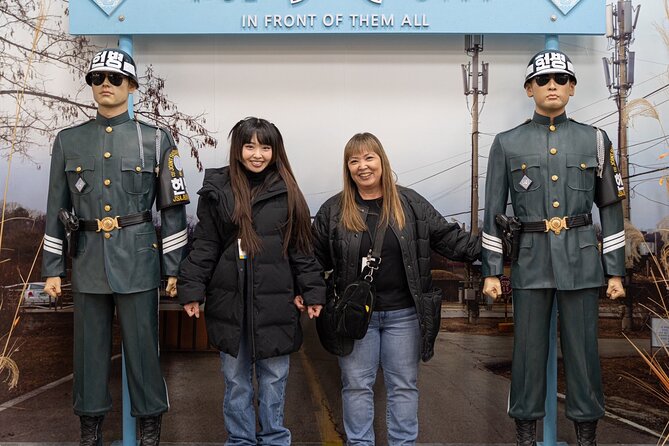
Long tours can turn into endurance tests, especially when the destination is serious. Here, lunch and live entertainment are included. That sounds like a “nice extra” until you’re actually in a day where the schedule is tight and you don’t want to burn time hunting food or squeezing in a meal.
The air-conditioned vehicle also matters. DMZ days often involve walking and waiting around at controlled stops, so having climate control between segments is genuinely helpful.
Also, the tour’s structure gives you less downtime to stress. You move between sites with the guide managing timing and transitions.
Guides make the difference: Han and Min Su at work
This is one of the few tour types where having the right guide can totally change your day. In the top feedback, the DMZ guide named Han and the NLL guide named Min Su are both highlighted for making people comfortable and going out of their way.
That matters because the DMZ and NLL aren’t “relaxed tourism.” They come with rules, photo limits, and moments where you’re standing near military-focused environments. A good guide translates the experience into something you can handle without feeling scolded or confused.
If you’re the kind of person who hates uncertainty, this tour’s approach—guided, structured, and rule-aware—is exactly the point.
Who should book this DMZ and NLL tour (and who might not)
This tour is a good fit if you:
- want one day that covers both land-side border sights and the NLL perspective
- value hotel pickup and a guide to handle strict access
- are okay with early mornings and following on-site instructions
- need a day plan that reduces planning stress
You might think twice if you:
- dislike rule-heavy environments
- need a lot of flexibility on timing (pickup can be delayed by Seoul traffic, and cancellations can happen on short notice due to military activities)
- aren’t able to bring a valid passport/ID or wear required sneakers
- are traveling on a day the DMZ is closed (it’s closed every Monday and on national holidays, with exceptions for Seollal and Chuseok)
Final call: should you book this DMZ and NLL day trip?
I’d book it if you want the most complete border perspective you can reasonably fit into a single day. The combo format makes sense because you’re not just looking at one side of a divided reality—you’re seeing how the divide is reflected on land and sea. Add hotel pickup, an air-conditioned vehicle, lunch, and a guide with proven people skills (Han and Min Su are called out in strong reviews), and the day becomes more doable.
If you’re traveling with limited tolerance for rules, missing documents, or unpredictable cancellations, then you should plan alternatives. But if you’re prepared—passport ready, sneakers on, and mindset flexible—this is one of the more practical ways to experience the DMZ-NLL story without turning your day into a logistics project.
FAQ
What time does the tour start and when will I be picked up?
The tour lists a start time of 7:30 am, and the pickup time depends on your hotel in Seoul. The schedule also shows pickup around 8:10.
How long is the DMZ & NLL combo tour?
It runs for about 10 hours (approx.).
What documents do I need to enter the DMZ area?
A current valid passport is required for foreigners. Koreans need identification cards.
What should I wear for this tour?
Sneakers are required.
Is the DMZ open every day?
No. The DMZ is closed every Monday and on national holidays, except for Seollal and Chuseok.
What’s included in the price?
It includes a professional guide, lunch, live entertainment, hotel pickup, and an air-conditioned vehicle. Admission is listed as free.
Is hotel drop-off included?
No. Hotel drop-off is not included.
Is this tour suitable for children?
Children must be accompanied by an adult.
How big is the group?
The tour has a maximum of 99 travelers.