REVIEW · GYEONGBOKGUNG PALACE & HANBOK TOURS
Seoul: UNESCO Sites tour: Palace, Shrine & Bukchon Village
Book on GetYourGuide →Operated by I LOVE SEOUL TOUR Co., Ltd. · Bookable on GetYourGuide
UNESCO days in Seoul can feel like a sprint. This one keeps it focused while you bounce between Changdeokgung Palace and Jongmyo Shrine with a guide who explains what you’re seeing in plain English. It also layers in Bukchon Hanok Village, so your day isn’t just gates and stone—it’s streets, craft, and daily Korean life in between the royal sites.
What I like most is how the tour turns big UNESCO names into something you can picture fast—especially with guides such as Stella, Park (often noted for fun and clear storytelling), Leo, KyungAh Park (Chloe), Heidi, and Orota. The second win: you get a real full-day arc, ending with Suwon Hwaseong Fortress, so you’re not stuck only in central Seoul.
One key consideration: it is not suitable for wheelchair users, and the day includes walking outdoors and between sites, rain or shine.
In This Review
- Key takeaways before you go
- Entering the Day at Myeongdong: price, pace, and what $36 gets you
- Bukchon Hanok Village: where you see Korea’s old house style in real life
- Jongmyo Royal Shrine or Insadong on Tuesdays: sacred rituals vs old-town browsing
- Changdeokgung Palace: seeing 600 years of royal design in the gardens
- Cheongha Korea Ginseng stop: what it is and how to use it
- Afternoon UNESCO bonus: Suwon Hwaseong Fortress and Hwaseong Haenggung
- Food, photos, and pacing: how to make the day feel easy
- Is this tour worth it for $36? The value equation
- Who should book this Seoul and Suwon UNESCO day?
- Should you book this UNESCO sites tour?
- FAQ
- What UNESCO sites are included in this tour?
- Where do I meet, and where does the tour end?
- What happens on Mondays?
- What happens on Tuesdays?
- Is lunch included in the price?
- Is the tour wheelchair accessible?
Key takeaways before you go
- Small, human-scale feel: guides are repeatedly praised for being friendly and photo-helpful, and one review noted it felt almost private.
- Clear English history: names like Park, Leo, Chloe, Heidi, and Orota are singled out for making royal and shrine stories easy to follow.
- UNESCO at street level: Bukchon Hanok Village gives you hanok architecture up close, plus cafés and cultural spots along the way.
- Day-of-week substitutions: Jongmyo switches to Insadong on Tuesdays, and Changdeokgung switches to Gyeongbokgung on Mondays.
- Suwon add-on for value: the afternoon UNESCO stop (Hwaseong Fortress and Haenggung Palace) makes the tour feel like more than a single-city day.
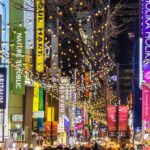
Entering the Day at Myeongdong: price, pace, and what $36 gets you
This is the kind of Seoul day trip that’s built for people who want structure but don’t want to feel trapped. You meet outside Exit #10 of Myeong-dong subway station at 08:30 am, then you’re off in a van with a driver and a professional guide. The tour price is $36 per person, and importantly, entrance fees are included—so you’re not doing surprise math while you’re trying to enjoy the day.
The best value part isn’t just the sites. It’s the way the day is arranged into three zones: hanok streets in the morning (Bukchon), two UNESCO royal sites in the middle (Jongmyo and Changdeokgung, with substitutions), and then a UNESCO fortress in the afternoon (Suwon). That flow matters because you’re not constantly trying to translate directions or timing on your own.
Your pace is also a practical one: you’ll have a lunch break, but meals are not included. That means you should plan to grab something quick and nearby when the break hits—don’t count on the guide’s schedule turning lunch into a meal included in the ticket.
And yes, it runs rain or shine, so bring a light rain layer. Korea weather loves quick changes, and the itinerary depends on walking and outdoor viewing at multiple stops.
You can also read our reviews of more tours and experiences in Seoul.

Bukchon Hanok Village: where you see Korea’s old house style in real life
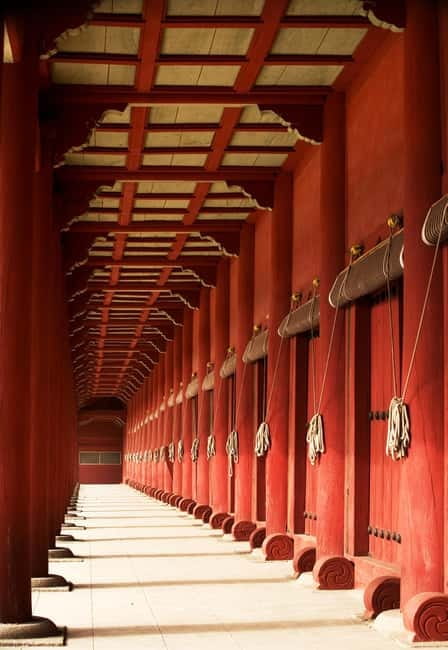
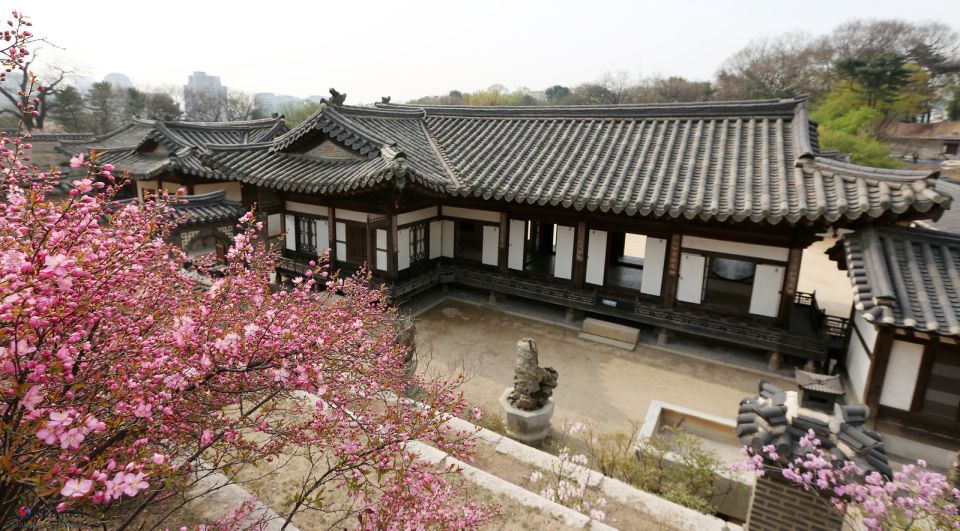
You start the morning in Bukchon Hanok Village, where preserved traditional Korean houses (hanok) line the streets. This is one of those places where photos can look great, but the value is actually being able to walk past the details. The guide’s job here is important: they’ll point out the architecture cues and the way the neighborhood evolved—some homes now function as cafés or cultural centers, which keeps it lively without turning it into a theme park.
I like Bukchon for two reasons. First, it’s a visual reset between big monuments. After palaces and shrines (which can blur together for first-timers), Bukchon helps you orient yourself to how Seoul’s older building style sits inside the modern city. Second, it gives you time to slow down. Even if you love history, you still need moments where you’re just walking, looking, and taking photos from different angles.
If you’re hoping to wear a hanbok, manage expectations: the tour description doesn’t promise rentals. But one guide experience stood out for helping a guest find a hanbok shop and taking photos—so if that’s on your wish list, ask your guide what’s nearby and workable that day.
A practical note: if Bukchon Hanok Village is closed, your visit is replaced with Namsangol Hanok Village. That swap keeps the morning’s goal intact—traditional housing and neighborhood feel—without leaving you with a blank slot.
Jongmyo Royal Shrine or Insadong on Tuesdays: sacred rituals vs old-town browsing
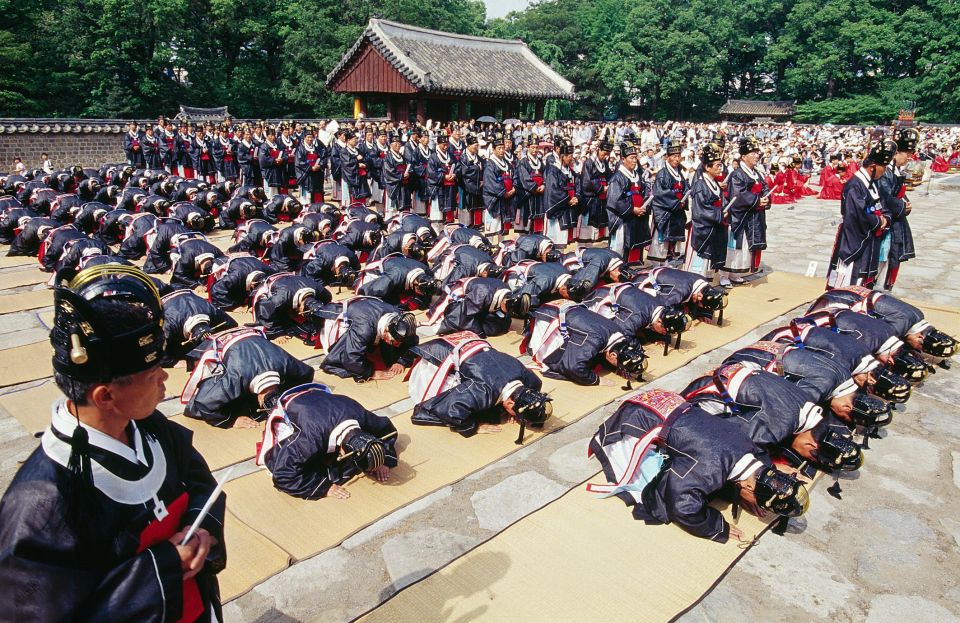
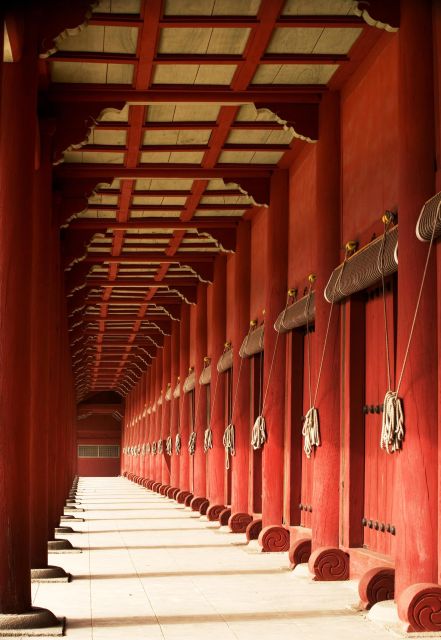
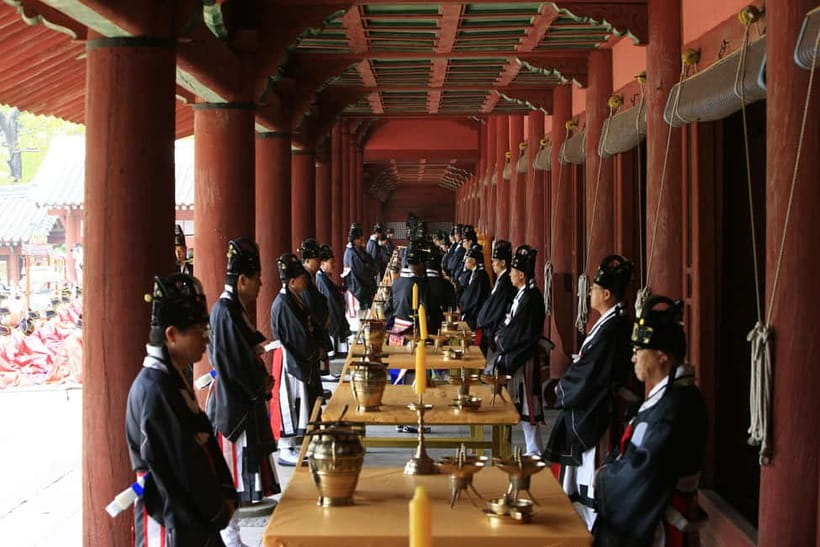
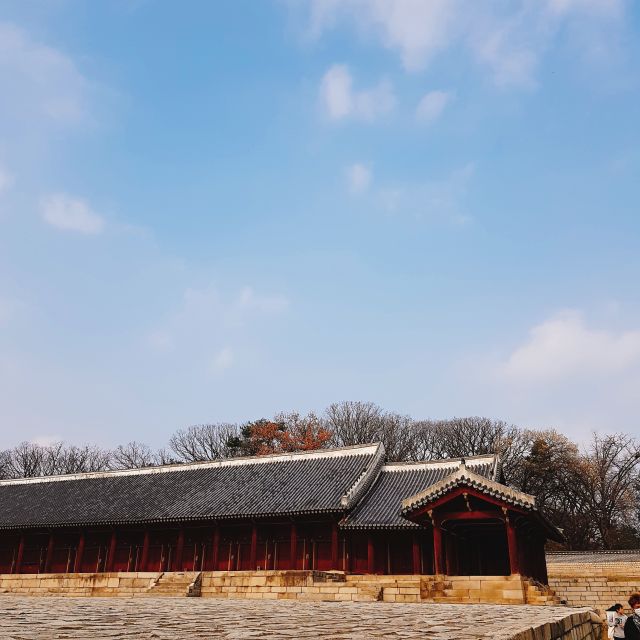
Next comes Jongmyo Royal Shrine, a UNESCO site built for royal ancestral rites and associated with centuries of memorial tradition. The big idea you want to keep in mind here is that Jongmyo isn’t just a building—it’s part of an ongoing cultural system tied to how kings historically honored those who came before them. A guide can make this click, because the shrine’s meaning changes depending on what you understand about the rituals.
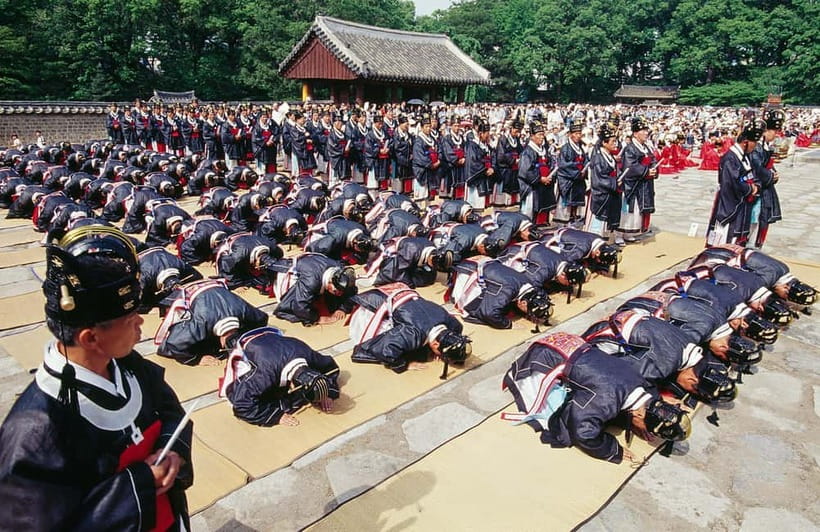
You also get the historic context: the shrine was where Korean kings came to pay respects to past monarchs. And while you’re there, you may see evidence of ceremonial life. The description also notes that the shrine occasionally hosts traditional memorial ceremonies and court music performances.
Now the important switch: on Tuesdays, Jongmyo is closed, and your visit is replaced with a guided tour of Insadong Culture Street. Insadong works differently. Instead of sacred ritual space, you get a concentrated stretch of traditional atmosphere—antique shops, galleries, and traditional tea houses. If you like souvenirs that look like real craft rather than mass-produced items, Insadong is the trade-off you’ll likely prefer on that day.
Either way, you’re still getting cultural orientation. It just shifts from shrine symbolism to old-town textures.
Changdeokgung Palace: seeing 600 years of royal design in the gardens
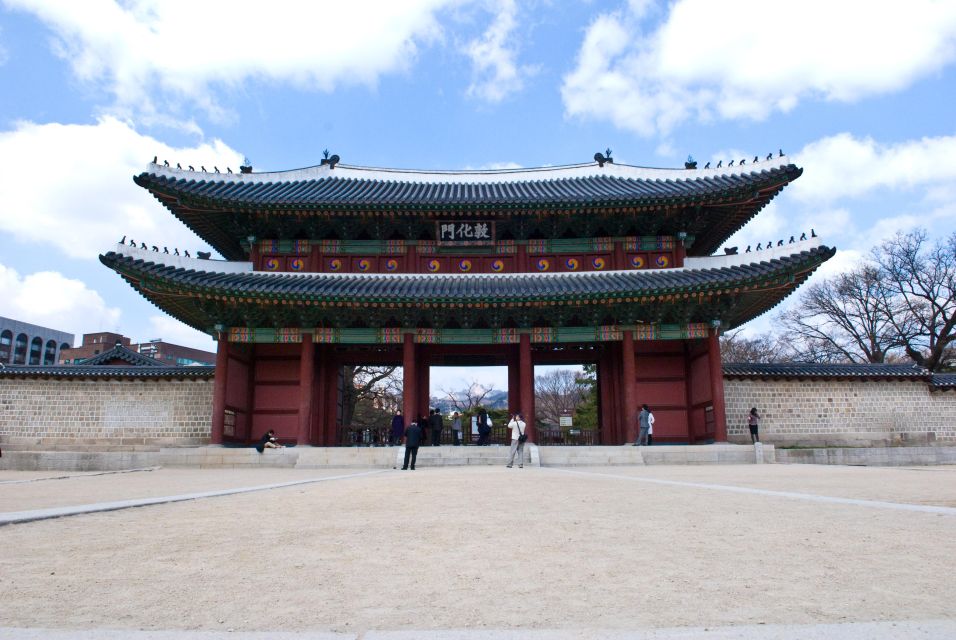
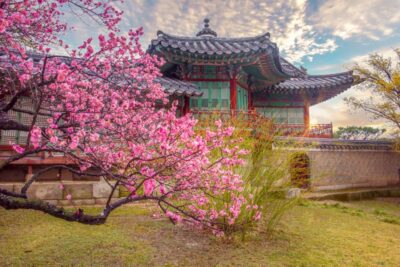
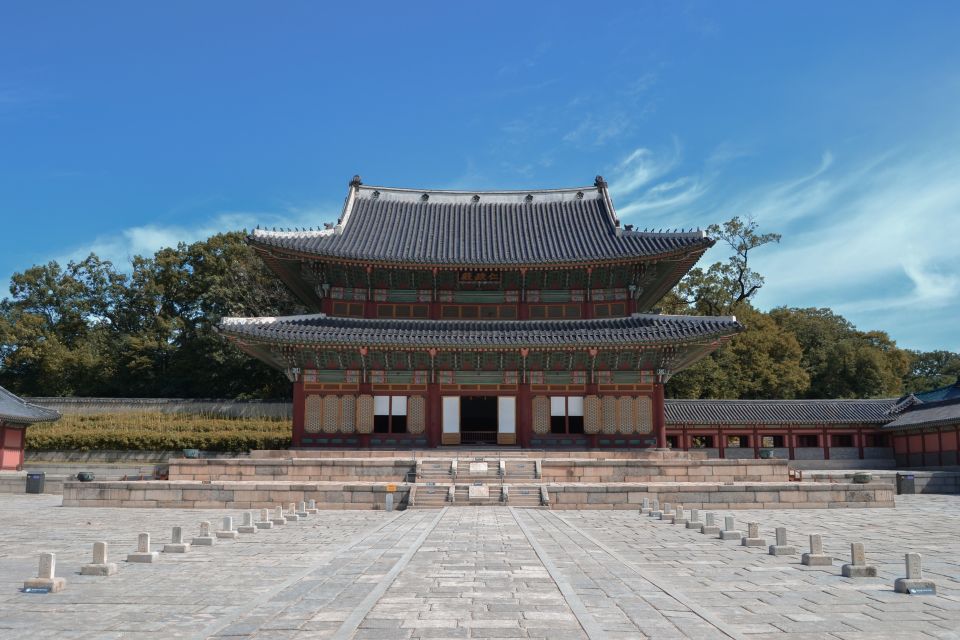
After Jongmyo (or Insadong), you head to Changdeokgung Palace, another UNESCO-listed site. Changdeokgung is often called elegant for a reason: royal architecture plus landscaped gardens designed to work with the natural setting. The tour focuses on both the buildings and the gardens, which is key. If you only look at one side, the palace can feel like just another set of walls. If you look at both, it starts telling a story about how royal life tried to balance power, order, and the feel of the environment.
This is also where a good guide earns their fee. Several guides named in feedback—like Park, Leo, Chloe, Heidi, and Orota—are praised for explaining Korean history and culture in ways that make the palace feel understandable, not distant. That matters because palace design can look “pretty” but still fail to teach you anything unless someone connects details to the royal system behind them.
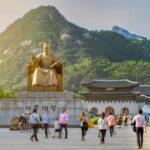
One more day-of-week rule: on Mondays, Changdeokgung is replaced with Gyeongbokgung Palace. If you’re planning for Monday specifically, don’t panic. You’re still getting a major royal palace experience; the swap simply changes which palace you see.
Cheongha Korea Ginseng stop: what it is and how to use it
Midday you stop at Cheongha Korea Ginseng. This part isn’t a UNESCO site, but it can be useful if you want a practical lens on Korean herbal medicine traditions.
The tour explains the long story of ginseng across East Asia medicine, including early documentation in the Han Dynasty-era classic Ji Jiu Zhang. It also highlights Korean ginseng in particular and mentions its value as an adaptogen—supporting stress resistance and overall health.
Here’s how I’d approach this stop: treat it as an educational cultural break, not a hard sell. Ask your guide to point out what you’re seeing and what’s being claimed—then decide what (if anything) you want to buy based on your own comfort and budget. If you’re just sightseeing, you can treat it as a chance to learn and stretch your legs.




Afternoon UNESCO bonus: Suwon Hwaseong Fortress and Hwaseong Haenggung
Here’s why this tour often feels like more than a half-day palace crawl: after lunch, you continue to Suwon in Gyeonggi-do Province. You visit Suwon Hwaseong Fortress, a UNESCO World Heritage Site, and also Hwaseong Haenggung Palace, a temporary royal residence during travel outside the capital.
This is a smart addition for first-time Seoul visitors because it expands your idea of what UNESCO can be. You’re not only seeing royal life inside Seoul. You’re seeing advanced military engineering from the late 18th century, plus the travel-life side of kings with Haenggung as a place of residence during journeys.
If you’ve ever wondered what palace power looked like when it had to survive travel and conflict, Hwaseong helps answer that. Fortress walls and design choices are easier to appreciate when your guide connects them to the time period and the purpose of the site. In feedback, guides are repeatedly described as very informative and passionate, and that style really helps at a fortress stop where the details are easy to miss if you’re tired.
The tour then returns to Seoul with drop-off in Myeongdong near the subway station. If you’re planning dinner right after, this is a convenient landing zone.
Food, photos, and pacing: how to make the day feel easy
There’s a built-in realism to this itinerary: you’ll walk, you’ll be outside, and you’ll move from neighborhood to palace to shrine to palace again. The good part is that the van transfer and driver reduce the hardest work. You don’t have to worry about route-finding between sites. You also aren’t left to decode everything alone—your guide helps you connect the dots.
Lunch is the one item you’ll need to plan for: the tour includes a lunch break, but the meal cost isn’t included. My advice is simple: when the break starts, decide quickly. Don’t wait for the perfect spot. You’ll want your energy for the afternoon fortress viewing.
Photo help is also a real strength. Multiple guides are praised for taking plenty of photos at each location. One review even mentioned getting help finding a hanbok shop, which suggests the guide will help with small practical needs when they come up. If you care about getting good shots, it helps to speak up early: tell the guide when you want photos, and whether you want family-style group pictures or quieter couple shots.
One more practical note: alcohol and drugs aren’t allowed. That’s common on guided tours, but it also means the day stays focused and stays safe.
Is this tour worth it for $36? The value equation
At $36, this tour is priced like a smart sampler: you get entrance fees covered, a professional English-speaking guide, and van transfers with a driver. What you don’t pay for is meals. That’s typical, but it’s also where you can control your budget.
What makes it feel like good value is the mix of UNESCO sites and different types of experiences:
- UNESCO royal shrine and palace give you the big historical framework.
- Bukchon hanok neighborhood time gives you everyday architecture and street-level culture.
- Suwon Fortress extends the story and makes the day feel complete, not repetitive.
This is also a great first-day option if Seoul is your launchpad city. It gives you a set of cultural anchors: you’ll learn what royal sites looked like, how ancestral rites shaped space, and how Seoul’s older neighborhoods fit beside modern life.
If you’re a history enthusiast, you’ll likely love this. But even if you’re not, the guide-driven explanations plus frequent photo stops make the experience easier to enjoy than a do-it-yourself rush.
Who should book this Seoul and Suwon UNESCO day?
This works best for you if:
- You want a guided day with clear explanations in English.
- You like UNESCO sites, but you also want street-level Seoul (Bukchon) so the day isn’t only formal monuments.
- You want more than central Seoul and are okay with an afternoon trip to Suwon.
It’s not a great match if:
- You need wheelchair accessibility.
- You prefer super flexible pacing or self-guided exploration with no itinerary structure.
- You’re traveling with a schedule that can’t handle rain or shine.
Also, if you care about specific palaces, check the day-of-week swaps. Mondays change the palace stop (Changdeokgung replaced by Gyeongbokgung), and Tuesdays change Jongmyo into Insadong.
Should you book this UNESCO sites tour?
Book it if you want a well-paced, guided day that turns famous sites into understandable experiences, and if you like the idea of ending in Myeongdong with easy access to dinner and subway connections. The price is hard to beat given that entrance fees and guided interpretation are included, and the Suwon UNESCO add-on makes the itinerary feel substantial.
Skip it if you need full accessibility, or if you prefer to control every hour yourself with no substitutions. In that case, you could still see these places, but you’ll spend more time planning and more energy figuring out what matters while you’re already on your feet.
FAQ
What UNESCO sites are included in this tour?
The tour includes Changdeokgung Palace and Jongmyo Royal Shrine, and in the afternoon it adds Suwon Hwaseong Fortress (a UNESCO World Heritage Site). On Mondays and Tuesdays, some visits are replaced (Changdeokgung can swap to Gyeongbokgung, and Jongmyo can swap to Insadong).
Where do I meet, and where does the tour end?
You meet outside Exit #10 of Myeong-dong subway station at 08:30 am. The tour ends back in the Myeongdong area near the subway station.
What happens on Mondays?
On Mondays, Changdeokgung Palace is replaced with Gyeongbokgung Palace.
What happens on Tuesdays?
On Tuesdays, Jongmyo Royal Shrine is closed and the visit is replaced with a guided tour of Insadong Culture Street.
Is lunch included in the price?
A lunch break is provided, but the meal cost is not included in the tour price.
Is the tour wheelchair accessible?
No. This tour is not suitable for wheelchair users.