REVIEW · COOKING CLASSES
Seoul : Taste of Korea, Authentic Home-Style Cooking Class
Book on Viator →Operated by Hansik Korean Cooking Class · Bookable on Viator
Cooking Hansik changes how you taste Korea. This 3-hour, small-group home-style class in Jongno turns Korean food into something you can actually make, starting from scratch and finishing with a full meal you eat family-style. You cook four classics—gimbap, tteokbokki, haemulpajeon, and budae jjigae—while learning the why behind the flavors and getting plenty of help along the way, led by Jennifer.
I love how practical the teaching is: you’re not just watching. You’re chopping, mixing, rolling, and cooking at your own station with step-by-step guidance, and the setup is clean and organized.
The other big win is the value: you leave very full, with leftovers to take home, and you’re served Korean tea, snacks, Sikhye, and often Makgeolli plus dessert. One consideration: this is a food-first experience, so if you prefer light bites or have a very small appetite, plan accordingly.
In This Review
- Key things that make this Seoul cooking class work
- Hansik at home in Jongno: what this class really teaches
- Getting oriented: your station, the pace, and the big “from scratch” promise
- Gimbap from scratch: building structure with simple ingredients
- Tteokbokki and sauce control: heat, thickness, and gochujang balance
- Haemulpajeon: learning how a savory pancake stays crisp
- Budae jjigae: comfort stew that ties the meal together
- The food beyond cooking: Sikhye, Makgeolli, desserts, and Korean tea
- Where the class earns its 4.9 rating: teaching style and results
- Price and value: what $89 buys you (and why it feels fair)
- Practical tips before you go: how to enjoy the class more
- Who should book this class, and who might not love it
- Should you book this Seoul Hansik cooking class?
- FAQ
- How long is the Seoul Hansik cooking class?
- Where does the class start in Seoul?
- Which dishes will we learn to cook?
- How big is the group?
- Do you serve alcohol during the class?
- Do I receive the recipes after the class?
- What happens if the activity is canceled due to poor weather?
Key things that make this Seoul cooking class work
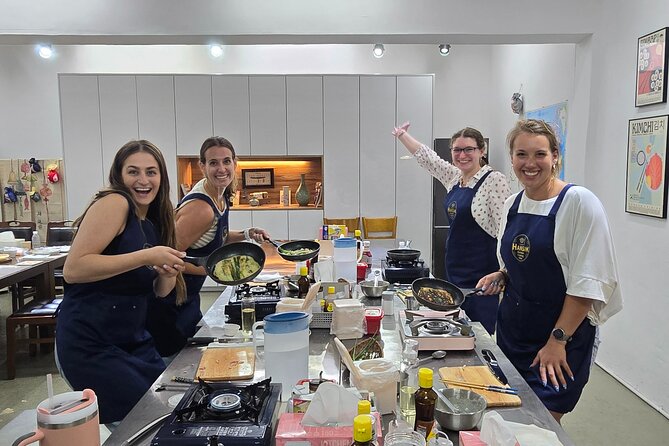
- Small group (max 10) so you get real attention at each cooking step, not just general instructions
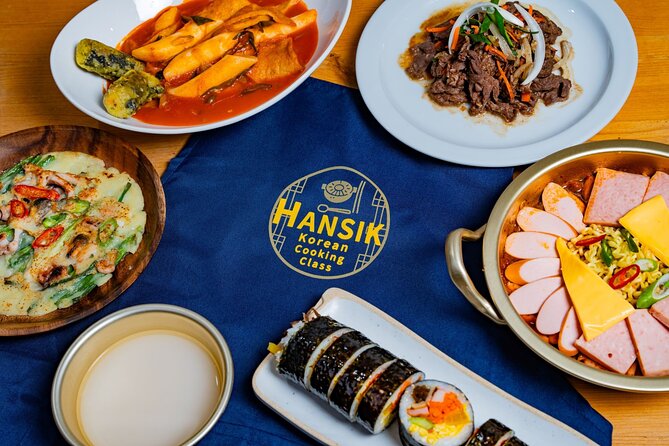
- Cook 4 dishes from scratch: gimbap, tteokbokki, haemulpajeon, and budae jjigae
- Hands-on teaching by Jennifer with patient, friendly help when your technique needs adjusting
- Huge meal and leftovers with Sikhye and desserts, plus Makgeolli for ages 21 and up
- Digital recipes after class, so you can recreate what you made at home
- Dietary flexibility where alternative recipes are offered when needed
Hansik at home in Jongno: what this class really teaches
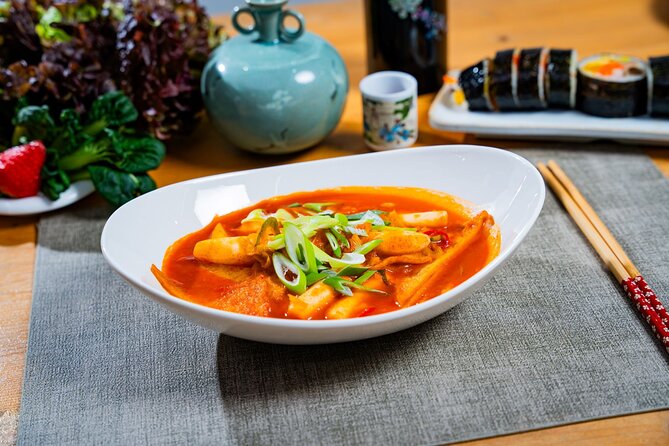
Seoul is full of food experiences, but this one plays a different game. Instead of just tasting Korean dishes, you learn how home cooks build flavor: what textures to aim for, how sauce changes the mood of a dish, and what each item is meant to do on the table.
The class is built around Hansik, which basically means Korean cuisine. You’ll cook four well-known dishes that also show different sides of Korean cooking: comfort, street-food spice, savory pancakes, and the satisfying structure of rice rolls. The teaching kitchen is set up with dedicated cooking stations, so you’re not stuck waiting in line for a turn.
You’ll also get more than recipes. Jennifer (and her team, including Ms Lee) tends to explain the story and context behind what you’re making. That matters because once you understand the role of ingredients—like gochujang in tteokbokki or how seafood and scallions behave in a pancake—you can adjust at home without copying blindly.
And yes, it’s a proper meal. Korean tea and snacks are part of the plan, and the food keeps coming through the class. Reviews often point out that portions are big, and leftovers are common. Come hungry.
You can also read our reviews of more cooking classes in Seoul
Getting oriented: your station, the pace, and the big “from scratch” promise
Your experience starts at a specific address in Jongno District: 31-5 Jahamun-ro, with the activity ending back there. It’s designed to be easy to reach using public transportation, and you’ll use a mobile ticket.
Once you’re inside, the rhythm is clear: you’ll work in a group small enough for the instructor to notice what you’re doing. That’s not a small detail. Korean home cooking has a few techniques that are hard to learn from watching alone—heat control, texture cues, and timing. In a bigger crowd, someone always gets rushed. Here, the pace stays human.
You’ll also get recipes digitally afterward. That gives you a safety net if your notes fill up with sauce splatters or if you want to recreate the exact flavors without guessing.
If you’re hoping for a relaxed foodie demo, this will still feel hands-on. If you’re hoping for full classroom calm, it won’t be silent and stiff. Think: organized cooking, friendly coaching, and a steady flow so you finish with a full table.
Gimbap from scratch: building structure with simple ingredients
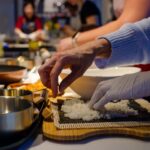
Gimbap is one of those foods that looks simple until you try it. It’s a rice roll, but the magic is in the balance: seasoned rice that holds together, fillings that add color and bite, and rolling technique that keeps everything neat.
In this class, you’ll make gimbap from scratch step by step. The goal isn’t just to end up with something edible (though you will). It’s to learn how Korean-style rice roll filling and rice seasoning work together so the roll cuts cleanly rather than collapsing.
What I like about how this fits the class: gimbap is a good training dish. It teaches you texture targets and how to manage portions. When you learn that here, the other dishes make more sense afterward, because you start recognizing how Korean meals are built—food isn’t just flavor, it’s also form.
Practical tip: if you’re new to rolling, expect it to feel awkward at first. The instruction style here is supportive, and you’re not doing it alone. By the time you’re finished, you’ll likely understand the technique more than you’d get from a quick street snack.
Tteokbokki and sauce control: heat, thickness, and gochujang balance
Tteokbokki is famous for a reason. It’s chewy rice cakes, spicy-sweet gochujang-based sauce, and that addictive feeling that comes from stirring something that’s thickening in real time.
In the class, you’ll cook tteokbokki with guidance throughout. You’ll work with rice cakes and learn how the sauce changes as it simmers. The instructor focus matters here. Too thick and it’s cloying. Too thin and it doesn’t cling to the cakes. You learn the cues instead of guessing.
This is also where the experience can get fun for you even if you’re not a spice person. You can adapt to your preferences, and the class approach includes dietary accommodations with alternative recipes when needed. That’s useful if you’re cautious with heat, seafood, or certain ingredients.
If you’re the kind of traveler who likes to bring a dish home as a souvenir, tteokbokki is a strong choice. It’s relatively ingredient-light compared to more complex Korean dishes, but the flavor impact is big.
Haemulpajeon: learning how a savory pancake stays crisp
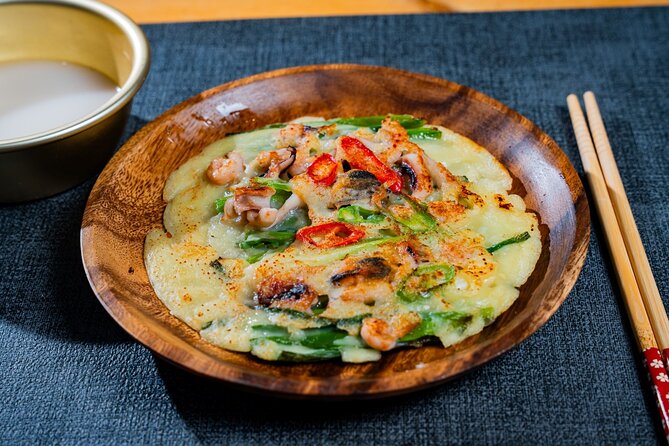
Haemulpajeon is the seafood green onion pancake, and it teaches a different set of skills than rolling rice.
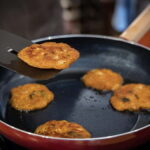
You’ll make it in a hands-on way, with focus on combining batter, seafood, and scallions so the pancake cooks through without turning soggy. This is one of those recipes where timing and heat matter. The edges should set; the center shouldn’t feel raw.
I like that this dish is included because it expands your sense of Korean food beyond spicy stew and rice rolls. Haemulpajeon is casual, communal, and often served with drinks and dipping-style flavors at the table. Learning it during a class like this helps you understand how Korean meals can move between comfort and street-food energy.
It also pairs well with everything else you’ll cook. You’ll get to taste how different textures show up on the same meal: chewy rice cake, structured roll, soft savory pancake, and steamy stew.
You can also read our reviews of more tours and experiences in Seoul

Budae jjigae: comfort stew that ties the meal together
Budaejjigae, often called Korean army stew, is all about comfort. It’s hearty, warming, and built for eating slowly while the table fills up.
In the class, you’ll prepare the stew as part of the cooking arc. The exact ingredients and method aren’t listed in your info, but the essential experience is consistent: you’ll learn how a stew comes together and why it tastes deeper than you’d expect from home-style cooking.
This dish is a great closer for a class because it rounds out the flavor spread. By the time you get to the stew stage, you’ve already learned how to manage chew (tteokbokki), structure (gimbap), and savory pancake technique (haemulpajeon). Now you’re learning how Korean home cooking handles depth and warmth.
And when it’s served, it becomes part of your full-course meal. The result is that you don’t just “try” food. You sit down and actually eat what you made.
The food beyond cooking: Sikhye, Makgeolli, desserts, and Korean tea
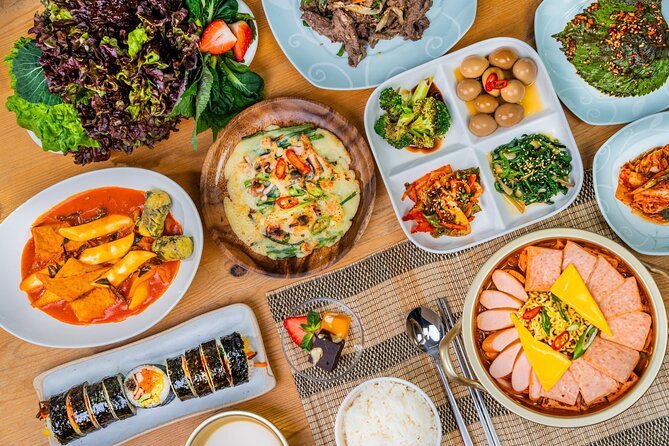
One reason this class feels like good value is that it isn’t just recipes and raw ingredients. You’re served Korean tea and snacks during the session.
You’ll also have Sikhye, a Korean rice punch that’s sweet and cooling. It’s a smart counterbalance after spicy tteokbokki. If you’re the type who forgets to hydrate properly while sightseeing, this helps you stay comfortable through the cooking chaos.
Makgeolli, Korean rice wine, is also included in the experience, but only for travelers age 21 and up. If you’re under 21, you’ll still be served non-alcoholic drinks. That kind of clear policy keeps the atmosphere relaxed and inclusive.
Dessert is part of the meal too. Between the stew, pancakes, and rice roll, you’ll likely welcome the sweet finish. Reviews also point out that the meal is more than enough, with leftovers often available to take home.
Where the class earns its 4.9 rating: teaching style and results
The strongest pattern in the feedback is consistency. People come out feeling they learned actual cooking skills. They describe making multiple dishes from scratch, not floating through a demonstration.
Jennifer’s style shows up again and again: patient when you need help, chatty and welcoming, and structured enough that you aren’t lost. If you’ve taken cooking classes before and worried you might just chop for a minute while someone else does the real work, this is different. The class is built so you do the cooking.
A few practical details that matter:
- The environment is described as clean and set up for proper cooking
- Guidance is described as clear, with a comfortable pace
- Dietary needs can be handled with alternative recipes
You also get digital recipes afterward. For me, that’s what turns a fun meal into a skill you can repeat once you’re home.
Price and value: what $89 buys you (and why it feels fair)
At $89 per person for about 3 hours, this isn’t the cheapest way to eat in Seoul. But it also isn’t just an entertainment ticket.
You’re paying for:
- A small group setting (max 10)
- Guided hands-on teaching for four dishes
- A full-course meal setup including tea, snacks, Sikhye, and dessert
- Makgeolli where age-appropriate
- Digital recipes afterward
- And, in many cases, leftovers
For comparison, if you’ve ever paid for a cooking class that leaves you with one dish and a couple of screenshots, this feels more complete. The portion size is repeatedly called out as substantial. That makes the cost easier to justify, especially if you like to eat what you cook.
If you’re traveling solo, it can still be good value because the attention doesn’t disappear. If you’re traveling as a pair or family, it can be a great splurge because everyone gets hands-on work and real results.
Practical tips before you go: how to enjoy the class more
This is a “come hungry” experience. The menu and portions add up. Plan your day so you’re not stuffed from an early meal. You’ll get snacks during the class, plus the full meal at the end.
Wear something you can move in. Even with a clean setup, cooking gets hands-on. Also, don’t overthink it. If you worry about being able to cook correctly, remember: the instruction style is built around helping you succeed even if you stumble at first.
Dietary restrictions aren’t ignored. Alternative recipes are offered, so if you have preferences or limitations, share them. You’ll likely get an adaptation rather than being sidelined.
Finally, pick the session time that works for your itinerary. Morning or evening options are available, and both can fit well depending on your sightseeing rhythm.
Who should book this class, and who might not love it
Book it if you:
- Want a hands-on Korean food experience, not just tasting
- Like learning recipes you can repeat
- Enjoy comfort food and classic Korean flavors
- Appreciate small group teaching with lots of guidance
You might skip it if you:
- Prefer very light experiences with minimal time in a kitchen
- Have a strong preference for restaurant-style eating and want less cooking work
- Are worried about consuming a large amount of food in one sitting
If your ideal Seoul day includes one authentic activity that teaches you something real, this fits nicely.
Should you book this Seoul Hansik cooking class?
Yes, if you want a practical, friendly way to learn Korean home-style cooking. The biggest strengths are simple: you cook four classics from scratch, you get supportive teaching from Jennifer (with her team, including Ms Lee), and the experience includes a genuinely filling meal with Sikhye, drinks for 21+ guests, and dessert.
The only real “watch out” is appetite. This class is generous with food and takes up most of your morning or evening with active cooking. If that sounds like your kind of plan, it’s a high-value way to understand Hansik beyond the tourist version.
FAQ
How long is the Seoul Hansik cooking class?
It runs for about 3 hours.
Where does the class start in Seoul?
The meeting point is 31-5 Jahamun-ro, Jongno District, Seoul, South Korea, and the activity ends back at the same place.
Which dishes will we learn to cook?
You’ll cook four Korean dishes: gimbap, tteokbokki, haemulpajeon, and budae jjigae.
How big is the group?
The class has a maximum of 10 travelers.
Do you serve alcohol during the class?
Makgeolli and alcoholic drinks are served only to travelers age 21 and above. Guests under 21 are served non-alcoholic drinks.
Do I receive the recipes after the class?
Yes. The class provides digital recipes after the cooking session.
What happens if the activity is canceled due to poor weather?
If it’s canceled because of poor weather, you’ll be offered a different date or a full refund.