REVIEW · COOKING CLASSES
Seoul: Korean Cooking Class with Local Grocery Shopping
Book on GetYourGuide →Operated by Seoul Foodventure · Bookable on GetYourGuide
Markets and meals, in 150 minutes. This Seoul Foodventure class is fun because you shop like a local at Mangwon Market and then turn those ingredients into three iconic Korean dishes. I like that it is built for real skill levels, not just confident home chefs, and I especially like getting a hands-on lunch/dinner you can repeat later.
One thing to consider: the market tour only happens for morning classes, so if you want to sleep in or start late, you may need to pick a different day/time.
In This Review
- Key things that make this class worth your time
- Mangwon Market shopping near Mangwon Station (not the usual tourist circuit)
- Why Mangwon Market feels better than the bigger-name markets
- Studio setup: friendly, structured, and beginner-proof
- Bulgogi: learning the flavor engine behind Korean home cooking
- Gyeran-jjim: fluffy steamed egg comfort food, explained in plain steps
- Kimbap rolling: the picnic skill you’ll actually use again
- What to do with leftovers: Han River picnic plan
- Timing: making the most of 150 minutes without feeling rushed
- Price and value: why $89 is more than a cooking class
- Who this class is best for (and who should skip it)
- What you’ll leave with: skills, flavors, and a Seoul routine you can repeat
- Should you book this Seoul Foodventure cooking class?
- FAQ
- Where is the meeting point?
- How long is the class?
- What dishes will I make?
- Is the market tour included for all class times?
- Is the class taught in English?
- What’s the group size?
- Is the class suitable if I’m a beginner?
- What should I wear?
- Can I share dietary restrictions?
- Is it wheelchair accessible?
- What’s included besides cooking?
Key things that make this class worth your time
- Mangwon Market first, then cooking: you’re not just following a recipe; you’re choosing the ingredients.
- Three dishes that cover three Korean comfort-food styles: savory, steamed, and picnic-friendly.
- Small group of max 8 people means you get real attention while you cook.
- English instruction keeps the process clear, even if you’re new to Korean kitchens.
- Han River picnic idea for leftover kimbap turns your meal into a Seoul moment.
Mangwon Market shopping near Mangwon Station (not the usual tourist circuit)
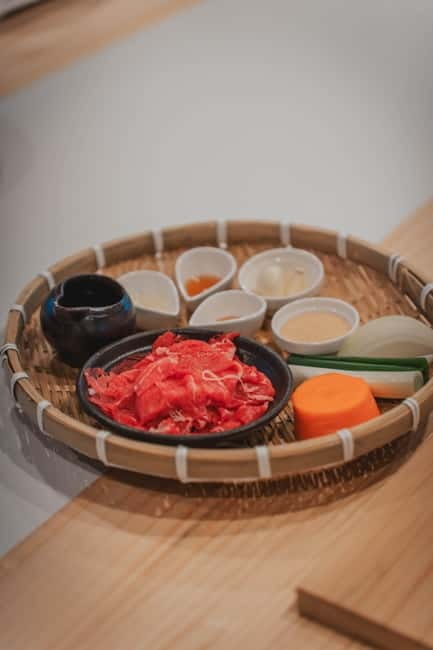
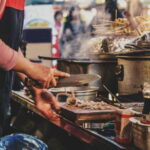
If you only see Seoul’s bigger names, you miss how people actually eat. Here, the day starts at Mangwon Market, a neighborhood market that feels more like everyday shopping than a tourist stage. You’ll walk among stalls, look for ingredients you’ll cook soon after, and practice the kind of selection a Korean home cook makes.
What makes this market piece especially valuable is that it teaches you how Koreans think about food shopping. Instead of memorizing a list, you learn to judge what looks fresh in the moment. That carries over to your own cooking later, because you’ll know what to look for when the exact same ingredient is not available back home.
A practical bonus: Mangwon is also close enough to get you oriented fast. The studio is near Mangwon Station Exit 2, and you’ll find it easily if you search Seoul Foodventure on Google or Naver. From there, you’re also not far from the Hongdae area, so you can pair this with the rest of your Seoul sightseeing.
You can also read our reviews of more shopping tours in Seoul
Why Mangwon Market feels better than the bigger-name markets
You’ll hear plenty about famous markets, but the point here is the vibe and the purpose. Mangwon is the kind of place where locals shop in their real daily rhythm. That means you’ll see more normal household habits—what gets picked up for a meal, what looks used, and what seems to move quickly.
And because the market tour is included, you get this context without needing to figure it out on your own.
Studio setup: friendly, structured, and beginner-proof
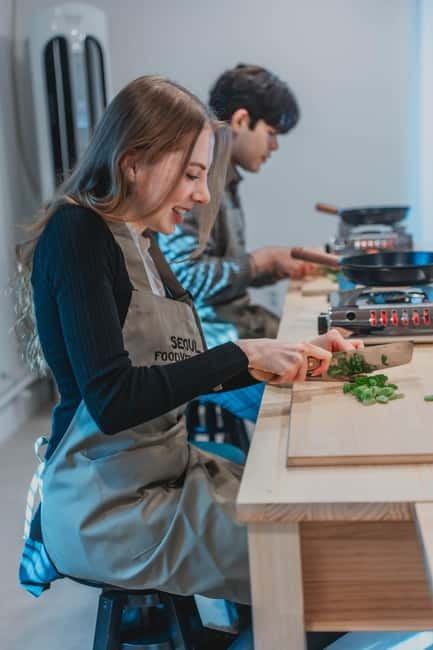
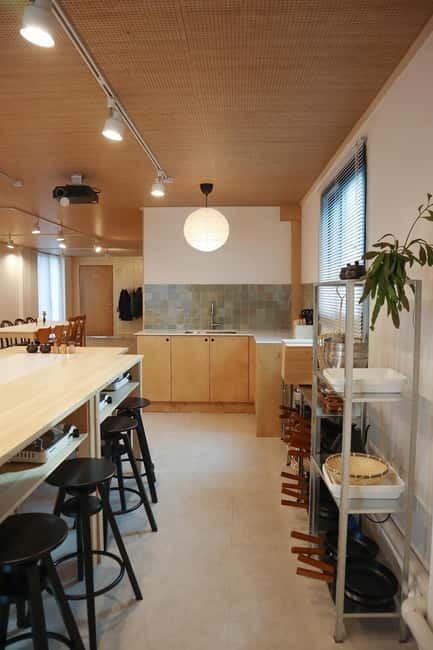
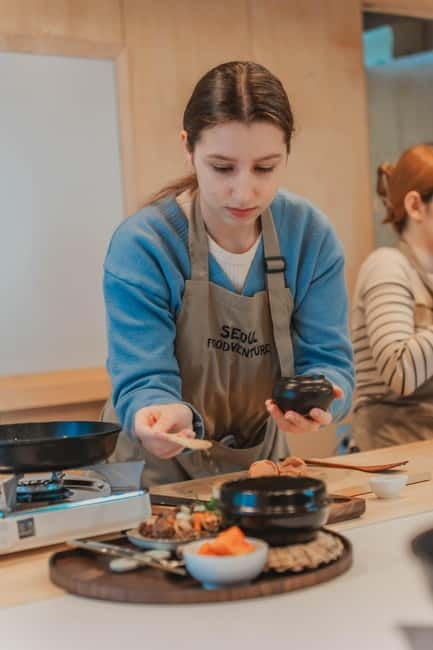
After the market, you move into a cooking studio that keeps things orderly and easy to follow. The class is designed so you can join even if you have never cooked Korean food before. The flow is hands-on, but you’re not thrown into chaos with a blank counter and a guess.
The instructor is English-speaking, and the class size is limited to 8 participants. That small number matters more than it sounds. You can actually ask questions mid-recipe instead of waiting for a rare moment. You also get enough space to work without bumping elbows every five seconds.
I also like that it feels staffed with warmth and competence. In past groups, instructors such as Phoebe and Rachel have been specifically praised for being sweet and helpful while still keeping the cooking moving. That combo is what you want: kindness plus clarity.
One small detail that helps immediately: wear comfortable shoes. You’ll be walking around the market, and Seoul sidewalks can be deceptively long.
Bulgogi: learning the flavor engine behind Korean home cooking
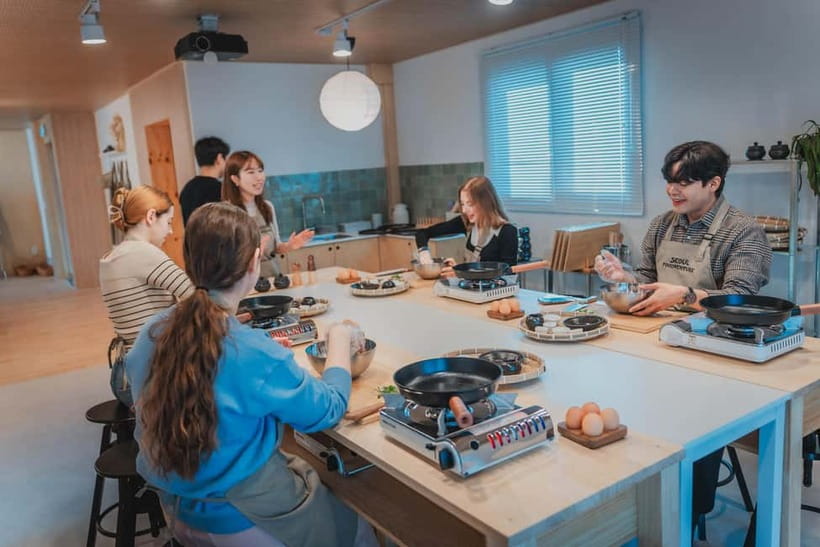
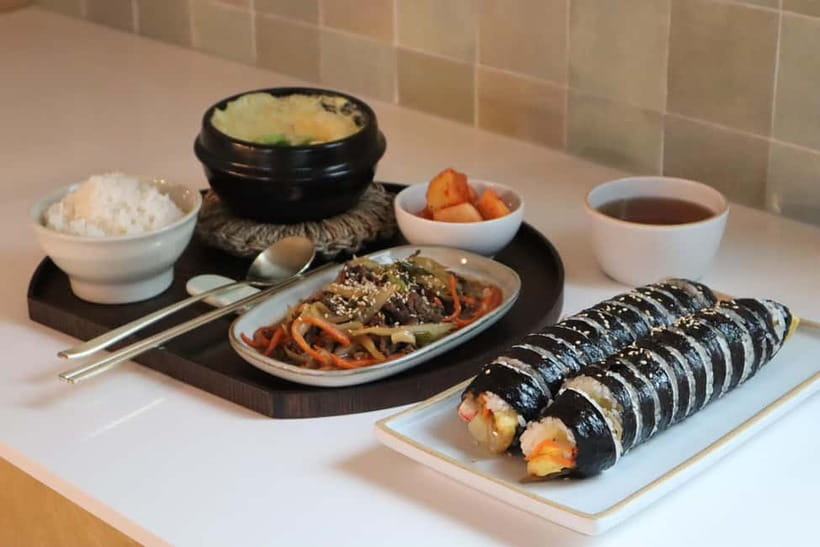
Bulgogi is one of those dishes that seems simple but has a real logic behind it. In this class, you learn how to make marinated bulgogi so you understand the balance that makes it taste right. The goal isn’t just to reproduce a one-time meal. It’s to give you enough technique to recreate it with confidence.
Here’s what I think you’ll get out of the bulgogi section:
- How the marinade coats the meat for quick, even flavor
- How to handle timing so it doesn’t overcook
- How to taste and adjust as you go, instead of hoping the first attempt is perfect
Even if you’re a busy person who cooks occasionally, bulgogi is a good skill to learn because you can use the same marinade ideas with other proteins later.
And because the ingredients are provided, you can focus on the cooking rather than hunting down hard-to-find items.
Gyeran-jjim: fluffy steamed egg comfort food, explained in plain steps
If bulgogi is the dramatic main, gyeran-jjim is the soft landing. This dish is steamed egg, and in this class it’s taught as light, fluffy comfort food rather than something complicated.
Steamed egg has a reputation for being tricky, mostly because texture is everything. But the class approach makes it manageable: you cook with guidance, so you learn what the egg should look like as it sets, and how to keep it from turning into something rubbery.
This is also one of the best parts of the class for learning Korean flavor at an everyday level. You’ll see how ingredients that seem basic can turn into something that tastes like home.
When you make gyeran-jjim along with bulgogi, the contrast becomes clear: one dish is savory and bold; the other is gentle and soothing. Together they feel like a proper Korean-style meal, not a random cooking project.
You can also read our reviews of more cooking classes in Seoul
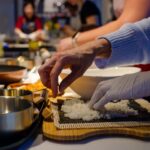
Kimbap rolling: the picnic skill you’ll actually use again
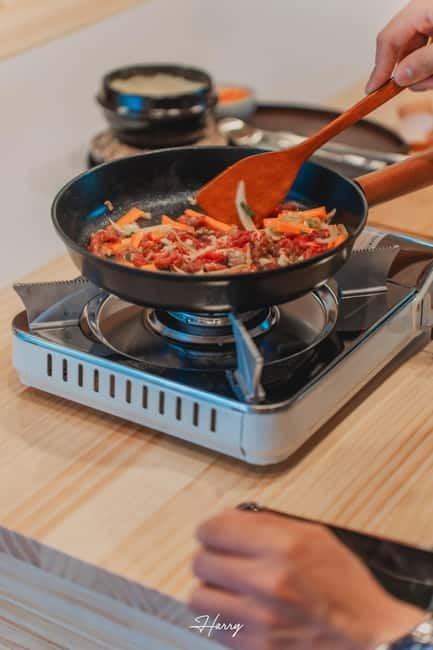
Kimbap is the ultimate grab-and-go Korean snack, and it’s smart that this class ends with it. You’re not just learning how to cook; you’re learning how to assemble food that travels well.
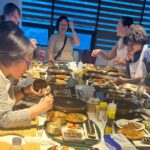
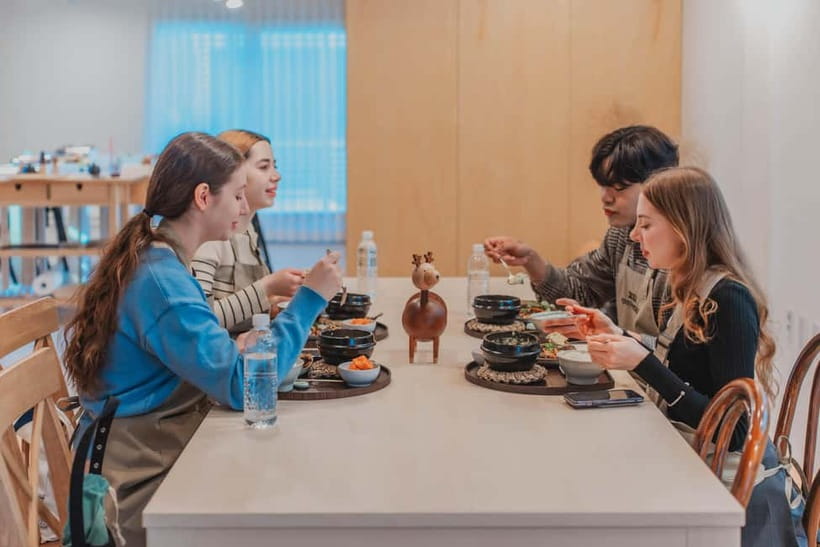
You’ll roll kimbap with the group, and then you’ll have time to eat your meal. The key value of learning kimbap is that it teaches you structure: how to spread, roll, and slice so it holds together.
What to do with leftovers: Han River picnic plan
Here’s the part I love because it turns the meal into a Seoul memory. If you have leftover kimbap, head to the nearby Han River and eat it picnic style. The idea is very simple: spread out a mat, relax, and treat it like a real Korean downtime moment.
This matters because Seoul can feel fast and scheduled. The picnic breaks that pattern. It also helps you justify the food experience beyond the studio walls—you’ll remember it while you’re sitting on the riverbank, not only tasting it once.
Timing: making the most of 150 minutes without feeling rushed
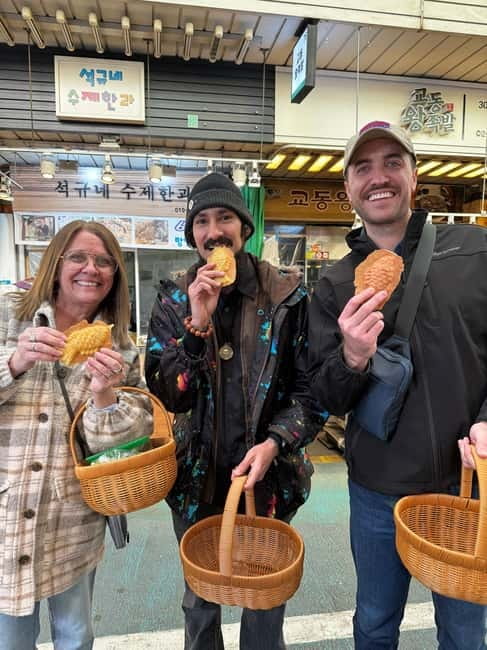
The class runs 150 minutes, which is a tight but doable window for shopping plus cooking. That means the day is structured, but it still feels hands-on rather than lecture-heavy.
Here’s how to think about the pacing:
- Market time sets up your ingredient choices
- Cooking time is split across bulgogi, gyeran-jjim, and kimbap
- Eating time gives your dishes a proper finish, not just a quick bite
One reason this time length works is that you’re not expected to cook everything from start to finish in a totally self-directed way. You follow a guided process, and you still do the work.
Also, keep in mind that you can wear your plan loosely around the rest of your day. The meeting point is near Mangwon Station Exit 2 and you’re fairly close to Hongdae. So after your class, it’s easy to keep exploring without long transfers.
Price and value: why $89 is more than a cooking class
At $89 per person, this isn’t the cheapest thing in Seoul, but it is also not trying to be. The value comes from what you get bundled together:
- Market tour experience
- Cooking class instruction
- Ingredients for all the dishes
- Your lunch or dinner meal
- Recipe booklet
- Drinks
For many cooking classes, you pay mainly for the kitchen time. Here, you also pay for the ingredient shopping context, which is a huge part of why the food tastes right and why you learn transferable skills.
In other words, you’re not just buying a meal. You’re buying the chance to learn how to choose ingredients in a local market and how to cook three dishes you can repeat.
The small group limit of 8 also supports the price. With fewer people, you get more direct help. That reduces the chance of ending up lost or frustrated, especially if you’re a first-timer.
And don’t ignore the practical element: you leave with a recipe booklet. That’s what turns the experience into future dinners, not a one-night memory.
Who this class is best for (and who should skip it)
This is a strong fit if you:
- Want an authentic food-and-market experience without a ton of planning
- Enjoy hands-on cooking and want to learn three Korean staples
- Like traveling with structure and still having time to ask questions
- Prefer small groups over big, noisy classes
It’s also ideal if you’re the type who likes to snack your way through Seoul, because kimbap plus a Han River picnic idea is a natural match.
You might want to think twice if:
- You only want evening activities, since the market tour is only available for morning classes
- You hate any walking at all, since comfortable shoes are recommended for the market portion
- You need very specific dietary accommodations but didn’t plan to tell the team ahead of time
What you’ll leave with: skills, flavors, and a Seoul routine you can repeat
By the end, you’ll have more than three recipes. You’ll have a workflow you can reuse:
1) pick ingredients with purpose
2) cook with guidance and learn what the dish should look like
3) pack food for sharing or picnics
That’s why this class works for so many different kinds of travelers. Even if you don’t consider yourself a cook, you can still walk away with a meal you can proudly make again.
And if you’re traveling with a group, it’s also a good bonding activity. Small teams plus shared cooking creates easy conversation, and the end result is something everyone can eat together.
Should you book this Seoul Foodventure cooking class?
I’d book it if you want a real food experience that goes past tastings and photos. The combination of Mangwon Market shopping and learning bulgogi, gyeran-jjim, and kimbap is practical, repeatable, and genuinely fun. The small group size and English instruction keep it accessible, and the recipe booklet means your effort doesn’t disappear after you check out.
If you’re flexible about timing and you’re down for morning energy, it’s an easy yes. If morning doesn’t work for you, check the class times carefully so you don’t accidentally miss the market piece, because that’s where a lot of the value lives.
FAQ
Where is the meeting point?
You meet at the studio, 4th floor, 8, World Cup-ro 13-gil, Mapo-gu, Seoul, Korea. It is described as steps away from Mangwon Station Exit 2. You can find it by searching Seoul Foodventure on Google or Naver.
How long is the class?
The experience lasts 150 minutes.
What dishes will I make?
You’ll learn to prepare bulgogi, gyeran-jjim, and kimbap.
Is the market tour included for all class times?
The market tour is only available for morning classes.
Is the class taught in English?
Yes, the instructor is English-speaking.
What’s the group size?
It is a small group limited to 8 participants.
Is the class suitable if I’m a beginner?
Yes. The cooking class is designed for everyone, regardless of skill level.
What should I wear?
Wear comfortable shoes because there will be some walking during the market part.
Can I share dietary restrictions?
Please inform the provider of any dietary restrictions or allergies in advance.
Is it wheelchair accessible?
The activity is listed as wheelchair accessible.
What’s included besides cooking?
Included are the market tour, cooking class, ingredients, a meal (lunch or dinner), a recipe booklet, and drinks.