REVIEW · WORKSHOPS
Seoul: Herbal Tea Class & Korean Medicine Tour
Book on GetYourGuide →Operated by Heojunoppa · Bookable on GetYourGuide
Herbal tea making beats guesswork. In Sungil Choi’s Seoul workshop, you blend personalized Korean herbal tea using around 40 medicinal herbs, plus you get a guided start that covers how TKM thinks about balance. One thing to keep in mind: the museum experience can vary in how much gets explained in English, so come with a translation-ready mindset.
This tour is built for different levels, from curious beginners to medical professionals, with a session that can be shaped to your interests. It runs in English, starts at 2:00 p.m., and you can stay connected afterward for questions, which is a huge help when you’re trying to make sense of what you just learned.
In This Review
- Key Things I’d Put on Your Radar
- A 2:00 PM Workshop Where You Actually Make the Tea
- Your Around-40-Herb “Touch Table” in TKM
- Blending Session: Choosing Herbs for Your Own Tea
- Yin-Yang and the Five Elements, Without the Big Headache
- K-medi Center and the TKM Museum: Where the Pieces Meet
- Optional Korean Medicine Add-Ons (And the Extra Costs)
- Price and Value in Seoul: Is $50 Fair?
- Who This Tour Fits Best (And Who Might Hesitate)
- Practical Tips to Make This a Smooth, Worth-It Afternoon
- Should You Book This Seoul Herbal Tea Class & Korean Medicine Tour?
- FAQ
- FAQ
- What time does the tour start in Seoul?
- Where do I meet the guide?
- What’s included in the $50 tour fee?
- What’s not included after the museum?
- Is the tour offered in English?
- Can I reserve now and pay later, and how does cancellation work?
Key Things I’d Put on Your Radar
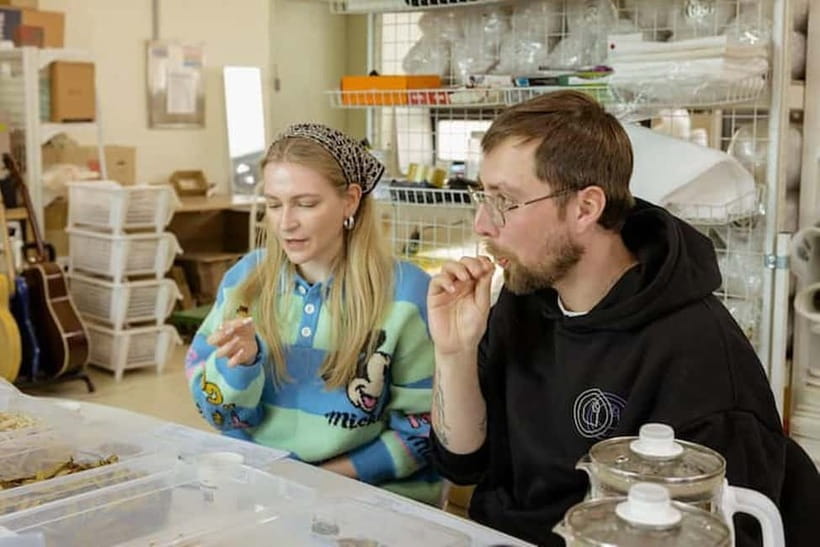
- Hands-on blending: choose herbs and build your own tea, not just watch.
- Around 40 TKM herbs: you get real contact with common medicinal plants used in Traditional Korean Medicine.
- Yin-Yang + Five Elements basics: simple explanations that help you interpret the logic.
- TKM Museum included: entry plus museum commentary by a Traditional Korean Medicine expert.
- Optional treatments cost extra: acupuncture, moxibustion, massages, and foot baths are separate.
- One price covers a lot, but not everything: tea, lecture, and museum are included; add-ons are not.
A 2:00 PM Workshop Where You Actually Make the Tea
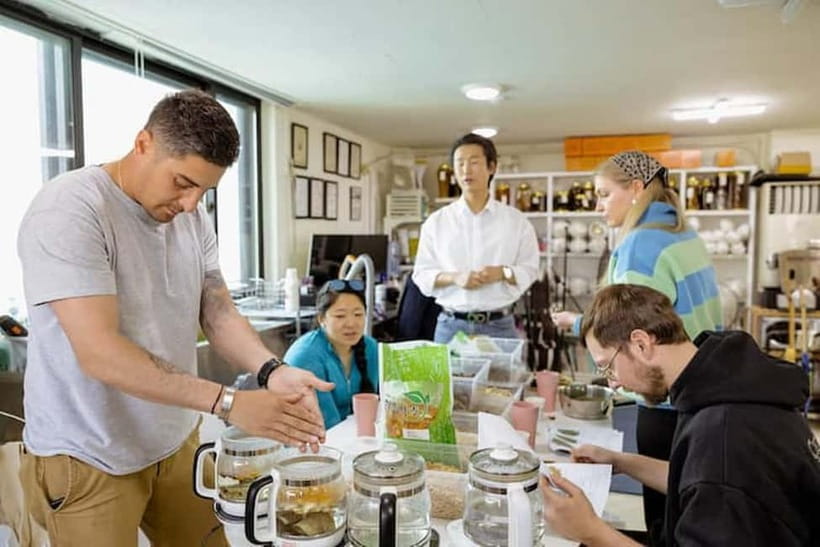
This is not one of those tours where you spend the afternoon walking and taking notes. The day starts at 2:00 p.m. in Sungil Choi’s workshop (meeting point: Room 401—you’ll get detailed directions if you’re not familiar with the address). You arrive, you settle in, and then you get your hands on the herbs.
The tone is practical and personal. The tour is flexible, so if you’re new, you’ll still be able to follow what’s happening. If you already study Traditional Korean Medicine (TKM) or have a medical background, you’ll likely appreciate the way the session can be adjusted for your questions.
And yes, there’s a nice payoff at the end: you get to take home your tea in a bottle. That turns the experience from something you forget in a day into something you can actually revisit back in your room.
You can also read our reviews of more tours and experiences in Seoul
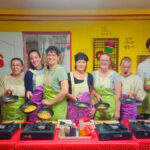

Your Around-40-Herb “Touch Table” in TKM
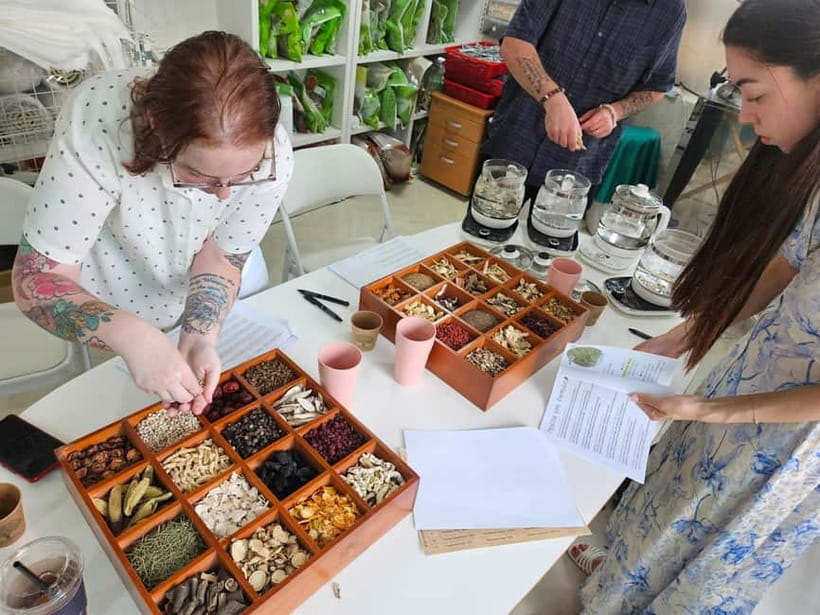
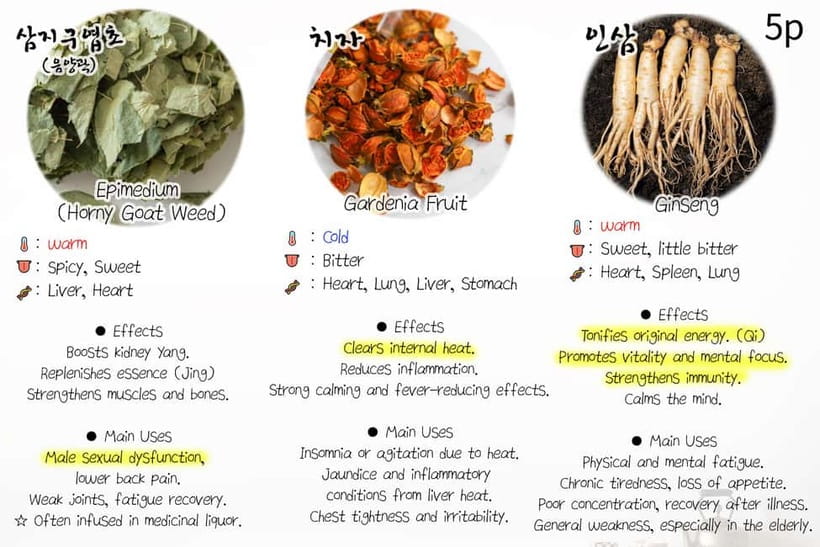
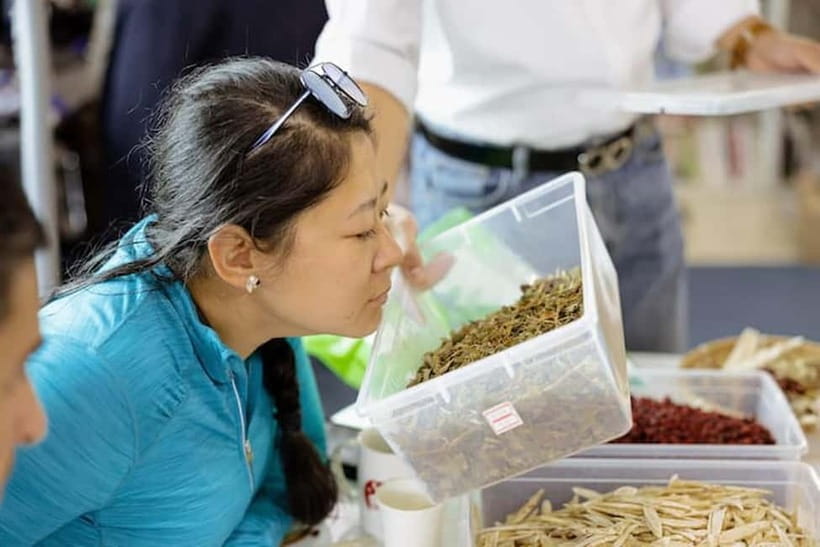
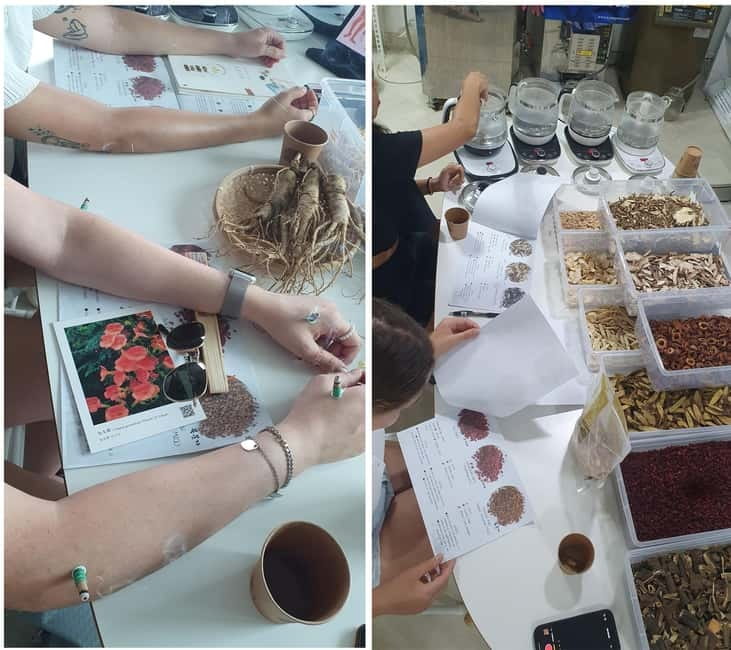
After the welcome drink (a herb medicine tea), the real work begins. You’ll see, touch, and experience around 40 commonly used medicinal herbs in TKM. This part matters more than it sounds, because you’re not learning herbs as abstract names. You’re learning them as physical ingredients with different roles.
Sungil Choi is an herbal specialist who has been working with medicinal herbs since 2017, and he frames the lesson around what most people can realistically cover in a single session. That’s important. The world of herbs is huge, and trying to teach everything in one day would turn into confusion. Instead, you focus on the most commonly used herbs and you build understanding from there.
Blending Session: Choosing Herbs for Your Own Tea
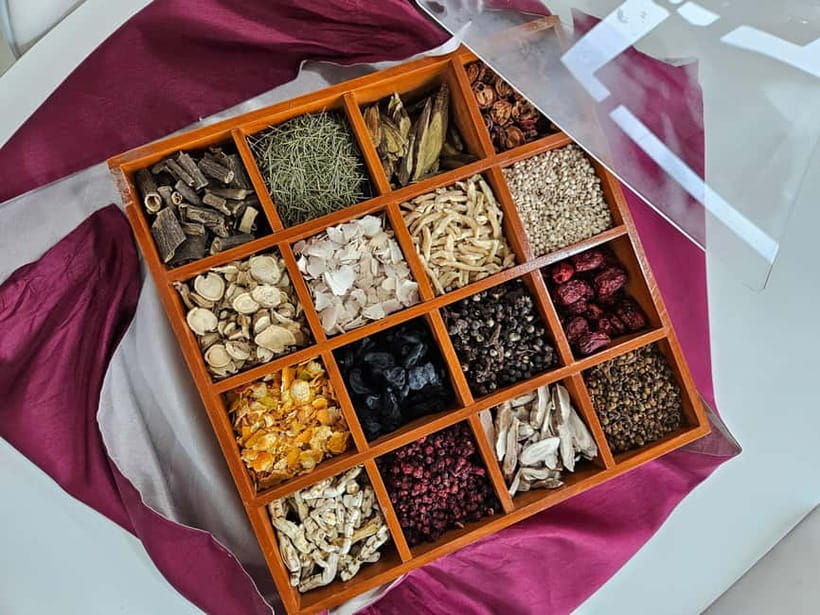
Here’s what you’ll remember: picking ingredients that suit you and then blending them into your own personalized tea.
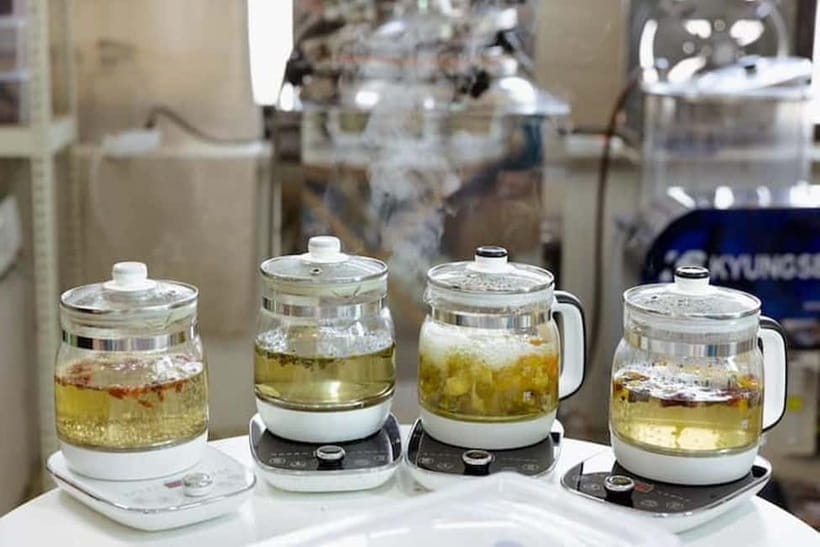
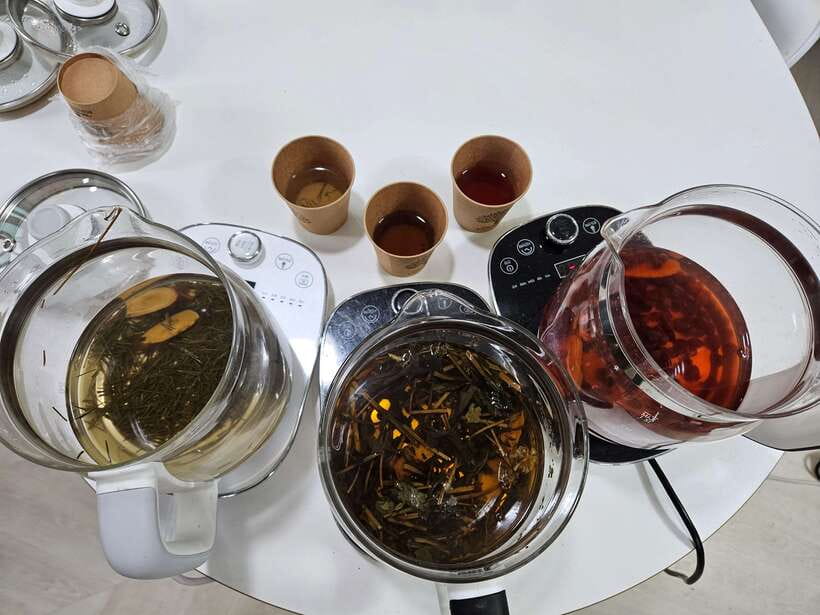
You’ll use the herbs and the teapot provided for the tea-making. Then you get explanations while you choose, so you’re not just copying a recipe. The point is that the selection process gives you a starting framework—how TKM thinks about what you’re drinking and why.
This is also where the tour’s flexibility shows. The tour is designed for everyone from beginners to medical professionals, and Sungil Choi adapts the session based on what you care about. If you’re health-focused, you’ll likely get more direct guidance on how to think about herb choices. If you’re just curious, you’ll still get a clear, non-judgmental introduction to the logic behind the blends.
Yin-Yang and the Five Elements, Without the Big Headache
The tour doesn’t try to force you into medical treatment claims. Instead, it gives you the fundamentals of Yin-Yang and the Five Elements so you can understand how Eastern medicine approaches balance.
You’ll also get an easy-to-understand explanation of differences between Eastern and Western medicine. That part is useful if you’ve ever wondered why TKM doesn’t talk the same way Western medicine does. Even if you don’t plan to become an herbalist, this comparison helps you make sense of why herbal formulas often aim for balance rather than a single-target fix.
If you’re worried this will be too theoretical: it isn’t. The lecture happens while you’re working with herbs, so the concepts connect to something physical. That’s a big reason this tour rates well with people who like hands-on learning.
K-medi Center and the TKM Museum: Where the Pieces Meet
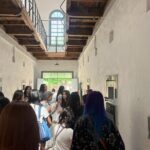
After tea time, you head to the K-medi center and visit the TKM Museum. Museum entry is included, and the tour includes museum commentary by a Traditional Korean Medicine expert. This is the structured “put it together” moment: you move from herbs you touched to exhibits that help explain how TKM developed and how it’s used.
Now, here’s the balanced reality check: one negative experience noted that museum explanation felt lacking and that the group was largely left to read things on their own. Another practical note from a good experience: some museum text may be in Korean, and English can depend on what the guide covers live. If you want the English-heavy experience, ask how much guidance you’ll get during the museum time.
One simple tip: bring your phone translation ready. Even with commentary, you may still see exhibit labels in Korean. A quick scan plus live explanations from the expert is usually enough to keep the visit meaningful.




Optional Korean Medicine Add-Ons (And the Extra Costs)
This part is where you decide how far you want to go. After the museum, you can add optional activities. The tour fee does not include these individual treatment or shopping costs.
Here are the extra charges you should plan for (as listed):
- Outdoor foot bath: 6,000 KRW per tub (fits 2 people)
- Meridian massage: 5,000 KRW per person
- Moxibustion or acupuncture: approximately 50,000 KRW
- Korean medicine clinic treatment: around 50,000 KRW without health insurance (price may vary)
There’s also room to choose what fits you: you might browse and shop for herbs, try outdoor foot baths, or select something massage-related. If you’re curious but unsure, it’s smart to treat the museum as the core experience and see the optional services as add-ons.
A helpful note from the tour details: Sungil Choi can assist with interpreting your symptoms to the doctor and guide you through consultation and treatment process, connecting you with an appropriate specialist if needed. Treatment fees still cost extra, but that support can reduce the awkwardness of making sense of medical talk in a clinic setting.
Price and Value in Seoul: Is $50 Fair?
At about $50 per person, this tour is priced like a half-day activity with more than one deliverable: tea-making, an herb lesson, and museum entry with expert commentary.
What you get that’s hard to DIY:
- The welcome herb medicine tea
- Herbs and teapot for blending
- A basic Traditional Korean Medicine lecture
- A bottle you can take home
- Museum entry ticket
- Museum commentary by a Traditional Korean Medicine expert
What costs extra:
- Foot baths, massage, acupuncture/moxibustion
- Clinic treatments
- Shopping expenses and individual activity costs
So the value is strongest if you want the tea-making and museum content, plus you might add one treatment later. If you only want a quick look at a museum or a light walk, you’d probably feel the cost more.
Also: because there’s some variation reported in how guided parts are handled, your best move is to set expectations early. Confirm you’ll have herb explanations before you move to the museum. That way, you protect the main value of the class.
Who This Tour Fits Best (And Who Might Hesitate)
I’d point you toward this tour if you:
- Want a hands-on Seoul herbal tea class with real blending
- Are curious about Traditional Korean Medicine logic (Yin-Yang, Five Elements)
- Like museum learning when it’s tied back to what you just handled
- Appreciate a guide who can adjust the session for your level (beginner through medical professional)
You might hesitate if:
- You need a very tightly structured museum walkthrough with constant English explanation
- You dislike group pacing where you might occasionally have time to read exhibits yourself
- You’re sensitive to photography/recording etiquette (one negative experience mentioned photo/video capture without asking permission)
The photo/video point is worth your attention. If that matters to you, say something clearly at the start: you’re happy to be in photos only if everyone agrees, and you’d prefer the guide asks first. Simple ground rules prevent later frustration.
Practical Tips to Make This a Smooth, Worth-It Afternoon
Here are the small moves that pay off fast:
- Bring phone translation even if the tour is in English. Museum text may be in Korean, and not every explanation will be word-for-word translated.
- Ask about museum commentary in English before you enter. You want to know how much is spoken versus self-reading.
- Pick your add-on strategy ahead of time. If you’re budget-focused, decide whether you want foot bath or massage. Don’t do everything.
- Use the tea-bottle souvenir smartly. Take note of the herbs you chose before you finish blending, so you can remember what you’re drinking later.
- Be direct about photos if it concerns you. The tour concept is about learning and healing; your comfort comes first.
Timing is also straightforward: it starts at 2:00 p.m. and ends back at the meeting point. It’s easy to stitch into an afternoon plan around central Seoul.
Should You Book This Seoul Herbal Tea Class & Korean Medicine Tour?
If you want a hands-on experience that teaches you how Korean herbal thinking works through actual blending, this tour is a strong pick. The best parts are the personalized tea-making, the around-40 herbs you can touch, and the fact that the learning is adapted to your level rather than one-size-fits-all.
I’d book it if you’re the type who likes bringing something home that connects to learning. The included tea bottle is a real plus.
I’d pause only if you specifically need a highly scripted English museum tour with minimal independent reading. In that case, message ahead or ask at the start how the museum portion will be explained.
FAQ
FAQ
What time does the tour start in Seoul?
The tour starts at 2:00 p.m. in the workshop.
Where do I meet the guide?
The meeting point is Room 401. If you’re not familiar with the address, the guide will send detailed directions on the day of the tour.
What’s included in the $50 tour fee?
Included items are the welcome drink (herb medicine tea), herbs and teapot for blending traditional Korean herbal tea, a basic lecture on Traditional Korean Medicine, a bottle you can take tea home in, museum entry, and museum commentary by a Traditional Korean Medicine expert.
What’s not included after the museum?
Optional activities after the museum are not included, such as outdoor foot baths, meridian massage, moxibustion or acupuncture, and Korean medicine clinic treatments. Shopping expenses and activity costs are also not included.
Is the tour offered in English?
Yes, the tour language is English.
Can I reserve now and pay later, and how does cancellation work?
You can reserve and pay later. You can cancel up to 24 hours in advance for a full refund.