REVIEW · DMZ TOURS
Seoul: DMZ, Gyeongbokgung Palace & City Tour
Book on GetYourGuide →Operated by Cosmojin Tour Consulting · Bookable on GetYourGuide
One morning, history gets real. If you want Korea’s story in one long day, this DMZ + Gyeongbok Palace combo is one of the most direct ways to understand how the peninsula still shapes daily life. I especially like how the DMZ component goes beyond photos and instead focuses on the places where you can actually see, stand, and learn about the conflict line.
I also like the human side of the day: the tour runs with professional security specialists and a military tourist guide style of interpretation, so the explanations land in plain language. On past departures, guides such as Molly and Ron Han (Han Solo) earned praise for smart pacing, respectful tone, and even helping with photos during key moments.
The main thing to consider is practical: you’ll be on your feet and on an authorized schedule, so wear sneakers and plan for a long day starting at 7:30AM with a passport you can show on demand.
In This Review
- Key Points I Think You’ll Care About
- What This 10-Hour DMZ and Palace Tour Really Shows
- Meeting Point and How the Day Flows From Seoul
- DMZ Stops That Make Division Feel Physical
- Third Tunnel Experience: Built to invade, not to impress
- Observatory View: What you can see matters
- War History Pavilion: The conflict explained in pieces
- Imjingak: A place for waiting, memory, and unfinished journeys
- The built-in “explain it to me” layer
- Gyeongbokgung Palace: Royal Court as a Running Institution
- If Gyeongbokgung is closed
- Guide Style: Military Specialists and Real Storytelling
- Comfort, Footwear, and the Walking Reality
- Price and Value: Is $110 a Good Deal?
- When the DMZ Day Gets Updated: Tuesdays and Sudden Events
- Who This Tour Suits Best (And Who Might Skip It)
- Should You Book This Seoul DMZ + Palace Day?
- FAQ
- What time and where do I meet for this tour?
- Is a passport required?
- What should I wear?
- Is lunch included?
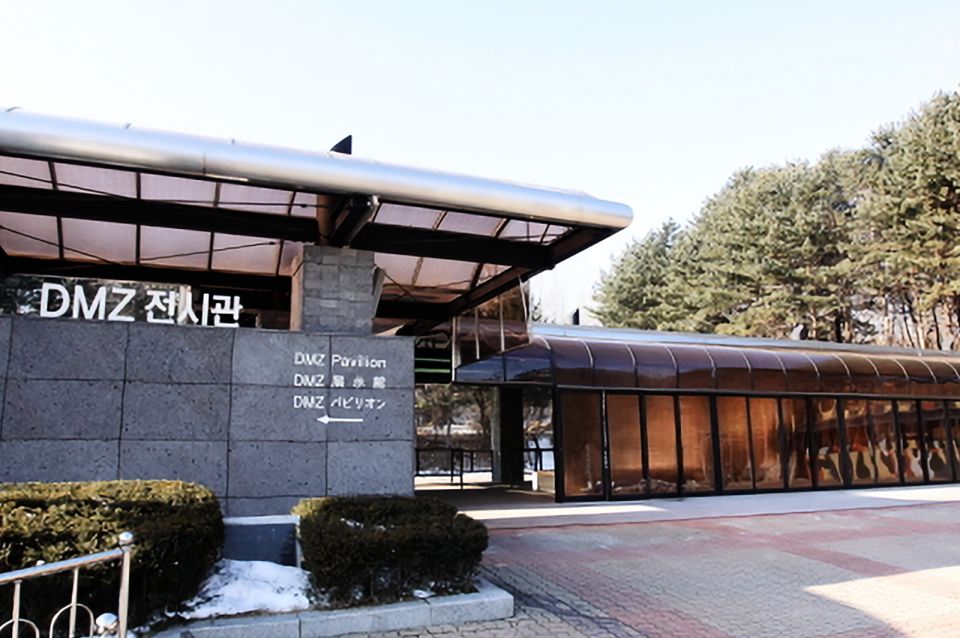
- What DMZ sights are included?
- What happens if there is an unannounced military training or official event in the DMZ?
- Will I visit Gyeongbok Palace every day?
- Is the tour wheelchair accessible or suitable for unaccompanied minors?
Key Points I Think You’ll Care About
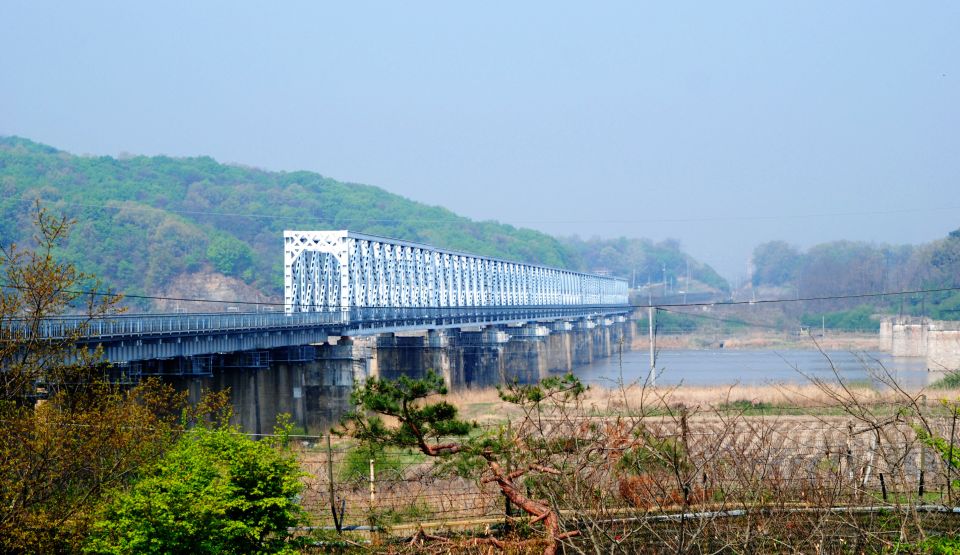
- DMZ stops you can’t fake: Third Tunnel Experience, an observatory view of North Korea, War History Pavilion, and Imjingak.
- A serious guide team: military tourist guide approach plus professional security specialists.
- One-day pairing that makes sense: the DMZ’s wartime context followed by Gyeongbokgung Palace (or a replacement on Tuesdays).
- Coach transport built for the day: you’re not constantly figuring out logistics between sites.
- Photo support, not just facts: guides in past departures have been noted for taking and helping with photos.
- Bring the right document: a current valid passport is required.
What This 10-Hour DMZ and Palace Tour Really Shows
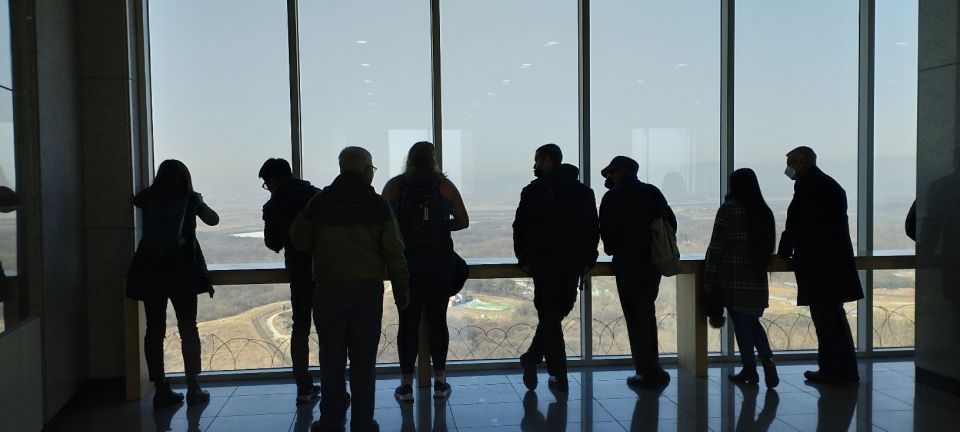
This is not a casual sightseeing loop. It’s a carefully structured day built around two very different “Korea” experiences: the hard edge of modern history at the DMZ, then the long arc of Korea’s royal past at Gyeongbok Palace.
At the DMZ, the point isn’t to feel scared or shocked. It’s to understand what division means in real geography. South Korea is open, fast-moving, and internationally connected; North Korea is famously closed off. The DMZ is the rare place where that contrast becomes visible in the same day you’re learning how the situation formed.
Then you pivot to Gyeongbokgung Palace, where you get a different kind of clarity. You’re seeing how the palace worked as a functioning institution. The experience explanation focuses on how it was run with employees and advisers—more like a system with roles and responsibilities than a royal set piece where everyone just sits around looking important.
You can also read our reviews of more city tours in Seoul

Meeting Point and How the Day Flows From Seoul
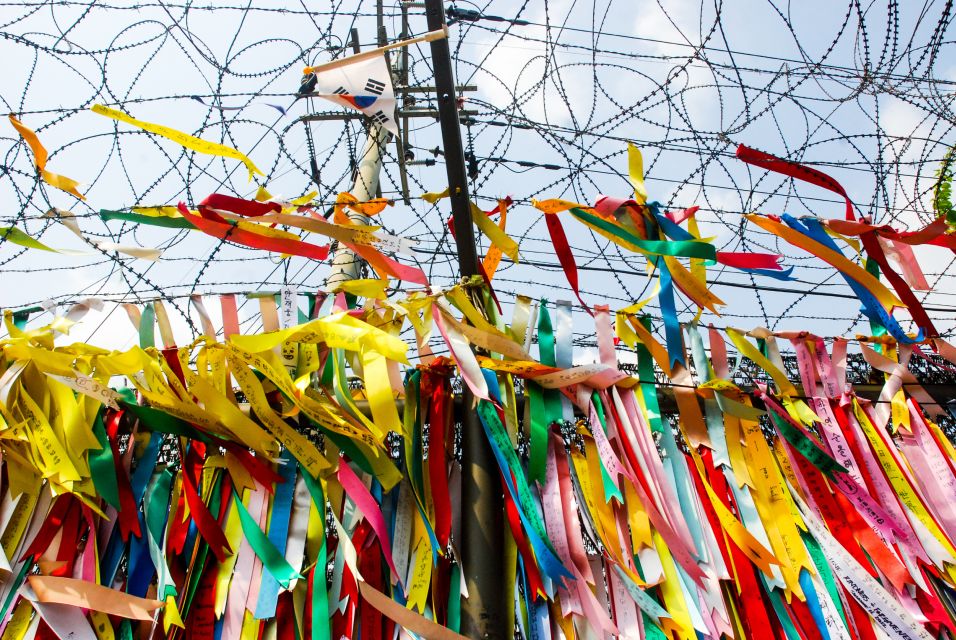
Plan for an early start. You meet at Exit 7 of City Hall Station at 7:30AM. The tour is designed as a single-day circuit with hotel pick-up optional and hotel drop-off included, which matters because the DMZ is not the kind of destination you want to self-navigate on a tight schedule.
This is also a tour where timing rules matter. You’re traveling on an authorized bus, and you have to follow time/photo regulations. Translation: be ready to move when the group moves, and don’t count on hanging back for extra minutes here and there.
Duration is 10 hours, so think of it like a full-day commitment: you’ll likely have the energy of a morning person at first, then you’ll want your feet to cooperate by the afternoon.
DMZ Stops That Make Division Feel Physical
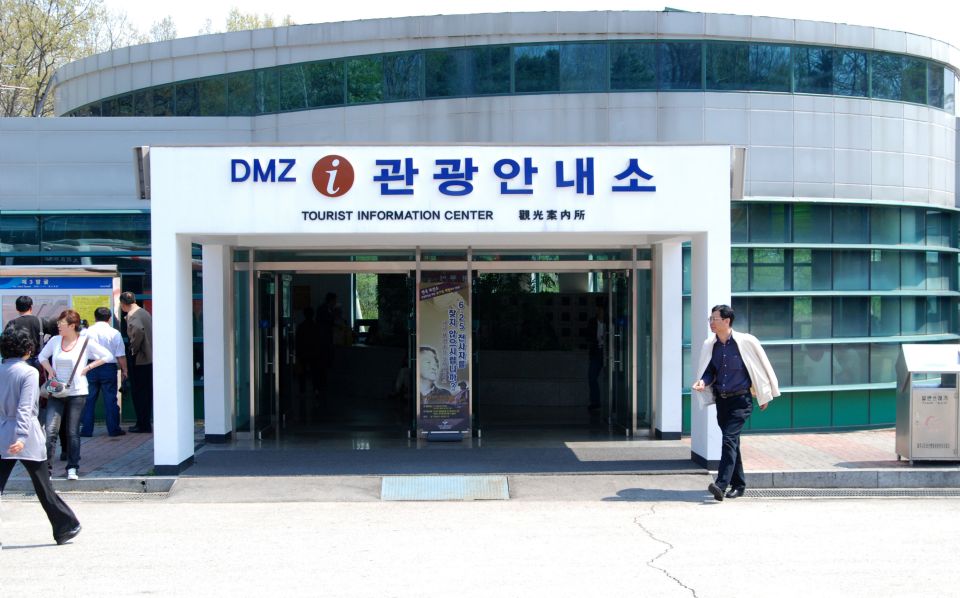
The DMZ portion is the core of the day, and it’s built from several specific sights. Each one gives you a different angle, so the experience doesn’t flatten into one long “watch and wait.”
Third Tunnel Experience: Built to invade, not to impress
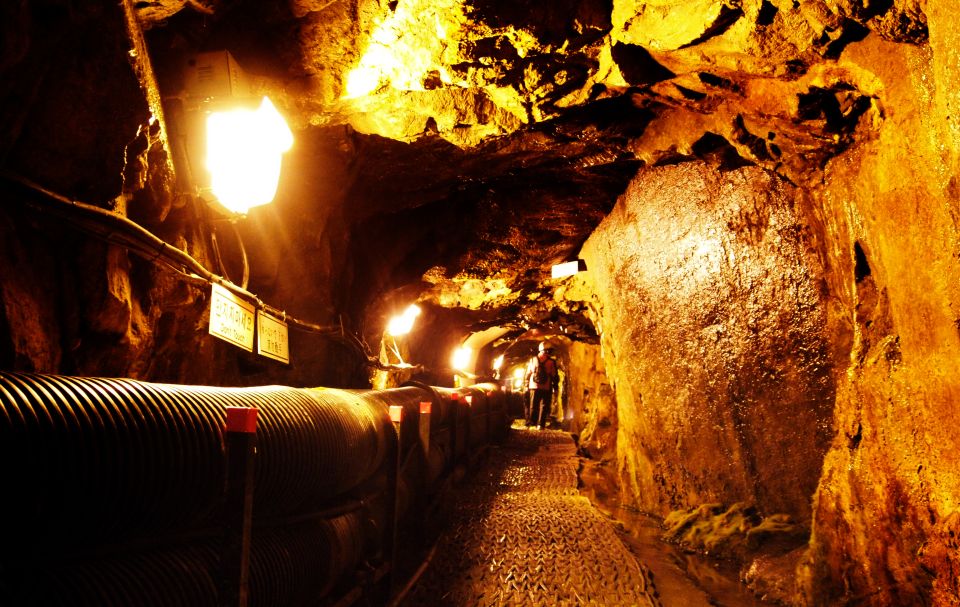
One standout stop is the Third Tunnel Experience, a passage designed with the goal of invading South Korea using tank-capable approaches. Even without turning this into a scary movie, it helps you understand something important: the Cold War mindset wasn’t abstract. It was engineering, planning, and preparation.
What I like about this stop for you is that it gives concrete context to the conflict. You come away thinking in terms of logistics and strategy, not just slogans.
Observatory View: What you can see matters
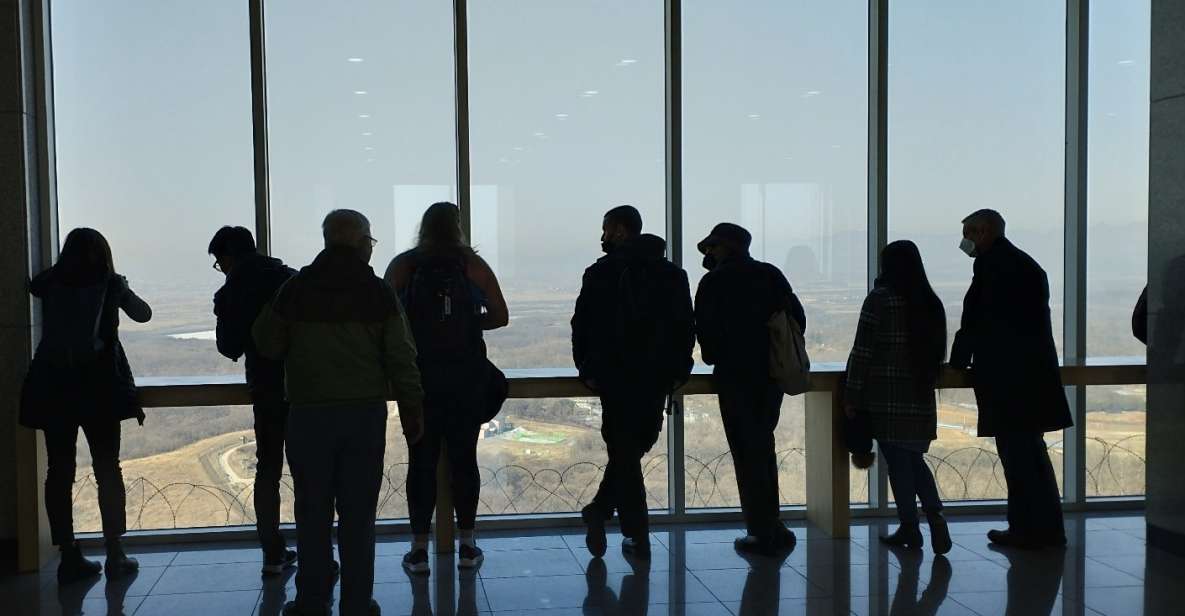
Next comes the observatory where you can view North Korean residents. This is one of those rare moments when the idea of “the other side” turns from politics into actual people in actual distance.
A helpful reality check: what you see will depend on conditions and permitted viewing. Still, the observatory component is the reason the DMZ day tour feels different from any museum lecture.




War History Pavilion: The conflict explained in pieces
The War History Pavilion adds structure. Instead of only dramatic stories, you get the bigger framework for what happened and why. This matters because without context, the tunnel and the observatory can feel like disconnected scenes.
Imjingak: A place for waiting, memory, and unfinished journeys
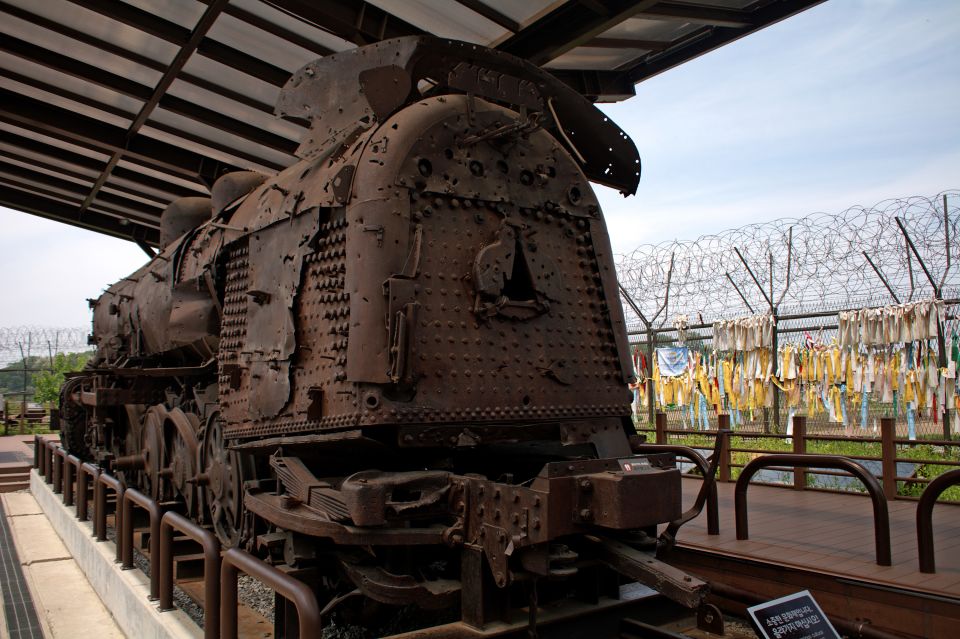
You also visit Imjingak, a site tied to the emotions and history of separation. It’s not presented as fantasy hope; it’s more about the lived reality of division and what people try to do with it.
For many people, Imjingak is where the day becomes more human. You start thinking about families and choices, not just military sites.
The built-in “explain it to me” layer
The tour also includes an entry to a venue that helps explain the history of war. In practice, this kind of exhibition time is what turns the DMZ from a list of stops into a story you can carry home.
If your travel style is history-with-meaning rather than history-without-context, this is a big plus.
Gyeongbokgung Palace: Royal Court as a Running Institution
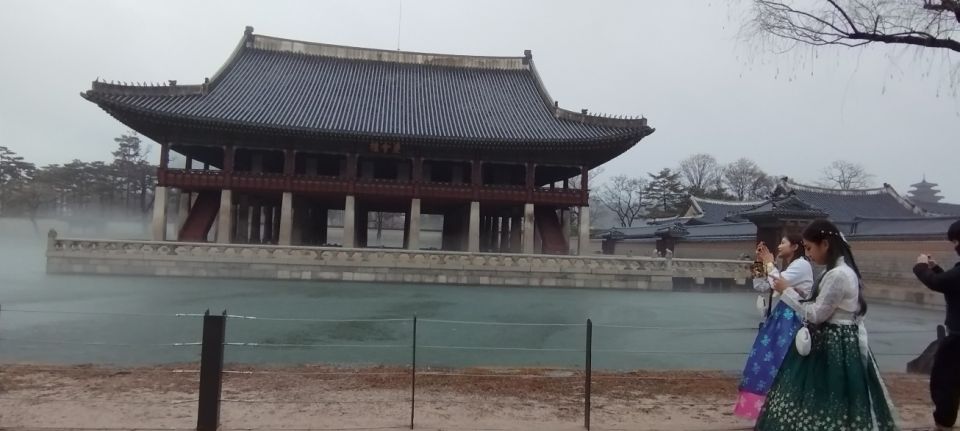
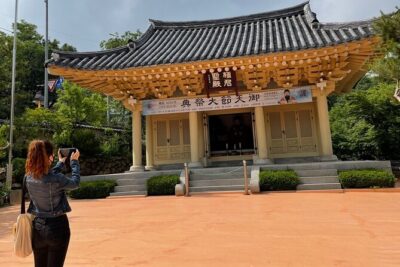
After the DMZ’s heavy mood, Gyeongbokgung Palace shifts the tone back toward Korea’s deeper timeline. You visit the palace where the king, his family, and around 2,000 others lived as the nation was ruled.
What makes this palace stop feel practical is the way it’s framed: the palace is explained as a place with employees, advisers, and a daily functioning organization. You’re not just walking through a museum of royal vibes; you’re learning how governance worked inside a palace complex.
One more detail that helps: the tour is designed to keep the day cohesive. The “before” and “after” relationship is meaningful. You start with a period where conflict shaped the peninsula’s trajectory, then you move into a palace that represents how Korea organized authority long before modern borders hardened.
If Gyeongbokgung is closed
On Tuesdays, Gyeongbok Palace is replaced by Deoksu Palace. So if you’re planning your schedule around a specific palace building, check the day you’ll be traveling. The tour handles the change, but your personal preference might not.
Guide Style: Military Specialists and Real Storytelling
This tour’s biggest advantage is not just the destination. It’s how you’re guided through it. The tour uses professional security specialists and a military tourist guide approach, which tends to bring two things you want on the DMZ: clarity and responsibility.
I like that the tone is described as respectful, and that the guide role is to connect north-south relations to what you’re seeing in front of you. When guides are strong, the DMZ doesn’t feel like a strict field trip. It feels like structured learning with room for questions.
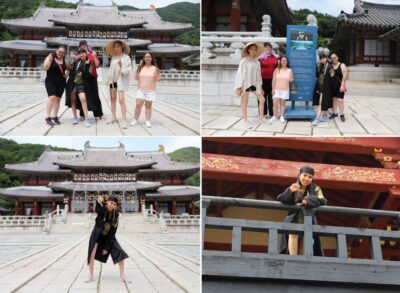
In past departures, guides such as Molly, Ron Han (Han Solo), SP, and Han have been singled out for clear explanations, high professionalism, and photo help. You can use that as a practical cue for your own expectations: bring questions, and expect the guide to work with you, not just read from a script.
Comfort, Footwear, and the Walking Reality
This is a tour where clothing matters. You can’t wear sandals or slippers. Stick to sneakers. It’s not a fashion rule; it’s a safety and comfort rule because you’ll be moving through multiple sites and following the tour’s pace.
Another practical note: the tour is not wheelchair accessible, so if mobility is a concern, you’ll want to rethink fit rather than hope it will be flexible.
Also, bring your passport. A current valid passport is required on the day of travel, and you’ll want it easy to reach, not buried deep in a tote bag.
Price and Value: Is $110 a Good Deal?

At $110 per person for a 10-hour day, the value comes from what’s included. You’re getting hotel pick-up and drop-off, transportation, a professional guide in English (and Korean is also listed), and entry into the DMZ.
If you tried to build this day yourself, you’d likely spend time and money coordinating permits, timing, and transport. Here, the structure is the product. You’re paying for an organized pathway into a tightly managed area, plus interpretation from a guide trained to explain the situation carefully.
Lunch is listed as not included, but one prior departure report did mention receiving a traditional lunch. Since that detail isn’t consistent in the provided information, I’d treat lunch as not guaranteed. Pack a plan: either buy something simple before/after, or bring a small snack for the wait between stops.
When the DMZ Day Gets Updated: Tuesdays and Sudden Events
The DMZ is governed by real-world rules, and sometimes schedules shift. The tour notes two common reasons:
- If there’s an unannounced military training or official event in the DMZ, the DMZ portion is replaced with a tour covering Tomorrow’s Whistle-Bunker, Beat 131-Odusan Unification Tower, and The War Memorial of Korea.
- If it’s Tuesday, Gyeongbok Palace is replaced by Deoksu Palace.
This matters because it changes the feel of your day. The “best case” remains a full DMZ lineup plus Gyeongbokgung. The “backup case” still offers history-focused sites, but you should go in knowing your exact sight list can flex.
Who This Tour Suits Best (And Who Might Skip It)
You’ll likely love this tour if you want:
- a single-day Seoul itinerary that tackles both modern division and older governance in one shot
- a guided experience with serious interpretation, not just casual stops
- a day that’s easy to logistically manage thanks to transport and hotel services
You might skip it if:
- you hate early starts and long walking days
- you don’t do well with tight schedules and rules about authorized bus timing/photo guidance
- you need wheelchair access (the tour is not suitable for that)
Should You Book This Seoul DMZ + Palace Day?
I’d book this if you’re serious about understanding Korea beyond headlines. The DMZ stops are specific—Third Tunnel Experience, observatory viewing, War History Pavilion, and Imjingak—and the guide approach matters here. I also like that the day doesn’t end at the DMZ; it continues into Gyeongbokgung Palace with an explanation of how the palace was managed as an institution.
If you’re the kind of traveler who enjoys meaning, not just stamps on a checklist, this is a strong fit. Just come prepared with sneakers and a passport, and expect a long but structured day that turns geography into understanding.
FAQ
What time and where do I meet for this tour?
You meet at 7:30AM at Exit 7 of City Hall Station.
Is a passport required?
Yes. A current valid passport is required on the day of travel.
What should I wear?
The tour requires you to wear sneakers. Sandals or slippers are not allowed.
Is lunch included?
Lunch is listed as not included, though a provided departure note mentions a traditional lunch on one occasion. Plan for lunch on your own.
What DMZ sights are included?
The tour includes Third Tunnel Experience, an observatory to view North Korean residents, the War History Pavilion, and Imjingak, along with a history-of-war explanation venue.
What happens if there is an unannounced military training or official event in the DMZ?
The DMZ tour portion will be replaced with a tour of Tomorrow’s Whistle-Bunker Beat 131-Odusan Unification Tower and The War memorial of Korea.
Will I visit Gyeongbok Palace every day?
No. Gyeongbok Palace is replaced by Deoksu Palace when it is closed on Tuesdays.
Is the tour wheelchair accessible or suitable for unaccompanied minors?
The tour is not wheelchair accessible. Unaccompanied minors are not allowed, and children must be accompanied by an adult.