REVIEW · PAJU SI
From Seoul: DMZ Tour and North Korea Experience Hall
Book on GetYourGuide →Operated by Sunny Seoul Korea Tour · Bookable on GetYourGuide
DMZ curiosity gets real fast. This is a single long day that pairs the North Korea Experience Hall with the big-name DMZ viewpoints like Freedom Bridge, all explained by an English-speaking guide. You’re not just looking at borders here; you’re getting context for why each place is so emotionally charged.
Two things I really liked: the realistic North Korea daily-life replicas (home, classroom, and everyday household objects) make the North feel specific instead of abstract. And the experience includes a live Q&A with a North Korean defector, plus a commemorative photo opportunity, which turns the whole day from sightseeing into a genuine conversation.
One heads-up: it’s an 8–9 hour day with a lot of outdoor time in the DMZ area, and if weather is poor, visibility toward North Korea can be worse. Dress for cool air and changing conditions so you can still enjoy the viewpoints even when clouds roll in.
In This Review
- Key highlights you’ll care about
- A two-part day: Hall first, then the DMZ landmarks
- North Korea Experience Hall: replica rooms, documentary screens, and the defector Q&A
- Imjingak: the DMZ feels personal, not theoretical
- Mangbaedan, Freedom Bridge, and the viewpoint logic of the DMZ
- Third Tunnel of Aggression: why this site hits hard
- Dora Observatory: the classic viewpoint, explained so you can actually see
- Gamaksan Suspension Bridge and Aegibong Peace Eco Park: breaking up a heavy day
- Gyeongbokgung on the same ticket: yes, it’s a lot
- Price and logistics: what $40 really buys you
- Who this tour is for (and who should skip it)
- Tips to make your day smoother (and more enjoyable)
- Should you book this DMZ and North Korea Experience Hall tour?
- FAQ
- How long is the DMZ Tour and North Korea Experience Hall from Seoul?
- How much does the tour cost?
- What’s included in the tour?
- Do I need a passport for this tour?
- Where can I be picked up in Seoul?
- Are meals included?
- Is the tour suitable for children or older adults?
- Can I take a photo with the North Korean defector?
Key highlights you’ll care about
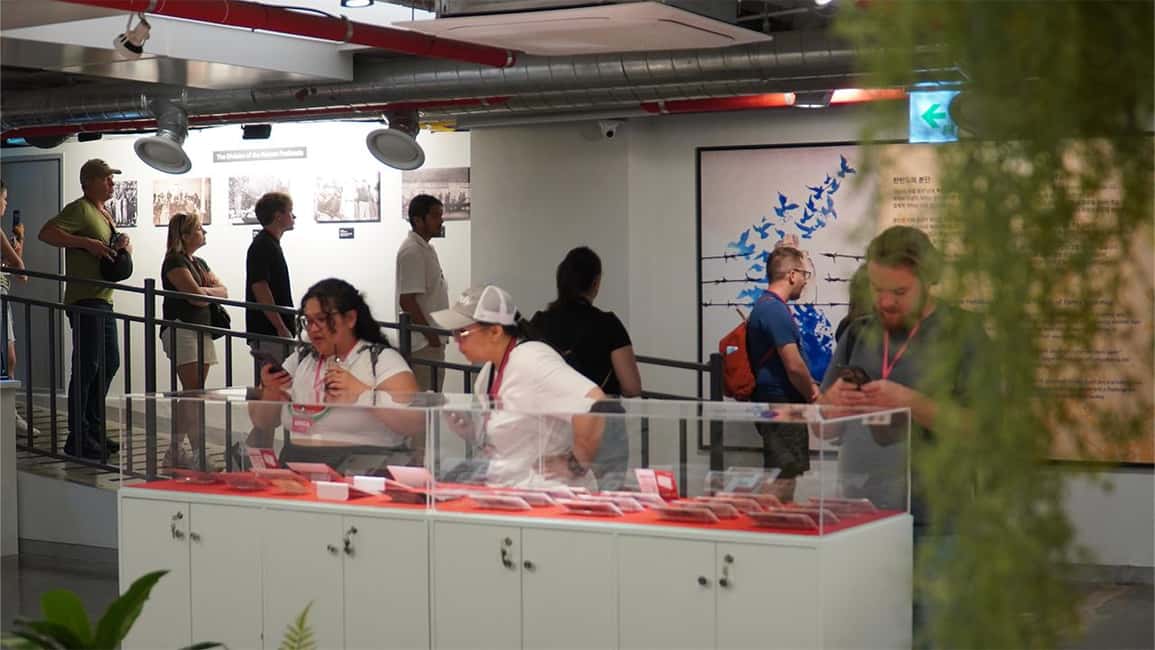
- North Korea Experience Hall: realistic home-and-school replica photo zones plus documentary screenings
- Live defector Q&A: direct answers in an on-site session, not a prerecorded lecture
- Full-context DMZ route: Imjingak, Freedom Bridge, Dora Observatory, and more explained in sequence
- Smart timing for a long day: van transport + an English guide to keep the day smooth
- Photo memory built in: a special photo moment with the defector to anchor what you learn
A two-part day: Hall first, then the DMZ landmarks

What makes this tour work is the structure. You start inside with the North Korea Experience Hall, where you get context for how ordinary life might be described there. Then you step outside into the DMZ landmarks, where the earlier background helps everything click.
I like tours that connect the dots like this, because the DMZ can otherwise feel like a checklist. Here, the guide’s commentary is tied to the sights, so you’re not just seeing “a bridge” or “a tunnel,” you’re understanding why that specific location became a point of tension.
The day begins with van transport from central Seoul, and the group rides together to the Gyeonggi Province area. Your pickup is offered at Myeongdong Station Exit 10, City Hall Station, or Hongik Univ. Station Exit 3, so you can choose the closest starting point.
One more practical point: the tour is capped at 30 participants per session, and if the session is full the group may be split. That usually keeps logistics manageable, but it’s still worth arriving a little early so you find your group fast.
North Korea Experience Hall: replica rooms, documentary screens, and the defector Q&A
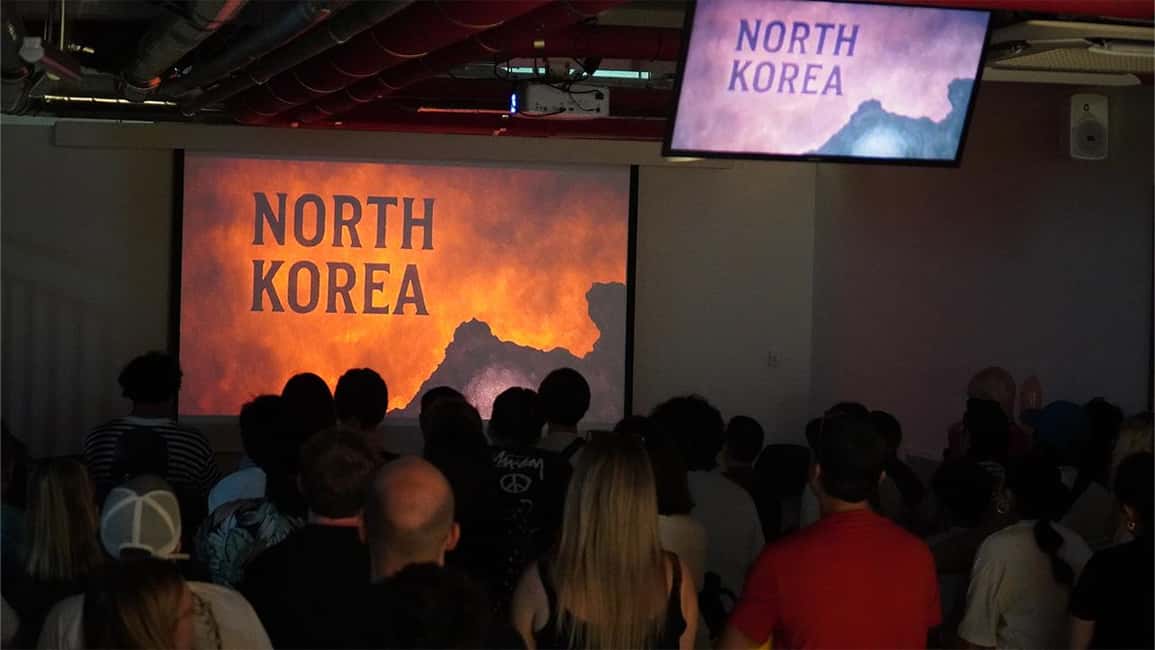
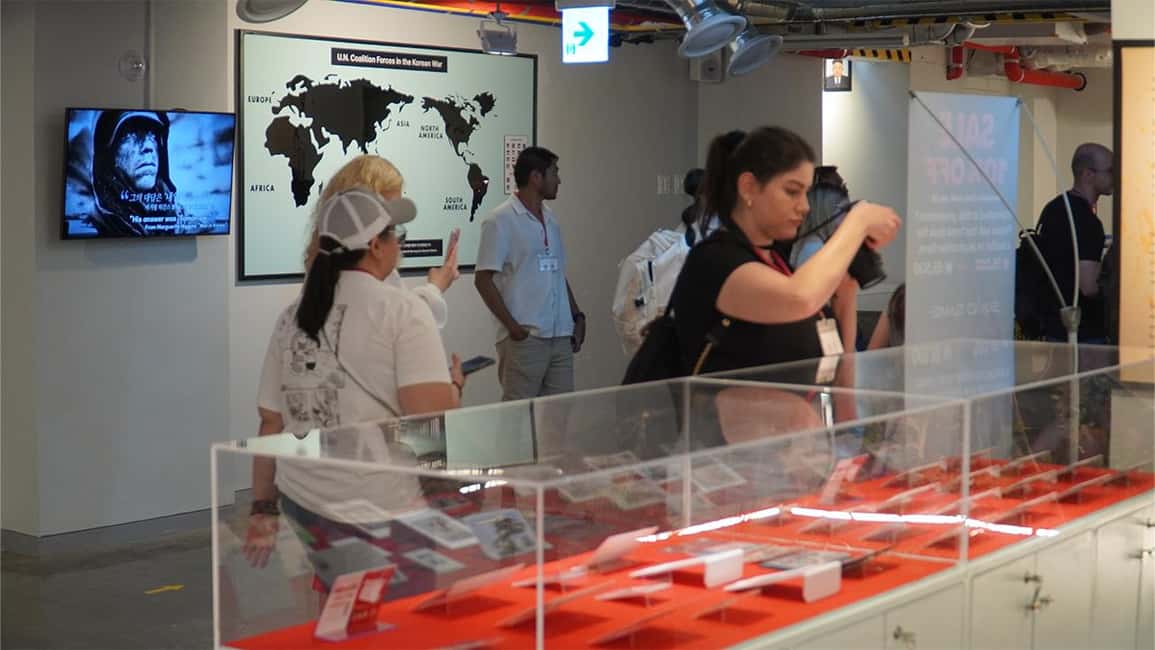
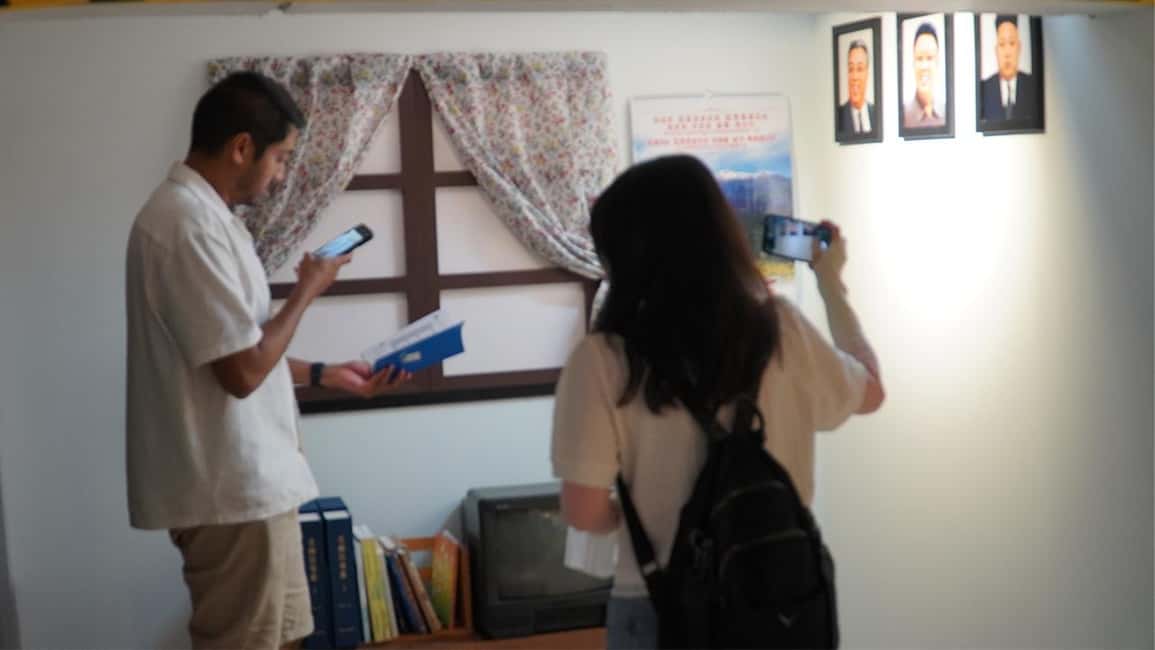
If you’re curious about the human side of the Korean divide, this part is the main event. The North Korea Experience Hall goes beyond generic panels by using photo zones and realistic replicas. You’ll see setups that mimic a North Korean home, a classroom, and everyday household items—the kind of details that make the topic feel concrete.
Then there are documentary screenings designed to show realities of life in North Korea. The value here isn’t just information. It’s perspective. You’re meant to leave the Hall with better context before you reach the DMZ stops.
The centerpiece is the live Q&A session with a North Korean defector. You get firsthand answers in real time, which means you can hear how individuals explain their own experiences instead of relying only on background narratives. This is also why the tour doesn’t treat the day like a distant history lesson.
And yes, there’s a commemorative photo opportunity with the defector. It’s a quick moment, but it gives you a visual memory that helps the day stick after you’re back in Seoul.
Imjingak: the DMZ feels personal, not theoretical
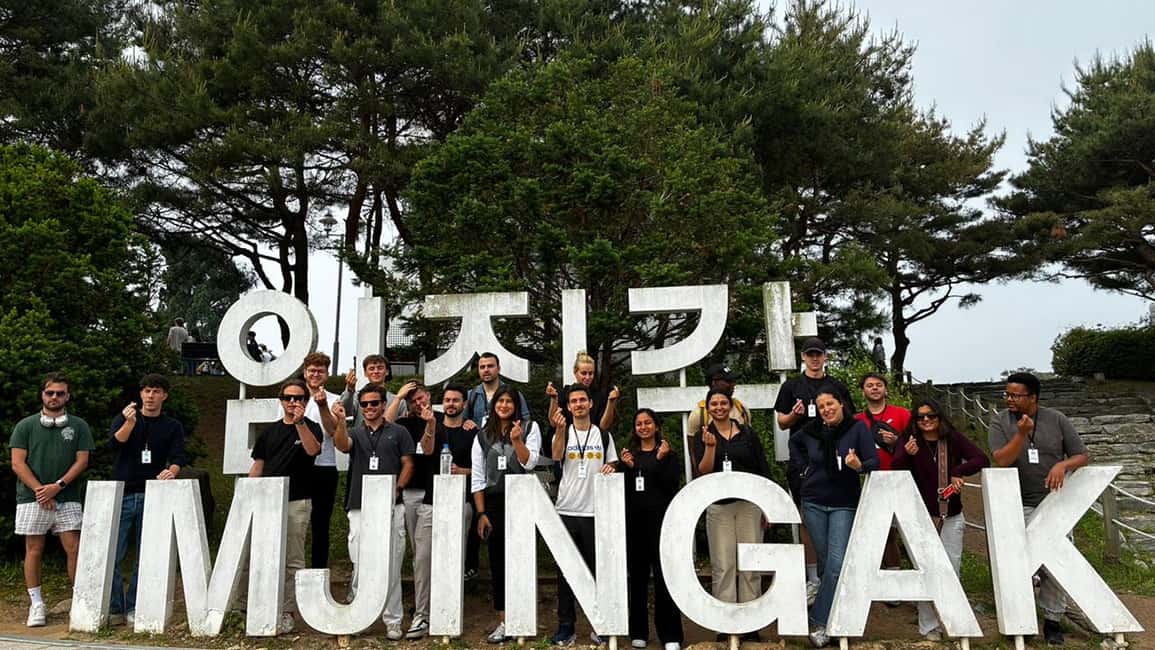
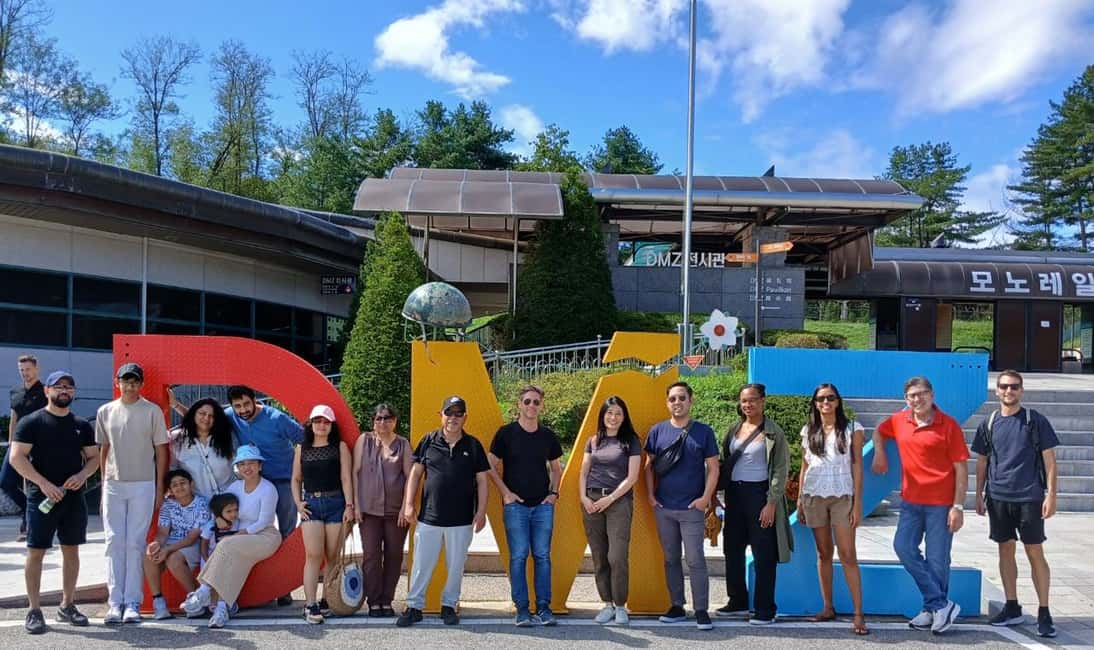
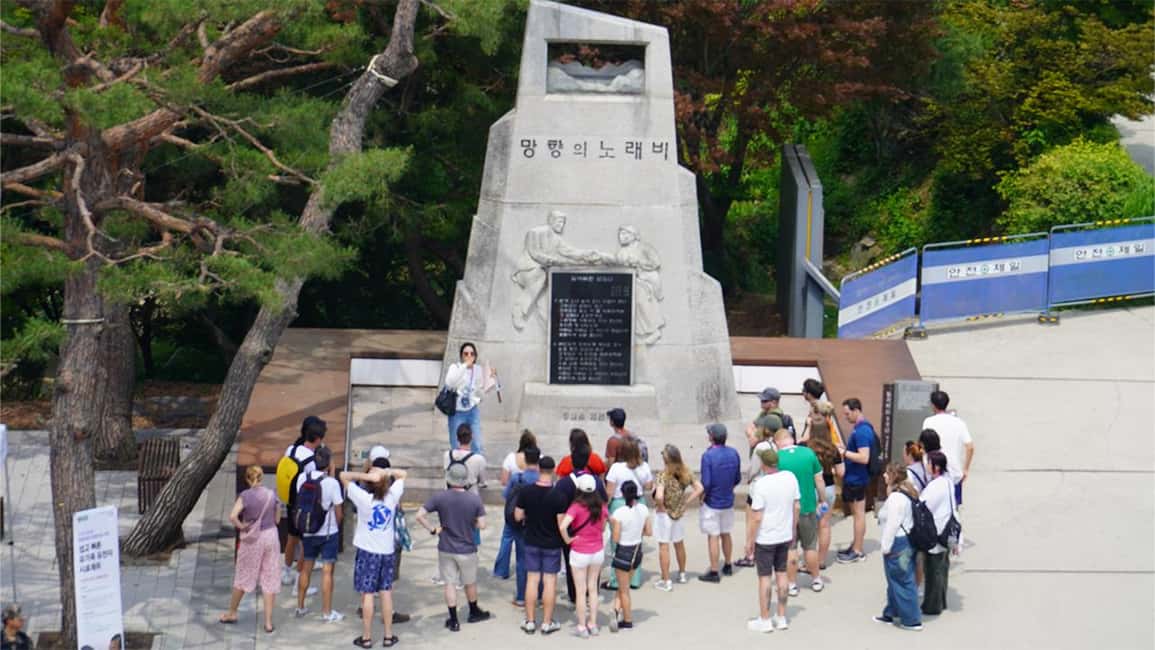
After the Hall, you head into the DMZ zone, and Imjingak is one of the first stops that helps you emotionally orient. You’ll have a photo stop, a guided tour, and a walk (about 1 hour here).
Imjingak matters because it’s tied to the idea of separation and longing across the border. Even if you’ve read the basics, standing in the places built for memorial meaning tends to change the tone. You start noticing how much of the region is shaped by families, loss, and political division.
What I like about the way this tour handles Imjingak: the guide commentary typically frames what you see so you don’t wander through feeling like you’re missing the point. If you’re the type who likes to ask questions, this is a good time because the setting makes those questions feel relevant.
A practical tip: bring a layer you can take on and off. Even when it’s sunny in Seoul, the DMZ area can feel cooler, especially during longer walks.
Mangbaedan, Freedom Bridge, and the viewpoint logic of the DMZ
From Imjingak, the route continues with additional guided stops that set up the big DMZ icons. You’ll also have a photo stop and guided visit at the next portion of the route (the itinerary keeps it structured, with about 1 hour allotted for that learning and photo time), so you can build context before you reach the most famous angles.
Mangbaedan is included with a guided tour. Stops like this work best when you understand that you’re not just traveling between locations—you’re moving between viewpoints chosen for a reason. The guide’s job is to keep those reasons clear.
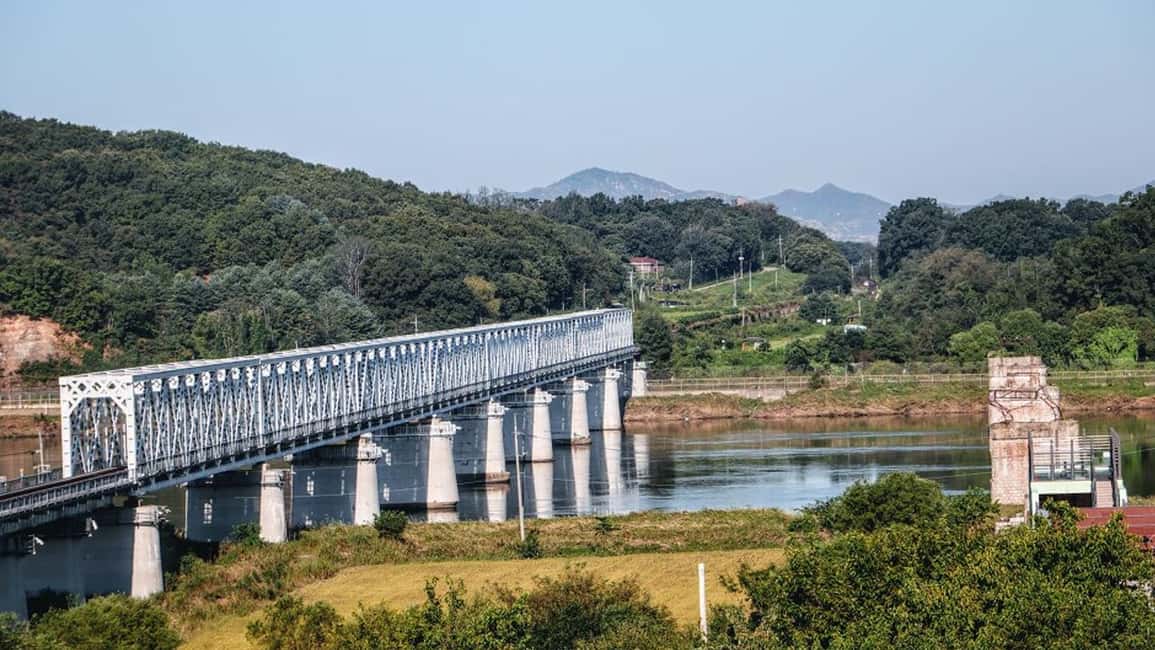
Then comes Freedom Bridge, which gets a guided tour. This is the kind of place where the visuals are only half the story. The other half is what the bridge represents, and how border policy has shaped movement and hope on both sides.
I appreciate how the tour groups these sites in a way that builds a mental map. When Freedom Bridge arrives, it doesn’t feel like a random landmark. It feels like a conclusion to the earlier context.
Third Tunnel of Aggression: why this site hits hard
The Third Tunnel of Aggression is a guided stop (about 1 hour allotted). Tunnels are one of those subjects where the details can easily turn dry—unless the guide keeps it tied to the human and strategic reality.
This stop tends to be compelling because it’s physical evidence tied to the broader Korean conflict. Standing near a site like this is a reminder that geopolitical tension wasn’t only about speeches and borders. It involved engineering, planning, and risk.
In my view, the best part of having a guide here is not guessing what to look for. You’ll get directions on what the tunnel concept means and why it matters in the DMZ narrative. That’s especially important if you only know the headline-level version of the story.
Dora Observatory: the classic viewpoint, explained so you can actually see
Dora Observatory is another guided stop (about 1 hour). Like most DMZ viewpoints, the experience depends on line-of-sight conditions. That’s where weather becomes a real factor.
I’d plan on the fact that visibility can change. If the day is rainy or hazy, the view toward North Korea can be limited, and you’ll have to rely more on the guide’s explanation and the setting itself.
Still, Dora Observatory is iconic for a reason, and the tour’s value is that you’re there with context. Instead of staring at distance hoping something makes sense, you’ll be anchored in what you’re looking for and why this particular observatory became important.
If you love structured explanation, this is one of the best segments of the day.
Gamaksan Suspension Bridge and Aegibong Peace Eco Park: breaking up a heavy day
After the intense DMZ sites, the tour keeps moving with scenery and more peaceful pacing.
There’s a stop at Gamaksan Suspension Bridge with a photo stop, visit, and guided tour (about 1 hour). This is a change of rhythm. You get a chance to stretch your legs, grab photos, and reset mentally after the political weight of the DMZ.
Then you head to Aegibong Peace Eco Park with a guided tour for about 2 hours. This part helps balance the day. You’re still in the broader “peace” theme of the region, but the tone feels less like military history and more like a space for reflection and learning.
If you’re traveling with someone who gets overwhelmed by constant conflict stories, this pacing helps.
Gyeongbokgung on the same ticket: yes, it’s a lot
Here’s a twist: the tour ends with a guided visit at Gyeongbokgung (about 2 hours), followed by van time back toward Seoul.
This is a big combo. You go from border tension to palace history in one long day, which can be exhausting if you’re not used to full-day tours. But if you love Korean culture broadly—not only the DMZ topic—it can be a good value add.
Also, Gyeongbokgung is a strong close to the day because it grounds you back in Seoul life and heritage. You’re not just returning from a difficult subject. You’re returning to something lively and historic.
Price and logistics: what $40 really buys you
At $40 per person for an 8–9 hour day, the value depends on what you’re aiming for.
You’re paying for:
- transport by van from central pickup points
- an English-speaking guide for the whole route
- skip-the-ticket-line time for the included parts
- the North Korea Experience Hall with replica photo zones and documentary screenings
- a live defector Q&A and a photo opportunity
- guided tours at major DMZ landmarks plus time at Gyeongbokgung
For me, the key value driver is the combination of Hall + DMZ stops + guided interpretation. Without a guide, the DMZ can feel like you’re piecing together meaning on the fly. With the guided flow, you get a clearer narrative thread from the Hall into the landmarks.
One small practical note: meals and drinks are not included. Plan for lunch on your own, because you don’t want to lose time searching once you’re in transit.
Who this tour is for (and who should skip it)
This tour suits history lovers, people with real curiosity about the border, and anyone who wants the context-heavy version of DMZ sightseeing.
It’s also a good fit if you like hearing firsthand perspectives. The live defector Q&A is a rare component, and it’s the kind of moment you’ll remember long after the photos.
However, the tour is not suitable for:
- children under 10
- pregnant women
- people with back problems
- people with mobility impairments, wheelchair users
- people with heart problems
- people over 70
If any of those apply, you’ll likely find the day too demanding or not worth the risk.
If you’re sensitive to emotionally heavy topics, be ready. The DMZ is not a casual theme park. It’s part history, part lived conflict, part memorial meaning.
Tips to make your day smoother (and more enjoyable)
A few practical things can help you get more from the experience:
- Bring your passport. It’s required to enter the DMZ.
- Wear comfortable shoes for walking segments, especially at Imjingak.
- Bring a layer for changing weather. Visibility can drop in rainy conditions, and you’ll still want to enjoy the viewpoints.
- Plan your energy. This tour is long and includes multiple guided stops plus Gyeongbokgung, so snacks and hydration matter even though meals aren’t included.
Also, there are onboard rules: no smoking in the vehicle and no smoking indoors, plus no alcohol or drugs.
Should you book this DMZ and North Korea Experience Hall tour?
If you want the most meaning for your time, I’d book it—especially for the pairing of North Korea Experience Hall context with the major DMZ landmarks. The live Q&A with a North Korean defector is the kind of experience you can’t replicate with a self-guided visit.
I’d skip it if you’re not up for a long day, heavy subject matter, or if the tour restrictions apply to you. And if you’re hoping for the clearest possible views, check the forecast and dress to handle rain and haze.
If you’re coming to Seoul with curiosity and you want more than a look at the border, this is a strong, well-structured way to do it.
FAQ
How long is the DMZ Tour and North Korea Experience Hall from Seoul?
The tour lasts about 8 to 9 hours.
How much does the tour cost?
The price is listed as $40 per person.
What’s included in the tour?
It includes the North Korea Exhibition Hall and DMZ & historic landmarks, along with transport and an English-speaking guide.
Do I need a passport for this tour?
Yes. A valid passport is required to enter the DMZ, so bring it on the day of the tour.
Where can I be picked up in Seoul?
Pickup is available at Myeongdong Station Exit 10, City Hall Station, and Hongik Univ. Station Exit 3.
Are meals included?
No. Meals and drinks are not included.
Is the tour suitable for children or older adults?
It is not suitable for children under 10 and it is not suitable for people over 70. Children under 14 must be accompanied by a guardian.
Can I take a photo with the North Korean defector?
Yes. The tour includes a commemorative photo opportunity with the defector.

![[Premium Private Tour] Mt Seorak & East Sea or Nami island from Seoul - Seoraksan National Park: Cable Car Views or an Easy Valley Walk](https://1.visitseoulkorea.com/wp-content/uploads/premium-private-tour-mt-seorak-east-sea-or-nami-island-from-seoul-400x267.jpg)