REVIEW · GYEONGBOKGUNG PALACE & HANBOK TOURS
Seoul: Bukchon Hanok Village Walking Tour
Book on GetYourGuide →Operated by Korea Guide Tour · Bookable on GetYourGuide
Hanok streets are surprisingly calming. This walking tour in Bukchon Hanok Village uses solid, friendly guide commentary to help you see how traditional Korean houses work, not just how they look.
I especially liked two things: first, you get time with Hanok interiors and architectural details that most people only pass by from the sidewalk. Second, the guide connects the houses to daily life—food, etiquette, and art—so the neighborhood history feels practical, not museum-still.
One consideration: it’s a walk through real streets and older homes, so bring comfortable shoes and expect some uneven, residential-lane walking.
In This Review
- Key things I’d circle in advance
- Bukchon Hanok Village: what makes this neighborhood worth your feet
- OraeGage: the “old shop” idea that adds a Seoul layer
- Entering hanok: from street views to the way rooms are actually arranged
- Learning Korea through noble life: food, etiquette, and art
- The tea house pause: coffee or tea that makes the walk feel complete
- Price and value: is $54 per person fair?
- Getting started at Anguk Station: how to make the meetup work smoothly
- Who this tour is best for (and who should reconsider)
- Should you book Bukchon Hanok Village Walking Tour?
- FAQ
- Where does the tour start?
- Where does the tour end?
- What’s included in the price?
- Is this tour available in English?
- What should I bring?
- How does booking work on weekends and holidays?
- What happens if there aren’t enough participants?
- Is there a refund if I cancel?
Key things I’d circle in advance
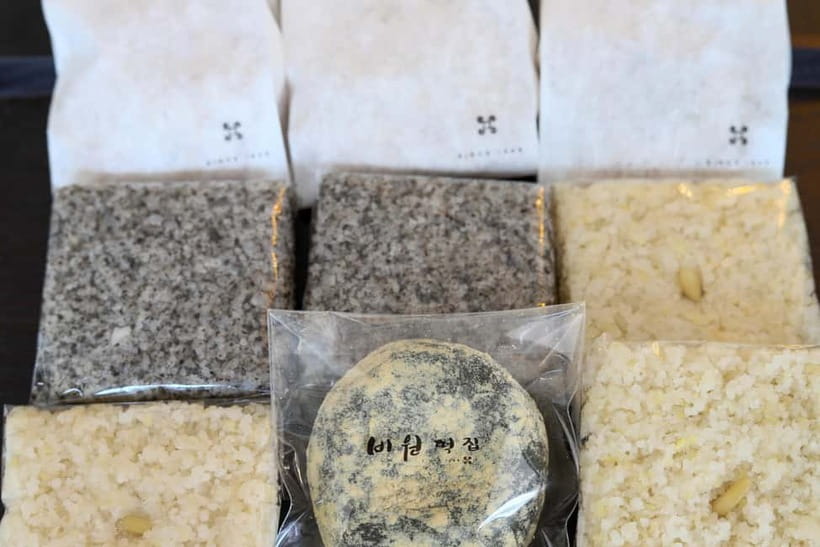
- OraeGage stores and why “old shops” matter to Seoul’s continuity
- Hanok houses from different periods, so you can spot changes over time
- Seeing interior spaces, not just famous exteriors
- Noble-era culture through everyday topics like etiquette and meals
- A tea stop with coffee/tea and sweets, a nice pause during the walk
- English guiding with a history-forward style, including lively anecdotes from Alan
Bukchon Hanok Village: what makes this neighborhood worth your feet
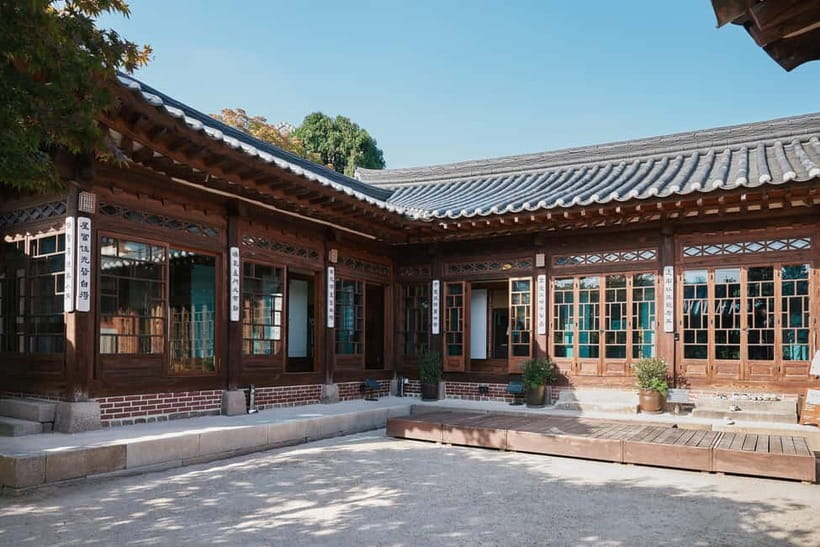
Bukchon sits north of the Cheonggyecheon stream area and toward Jongno, and it’s famous because it still shows a key part of Seoul’s older fabric. This area carries a 600-year urban story, and you can feel it in how the streets guide your pace. Instead of racing for photos, the tour nudges you to slow down and notice the shapes, materials, and room layouts that make hanok different from modern housing.
What I like about this kind of guided walk is that it turns the “pretty neighborhood” factor into learning. You’re not just looking at curving rooftops. You’re getting help understanding how hanok evolved and survived through different eras. That context matters, because the buildings you see today are not frozen in time—they’ve been shaped by real needs across generations.
You’ll also get a sense of why Bukchon is described as well-preserved. The traditional houses here have not been distorted by other cultures in the way you might see in more theme-park-like districts. The blend of old structures with the modern city around them is part of the appeal: you get the contrast, but you’re still looking at authentic domestic architecture.
You can also read our reviews of more walking tours in Seoul


OraeGage: the “old shop” idea that adds a Seoul layer
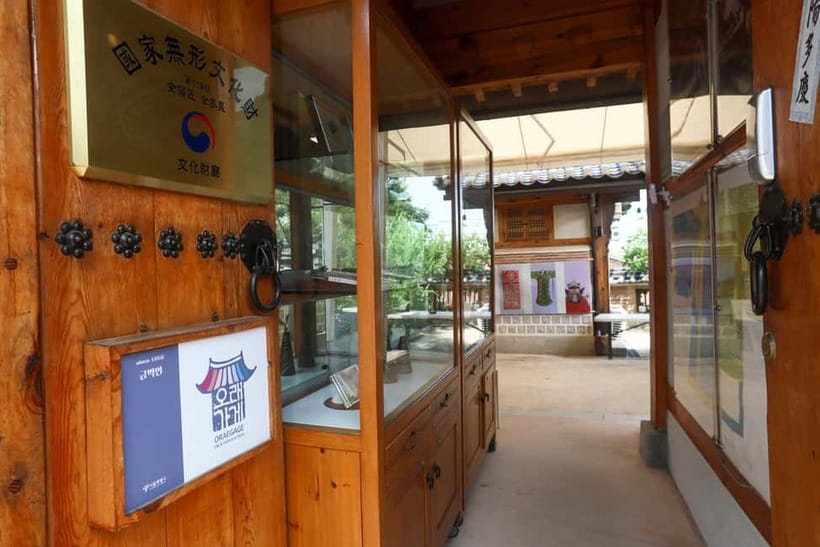
One smart element of this tour is the way it brings in the concept of OraeGage. In plain terms, it’s about an old store tradition—places that have carried Seoul’s values for a long time, and that local culture wants to keep going.
The tour explanation makes it clear why this isn’t just trivia. When you understand OraeGage, you start seeing “old” as a choice, not an accident. The neighborhood isn’t only old buildings; it’s also long-running shop culture and local stories that help the area keep its character even as the city changes around it.
This matters for you because it changes how you walk. You’ll be less likely to treat Bukchon as a postcard, and more likely to notice how everyday commerce and daily routines shaped what survived and what adapted.
Entering hanok: from street views to the way rooms are actually arranged
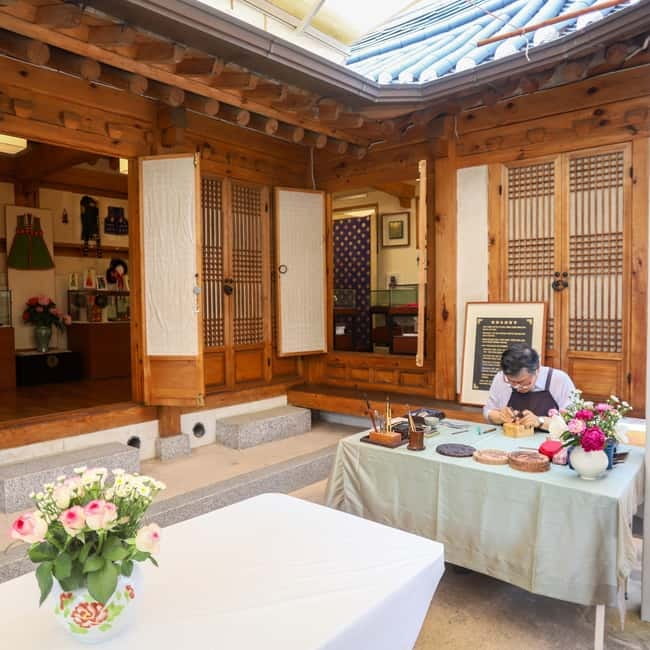
A highlight here is that you don’t stop at the exterior. You’re shown typical hanok houses and you get to see into interiors. That shift—from “look” to “how it works”—is where the tour earns its value.
Hanok has evolved through different periods, and the tour guides you to notice those differences. Even when houses look similar from outside, they can vary in how spaces are laid out, what changes happened over time, and what features were valued in different eras. With a guide leading the way, you’re not left guessing. You learn what you’re looking at and why it matters.
Another thing I liked: the tour frames this as a living architectural story. The houses are presented as part of an ongoing urban neighborhood, not isolated artifacts. You also learn how well-preserved traditional hanok contributes to Bukchon’s beauty—because the surrounding modern city doesn’t erase the old forms. It makes them easier to compare.
Possible snag: interior access and what you see can depend on the houses available on the day. Still, the tour’s theme is consistent—multiple periods, visible changes, and an explanation of features—so you’ll come away with more than just a few good angles for photos.
Learning Korea through noble life: food, etiquette, and art
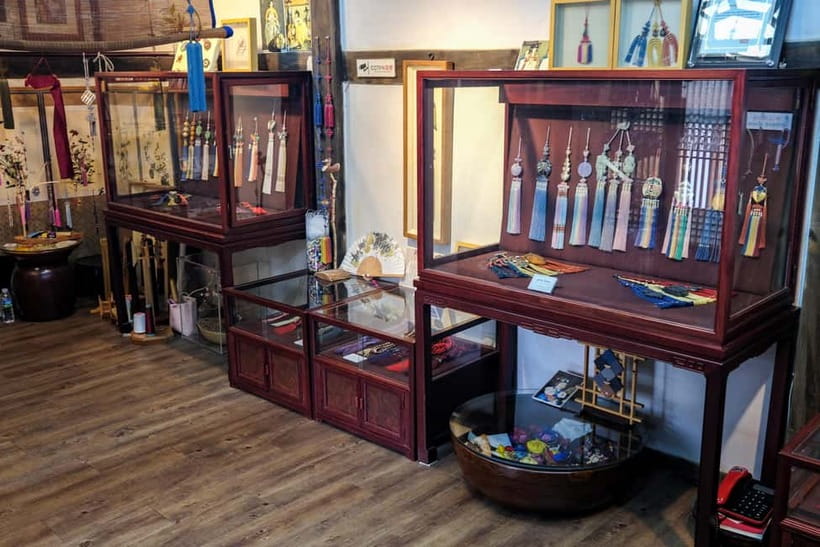
Bukchon is often marketed as “traditional Korea,” but this walk adds substance by connecting architecture to daily culture. As the tour moves through the neighborhood, you get commentary about the lifestyle of Korean nobles from earlier times. That includes topics like etiquette and the kinds of food culture associated with that class.
Why this is useful: it gives you a mental picture of what these spaces supported. Hanok design isn’t only aesthetic. Room use, movement through spaces, and the rhythm of daily life all connect to social values. When the guide ties the house layout to how people ate, interacted, and displayed art or manners, the tour becomes more human.
One review note that matches the approach: the guide’s storytelling style—especially when it comes to history—helps you understand Bukchon without feeling rushed. Alan, specifically, is mentioned as enthusiastic and courteous, with explanations that make the history land. He also took photos for the group, which is a small bonus if you’d rather enjoy the walk than constantly reposition for your own shots.
The tea house pause: coffee or tea that makes the walk feel complete

Most walking tours either race you through the neighborhood or end abruptly. This one builds in a tea-house style break. Coffee or tea is included, and the experience is described as a visit to a beautiful tea house with tea and sweets.
That stop does two practical things for you:
- It gives your feet a break before the walk ends back at the starting area.
- It gives your brain a moment to absorb what you just learned about rooms, culture, and etiquette.
If you’re planning to visit Bukchon during a warm or busy time of day, that pause can make the difference between a good afternoon and an overly tired one. And since it’s part of the tour, you’re not left hunting for a café with the right vibe.






Price and value: is $54 per person fair?
At $54 per person, you’re paying for more than a route. You’re paying for a local guide, English-language explanation, and included coffee or tea. You’re also paying for a guided way to understand hanok architecture and how it changed across time.
Is it expensive? For a short sightseeing walk, it’s not “cheap,” but it’s also not random tourist pricing. The value comes from two areas:
- Interpretation: the guide commentary makes the hanok design legible. Without that, Bukchon can turn into a lot of exterior looking.
- Access and detail: you get to see interiors and typical houses, and you learn why those spaces matter.
If you’re the type of traveler who likes architecture, cultural context, and small-but-meaningful explanations, this price typically feels reasonable. If you only want quick street photos and don’t care about cultural details, you might decide you can do Bukchon on your own. But if you want the neighborhood to “click” into place, the guide time is doing real work.
Getting started at Anguk Station: how to make the meetup work smoothly
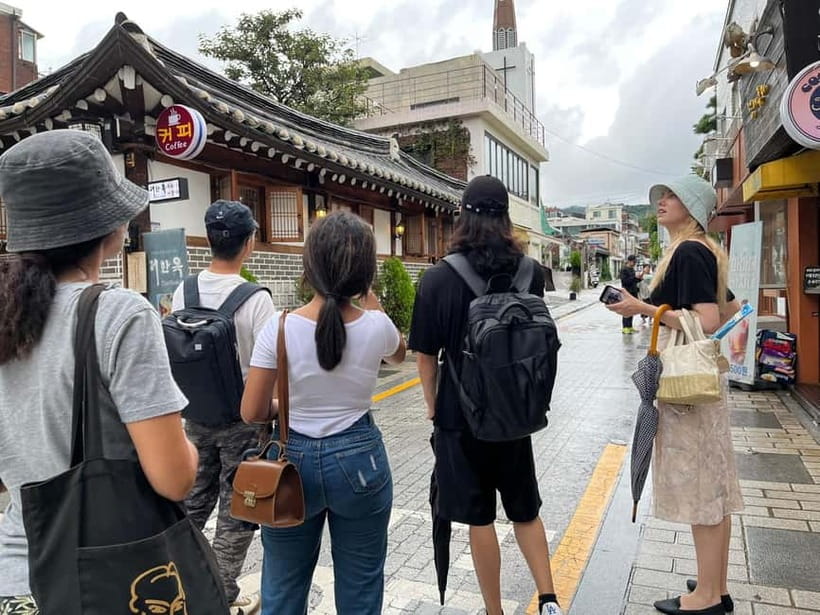
The tour starts and ends back at the meeting point near Anguk Station Exit 3 (Subway Line 3). That’s helpful. You can get there easily, and you don’t need to solve end-of-tour transportation.
The biggest practical tip I’d give you: arrive a little early and start your day with comfortable walking shoes. The tour is built around neighborhood walking and house viewing, so your legs do the heavy lifting. If your shoes are only “okay,” you’ll feel it by the middle of the route.
Because the tour uses WhatsApp/email for meetup updates, keep notifications on and be ready to read messages the day you book. The tour also notes that reservations can’t be confirmed on weekends and holidays, so if your schedule is tight, plan ahead.
Who this tour is best for (and who should reconsider)
This is a great fit if you:
- Want Korean history and culture tied directly to what you can see in the neighborhood
- Care about architecture details, especially how hanok evolved across periods
- Prefer an unhurried guide who explains and answers questions
- Like a small food/drink stop as part of the experience (coffee/tea is included)
You might reconsider if:
- You dislike walking and small uneven streets
- You only want quick photo spots and don’t want cultural context
- Your timing depends on weekend/holiday confirmation, since the tour notes reservations may not be confirmed then
Should you book Bukchon Hanok Village Walking Tour?
If you want Bukchon to feel like more than scenery, I’d book it. The combination of hanok interiors, period-to-period explanations, and the cultural link to noble-era etiquette and food makes the walk smarter than a generic “see the village” outing.
I’d especially recommend it to you if you enjoy guides who share stories with care. Alan’s style is specifically highlighted as enthusiastic, courteous, and history-focused, and that kind of guiding tends to be the difference between a forgettable stroll and an afternoon that gives you real understanding.
FAQ
Where does the tour start?
The tour starts at Anguk Station Exit no. 3 (Subway Line 3).
Where does the tour end?
The activity ends back at the meeting point (Anguk Station Exit no. 3).
What’s included in the price?
A local tour guide and coffee or tea are included.
Is this tour available in English?
Yes, the tour is offered in English.
What should I bring?
Bring comfortable shoes for walking.
How does booking work on weekends and holidays?
The information says reservations cannot be confirmed on weekends and holidays.
What happens if there aren’t enough participants?
If the number of participants is under 4, the tour will be canceled, and you’ll receive a cancellation notice via WhatsApp.
Is there a refund if I cancel?
The tour notes you can cancel up to 24 hours in advance for a full refund. No refund is issued for a no-show or day-of cancellation.