REVIEW · GYEONGBOKGUNG PALACE & HANBOK TOURS
Walking Tour with Gyeongbokgung Palace, Bukchon, Insadong
Book on Viator →Operated by This is KOREA! · Bookable on Viator
Time travel is the real draw here. This guided Seoul walk pairs Gyeongbokgung Palace with neighborhood streets so you get the story behind the big sights and the feel of daily city life. I really like the small-group setup and the way guides like JH and Bomi keep it human—answering questions, pointing out details, and even helping with translation when you stop in Insadong.
Second, you get a layered route, not just checkpoints. You start with Joseon-era royal power at Gyeongbokgung, then shift into the Bukchon Hanok Village lanes where traditional hanok houses shape the vibe, and you finish with a classic market-street area in Insadong. One consideration: lunch isn’t part of the included meal plan, so plan for eating on your own and budgeting time for a sit-down break.
In This Review
- Quick hits before you go
- Gyeongbokgung Palace: the photo stop that actually teaches
- One important money note for palace entries
- Bukchon Hanok Village: traditional houses, real neighborhood feel
- What to watch for (so it stays fun)
- Insadong in the afternoon: shops, lunch choices, and tea-house time
- Lunch and tea: how to make it work with the schedule
- The guide + audio earphones: why this tour feels easier
- Price and value: what $65 really buys you
- How to plan your morning and avoid stress
- Who should book this walking tour?
- Should you book this Seoul walking tour?
- FAQ
- Where do I meet the guide?
- How long is the tour?
- What is the maximum group size?
- Is hotel pickup included?
- Does the tour include audio?
- Are entrance fees included?
- Is lunch included?
- What if I need to cancel?
- Do I need to provide a passport number?
Quick hits before you go
- Joseon-era context at Gyeongbokgung so you understand what you’re looking at, not just where to take photos
- Bukchon’s hanok lanes in a small window of time without feeling rushed
- Insadong walking time plus help ordering when you reach lunch
- Personal audio earphones so you can hear the guide without crowd noise
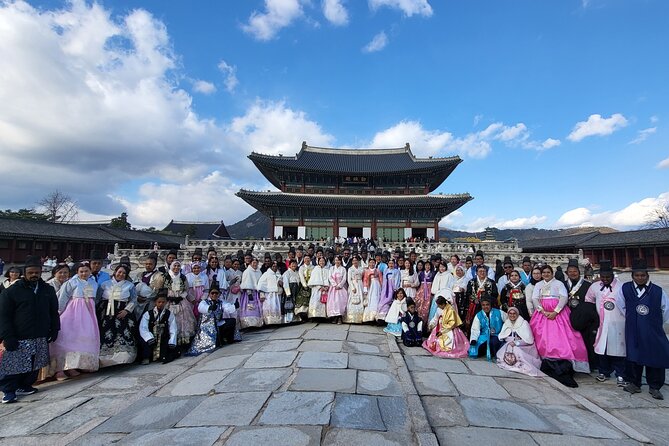
- A max of 15 people keeps the pace friendly and question-friendly
Gyeongbokgung Palace: the photo stop that actually teaches
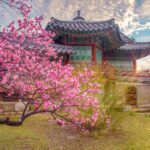
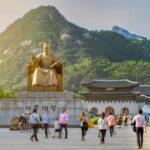
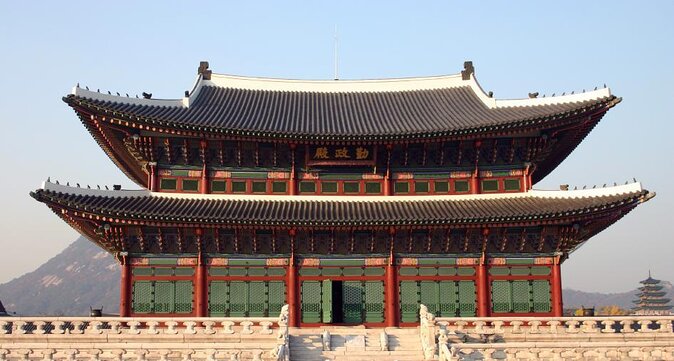
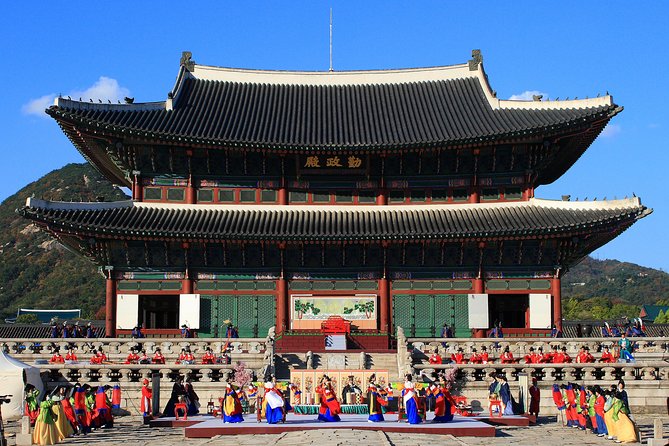
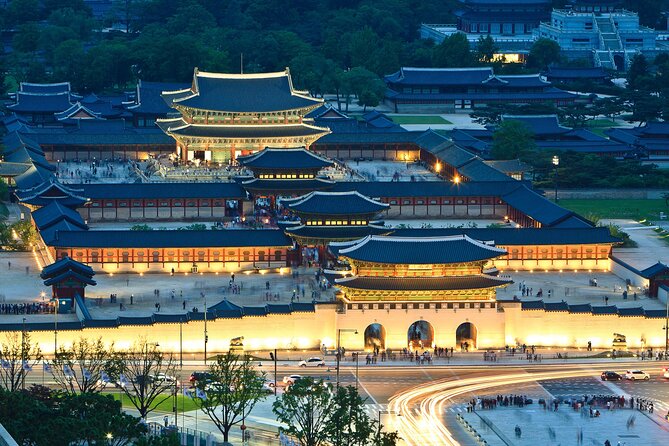
Gyeongbokgung Palace is one of those places where the scale hits you fast. Even if you only have a short time in Seoul, you can still get a clear sense of how the Joseon Dynasty organized power—where rulers sat, how the complex functioned, and why this palace mattered long before today’s skyline.
In this tour, the palace portion is paced like a walk-with-a-story. You’re not just left to wander. The guide focuses on what to notice as you move: the palace grounds as a symbol of royal presence, the layout feel of a major palace complex, and the historical background that makes the architecture click. If you’ve ever stared at a big building and thought, I know it’s important, but why, this is the fix.
Also, your palace stop is described as a photoshoot-style segment. That matters because a guide can steer you toward better angles and help you move efficiently without everyone getting tangled up. You’ll likely pass viewpoints and key sights along the way, with enough structure to keep the morning from turning into a grab-bag of selfies and confusion.
You can also read our reviews of more walking tours in Seoul

One important money note for palace entries
The tour lists entrance fees as included, but the palace stop itself also notes admission tickets not included. That means you should confirm what you personally need to pay at the palace complex. If you want museum time inside the area—like the National Folk Museum or the National Palace Museum, which are both located in the palace zone—you may need separate admission. The smart move is to ask your guide at the start what’s covered for your group that day.
Bukchon Hanok Village: traditional houses, real neighborhood feel
After the palace, the tour shifts gears and heads into Bukchon Hanok Village. The timing is tight and purposeful, which helps. You arrive and get straight into the lanes while they still feel like a place you could live, not a stage set.
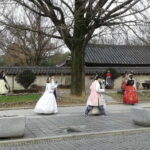
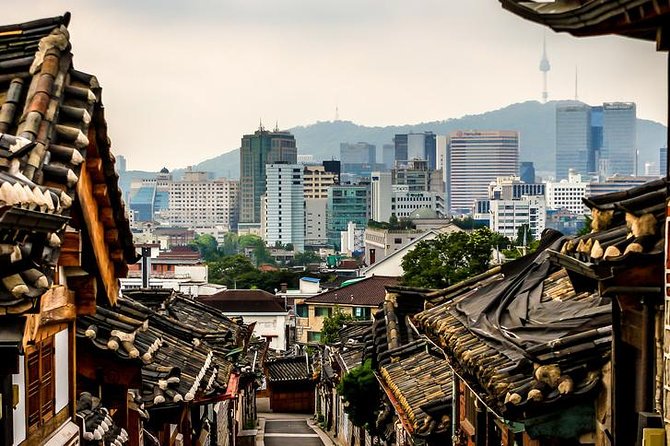
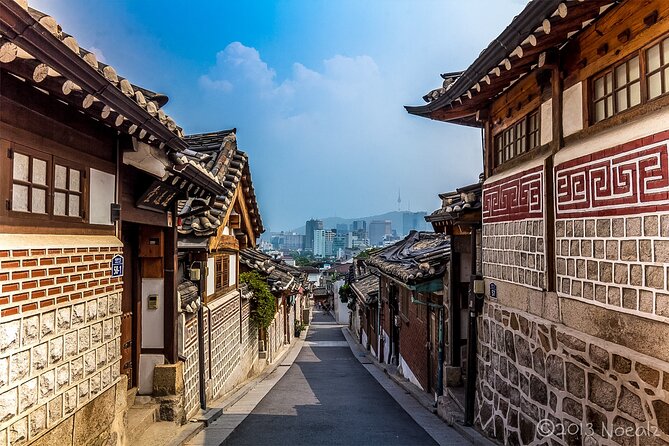
This is where you start seeing how hanok style shapes more than appearances. The winding street layout, the way homes and small shops sit along the route, and the classic Korean rooflines all work together to create a distinct neighborhood rhythm. Even in a short visit, you can spot the details that make hanoks different—traditional building shapes, that wood-and-stone look, and the way storefronts can blend into residential spaces.
There’s also a practical advantage to doing Bukchon on a guided walk. The streets can feel similar if you’re on your own, and you might bounce between areas without getting oriented. With a guide, you’re more likely to walk the most interesting stretches efficiently.
What to watch for (so it stays fun)
Bukchon involves walking on uneven streets. The tour notes moderate physical fitness, so keep that in mind if you’re dealing with knee issues or you’re traveling with heavy bags. Comfortable shoes are the real souvenir here.
Admission is listed as free for the Bukchon exploration portion, which is great for value. Just remember that photos and strolling take time, so bring your patience—this isn’t a sprint.
Insadong in the afternoon: shops, lunch choices, and tea-house time
By the time you reach Insadong, the tour becomes more about street atmosphere than big-ticket monuments. Insadong is the kind of place where you can wander for hours, but the guide’s role keeps you from spinning in circles.
You’ll walk into Insadong and reach the lunch area around the early afternoon. Lunch is described as your own expense, and that’s a key point for planning. The good news: the guide supports you with ordering, then you’re free to enjoy your meal at your own pace and settle the bill before leaving. If you’ve tried to order Korean food while feeling stuck on pronunciation, having that help is genuinely useful.
Insadong is also known for shops selling traditional goods, so it’s a solid place to browse if you want small gifts that feel local. You’ll get time to look around rather than being herded past storefronts. In addition, the overall tour includes a traditional tea house stop, which fits Insadong’s personality well: slow down, sit for a bit, and connect the day’s historical themes to everyday culture.




Lunch and tea: how to make it work with the schedule
Because lunch isn’t included, I’d treat this part like a flexible break. Order something simple enough that you can enjoy it without turning the meal into a research project. If you want tea as part of the experience, you’ll usually feel it as a cooldown between walking and shopping.
Also, the tour ends with the group departing from Jongro-Gu area in the early afternoon. That means you’re not left with a vague end time. You’ll know when the walking portion is done, and you can decide what you want next.
The guide + audio earphones: why this tour feels easier
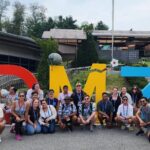
This tour caps at 15 travelers, which matters more than it sounds. In a city like Seoul, where crowds can form fast around popular sites, a smaller group makes it easier to hear the guide and easier to ask questions.
The tour also provides personal audio earphones. That helps a lot in open areas where voices carry unevenly and where you’d otherwise miss key explanations. You can still look around without constantly turning your head to find the guide’s voice.
The reviews also highlight that guides like JH and Bomi focus on practical support. They explain the palace and Korean history clearly, stay patient with questions, and help with translation in Insadong. That combination is what turns a walk into something you remember: context plus real-world help.
Price and value: what $65 really buys you
At $65 per person for roughly 3 hours 20 minutes to 4 hours, you’re paying for structure, guidance, and audio support, not for a long all-day sightseeing block. This is a good price point if you’re the type of traveler who learns best by moving—watch, listen, ask, then repeat.
Here’s where the value comes from:
- Local guide who can connect sites to Korean history and daily culture
- Audio earphones that make the tour feel less chaotic
- A multi-area route (palace zone → Bukchon → Insadong) that would take more effort to stitch together on your own
- Tea-house time included in the broader experience
- Small group size (max 15) so you don’t get lost in the crowd
One thing to sanity-check: because the palace stop notes admission tickets not included while the tour details also say entrance fee included, you’ll want to confirm what you pay on the day. If you end up paying separate admissions, you’re still likely getting value from the guide and planning, but it’s better to know upfront.
Also, booking is often done about 24 days in advance on average. That doesn’t mean you must book early, but it suggests this isn’t the kind of tour you want to treat like a last-minute gamble.
How to plan your morning and avoid stress
Since the meet-up is at Gyeongbokgung Station on Subway Line 3 (Exit 5) at 9:30 am, your main job is arriving on time and not overthinking the subway. Public transport is noted as nearby, which is exactly what you want for a walking tour that covers multiple neighborhoods.
From there, the pace runs in a clear sequence:
- Palace segment in the morning
- Switch over to Bukchon around late morning
- Insadong after lunch time window, with ordering support
What I’d do if you want this to feel smooth: keep your day light after the tour. Don’t stack three other heavy attractions right afterward. Let Insadong be your decompress-and-browse chapter, and then decide how late you want to stay in that area.
Who should book this walking tour?
This is a strong fit if:
- You want a history-led walk without committing to a full day
- You like seeing several iconic areas together (palace + hanok village + Insadong)
- You appreciate having help in shops and with ordering
- You’d rather learn while walking than sit through a lecture
If you’re the type who hates walking or you want lots of museum time inside the palace complex, you may find the timing tighter than you’d like. This tour focuses more on orientation and storytelling than on hours of independent indoor exploring.
Should you book this Seoul walking tour?
I’d book it if you want a practical, guide-led way to see three of Seoul’s most meaningful zones in one outing. The combination of Gyeongbokgung context, Bukchon hanok streets, and Insadong street-life is a smart use of a half-day. The audio earphones and small group cap make it easier to stay engaged instead of getting overwhelmed.
I wouldn’t book it if you already have museum plans that require flexible timing or if you’re not comfortable with moderate walking and uneven streets. And before you go, confirm what entrance fees you personally need to cover, since the tour details show some inconsistency between entrance fees being included and palace admissions being ticketed.
FAQ
Where do I meet the guide?
You meet your guide at Gyeongbokgung Station (Subway Line 3), Exit 5, at 9:30 am.
How long is the tour?
It runs about 3 hours 20 minutes to 4 hours.
What is the maximum group size?
This tour has a maximum of 15 travelers.
Is hotel pickup included?
No. The tour does not include hotel pickup and drop-off.
Does the tour include audio?
Yes. You’ll receive personal audio earphones.
Are entrance fees included?
Entrance fees are listed as included, but the palace stop notes that admission tickets are not included. Check what you need to pay for at the sites on the day.
Is lunch included?
No. Lunch is listed as not included, and the Insadong portion is marked as own expense.
What if I need to cancel?
You can cancel for a full refund up to 24 hours before the experience’s start time.
Do I need to provide a passport number?
Yes. One passport number from the group is required to confirm the booking.
![The Seoul Pub Crawl [official] - Skip-the-line club entry: what VIP access changes in Seoul](https://1.visitseoulkorea.com/wp-content/uploads/the-seoul-pub-crawl-official-400x267.jpg)