REVIEW · DMZ TOURS
Private Tour: DMZ Aegibong & Korean Culinary Workshop Experience
Book on Viator →Operated by Jung Ho Travel · Bookable on Viator
Aegibong changes how you think about the DMZ. This private day blends Aegibong Peace Eco Park with cooking time in rural Gyeonggi-do, guided by an English-speaking pro who ties the big picture to what you’re actually seeing. I particularly like that the experience is built around real viewpoints of North Korea, not just a checklist photo stop.
I also love the hands-on gochujang workshop, where you make and take home a 200g jar you can really use back home. The main thing to consider is that Aegibong is a military restricted area, so the tour can be canceled for unpredictable reasons and you’ll want to plan with flexible expectations.
In This Review
- Key things you’ll remember about this day
- Why Aegibong Peace Eco Park feels different from the usual border tour
- The private-vehicle schedule: a 6.5-hour day with real travel time
- Inside the DMZ experience: what you’re really paying for
- Gyeonggi-do and the gochujang workshop: making your own jar
- Bibimbap lunch: included, traditional, and meant to be eaten
- Optional hand-drip coffee: a calm ending instead of a mad rush
- What to expect physically and mentally
- Price and value: why $219 can make sense for a private half-day
- Who should book this and who should skip it
- Should you book this Aegibong and Korean cooking day?
- FAQ
- What’s included in the price?
- How long is the tour?
- Do I get pickup and drop-off in Seoul?
- Can I take a dietary-restriction meal?
- Will I make gochujang and take it home?
- Is the hand-drip coffee included?
- Is the tour guaranteed to run?
Key things you’ll remember about this day
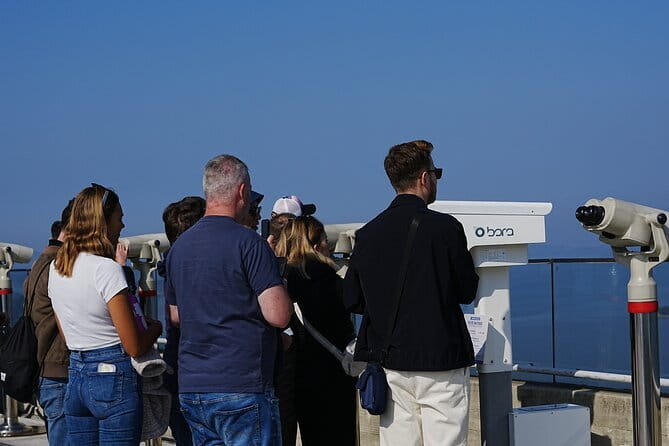
- Aegibong Peace Eco Park gives some of the best sightlines near the border, with viewer support
- Private pickup and drop-off means fewer delays and more control over your pace
- Hands-on gochujang making ends with your own 200g jar as a souvenir you can share
- Authentic bibimbap lunch is included, with a note that you should mention dietary restrictions in advance
- Optional hand-drip coffee adds a calm, fragrant finish after a heavy topic day
Why Aegibong Peace Eco Park feels different from the usual border tour
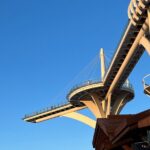
Aegibong Peace Eco Park sits at the northern tip of Gimpo City, about an hour from central Seoul. It is a former war site tied to the Korean War and the long division of the peninsula, so you’re not just looking at a border line—you’re looking at a place that witnessed real conflict.
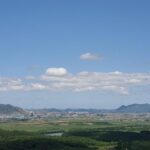
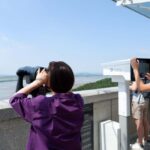
The view is the point. From here, you can see across toward North Korea using the provided viewer. The experience is often described as better than the more crowded, standard DMZ setup, because Aegibong’s sightlines are more direct and the setting feels less like a cattle-call.
There’s also a story layered into the name. Aegibong combines words for love, mistress, and peak, pointing to a tragic 1636 love story of a Pyeongyang governor and his mistress, separated during the Sino-Korean War. Even if you mostly care about photos, it’s worth paying attention, because the emotion behind the name is what stops the stop from feeling like a geography lesson.
One practical note: this day can depend on conditions. Since Aegibong is a military restricted area, access isn’t always guaranteed. When this happens, plans shift, so keep your schedule loose and your expectations flexible.
You can also read our reviews of more private tours in Seoul
The private-vehicle schedule: a 6.5-hour day with real travel time
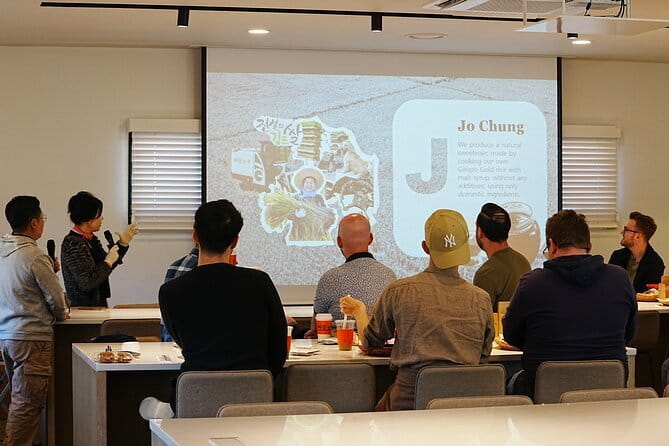
This tour runs about 6 hours 30 minutes. The timing is structured so you can actually enjoy both the border stop and the rural food experience, with about 2.5 hours set aside for travel during the day.
Because it’s private, you don’t have to sync to a big bus. Pickup and drop-off are included, and you’ll ride in an air-conditioned vehicle. That matters on a day that includes a lot of sitting, some walking around viewpoints, and a workshop that involves standing and moving at your own pace.
At the same time, the schedule is still a half-day. You shouldn’t plan extra stops afterward unless you’re okay with a bit of a rush. If you like to wander slowly, this tour will feel like a tight but efficient hit of history and food.
Inside the DMZ experience: what you’re really paying for
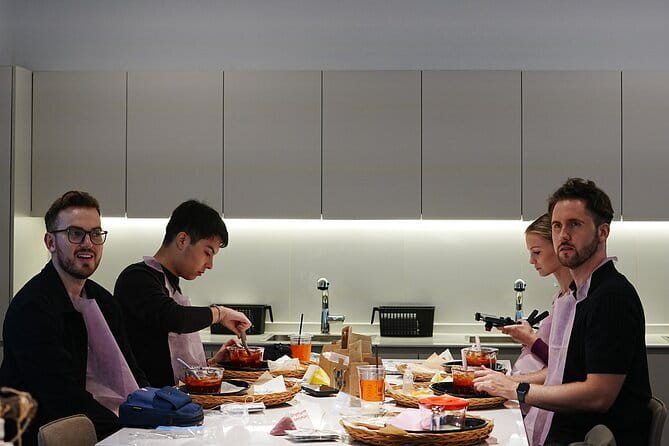
You’re paying for more than a ticket. The value is the combination of a close border viewpoint and a guide who can explain what you’re looking at in plain language.
Aegibong is described as the closest border point to North Korea in this area, and that closeness changes the feel. When you can use a viewer to see what’s over there—like North Korean villagers and soldiers—the whole topic becomes less abstract.
The guiding style seems to matter a lot. In the feedback for this experience, English-speaking guides such as Xander, Chuck, and Jun get praised for explaining the history and politics in a way that stays human and understandable, not academic and distant. If you get one of these guides, you’ll probably do a lot more than stare out at the view.
One consideration: this is not a hands-off “walk and go.” You’ll want to listen during the explanation parts, because they give the context that makes the view meaningful.
Gyeonggi-do and the gochujang workshop: making your own jar
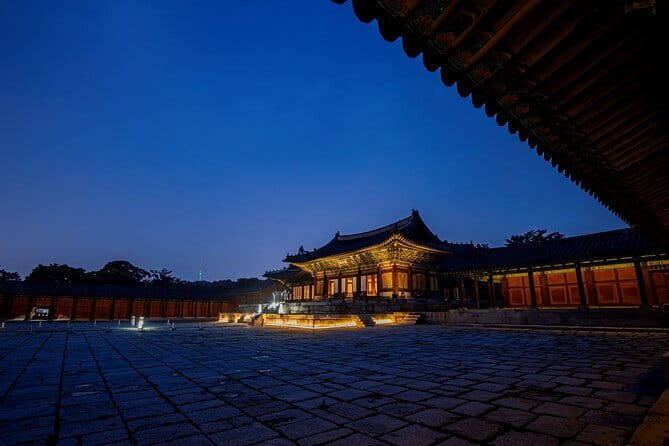
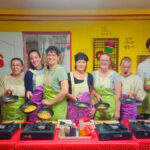
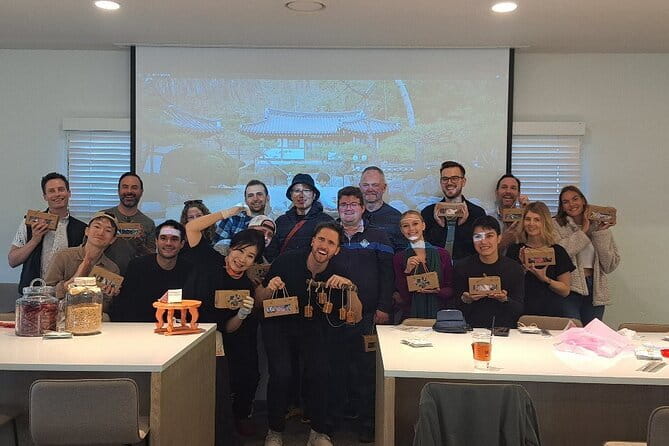
After the DMZ-era stop, the day shifts into rural food culture. The workshop location is in Gyeonggi-do, at a site centered on farming heritage. You’ll take part in a gochujang-making workshop, led in a hands-on way.
Here’s why this is worth your time: you’re making something you can actually bring home and use. The workshop includes crafting your own batch of Korean red chili paste, and the souvenir is a 200g jar of gochujang. That turns the experience into a real takeaway, not just a meal you ate.
The factory setup is family-operated across three generations. When a place is built on that kind of continuity, you usually get a workshop that feels more like learning a craft than doing a quick tourist activity. During the session, you’ll likely get an eye-level view of how the paste-making process is treated as something practical and repeatable.
Also, gochujang is more than heat. Even if you don’t eat spice-forward foods at home, it’s worth tasting the way Koreans use it as depth—sweet, fermented, and complex.
Food practicality: gochujang has chili in it, so if you’re sensitive to spicy flavors, talk to your guide when you start. The tour description notes that bibimbap covers dietary needs only if you notify the company in advance, and you should extend that same care to anything related to spice.
Bibimbap lunch: included, traditional, and meant to be eaten
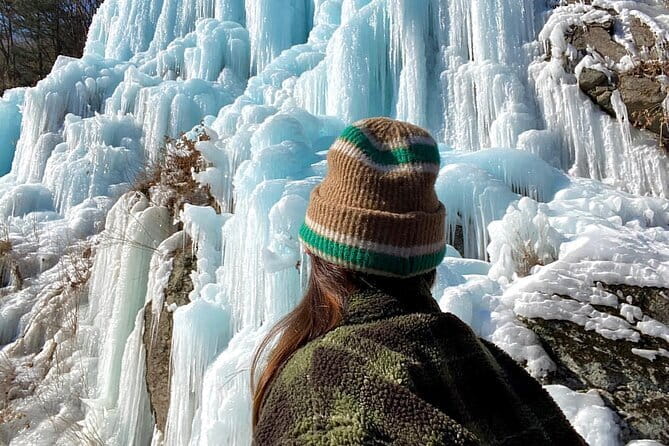
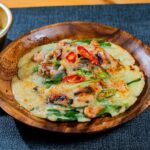
Lunch is included, and it’s authentic bibimbap. The description says it’s prepared with organic, locally-sourced ingredients, which helps it feel less like cafeteria Korean food and more like the real thing.
Bibimbap matters here because the day moves from politics to palate. After standing and looking out over a tense border area, you need something grounded and comforting. Bibimbap does that well. You’ll get the mix of rice with toppings and sauces, and it’s typically the kind of meal where you can adjust how much sauce you use based on taste.
The key practical point is dietary restrictions. The tour says guests with dietary restrictions should notify the company in advance. So if you’re avoiding anything specific—religious restrictions, allergies, or a preference like vegetarian—don’t wait. Ask before the day arrives so the meal can match your needs.
You can also read our reviews of more tours and experiences in Seoul


Optional hand-drip coffee: a calm ending instead of a mad rush
If you want one last sensory payoff, the tour offers optional hand-drip coffee. This is included as a coffee and/or tea option, and if you choose coffee, you’ll have a moment to grind and brew premium beans.
Why this is a smart add-on: after topics as heavy as division and war, a quiet ritual slows your breathing. It also gives you something to do that’s not just sightseeing, so your day ends with a personal touch.
If you’d rather skip it, that’s fine too. The important part is that the tour gives you a structured endpoint, so you’re not scrambling for your next meal or caffeine fix.
What to expect physically and mentally
The tour calls for moderate physical fitness. That usually means you should be comfortable with walking around a park area, using viewpoints, and standing during the workshop session.
Mentally, this day is also moderate-to-heavy. Aegibong is tied to war and division, and you’ll be learning as you’re seeing. If you prefer sightseeing that stays light, this tour might feel like too much. But if you want your Korea trip to connect food and everyday life with what shaped the peninsula, it’s a strong pairing.
Price and value: why $219 can make sense for a private half-day
At $219 per person, this tour is not a budget DMZ option. The value comes from what you get bundled together.
You’re paying for a private vehicle with air conditioning, entrance fees, lunch, and the gochujang workshop. You also get a guided experience that connects what you see at the border to the meaning behind the place name and the historical context.
Then there’s the practical value of time. With pickup and drop-off, you’re not coordinating buses, transfers, and tickets on your own. That is worth real money in Seoul, especially on a day where timing is tied to access conditions at the border area.
If you compare mentally, ask yourself this: would you pay separately for a private driver, border admission, a guided explanation, a cooking workshop, and lunch? If the answer is yes, the price starts to look more reasonable.
Who should book this and who should skip it
This tour is ideal if you want:
- a DMZ-adjacent day that doesn’t feel like a crowded mass tour
- a guide who can explain the politics without turning it into a lecture
- a hands-on food experience with a take-home souvenir
- a well-paced half-day that includes lunch and an optional drink finish
You might want to skip or reconsider if:
- you absolutely need guaranteed access to Aegibong on a specific date, because military restricted areas can affect timing
- you have strong concerns about spicy ingredients, since gochujang is central to the workshop
- you don’t do well with history-heavy stops and prefer purely scenic sightseeing
Should you book this Aegibong and Korean cooking day?
I’d book it if you want a day that mixes a serious part of Korea’s story with something you can do with your hands. The combination is the win: border viewpoints with viewer support, followed by a workshop that ends with an actual jar of gochujang.
Also, the guide experience seems to matter. When guides like Xander, Chuck, or Jun are on the schedule, the explanations land better and you walk away understanding what you saw, not just photographing it.
Just go in with two smart expectations: this is a private, efficient day with set travel time, and access at Aegibong can change due to restricted-area realities. If you can handle those two truths, it’s a memorable way to experience both Korea’s tensions and its tastes.
FAQ
What’s included in the price?
The tour includes an air-conditioned vehicle, entrance fees, lunch (authentic bibimbap), and coffee and/or tea. Hand-drip coffee is optional.
How long is the tour?
It runs about 6 hours 30 minutes, with about 2 and a half hours allotted for travel time.
Do I get pickup and drop-off in Seoul?
Pickup and drop-off are offered, using a private vehicle.
Can I take a dietary-restriction meal?
Lunch includes bibimbap, and the tour asks that you notify the company in advance if you have dietary restrictions.
Will I make gochujang and take it home?
Yes. The workshop includes making your own gochujang, and you will craft a 200g jar as a souvenir.
Is the hand-drip coffee included?
Coffee and/or tea is included, and hand-drip coffee is optional as part of that.
Is the tour guaranteed to run?
It can be canceled due to unpredictable reasons because Aegibong is a military restricted area. It also requires good weather, and if canceled for weather you’ll be offered a different date or a full refund.