REVIEW · SEOUL
Traditional Gourmet
Book on Viator →Operated by Gastro Tour Seoul · Bookable on Viator
Seoul can feel like a food maze until someone hands you a map. This tour is built for people who want Korean cuisine fast, plus the Hanok-world context that makes the flavors land. You’ll walk through Bukchon’s traditional lanes, then sit down for an included lunch in a traditional Korean house, with a guide steering the whole experience.
What I like most is the mix of food + places that explain the food. The second standout is the way guides (including ones like Veronica, named in feedback) use clear stories and practical advice so you can order, taste, and understand what you’re eating without getting stuck on the language.
One consideration: this is a walking tour with about 3 hours on your feet, and the itinerary uses traditional neighborhoods and buildings where you’ll want comfortable shoes and a moderate fitness level.
In This Review
- Key highlights you’ll feel from the first hour
- Why this Bukchon food walk makes sense for first-timers
- Price and what you actually get for $120
- Where you start: Anguk-dong in Jongno District
- Stop 1: Bukchon Hanok Village for the real streetscape feel
- House of Baek Inje: a hanok with preservation value
- The birthplace of Yun Bo-seon: a rare large hanok mansion
- Lunch in a traditional Korean house: where the tour earns its star rating
- Coffee, tea, and the calm after the walk
- How the guide helps with the language gap
- Walking pace, group size, and weather reality
- Who this tour suits best (and who might feel underwhelmed)
- Small practical tips before you go
- Should you book Traditional Gourmet in Seoul?
- FAQ
- How long is the Traditional Gourmet tour?
- Where does the tour start and end?
- What’s included in the price?
- Is transportation included?
- Do I need to pay for admission to the stops?
- Is there a vegetarian option?
- How big are the groups?
- Does it run in bad weather?
- FAQ
- How early should I book?
- Is free cancellation available?
- What about alcohol?
- What if I’m traveling solo?
Key highlights you’ll feel from the first hour
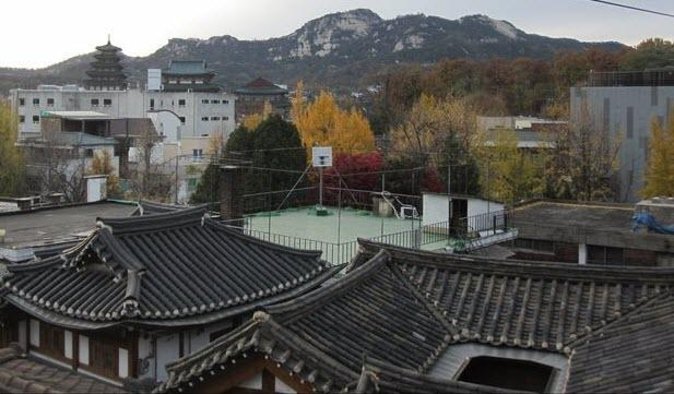
- On-foot Bukchon Hanok Village time with a real sense of the old Seoul streetscape
- Hanok stops with preservation value, not just photo-ops
- Included traditional Korean lunch in a Hanok-style setting
- Coffee and/or tea included, plus a proper food-break rhythm
- Small group size (max 12) for easier questions and pacing
- Language support via your guide, so you don’t lose the best parts to wording
Why this Bukchon food walk makes sense for first-timers
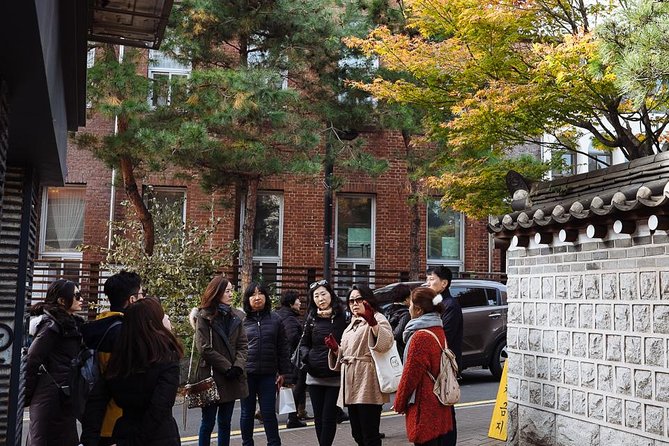
If Seoul is your first stop in South Korea, it can be overwhelming in the best way and the worst way. Menus are bigger than your courage. “Spicy” might mean one thing in English and something else in reality. And suddenly you’re staring at a bowl wondering if you’re supposed to mix, dip, or just enjoy it like an art form.
This tour solves that with a simple structure: you get oriented in one of Seoul’s classic traditional areas, then you eat in a guided, culturally grounded way. The goal isn’t just to feed you. It’s to help you understand what Korean food is doing and why people eat it that way.
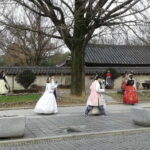
And because you’re walking, you can actually see how the neighborhood works. Bukchon Hanok Village isn’t only about buildings. It’s also about the small businesses, workshop feel, and street-level atmosphere that make you understand how daily life fits around tradition.
You can also read our reviews of more tours and experiences in Seoul.

Price and what you actually get for $120
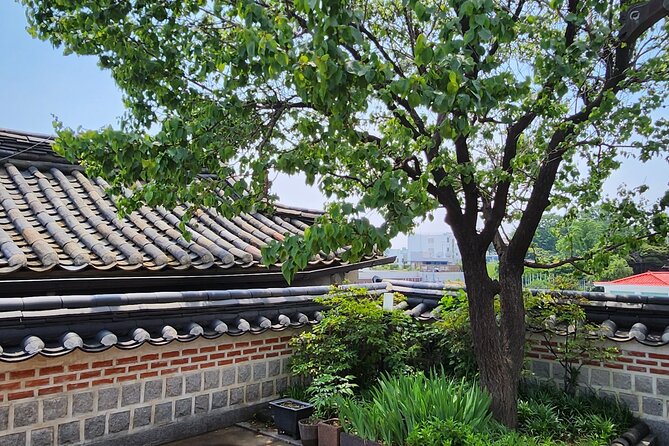
At $120 per person for about 3 hours, the value depends on what you’d otherwise pay to do the same combo yourself.
Here’s what’s included:
- A professional guide
- Lunch in a traditional Korean house (Hanok-style setting)
- Coffee and/or tea
- Admission is free for the listed cultural stops
You’re also getting small-group attention (up to 12), which matters when food ordering is the hard part. If you’ve ever spent time translating menus with limited success, you’ll understand why guidance can be worth real money, even if the lunch itself is the obvious “deal.”
What isn’t included:
- Transportation to and from the stops
- Alcoholic drinks (if you want them, you buy them on your own)
- Extra food and drinks beyond what’s part of the tour
So if you’re the type who wants to eat well without turning your day into a logistics project, this pricing is fairly straightforward. You pay once, then you follow the plan and focus on tasting.
Where you start: Anguk-dong in Jongno District
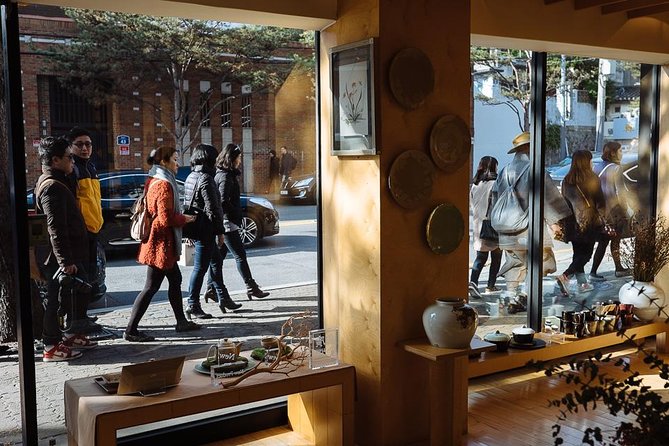
Your tour meets in 164-6 Anguk-dong, Jongno District, Seoul, and it ends back at the meeting point. Starting in Jongno is a smart move because it’s central and historically layered, with easy access to traditional neighborhoods.
The location also supports the walking format. You’re not bouncing across the city with constant transfers. You’re moving through one cohesive area, with the guide handling the transitions between cultural stops and meals.
The tour notes say it’s near public transportation, so if you’re arriving from elsewhere in Seoul, you should be able to get there without a big travel headache.
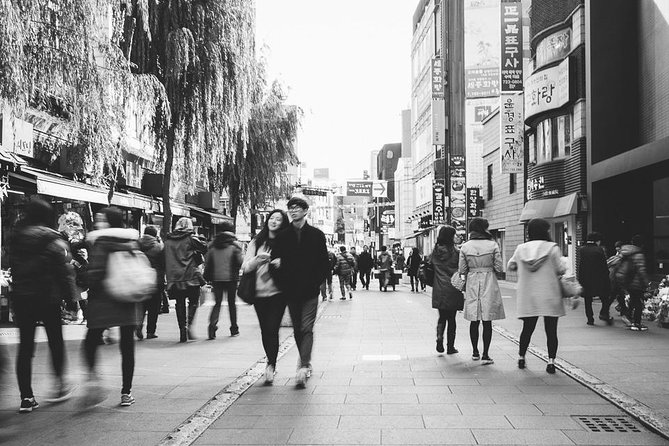
Stop 1: Bukchon Hanok Village for the real streetscape feel
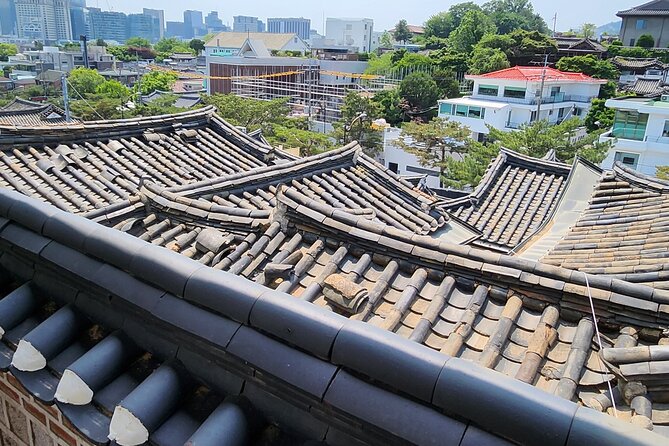
The first main stop is Bukchon Hanok Village. You’ll spend about 1 hour 30 minutes here, and admission is free.
This is where the tour earns its “gourmet” credibility, even though you’re not eating yet. Why? Because Bukchon’s lanes give you the atmosphere behind the food culture. A lot of Korean eating habits come from daily rhythms—seasonality, family meals, and neighborhood food traditions—and Hanok areas help you see that continuity.
Expect:
- Walking through an area filled with old traditional houses
- Seeing workshops and shops built into that traditional framework
- Getting oriented to the neighborhood so the rest of your Seoul visit feels less random
One practical note: this is an on-foot experience. If you’re the type who hates uneven sidewalks or lots of stairs, plan to move slowly and keep your shoes comfortable.
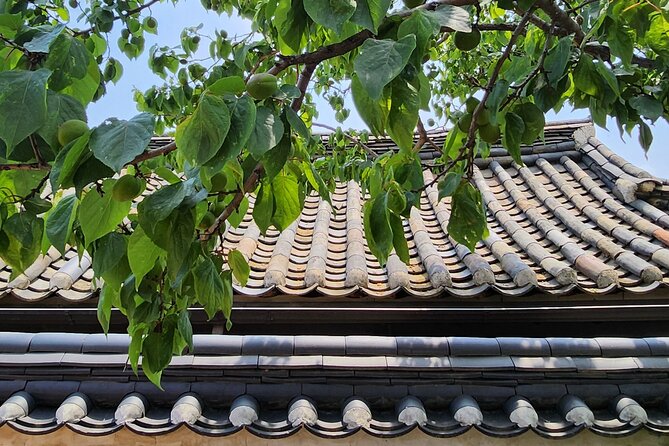
House of Baek Inje: a hanok with preservation value
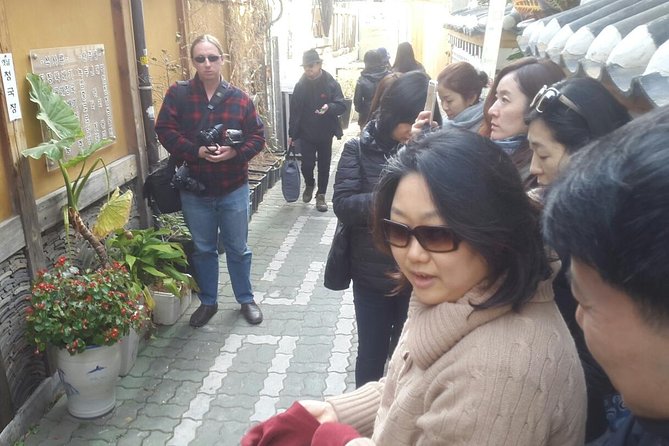
Next is House of Baek Inje, lasting about 30 minutes. Admission is also listed as free.
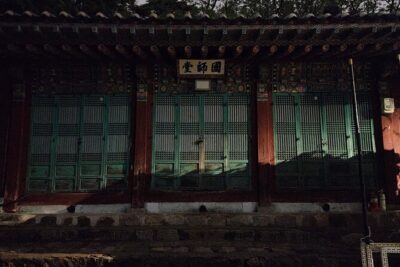
This isn’t framed as a “stand there and take photos” stop. It’s a preserved hanok building dating to around 1900, made with the best technology of its time. The building’s meaning matters too: it was known as the home of a powerful family, and it has preservation value now.
Why that matters on a food tour: Korea’s food culture isn’t separate from its living culture. When you see a home built for a particular social world—where family roles, hosting, and hospitality are part of daily life—you start to understand why Korean meals can feel structured and intentional.
If you’re the sort of traveler who enjoys architecture and cultural context, this stop will feel like a useful warm-up. If you want pure food only, you may find yourself appreciating the history more than you expected, because the guide can link it back to how people once lived and hosted meals.






The birthplace of Yun Bo-seon: a rare large hanok mansion
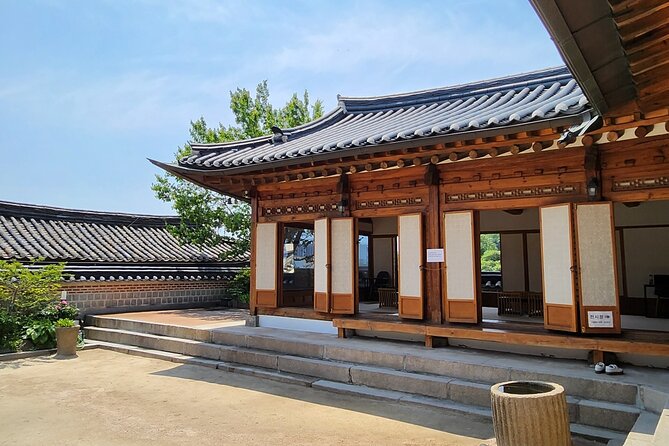
There’s another hanok-related stop tied to the birthplace of Korea’s second president, Yun Bo-seon. This site is known for being a well-built hanok mansion that’s described as rare in Seoul, and also large.
The property also carries an intimate human detail: the granddaughter-in-law of Yun Bo-seon currently lives there, and it’s maintained accordingly.
That’s a different experience than viewing an empty heritage building. You’re seeing a hanok that still connects to real life. It helps you remember that tradition isn’t only “historic.” It still functions.
For your day-planning: this is another chunk of time where you’ll want to listen. A good guide can make the architecture and the human story connect directly to meal culture—hosting, etiquette, and why some spaces exist to support gathering.
Lunch in a traditional Korean house: where the tour earns its star rating
Lunch is a big deal on this tour. You’ll get traditional Korean dishes prepared in a Hanok setting, and it’s included. The tour also includes coffee and/or tea, so the lunch isn’t a quick bite—it’s the core meal of your experience.
What you can expect:
- A sit-down format (the tone is described as a proper meal, not street-snack chaos)
- Multiple traditional dishes, built to introduce Korean flavor patterns
- A chance to learn what to do with the food once it arrives
One featured experience described the lunch as being in a sit-down spot with a Michelin connection. Even if your exact lunch setting differs, the consistent takeaway from the format is that you’re not just eating “something Korean.” You’re eating Korean in a way meant for culture learning and comfort.
Also, guides often add eating-etiquette context—how to handle dishes, what order makes sense, and what details to notice. That’s the difference between tasting Korean food as a visitor and tasting it like you understand why it’s satisfying.
And yes, coffee/tea being included matters. After a guided cultural walk and a full lunch, you’ll want that slower reset.
Coffee, tea, and the calm after the walk
After your included lunch, you’ll have coffee and/or tea as part of the tour.
This is more than a sweet finish. It gives you time to:
- Digest what you just ate
- Ask follow-up questions while your guide is still with you
- Get practical recommendations for the rest of your Seoul food day
In some experiences, the tea stop is described as a lovely tea house setting. Even if your tea moment is simpler, the included drink breaks up the pace so the last part of your walk doesn’t feel like a sprint.
How the guide helps with the language gap
The tour’s whole pitch is to help you beat the language barrier. It’s hard to overstate how much that changes a food day.
When you don’t read Korean well, you often miss:
- Ingredient clues that explain taste
- Names that reveal how a dish should be eaten
- Subtle differences between similar-looking menu items
A guide can also steer you toward what’s worth your time instead of letting you choose randomly. That’s a big deal in Seoul, where there are plenty of options that look great but may not be the best “first taste” for your specific goals.
A named guide from feedback is Veronica, and the recurring theme is that she connects food to food culture and shares practical advice people can use after the tour.
Walking pace, group size, and weather reality
This is about 3 hours total. The walking is part of the point, and you’ll be moving through an area like Bukchon where the route is best experienced on foot.
Good to know:
- It’s rated for moderate physical fitness
- Comfortable walking shoes are recommended
- It runs in all weather conditions, so dress appropriately
- Maximum group size is 12 people, which helps keep questions from turning into a classroom
If you travel with friends and you don’t want a rigid pace, smaller groups usually feel smoother. If you hate crowds, the max-12 cap is reassuring.
Who this tour suits best (and who might feel underwhelmed)
This Traditional Gourmet tour is a great fit if you:
- Want a guided entry point into Korean food
- Like culture context and not just eating
- Are traveling with limited Korean skills and want a plan that works
- Prefer a small-group experience over a huge bus tour
It may feel less ideal if you:
- Only want street food and nothing more formal
- Have a strong dislike of walking through heritage neighborhoods
- Are traveling on a tight schedule and can’t spare about 3 hours in one zone
Small practical tips before you go
A few things I’d do to make the day smoother:
- Wear shoes you’d happily walk for 90 minutes in.
- Dress for weather, because the tour runs regardless.
- If you have dietary needs, request the vegetarian option when booking. It’s available if you tell them ahead of time.
- Come hungry enough for a real lunch and tea afterward, not just nibbling.
Should you book Traditional Gourmet in Seoul?
I’d book it if you want your Seoul food day to feel guided, calm, and genuinely useful. The included Hanok lunch plus coffee/tea and the structured stops in Bukchon make it easier to leave with both good memories and better food instincts.
Skip it or consider another option if you’re only chasing street snacks or you’d rather spend your time on your own exploring at a faster pace. This one is built for learning and tasting in a set order.
If you’re unsure, think about your main problem in Seoul. If your issue is language and menu confidence, this tour is designed to fix that. And if your issue is wanting an authentic, traditional neighborhood setting without turning your day into guesswork, you’ll appreciate how the stops line up.
FAQ
How long is the Traditional Gourmet tour?
It lasts about 3 hours.
Where does the tour start and end?
The tour starts at 164-6 Anguk-dong, Jongno District, Seoul, South Korea, and ends back at the same meeting point.
What’s included in the price?
The price includes a professional guide, lunch in a Traditional Korean House called a Hanok, and coffee and/or tea.
Is transportation included?
No. Transportation to and from attractions is not included.
Do I need to pay for admission to the stops?
Admission for the listed cultural stops is free.
Is there a vegetarian option?
Yes. A vegetarian option is available, and you should advise at the time of booking.
How big are the groups?
There’s a maximum of 12 travelers per booking.
Does it run in bad weather?
Yes, it operates in all weather conditions, so you should dress appropriately.
FAQ
How early should I book?
On average, it’s booked about 71 days in advance.
Is free cancellation available?
Yes. You can cancel up to 24 hours in advance for a full refund.
What about alcohol?
Alcoholic drinks are not included, but they are available to purchase.
What if I’m traveling solo?
There’s a minimum of 2 people per booking, so solo travelers should contact the provider individually.