REVIEW · DMZ TOURS
DMZ 2nd Tunnel and Cheorwon Peace Observatory with Admission
Book on Viator →Operated by Korea Season Tour · Bookable on Viator
DMZ history hits differently when you can see it. This private route through the Korean Demilitarized Zone adds real structure to what can otherwise feel like heavy, confusing Cold War stories. You get DMZ access by vehicle plus hands-on stops like the 2nd Tunnel and Woljeongri Station—plus a monorail ride at the Cheorwon Peace Observatory that turns viewpoints into something you can actually take in.
I especially like two things about this tour setup: first, the way you register at the Cheorwon Peace Center and then continue with your own vehicle instead of doing the usual swap into a group bus. Second, the 2nd Tunnel experience is specific and tangible, with visitors able to explore inside up to a point about 300 meters from the Military demarcation line.
One practical drawback: it’s an 8-hour day and lunch is not included (it’s listed as 15,000 KRW per person), so you’ll want to plan food timing rather than assume you’ll be covered.
In This Review
- Key things to know before you go
- DMZ Entry: Registration at Cheorwon Peace Center and the Value of Your Own Vehicle
- Inside the 2nd Tunnel: What You Learn When You Can Walk Toward the Line
- Cheorwon Peace Observatory: Monorail Relief and the Stories Behind the Viewpoints
- Woljeongri Station: The War-Era Train Wreck Behind the Building
- Price and What You Get: Admission, Monorail, and a Private Day That Saves Time
- Who This Tour Suits (and Who Might Want to Adjust Expectations)
- Should You Book This DMZ 2nd Tunnel and Cheorwon Peace Observatory Tour?
- FAQ
- How long is the tour?
- What’s included in the price?
- Is lunch included?
- Do I need to switch into a group bus to enter the DMZ?
- How far can you go inside the 2nd Tunnel?
- What do you see at the Cheorwon Peace Observatory?
- What is at Woljeongri Station?
- What is the cancellation policy?
Key things to know before you go
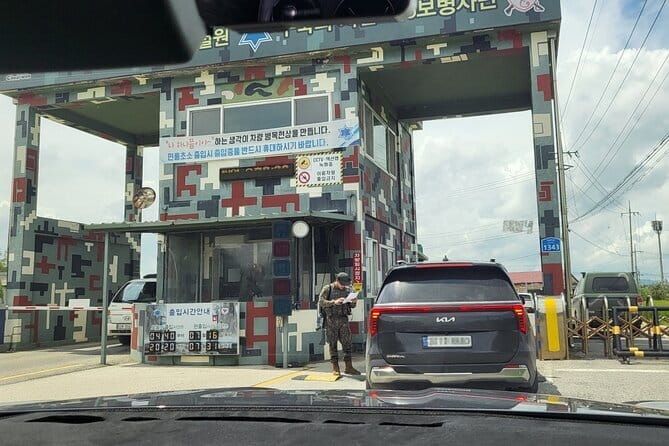
- Vehicle-based DMZ entry with registration at the Cheorwon Peace Center, so you don’t lose time changing buses
- 2nd Tunnel details that feel concrete, including its 1975 discovery and how far visitors can go inside
- Cheorwon Peace Observatory by monorail, which helps you save energy before the viewpoints
- Specific battle and geography markers, including Blood Ridge casualty figures and Cheorwon’s story
- Woljeongri Station’s visible war wreck, a direct reminder of what the Korean War left behind
- A visit designed for adults and children, since many Korean students go there for history lessons
DMZ Entry: Registration at Cheorwon Peace Center and the Value of Your Own Vehicle
Your day starts with the DMZ Cheorwon Peace Center, a registration point before you enter the restricted area. You’ll register the vehicle license number and visitor names. That step matters because it’s part of how the tour keeps things orderly inside a sensitive zone.
What I like here is the logistics that reduce friction. Unlike some DMZ formats, you don’t need to switch into a group tourist bus. Instead, you continue using your own vehicle and follow a lead vehicle in a single-file pattern. Practically, that means less hassle, less waiting around, and a smoother flow between stops.
This also shapes the feel of the trip. When you’re not shuffling through bus transfers, you spend more of your time on the sites and the context. The DMZ is often described in broad strokes, but here you’re guided through it step by step—registration first, then the stops where the history becomes visible.
One more thing that’s easy to miss: the DMZ area has been untouched by human activity for over 70 years, and it has become a habitat for migratory birds, cranes, and other animals. Even if you’re mainly there for history, that long pause in development is part of the emotional contrast—human conflict on one side, quiet preservation on the other.
You can also read our reviews of more tours and experiences in Seoul.

Inside the 2nd Tunnel: What You Learn When You Can Walk Toward the Line
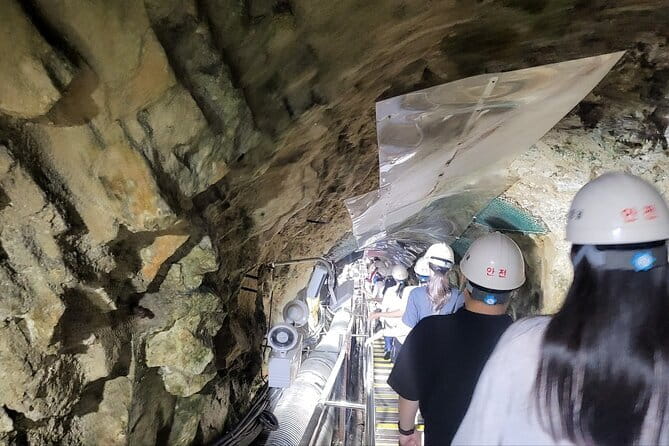
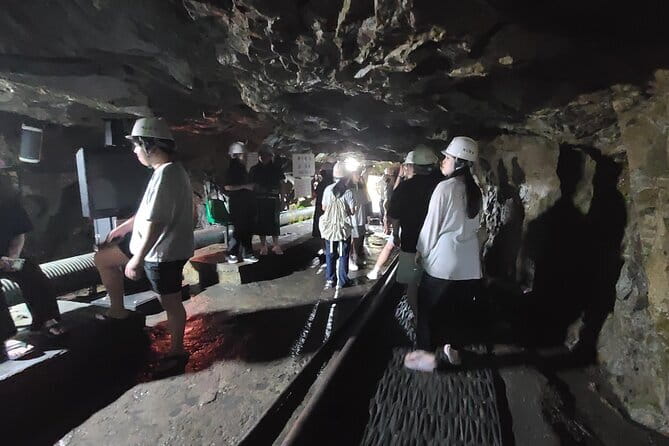
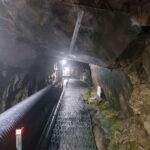
The 2nd Tunnel is one of the most memorable parts of this tour because it gives you a physical sense of the Cold War threat underneath the headlines. You’re going to a tunnel discovered on March 24, 1975, and the story starts with reports from two soldiers during sentry duty on November 20, 1973. They reportedly heard explosions, which led to excavation.
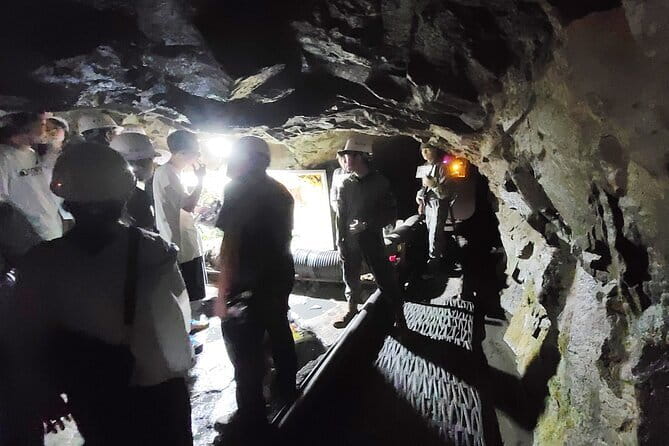
The tour frames the 2nd Tunnel as bigger than the 3rd Tunnel: it’s described as twice longer and deeper. And unlike a lot of history sites where you mostly look from the outside, this one lets you actually go in. The practical limit is about 300 meters away from the Military demarcation line, which means you experience the scale without crossing into restricted territory.
What makes this stop valuable for you is not just the tunnel itself, but how it turns abstract tension into something you can picture. When you’re inside, you can understand why this was frightening and strategic. A tunnel isn’t a concept—it’s space, engineering, and intent.
And yes, it’s emotional. The DMZ is about war fears and national division, not a fun diversion. But that heaviness is exactly why many Korean students visit to learn from the past. Done well, the guide’s job is to translate facts into understanding: what the tunnel meant, why the discovery mattered, and how the people living nearby carry that history.
If you’re traveling with kids, this is often where a school-style lesson becomes memorable. The visuals and the “how close is that?” feeling tend to stick better than dates alone.
Cheorwon Peace Observatory: Monorail Relief and the Stories Behind the Viewpoints
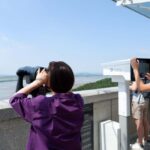
Cheorwon Peace Observatory is where the tour shifts from underground history to a panoramic view of what’s at stake. The big help here is the monorail. Taking it to the top saves your energy before you start observing the different features below.
Once you’re up, the observatory is designed with specific story points in mind. You’ll look at the ecosystem as part of the DMZ’s preserved nature, but you’ll also get guided interpretation of major locations and memories tied to the Korean War.
Key themes you’ll encounter include:
- Battle of Blood Ridge, where 1,250 North Korean soldiers and 1,030 South Korean soldiers sacrificed their lives in a fierce battle
- Kim Il-sung’s high land, connected to the claim that he cried for three days after losing Cheorwon land
- Fortress of Gung-ye Castle town
- Pyeonggang tableland
- A North Korea propaganda town represented in the DMZ
A lot of people think they know what “DMZ history” is. Then you reach an observatory where the landscape itself is treated like an active textbook. You start connecting geography to human decisions. You might also notice how the protected environment changes the mood—quiet survival alongside conflict memory.
This is also where you’ll probably appreciate a good guide the most. The guides associated with this kind of tour—people like Jun and Moon—are praised for sharing history clearly and in a way that lands emotionally. And another guide, Wendy, has been noted for being personable and for making sure you don’t feel like time is wasted. That matters because observatory time can be long if it turns into passive sightseeing. Here, the interpretation is what keeps the views meaningful.
Woljeongri Station: The War-Era Train Wreck Behind the Building
Woljeongri Station is a stop that feels stark because the evidence is physical. Behind the station building, there remains the wreck of a train bombed during the Korean War. The train was used by the North Korean army, and it was bombed by U.N. forces.
This kind of site hits differently than monuments. There’s no need to imagine scale from photos—you’re dealing with remnants. It becomes easier to grasp how the war moved through infrastructure and how quickly ordinary transport became part of conflict.
It’s also a good counterpoint to the tunnel stop. The tunnel story is about covert strategy and discovery. Woljeongri Station is about visible consequence—how military action left a lasting mark that still remains in place.
From a value standpoint, this stop rounds out the emotional arc of the tour. You don’t just learn about plans and battles. You see the aftermath, which is often what makes the history feel real.
Price and What You Get: Admission, Monorail, and a Private Day That Saves Time
The price is $245.29 per person for a day that runs about 8 hours. That number can look high at first glance, especially if you’re comparing against cheaper group trips. But the included items do real work here: you get air-conditioned vehicle, private transportation, bottled water, DMZ admission, and the round-trip monorail ticket.
Lunch is the main extra cost, listed at 15,000 KRW per person. In other words, you’re not paying extra for a big chunk of the activity time. You’re paying for access and guided time in places that are tightly managed.
The private format matters more than it sounds. Since this tour keeps you in your own vehicle and doesn’t force bus switching, you’re less likely to spend the day losing minutes to group logistics. That’s a quiet quality-of-life benefit on a long day where every stop has emotional weight.
Booking is also typically done about 11 days in advance on average, which suggests this is a popular option rather than a last-minute-only niche. If you know your travel dates, you’ll save stress by booking sooner rather than later.
Bottom line on value: if you want a calmer, more guided DMZ experience without constant transferring, this price starts to look fair. If you’re trying to minimize cost above all else, you may find cheaper DMZ options—but you’ll likely trade away some comfort and simplicity.

Who This Tour Suits (and Who Might Want to Adjust Expectations)

This tour is a strong fit if you want a structured DMZ experience that teaches as it goes. It’s described as educational for both adults and children, and the reason is practical: the sites themselves are so specific that they support learning with real context, not just storytelling.
You’ll especially enjoy it if you like:
- history that includes exact details (dates, discovery timeline, how far you can go inside)
- viewpoint stops with guided interpretation (Cheorwon Peace Observatory)
- visits where the setting is part of the message (DMZ preservation and ecosystem references)
If you’re someone who prefers light sightseeing only, this may not feel relaxing. The subject matter is heavy, and the tour leans into the emotions many Koreans connect to reunification and division. It’s also a full day with limited food coverage, since lunch is not included.
Should You Book This DMZ 2nd Tunnel and Cheorwon Peace Observatory Tour?

I’d book it if you want the DMZ to feel organized, educational, and emotionally grounded—without extra bus hassle. The included admission + monorail removes a lot of uncertainty, and the vehicle-based entry helps your day stay smooth. The 2nd Tunnel stop, especially the way it limits exploration to about 300 meters from the demarcation line, makes the experience feel concrete rather than abstract.
Skip (or reconsider) if you’re trying to keep costs as low as possible or you hate long structured days. Also, if you don’t handle intense historical topics well, plan for a quieter mindset. This is a meaningful visit, not a casual outing.
If you want a DMZ tour that respects your time and delivers clear, humane context, this one is a solid choice.
FAQ
How long is the tour?
The tour lasts about 8 hours.
What’s included in the price?
The price includes an air-conditioned vehicle, private transportation, bottled water, DMZ admission fees, and a round-trip monorail ticket.
Is lunch included?
No. Lunch is not included and is listed as 15,000 KRW per person.
Do I need to switch into a group bus to enter the DMZ?
No. You register and then visit using your own vehicle, following a lead vehicle in a single-file route.
How far can you go inside the 2nd Tunnel?
Visitors can explore inside the tunnel up to a point about 300 meters from the military demarcation line.
What do you see at the Cheorwon Peace Observatory?
You can take the monorail to the top and observe the ecosystem and several DMZ-related historical/geographic points, including the Blood Ridge battle and other marked areas.
What is at Woljeongri Station?
Behind the station building there is the wreck of a train bombed during the Korean War, used by the North Korean army and bombed by U.N. forces.
What is the cancellation policy?
You can cancel for a full refund if you do so up to 24 hours in advance of the experience start time.