REVIEW · DMZ TOURS
Korea DMZ Private Tour with War Memorial Tour as Service
Book on Viator →Operated by DMZ Tour by Expert · Bookable on Viator
Two Koreas, one border day. This private DMZ tour from Seoul connects the big ideas of division with the exact checkpoints that shape daily life near the border. You’ll follow the route from Imjingak Pyeonghwa Nuri Park to Dora Observatory, then finish at Tongilchon for a closer look at unification efforts.
What I like most is the kind of guide you get. The tour is led by DMZ specialists, including former military veterans and people with family ties as 2nd-generation North Korean, so the history doesn’t stay in textbooks. I also like that it’s truly private, meaning no detours for other pick-ups, so your time stays focused on the border sites.
One key consideration: visibility can be hit-or-miss. Weather, especially fog, can limit what you can see from the observatory, and the day still includes scheduled walking, including inside the tunnel, so plan for some physical effort.
In This Review
- Key highlights you should know before you go
- Entering The DMZ, without the usual detours
- Imjingak Pyeonghwa Nuri Park: Steam, bridge, and memorial markers
- What makes this stop worth your attention
- A small drawback
- The Third Infiltration Tunnel: walking through the plan of attack
- Why this stop hits harder than photos
- What to watch for
- Dora Observatory: Gaesung views depend on the weather
- How to make the best of it anyway
- Tongilchon, or Unification Village: a short stop with big context
- What you should expect
- The guide makes the difference: names like John, Dylan, Julie, Brian, and Chuck
- Why that matters for your experience
- Timing, duration, and what your border day feels like
- Booking timing
- Price and value: $299 per group (up to 3) with admissions included
- A simple value check for you
- What to pack and how to prepare without overthinking it
- Should you book this DMZ private tour?
- FAQ
- How many people are included in the private group?
- Where does this DMZ tour start?
- How long does the tour take?
- Is hotel pickup included?
- What admissions are included?
- Is lunch included?
- What do I do about the required shuttle bus at the start?
- Do I need good physical fitness?
- Is the tour ticket handled electronically?
- Can I cancel for a full refund?
Key highlights you should know before you go
- Private transportation with no extra pick-ups: your group keeps the schedule tight.
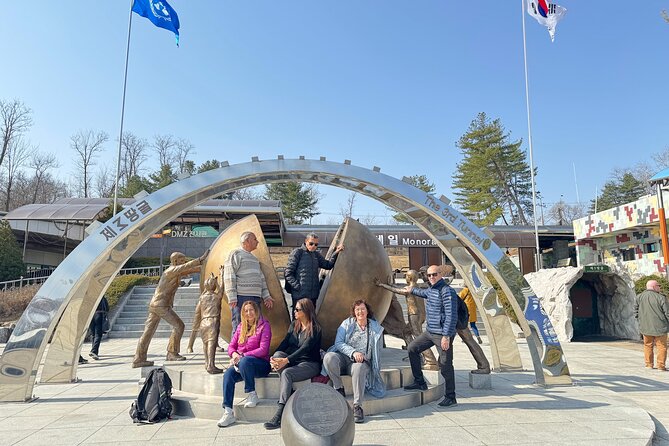
- Imjingak Park stops that mix relics and meaning: Freedom Bridge, a steam locomotive at Jangdan Station, and the 30 Years Lost UNESCO memory.
- Third Infiltration Tunnel (1978) walk + exhibits: video, tunnel walk, and an exhibition hall in one stop.
- Dora Observatory rooftop binocular viewing: you’ll aim at Gaesung, weather permitting.
- Tongilchon in the civilian control zone: a short, rare look at life near the border plus a souvenir shop.
- DMZ shuttle transfer is part of the plan: you’ll switch to a Paju city shuttle per DMZ regulations.
Entering The DMZ, without the usual detours
A good DMZ tour does two things at once: it gets you to the right places, and it helps you understand why those places matter. This one starts near Seoul and runs a full border-day route with major stops planned back-to-back, so you’re not stuck wondering what to do next.
The private format is the main practical advantage. Your group is picked up, and the tour is set up so you aren’t shuffled into a chain of other pick-ups. That matters because time is tight around DMZ-area procedures, and you’ll feel it in the flow of the day.
You can also read our reviews of more private tours in Seoul

Imjingak Pyeonghwa Nuri Park: Steam, bridge, and memorial markers
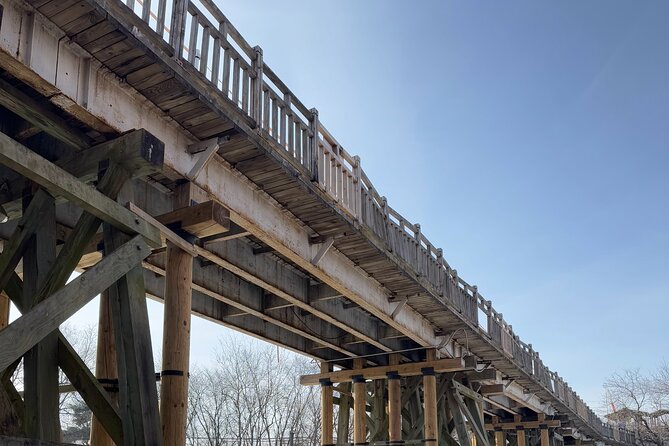
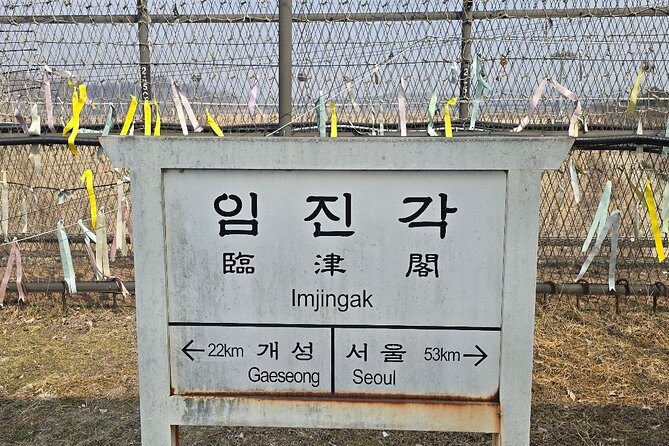
The tour begins at Imjingak Pyeonghwa Nuri Park, a place that works like a front door to the DMZ story. Expect DMZ tour ticketing as part of the morning rhythm, then a run through several specific landmarks rather than one generic viewing area.
Here’s what you’ll see in this first stop:
- The steam locomotive at Jangdan Station
- Freedom Bridge
- 30 Years Lost, tied to UNESCO Memory of the World
- Mangbaedan Alter
This is also where you’ll deal with a small but important logistics step. You need to transfer to a shuttle bus run by Paju city according to DMZ regulations. It’s not complicated, but it does mean this first hour is a mix of sightseeing and procedure, so don’t plan for a slow, leisurely start.
What makes this stop worth your attention
I like the way Imjingak puts different kinds of clues side by side. You get physical remnants (like the locomotive and bridge) plus memorial-style context (like 30 Years Lost and Mangbaedan). The result is a quick but meaningful setup before you go underground and look into the tunnel.
A small drawback
Because you’re starting with ticketing and a required shuttle transfer, you won’t have total control over pacing in the first part of the day. If you prefer ultra-flexible schedules, this tour is still manageable, but you’ll be moving with the plan.
The Third Infiltration Tunnel: walking through the plan of attack
Next comes the heart of many DMZ tours for a reason: the 3rd Infiltration Tunnel, discovered in 1978. Your time here includes a short video about the Korean War, then you actually walk in the tunnel, followed by an exhibition hall to tie it together.




Why this stop hits harder than photos
The tunnel tour isn’t just a viewing stop. The schedule is built around context (the video), then physical experience (the walk), then reinforcement (exhibition hall). That sequence helps you understand the tunnel as both a concrete engineering project and a human attempt to change the border reality.
This is also the part of the day that connects most directly with the tour’s moderate physical fitness note. Even if you’re in good shape, the tunnel walk is still a scheduled activity with some effort, so plan your day accordingly.
What to watch for
The itinerary gives you about one hour for this whole stop, including video and walking. If you’re the type who wants to linger, you’ll need to manage expectations. The tunnel is the main event, and the time is built to keep the overall DMZ sequence running smoothly.
Dora Observatory: Gaesung views depend on the weather
At Dora Observatory, you’ll look toward the North Korean city of Gaesung. You’ll have 45 minutes, plus access to a rooftop area where you can use binoculars to see better.
This is where many people expect the most dramatic payoff, but it’s also where the day can change. One of the clearest pieces of real-world advice from past trips is simple: if the weather turns foggy, the view can be disappointing.
How to make the best of it anyway
Go in ready for the possibility that visibility might be limited. Even when long-distance views are reduced, the observatory setup still helps you connect the geography to what you learned earlier at the tunnel and Imjingak memorial sites.
A private guide helps here too, because they can shift the focus from what you can see to what you can interpret. When the view is blocked, the explanation becomes the show.
Tongilchon, or Unification Village: a short stop with big context
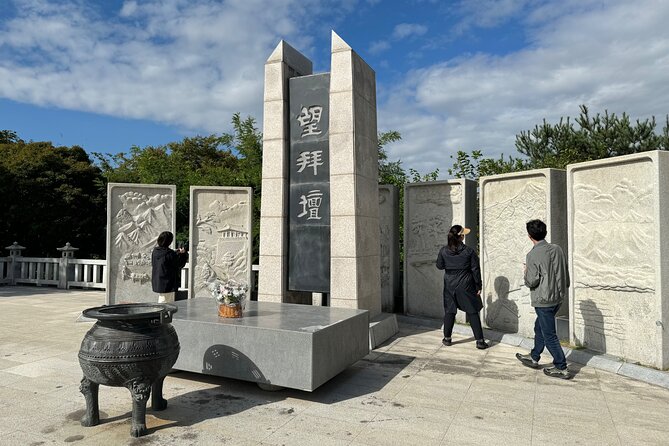
The final listed stop is Tongilchon-gil, also known as Unification Village, located within the Civilian Control Zone. You’ll spend about 15 minutes here, including a DMZ-made souvenir shop.
This is the part of the route that feels quick on the clock, but that isn’t a flaw. The tour ends with a glimpse of life near the border rather than another long sightseeing loop. For me, that makes the day feel complete: history, conflict mechanics, observation from above, then daily-life closeness at the edge.
What you should expect
Don’t plan on this being a full cultural neighborhood experience. It’s a short visit by design, built to fit within the DMZ-area schedule and keep the whole tour within the 6 to 8 hour window.
The guide makes the difference: names like John, Dylan, Julie, Brian, and Chuck
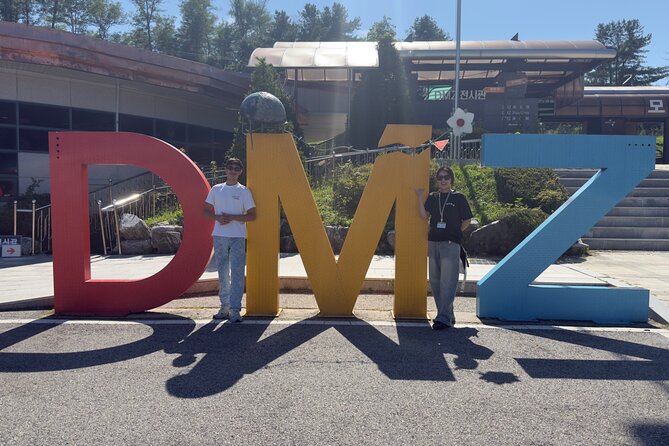
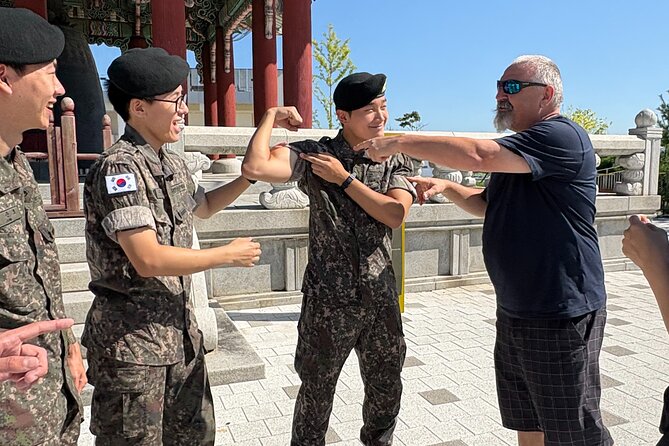
The tour is marketed around expertise, and the guide roster in practice includes people with serious firsthand connections to military life and the DMZ story. In different private groups, guides such as John, Dylan, Julie, Brian, and Chuck have led tours with a mix of military perspective and personal storytelling.
You’ll feel it in how the tour sounds when you’re listening. One guide style is commander-level clarity: the background facts land because the explanation has lived structure. Another style is family-level emotion: you get how the Korean War touches real families, not just uniforms and dates.
Why that matters for your experience
DMZ history is heavy, and it can turn abstract fast. A guide who can connect the route to real roles makes the same landmarks feel more specific. You’re not just seeing places. You’re learning how people thought, planned, and reacted on both sides of the line.
Timing, duration, and what your border day feels like
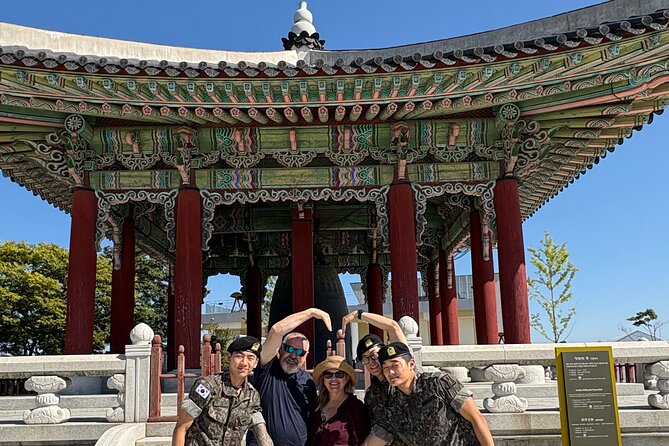
This tour runs about 6 to 8 hours total, depending on timing and day conditions. Stop durations are listed, but the real-world feel includes the transfers, ticketing steps, and the way the DMZ schedule can compress or stretch depending on how things run.
You also get pickup offered, and since it’s private, it’s set up for your group rather than a multi-stop bus route. That helps a lot if you hate the typical travel-day rhythm where you’re waiting for strangers to come back from a restroom break.
Booking timing
It’s commonly booked around 31 days in advance on average, so if your dates are firm, I’d treat it like a plan-ahead activity rather than a last-minute add-on. The private format can also mean your ideal time slot is the thing that sells out first.
Price and value: $299 per group (up to 3) with admissions included
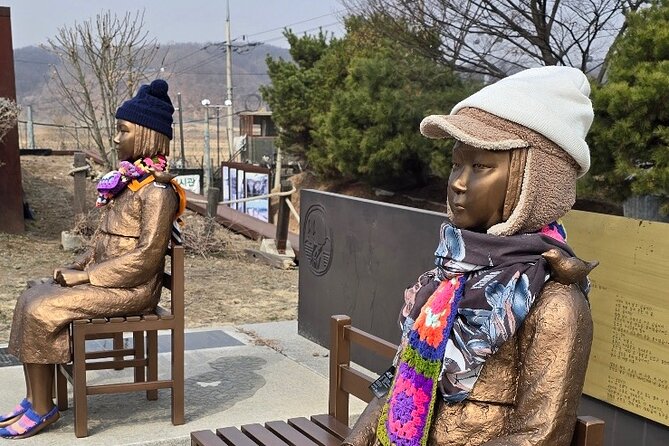
At $299 per group for up to 3, this pricing can be a strong deal if you’re traveling with friends or family. The key detail for value is that it’s not just a guide fee. The tour includes private transportation, English-speaking guide, and admission fees tied to the main stops.
You’ll see admissions listed for:
- Imjingak Pyeonghwa Nuri Park (including the DMZ tour ticketing time)
- The Third Tunnel
- Dora Observatory
Tongilchon’s souvenir shop time is short and the stop itself is listed with a free 15 minutes component.
A simple value check for you
If you travel as a pair, the cost is higher per person than sharing with a trio. But the private format can still be worth it if you care about schedule control and want the guide’s undivided attention for questions.
One more value plus: the tour includes a mobile ticket. That’s a small detail, but it reduces friction when you’re dealing with border-zone procedures where everything needs to be handled cleanly.
What to pack and how to prepare without overthinking it
The tour lists moderate physical fitness as the requirement. That’s your clue to treat this like an active day, not a sit-and-stare museum crawl.
- Wear comfortable shoes for the park grounds and the tunnel walk.
- Expect some indoor time (tunnel area and the tunnel stop’s video/exhibition flow).
- Bring weather-ready clothing because visibility can be affected by conditions, and rain can change the day faster than you’d expect.
One guide in prior tours even helped with a rain situation using an old military raincoat, which tells you the group runs with practical readiness. Still, don’t rely on luck. Bring your own rain layer.
Should you book this DMZ private tour?
Book it if you want a DMZ day that feels focused and taught, not rushed. The private format, expert English-speaking guidance, and the mix of stops—Imjingak memorial elements, the Third Tunnel walk, Dora Observatory binocular viewing, and Tongilchon’s civilian control zone glimpse—create a full border narrative in one go.
Skip it or rethink timing if you’re sensitive to confined spaces from the tunnel walk, or if you’re traveling on a day when forecasts look like fog and low visibility. Dora is a highlight, and the view can soften when weather isn’t cooperating.
FAQ
How many people are included in the private group?
The tour price is per group for up to 3 travelers.
Where does this DMZ tour start?
It starts at Imjingak Pyeonghwa Nuri Park.
How long does the tour take?
The tour runs about 6 to 8 hours.
Is hotel pickup included?
Yes, pickup is offered.
What admissions are included?
Admission fees are included for the main stops: Imjingak Pyeonghoa Nuri Park, the Third Tunnel, and Dora Observatory.
Is lunch included?
No, lunch is not included.
What do I do about the required shuttle bus at the start?
You’ll transfer to a shuttle bus run by Paju city according to DMZ regulations during the Imjingak portion of the tour.
Do I need good physical fitness?
The tour is listed for travelers with a moderate physical fitness level, since the schedule includes walking and the tunnel segment.
Is the tour ticket handled electronically?
Yes, you’ll receive a mobile ticket.
Can I cancel for a full refund?
Yes. You can cancel up to 24 hours in advance for a full refund.