REVIEW · NATIONAL PARKS
Songnisan National Park & Beopjusa Temple UNESCO site Private Tour
Book on Viator →Operated by Outdoors Korea · Bookable on Viator
Songnisan has a way of slowing you down. This private outing pairs Beopjusa Temple (UNESCO) with an eco-focused primeval-forest setting, and the Seoul hotel pick-up means you spend your energy on the views, not directions. I also like that it’s one group only, so you can keep a relaxed pace instead of syncing with strangers.
My second favorite part is the built-in flexibility: you can choose a gentler 2-hour forest trail or go for the tougher climb to Munjangdae. And along the way, guide Kim brings the day to life with practical context on Korea—religion, society, and even a bit of politics—so the temple and the landscape feel connected, not like a checklist.
The one drawback to think about is time and effort. The drive from the Seoul area takes about 2 hours, and the Munjangdae option can take up to 5 hours on foot, so this is better for people who are comfortable walking for part of the day.
In This Review
- Key takeaways before you go
- UNESCO at Beopjusa, without the usual day-trip rush
- Seoul-to-Songnisan drive: manageable, but plan for a full day
- Inside Songnisan National Park: the forest is part of the attraction
- Beopjusa Temple time: UNESCO value + human context
- Forest trail vs. Munjangdae hike: choose your adventure level
- The 2-hour trail option
- The Munjangdae option (up to 5 hours)
- Lunch support: simple, but it keeps the day flowing
- Private guide Kim: why this feels personal, not packaged
- Price and value: $248 private tour vs. “cheap” alternatives
- What to wear and bring for a day in Songnisan
- Who this tour is best for (and who should skip it)
- Should you book the Songnisan & Beopjusa private tour?
- FAQ
- How long is the Songnisan National Park & Beopjusa Temple private tour?
- Is hotel pickup and drop-off included?
- Is this tour private?
- What hiking options are available in Songnisan National Park?
- Is lunch included?
- Are admission tickets included?
- Can I cancel for a full refund?
Key takeaways before you go
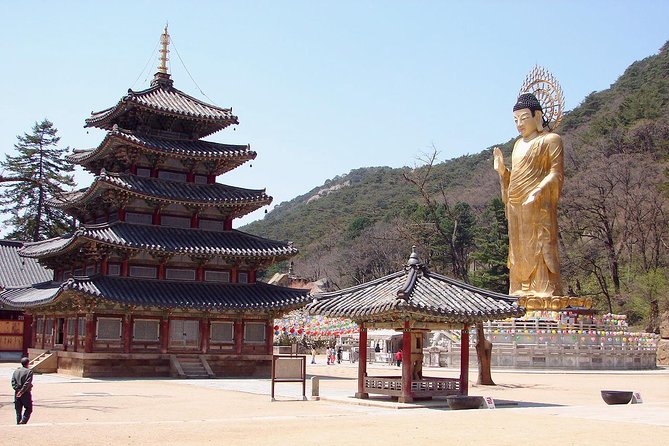
- UNESCO temple time at Beopjusa: You’re visiting one of Korea’s most significant Buddhist temple sites.
- Primeval forest walking choices: Pick a 2-hour trail or a longer hike to Munjangdae.
- Private one-group format: Your schedule stays flexible, not rigid like many bus tours.
- Guide Kim’s context-rich explanations: Religion, society, and culture are tied into what you’re seeing.
- Lunch support included: You’ll have a lunch box option or traditional Korean food for late lunch.
UNESCO at Beopjusa, without the usual day-trip rush
If you’ve ever done a “temple day” where you’re constantly checking your watch, this tour feels different. The day is structured around Songnisan National Park and Beopjusa Temple, but the pacing is yours. You’re not trying to hit ten stops in ten hours. Instead, you’re given time to actually look—at the temple setting, the forest atmosphere, and the way the site fits into the mountain landscape.
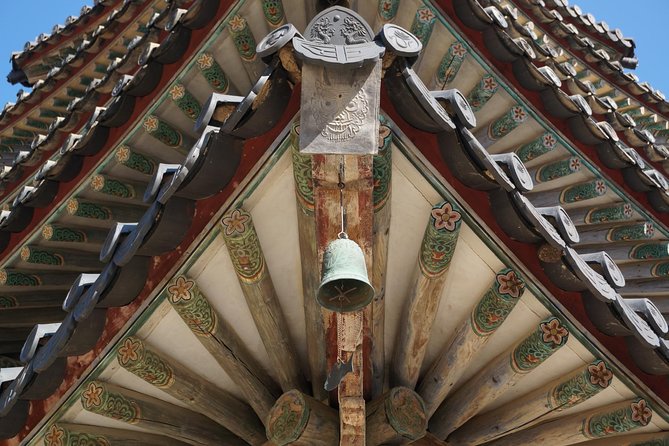
Beopjusa is a UNESCO-listed Buddhist temple, and that matters beyond the stamp. It’s the kind of place where context changes how you experience it. With guide Kim, you’ll hear explanations that connect what you’re seeing to broader cultural and religious themes. That turns photos into something more meaningful—and yes, you’ll still get photos.
One practical bonus: admission ticket is included. That reduces friction on the ground and keeps you moving with fewer interruptions.
You can also read our reviews of more private tours in Seoul

Seoul-to-Songnisan drive: manageable, but plan for a full day
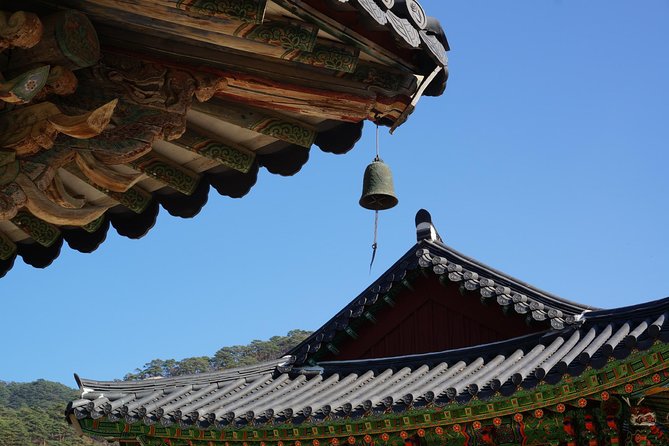
The tour runs about 10 to 12 hours, and the biggest “time cost” is transportation. You’ll be picked up from your Seoul hotel (or nearby Seoul) and the drive takes around 2 hours from the tourist area. That’s long enough that it can feel like you’ve left the city but not long enough to feel miserable—especially if you’re using the ride time for the cultural talk.
I like that this isn’t wasted time. Guide Kim shares useful information during the drive—politics, religion, society, culture, and nature—so you arrive with a better sense of what you’re about to see. It’s a smart way to turn road time into orientation.
If you’re the type who likes to snack and recharge on the road, bring water and a small snack even though lunch is covered later. The schedule includes a late lunch, so a little backup helps if you get hungry before then.
Inside Songnisan National Park: the forest is part of the attraction
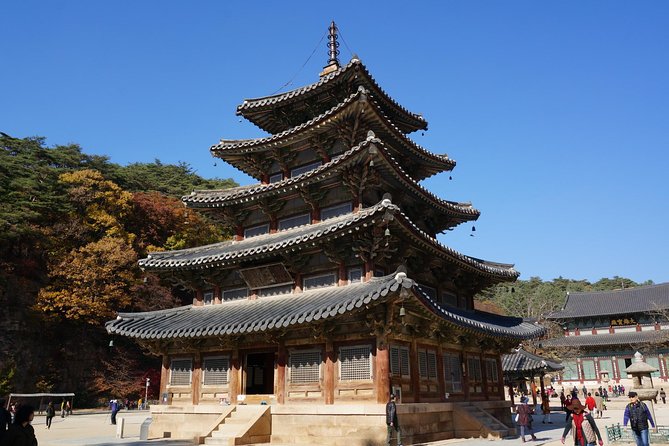
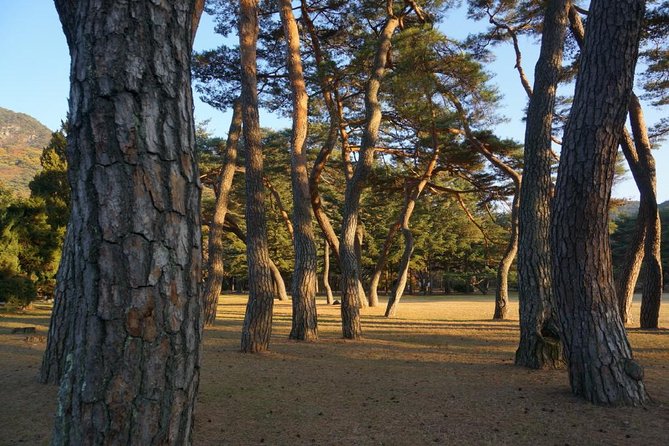
Songnisan National Park is the real stage for this day. Even when you’re focusing on the temple, you’re still surrounded by the sense of an eco-friendly, primeval-forest environment. The park atmosphere isn’t just scenery. It affects the mood and the way the temple landings, pathways, and viewpoints feel.
The tour gives you time that’s not purely “destination-based.” You can build your day around either a comfortable walking plan or a bigger hiking option. That’s a big quality-of-life choice, because it lets you match the park to your energy level that day.
Also, wearing the right gear matters here. The tour explicitly advises comfortable clothes and shoes, and I agree—this isn’t a stroll in fashion sneakers unless you’re lucky with grip and traction.
Beopjusa Temple time: UNESCO value + human context
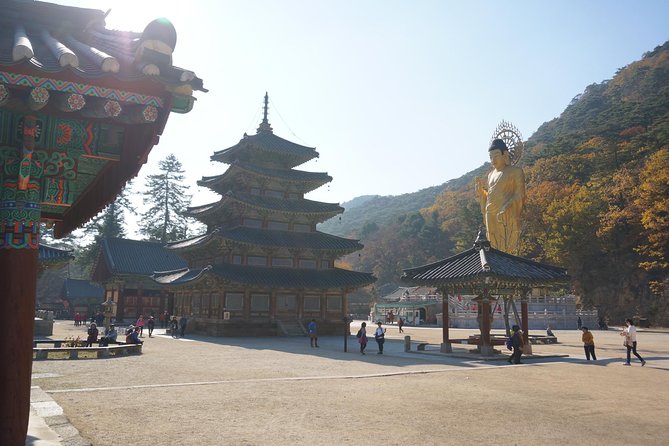
The core of the visit is Beopjusa Temple, inside Songnisan National Park. Since this is a UNESCO site, it’s worth coming in with an open mind rather than treating it like a quick photo stop.
What makes the temple time feel worthwhile is how the day links visuals to meaning. Guide Kim provides explanations about religion and culture while you’re traveling and while you’re at the site. In a place like this, that kind of context changes what you notice: you start looking at how the site is used, how visitors understand it, and why the setting matters.
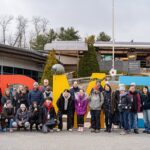
Another practical advantage: the tour is a private one-group format. That means you can move at a pace that fits your attention span, not someone else’s. In one of the standout comments about the tour, people praised guide Kim for being friendly and knowledgeable and for letting them decide how long to spend at each location. That flexibility is real value. It’s the difference between rushing through a place and actually absorbing it.
Forest trail vs. Munjangdae hike: choose your adventure level
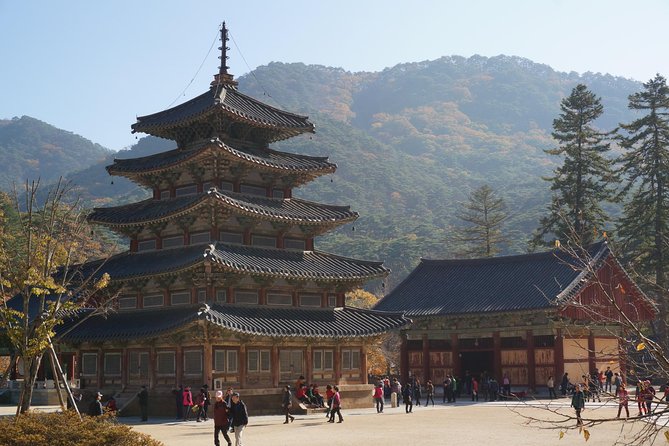
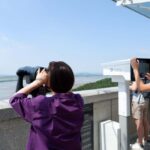
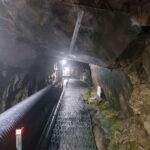
Here’s where this tour gives you a rare and honest decision: you can do a 2-hour comfortable forest trail or hike up to the mountain top called Munjangdae (which takes about 5 hours).



The 2-hour trail option
If you want nature time without a major workout, this is the sweet spot. You’ll still feel like you entered the park—not just passed through it. It’s also a great choice if you want temple time to be your main event and don’t want your legs to be your limiting factor.
The Munjangdae option (up to 5 hours)
This is for you if you like active travel and don’t mind a longer day on foot. A hike that can take 5 hours is substantial. The payoff is the kind of mountain-top satisfaction that makes the earlier walking and the temple setting feel connected rather than separate.
The key consideration is energy management. Because you’re already spending a full day in transit (and the drive is long), choose the hike that matches your stamina. You can’t “power through” a long climb if you’re tired from the ride.
Lunch support: simple, but it keeps the day flowing
The tour includes lunch support: you can get a lunch box or choose traditional Korean cuisine for a late lunch. That matters more than it sounds. In remote park areas, food logistics can derail a day trip. Here, the tour builds lunch into the schedule so you don’t end up hunting for something when you’d rather be walking.
Because it’s a late lunch, I suggest timing your morning expectations accordingly. If you prefer early meals, plan a light breakfast before pick-up and keep water with you. Then lunch becomes a planned reset instead of an unpredictable delay.
Private guide Kim: why this feels personal, not packaged
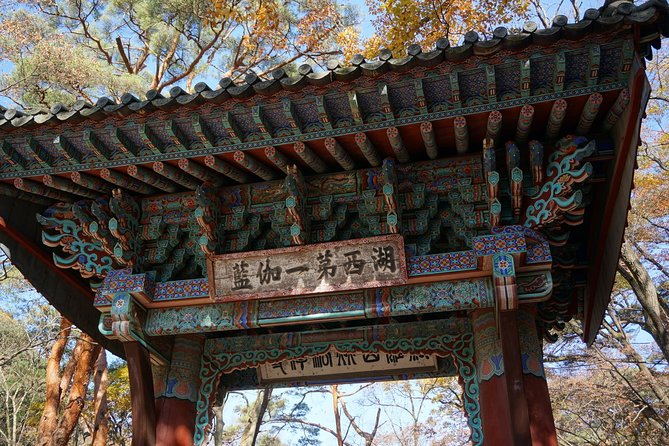
This is a private tour/activity, meaning only your group participates. That changes the whole experience. You’re not fighting crowds at viewpoints, and you’re not stuck waiting for slower walkers in a bus group.
The big reason guide Kim gets praise is not just knowledge—it’s the human pacing. People highlighted that guide Kim lets you determine how much time you spend at each location, which is exactly what you want on a day that mixes hiking, a major temple site, and nature. It turns the day into your itinerary rather than a countdown.
Also, guide Kim’s explanations reportedly cover more than “temple facts.” The ride-time info includes politics, religion, society, culture, and nature. That’s a clever approach: you learn why the place exists in Korea, not just what the place is called.
If you like learning while traveling (and not in a textbook way), this is a strong match.
Price and value: $248 private tour vs. “cheap” alternatives
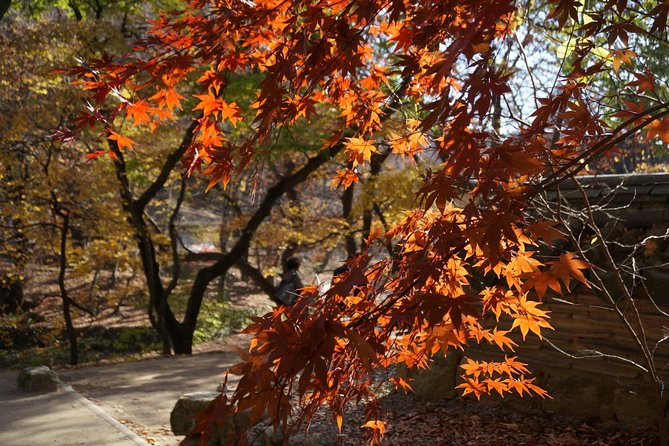
At $248 per person, this isn’t the budget choice. But it’s also not trying to compete with the cheapest group buses. You’re paying for:
- Private one-group transport from your Seoul hotel area
- A guide who provides context-rich commentary during the day
- Admission tickets included
- Time flexibility at locations (not just a fixed “line-walk” schedule)
- Lunch support (lunch box or traditional Korean food)
If you’re traveling with a partner or small group, the private format can feel like the cost is doing real work—especially on a 10–12 hour schedule where you want fewer hassles. If you value guided context and a tailored pace, the price starts to look more reasonable.
If you’re mainly interested in quick photos and minimal walking, you may find other day-trip options cheaper. But you’d be giving up the pacing and explanations that make this tour feel worth the hours.
What to wear and bring for a day in Songnisan
The tour advises comfortable clothes and shoes, and I’d treat that as the bare minimum. For the hike option—especially if you go toward Munjangdae—think in terms of grip, support, and staying comfortable for several hours.
Bring:
- Comfortable walking shoes with decent traction
- A light layer for changing weather in the mountains
- Water, even though lunch is provided later
And mentally plan for a full day. The combination of drive time and optional hiking is the reason this tour works best when you’re not trying to squeeze in evening plans back in Seoul.
Who this tour is best for (and who should skip it)
This experience fits you if you want:
- A UNESCO temple visit tied to cultural context, not just sightseeing
- Nature time with a real choice: short trail or longer hike
- A private format where you can decide how long to linger
- A guide who explains the why behind religion, society, and culture
It may not be the best fit if:
- You dislike hiking or you only want to walk very little for the whole day
- You get uncomfortable with long drive times
- You’re on a tight schedule and can’t spare 10–12 hours
Should you book the Songnisan & Beopjusa private tour?
I’d book it if you want a full, meaningful day around Songnisan National Park and Beopjusa Temple—and you like the idea of choosing between an easier forest walk and a longer Munjangdae hike. The value is strongest when you care about pacing, guidance, and context.
Skip it if you’re aiming for a quick hit with minimal walking. This is built for people who can handle a few hours on foot and a long travel day.
If you do book, my best advice is to pick the hike option honestly based on your energy that day. Guide Kim can help with the flow, but your legs still make the final decision.
FAQ
How long is the Songnisan National Park & Beopjusa Temple private tour?
It runs about 10 to 12 hours.
Is hotel pickup and drop-off included?
Yes. Pickup and drop-off are offered at your hotel in Seoul or nearby Seoul.
Is this tour private?
Yes. It’s a private tour/activity, and only your group participates.
What hiking options are available in Songnisan National Park?
You can choose a 2-hour comfortable forest trail walk, or a longer hike up to the mountain top called Munjangdae (about 5 hours).
Is lunch included?
Yes. You’ll be provided a lunch box or traditional Korean cuisine for late lunch.
Are admission tickets included?
Yes. Admission tickets are included.
Can I cancel for a full refund?
You can cancel up to 24 hours in advance for a full refund. If you cancel less than 24 hours before the start time, the amount paid is not refunded.