REVIEW · DESSERT TOURS
Seoul: Traditional Korean Dessert Workshop with Korean Tea
Book on GetYourGuide →Operated by K-Vibe Studio · Bookable on GetYourGuide
Dasik looks too good to eat. This Seoul workshop turns Korean tea dessert into a hands-on craft session in just 90 minutes. You’ll make pressed sweets, learn what they mean, and sip tea in a calm, traditional-style setting at K-Vibe Studio.
I like the mix of making and tasting: you’re not just watching, you’re shaping dasik while tea sets the pace. I also like the design part—each piece gets decorative patterns tied to meaning, so the finished sweets feel personal and photo-ready.
One thing to consider: this is a short, focused class. If you’re traveling with kids under 6, this workshop isn’t for that age group.
In This Review
- Key things to know before you go
- Why Dasik feels different from normal dessert
- K-Vibe Studio: where the mood stays calm
- The tea tasting that actually improves the dessert
- The dasik workshop: ingredients, patterns, and the art of pressing
- How to get the most out of 90 minutes
- From Joseon-era dessert to modern flavor choices
- The take-home premium box: giftable and easy to pack
- Price and time: how $58 stacks up for a 90-minute class
- Who should book this dasik and tea class in Seoul
- Should you book this Seoul workshop or skip it?
- FAQ
- How long is the Seoul Dasik workshop?
- What dessert will I make?
- Does the class include tea?
- Is the workshop taught in English?
- Where is the meeting point?
- Is the workshop wheelchair accessible?
- Is it suitable for young children?
- Is there free cancellation?
- Can I reserve and pay later?
Key things to know before you go
- Hands-on dasik pressing: You’ll make Korean tea dessert using classic and modern flavors.
- Tea culture built into the class: Expect a calm tea tasting to go with your sweets.
- Meaning behind the patterns: Each piece features designs with special significance.
- Joseon Dynasty roots, today’s flavors: You’ll use ingredients like omija and injeolmi, plus options such as chocolate and pistachio.
- Take-home gift packaging: Your workshop creations come in a premium box.
Why Dasik feels different from normal dessert
If you’ve had Korean sweets before, dasik can still surprise you. It’s traditionally served with tea, and it’s built around natural ingredients like grains and nuts—think soybean and almond. The texture and flavor are meant to pair with tea, not just steal the spotlight.
What makes this class especially fun is the focus on shape and meaning. Dasik is often described as dessert for the eyes, and here you’re making pieces with decorative patterns that carry significance. That changes how you experience the dessert. You’re not only eating something sweet—you’re participating in a small cultural ritual, even in a modern studio.
And it stays grounded in tradition. Dasik has been enjoyed since the Joseon Dynasty, so there’s a real lineage behind what you’re pressing into form. Still, the workshop doesn’t freeze you in time. You’ll work with traditional flavors and also modern ones, like chocolate and pistachio, so your plate feels both Korean and current.
You can also read our reviews of more tours and experiences in Seoul.



K-Vibe Studio: where the mood stays calm
The class meets at 1 Floor, K-Vibe Studio. From a practical point of view, that matters because you can show up, settle in, and focus. No complicated travel, no switching venues, and no long walk between steps.
The room setup is designed for a short workshop flow: tea first, then hands-on making, then packaging. In the feedback from past participants, people consistently point out the welcoming, friendly vibe and the way the session stays well organized. That’s important because dasik is hands-on craft work. When the pacing is right, you spend your time learning instead of fumbling.
It’s also taught in English, and the instructor is clearly used to helping non-Korean speakers follow along. If you want an experience where language isn’t a barrier, that’s a real value here.
The tea tasting that actually improves the dessert
Tea isn’t an add-on in this class. It’s part of the experience. You’ll get a taste of Korean tea culture in a calm, beautiful traditional-style setting, then you’ll make dessert that’s meant to pair with it.
Why this matters: dasik is built around gentle, nutty grain flavors. If you treat it like regular candy, you miss the point. Tea tasting helps you notice balance—how sweetness, toasted notes, and nuttiness can work together instead of competing.
In past sessions, hosts have been described as offering extra tea and dessert along the way. So if you’re the type who likes lingering, you’ll probably appreciate the slower, generous feel. On cold days, expect that the hosts may also bring small comfort touches like hand warmers, since weather can be rough in Seoul and this class happens outdoors only as long as it takes to get to the studio.
The dasik workshop: ingredients, patterns, and the art of pressing
Dasik is made from natural grains and nuts. The class specifically includes this kind of ingredient mix—so you’re not just learning an idea, you’re working with the flavors themselves. The baseline is traditional, using ingredients such as soybean and almond, and the workshop also references common Korean flavors used in dasik like omija and injeolmi.
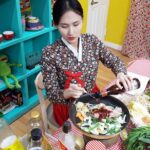
Here’s the craft you’re doing: you’ll create dasik using traditional and modern ingredients. Practically, that means shaping the dessert pieces with attention to detail. Dasik pieces are known for decorative patterns, and the class leans into that. It’s the part that turns a snack into something you want to hold up for a photo.
Also, don’t overlook the cultural meaning. The workshop is built to explain history and meaning behind what you’re making. That includes the patterns on the sweets and the Joseon-era tradition of eating dasik with tea. Even if you only remember a few facts, those details change how you eat.
And yes, the class includes playful modern options too. Ingredients like chocolate and pistachio show up alongside more classic flavor profiles. That gives you a great middle ground: you get tradition, but you also get familiar tastes.
How to get the most out of 90 minutes
Ninety minutes is plenty for a workshop that stays focused. But you’ll enjoy it more if you go in with the right expectations.
First, keep your attention on the process. Dasik looks simple, but getting the pattern right takes care. If you rush for the end result, you might miss the relaxing rhythm that many people describe as almost meditative once you’re in it.
Second, be ready to learn quickly. The class language is English, and the instructor explains steps clearly. Still, dasik is tactile. If you’re trying to read Korean labels or translate every term in your head, it will slow you down. Instead, listen for the key instructions, then follow the motions.
Third, think about sharing. Dasik isn’t only meant for solo eating. It’s usually served in pieces, and the workshop design supports that. If you’re traveling with a friend, you can each pick styles and build a small assortment.
You can also read our reviews of more tours and experiences in Seoul



From Joseon-era dessert to modern flavor choices
The core of the class is the thread between old and new. You’ll work with traditional ingredients and flavors tied to Korean tea dessert culture, then add modern options so your final box feels more like a personal selection.
Traditional side: expect ingredient references like omija and injeolmi, along with the grain-and-nut foundation that defines dasik. That’s the backbone of the flavor, and it’s what makes dasik distinct from other cookies or sweets.
Modern side: chocolate and pistachio are included as modern flavor options. That matters because it helps you make dasik you’ll actually want to eat back home. If you’re the type who worries that traditional desserts will taste too unfamiliar, this is a comfortable compromise that still respects the original format.
And the patterns with meaning? That’s the bridge. Even if your flavors lean modern, you’re still working with the traditional visual language of dasik, which is part of why it’s considered dessert for the eyes.
The take-home premium box: giftable and easy to pack
You don’t leave empty-handed. Your handmade sweets come in a premium box, designed for taking home and gifting.
This is one of the best practical upgrades of the experience. In many food classes, you can end up with a mess in your bag. Here, the packaging is part of the value. It keeps things neat, makes it easier to share later, and gives you a souvenir that isn’t just edible, but also presentable.
If you’re visiting Seoul in a short window, think of the box as a way to keep the workshop going after you leave. You can serve it later with tea, or bring it to someone as a thoughtful edible present.
Price and time: how $58 stacks up for a 90-minute class
The cost is $58 per person for a 90-minute session. That price can look steep if you compare it to grabbing dessert in a cafe. But you’re not paying for dessert alone.
You’re paying for instruction in English, ingredients and materials used to make dasik, tea tasting, and the premium gift packaging. In other words, you’re paying for the full experience package: guidance, craft time, cultural context, and take-home value.
Is it worth it? For most people who enjoy food experiences, the answer is yes—especially because dasik is hands-on and visually rewarding. You’re not just consuming. You’re creating something you can explain later, share sooner, and eat with intention.
If you’re on a tight budget, you could still justify the class if you treat it as one paid activity that replaces a few separate food outings. It’s one structured experience with multiple parts.
Who should book this dasik and tea class in Seoul
This workshop fits best if you like:
- Hands-on food crafts more than passive tastings
- Learning cultural context, not just recipes
- Sharing a small, beautiful edible souvenir
- Tea pairings and gentle flavors rather than super-sugary desserts
It’s also a good wet-weather option because the entire experience centers around the studio session, not outdoor wandering.
One more match check: it’s not suitable for children under 6. If you’re traveling with younger kids, you’ll need a different activity.
On the positive accessibility note, the workshop is wheelchair accessible, which makes it easier for more travelers to enjoy a sit-down class format.
Should you book this Seoul workshop or skip it?
Book it if you want a short, friendly, guided experience that mixes Korean tea culture with real hands-on crafting. Dasik is special because it’s both meaningful and practical: you learn the background, you make the sweets, and you get a premium box to take home.
Skip it if you’re looking for a longer cooking experience or you dislike tactile craft work. Also skip if your group includes children under 6, since the class isn’t suitable for that age range.
If you’re the kind of traveler who likes learning through doing, this is exactly that style of activity—no long day plan required.
FAQ
How long is the Seoul Dasik workshop?
It lasts 90 minutes.
What dessert will I make?
You’ll make dasik, a traditional Korean tea dessert made from natural grains and nuts.
Does the class include tea?
Yes. You’ll have a tea tasting as part of the experience.
Is the workshop taught in English?
Yes, the instructor teaches in English.
Where is the meeting point?
The meeting point is 1 Floor, K-Vibe Studio.
Is the workshop wheelchair accessible?
Yes, it is wheelchair accessible.
Is it suitable for young children?
No. It is not suitable for children under 6 years.
Is there free cancellation?
Yes. You can cancel up to 24 hours in advance for a full refund.
Can I reserve and pay later?
Yes. You can reserve now and pay later.