REVIEW · AUDIO TOURS
Seoul Self-Guided Audio Tour
Book on Viator →Operated by Uvamai Niche Tourism · Bookable on Viator
Sixteen stops, one easy audio day. This self-guided Seoul route pairs palace drama, Buddhist calm, and city views with SoundCloud narration and a clickable map.
What I really like is the flexibility. You can play individual attraction audio or the full 16-stop playlist, and the access links stay valid for up to 6 days. That means you can take your time, repeat what you like, or even stretch the route if your feet need a break.
The main catch is logistics: this is not a timed entry ticket or turn-by-turn walking guide. Also, several big-name stops charge separate admission, so you’ll want to plan for entry fees and check opening hours before you arrive.
In This Review
- Quick take: what makes this Seoul audio tour work
- How the audio guide and Google map work day-of
- Royal Seoul: Gyeongbokgung Palace and Changdeokgung’s Secret Garden
- Bukchon Hanok Village: hanok rules you can spot with your eyes
- Jogyesa and Bongeunsa: two flavors of Korean Buddhism
- Cheonggyecheon stream and Hangang Park: Seoul’s water-based reset
- Dongdaemun Design Plaza and Starfield Library: modern Seoul with personality
- Myeong-dong Cathedral: Gothic revival meets political memory
- Namsan Park and N Seoul Tower: views, feng shui, and love-lock lore
- Art and Korea’s modern history: Leeum, War Memorial, and the National Museum
- Hangang to temples to skyline: Seoul Sky as a high note
- Price and value: paying $9 for stories, not tickets
- Small planning tips that prevent the common annoyances
- Who this Seoul audio tour fits best
- Should you book this Seoul self-guided audio tour?
- FAQ
- How do I access the audio guides on the day of my tour?
- What is the interactive map for?
- When will I get the access links?
- Is the tour guided by someone in person?
- Are admission tickets included?
- Is this tour refundable?
Quick take: what makes this Seoul audio tour work
- SoundCloud audio for 16 attractions (listen per stop or as one playlist)
- Google My Maps points that jump you to the matching audio guide
- A tight 3-hour format with about 10 minutes per stop
- Mix of royal palaces, temples, art, and modern landmarks
- Admission not included at several headline stops, so budget for tickets
- No step-by-step street routing, so keep your navigation app nearby
How the audio guide and Google map work day-of
This is a self-guided experience, so there’s no meeting someone in a jacket and saying, Okay, follow me. Instead, you get two links by email on your selected travel date—one for the audio and one for the interactive map.
Before you start, open the audio link (the guide is hosted on SoundCloud) and click either:
- a single attraction guide, or
- the entire tour playlist, if you want the whole story in order
Then open the map link (Google My Maps). Every location is pinned, and each pin connects directly to its audio guide. The practical benefit is simple: you’re not searching for the right track while you’re standing in front of the building. You just tap the pin, press play, and get the context.
You’ll also want to plan around your own phone habits. Bring a charged device and a pair of headphones you actually like. You’ll get the most out of this when you can listen without fighting noisy street sound.
You can also read our reviews of more guided tours in Seoul

Royal Seoul: Gyeongbokgung Palace and Changdeokgung’s Secret Garden
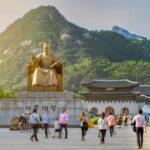
You kick off with Gyeongbokgung Palace, the Joseon Dynasty’s seat of royal power. Expect to hear how the palace’s architecture reflects political authority—then the story turns darker, with its tragic history tied to Korea’s turbulent past. Even with only about 10 minutes here, the audio framing helps you stop seeing this as just pretty stone and start seeing it as an old government machine.
A quick practical note: admission isn’t included for Gyeongbokgung. That means you should factor in the time (and tickets) needed to get inside before your audio window runs out. If you’re trying to do the whole circuit in one go, you’ll likely enjoy the day more if you arrive ready to enter right away.
Next is Changdeokgung Palace, also tied to the Joseon royal world, and a UNESCO World Heritage site. The audio focuses on how the palace blends with nature, and it puts the spotlight on the Secret Garden, which is the kind of feature that makes people remember the place long after they leave.
Same idea as Gyeongbokgung: admission isn’t included here either. So if you want to actually experience the Secret Garden area, don’t treat this as a quick photo stop. Treat it as the kind of place you’ll want to enter without rushing.
Bukchon Hanok Village: hanok rules you can spot with your eyes
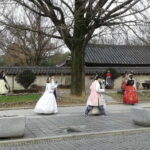
Stop 2 is Bukchon Hanok Village, where you can walk through a living museum of traditional Korean houses called hanok. The guide gives you the basic principles of hanok architecture, which changes the way you look at the neighborhood. Instead of just seeing curved rooftops, you start noticing patterns: the layout, the way structures relate to the space around them, and why the design makes sense for how people lived.
This one is free to enter, and that makes it an easy win in a short tour. You’ll also hear how Bukchon shifted over time into a more popular cultural district—useful context when you see modern cafes and shops wedged into older streets.
If you’re trying to “do everything” in 3 hours, here’s the consideration: Bukchon can feel busy, and it can be easy to walk past details while trying to keep pace. Slow down for one side street. That’s where the hanok architecture feels most human.
Jogyesa and Bongeunsa: two flavors of Korean Buddhism
Two temple stops add real breathing room to the route.
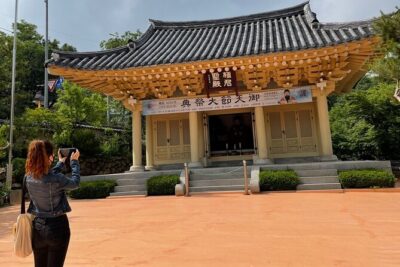
First is Jogyesa Temple, described as the center of Korean Buddhism. The audio helps you understand Buddhist practices and symbolism, so the decor doesn’t look like random ornamentation. Even if you only have around 10 minutes, the context lets you read what you see—objects, spaces, and ritual forms become meaningful instead of just visual.
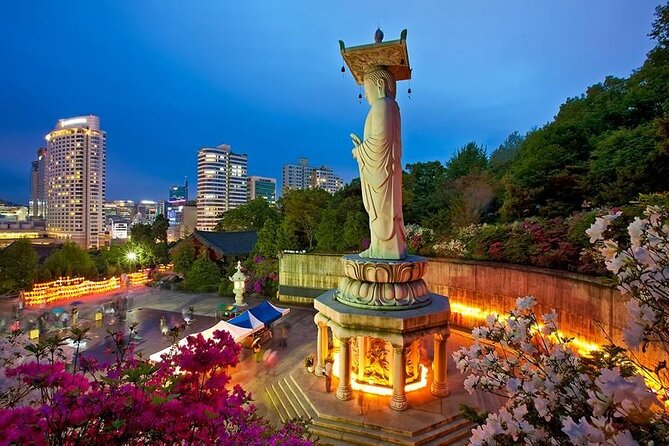
Later you’ll find Bongeunsa Temple in the middle of Seoul’s modern area. It’s introduced as an oasis of calm with a 1,200-year history and an important role in spreading Korean Buddhism. That contrast matters: you go from royal-era stone and neighborhood streets into temple atmosphere that feels like a separate world.
Both Jogyesa and Bongeunsa are free, so they’re great places to catch your breath during a packed day. Just remember: temples are active places. Treat the space with quiet respect and you’ll get more from the audio too.
Cheonggyecheon stream and Hangang Park: Seoul’s water-based reset
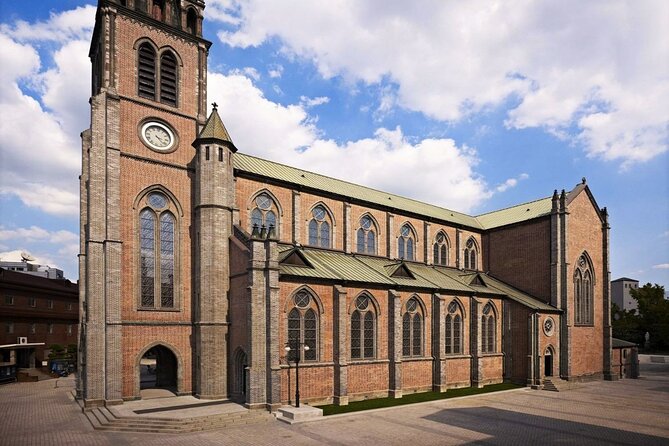
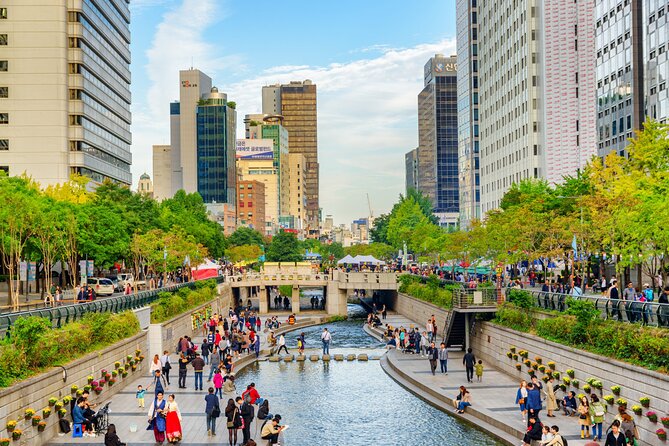
Stop 5 is Cheonggyecheon Stream, and the narration focuses on the transformation from a covered highway into an urban public space. That’s a big theme in Seoul: reclaiming ground that used to be car-first and turning it into a place for walking and gathering. The audio also connects the stream to Seoul’s ecological impact, which makes the stroll feel like more than a cute city scene.
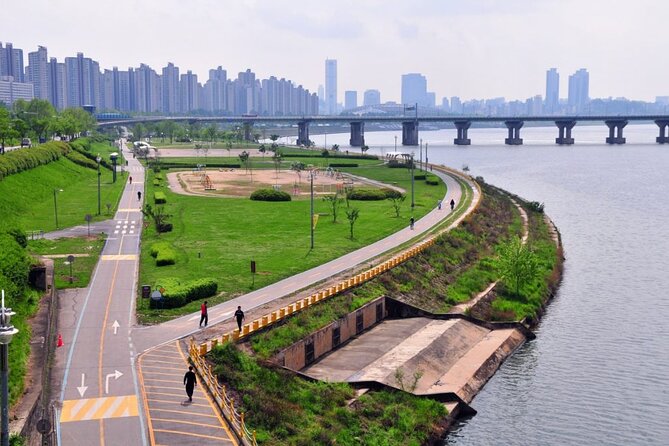
Stop 13 is Hangang Park along the Han River, described as a relaxing break with cultural significance. The guide talks about how the Han River contributed to Seoul’s development, which makes sense when you realize how many major parts of Seoul orbit that river.
Both are free, and this is where the tour earns its keep for people who don’t want to spend the whole day indoors. If your feet get tired from palace steps and uphill viewpoints, these water stops are built-in resets.





Dongdaemun Design Plaza and Starfield Library: modern Seoul with personality
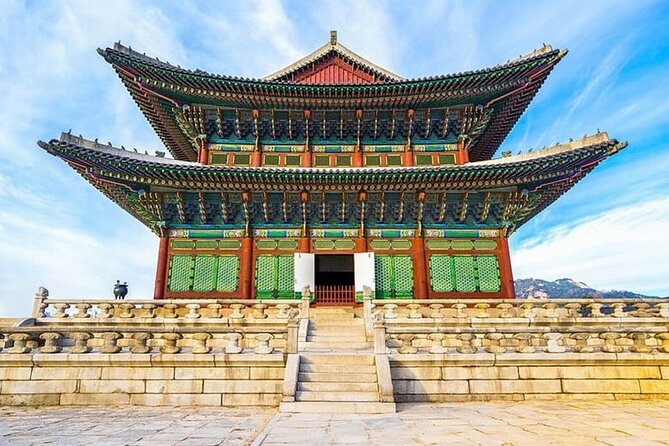
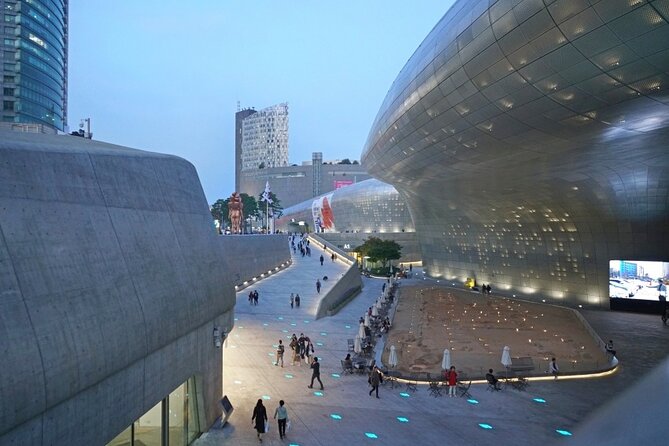
Stop 6 is the Dongdaemun Design Plaza (DDP), a futuristic landmark designed by Zaha Hadid. The audio frames it as a hub for design and fashion and points you toward appreciating the architecture as innovation, not just a landmark for selfies. DDP is free, so you can afford to stand and look for a few extra minutes without worrying about ticket time.
Stop 15 is Starfield Library, the famous public library that blends literature with commerce in a uniquely Korean way. The audio is short here, but the point is clear: this isn’t a quiet-only library. It’s designed for people to meet, browse, and take in a visually striking space.
These two stops are where the day feels most modern. They also help you understand Seoul’s old-and-new mix. You’ll see it at palaces, and then again in buildings that look like they came from a future sketchbook.
Myeong-dong Cathedral: Gothic revival meets political memory
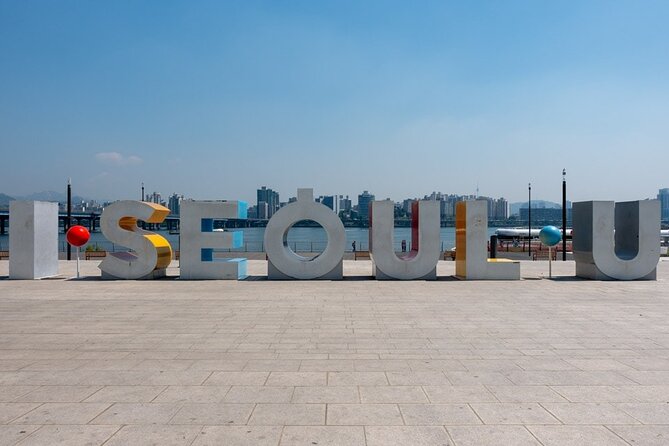
Stop 7 is Myeong-dong Cathedral. The guide highlights its Gothic revival architecture and explains the cathedral’s role in Korea’s democracy movement. That context matters because it changes your mental checklist. You’re not just visiting a church building—you’re also stepping into a site tied to modern political history.
This stop is free, so it’s an efficient way to add meaning to your route without paying more entry fees. If you’re the kind of traveler who likes places with a story behind the stones (and the stained glass), you’ll likely appreciate this one more than you expect.
Namsan Park and N Seoul Tower: views, feng shui, and love-lock lore
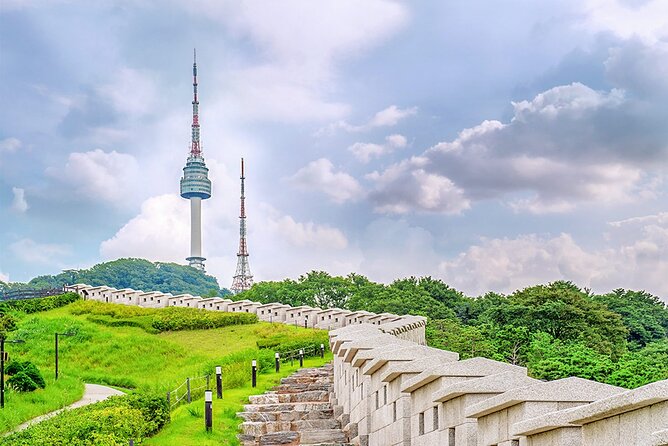
Stop 8 is N Seoul Tower, and the guide encourages you to aim for the panoramic perspective of Seoul. It also covers the tower’s history and the love lock tradition that has made the spot a romantic magnet.
Stop 9 is Namsan Park, Seoul’s central mountain park. The audio introduces its importance in feng shui principles and frames it as a green oasis inside a busy city. Together, these two stops make sense: one gives you the city from above; the other gives you the sense of Seoul’s geography and spiritual thinking on the ground.
Here’s the key practical consideration: N Seoul Tower admission isn’t included. So if you’re pricing out the day, this is one of the larger add-ons. Plan that cost in advance and don’t treat it like a free viewpoint.
If you can, time your tower visit to match your own style—some people want daytime clarity, others want the city lights mood. Either way, the narration will help you connect what you see to Seoul’s growth story.
Art and Korea’s modern history: Leeum, War Memorial, and the National Museum
Stop 10 is Leeum Art Museum, described as world-class with a blend of traditional Korean art and contemporary works. The narration also points out that the museum buildings were designed by renowned architects. This is the stop for art lovers who like architecture as part of the experience—not just what’s behind the glass.
Admission isn’t included for Leeum, so budget for entry if you decide to go in fully. With only about 10 minutes, you’ll get more if you pick a couple areas you care about instead of trying to see everything.
Stop 11 is The War Memorial of Korea, focused on turbulent modern history, including the Korean War and the ongoing impact of the peninsula’s division. It’s free, which makes it a strong value stop, especially if your day’s tickets are already adding up.
Stop 12 is the National Museum of Korea, introduced as a journey across 5,000 years of Korean history and culture. Expect key artifacts that shape Korean identity, from prehistoric times to the modern era. Like Leeum, it’s free—but the tour’s time here is still about 10 minutes. If you like museums, treat this as a guided sampler. Use it to decide what you’d want to return to later.
Hangang to temples to skyline: Seoul Sky as a high note
You end with Seoul Sky, the top of Korea’s tallest building. The audio is centered on the engineering behind a super-tall skyscraper and what that says about Seoul’s rapid urban development. It’s a fitting finale after palaces and temples because it forces you to see the city’s story in one arc: from royal power to modern ambition.
Like the tower viewpoint stop earlier, Seoul Sky admission isn’t included. Plan for that cost and give yourself enough time inside to actually enjoy the views, not just rush through.
Also, even though the tour is designed around about 3 hours, you’re allowed to move at your own speed. The audio links remain available for up to 6 days, which gives you a cushion if you want to split stops across two outings.
Price and value: paying $9 for stories, not tickets
At $9 per person, this tour is priced for travelers who want context without hiring a guide for hours. That works because many stops are free, and even the paid stops only require you to buy the attraction ticket separately.
Think of it like this: you’re paying for narrative guidance across 16 locations—palaces, neighborhoods, temples, museums, and viewpoints. In a day packed with attractions, that kind of audio can save you from spending time hunting for explanations on your own.
The value depends on one thing: which ticketed stops you enter. Admission isn’t included for:
- Gyeongbokgung Palace
- Changdeokgung Palace
- N Seoul Tower
- Leeum Art Museum
- Seoul Sky
If you enter most of these, your total day cost will rise—but the audio still helps you make sense of what you’re spending on.
If you’re selective—say you focus on free temples, streams, and parks and treat the paid viewpoints as optional—you can keep costs low while still getting a satisfying tour arc.
Small planning tips that prevent the common annoyances
Here are the practical things I’d do before you walk out the door.
First, check your email and links early. Access is delivered on your selected date of travel before your starting time. If you set a start time late and forget to check your inbox, you risk arriving at a stop before you have the links. I’d rather you spend 2 minutes checking email than spend 40 minutes trying to troubleshoot at a palace gate.
Second, don’t expect turn-by-turn directions. This is self-guided audio tied to map pins. If you want street-by-street routing, keep Google Maps (or your favorite navigation app) running in parallel. The audio is the story; your map app is the walking instructions.
Third, accept the time format. Around 10 minutes per stop means you’ll get highlights. If you’re hoping for ultra-detailed explanations of every artifact or hall, you might need to extend specific stops after the audio finishes.
Fourth, bring a realistic mindset about tickets and entry times. Since admission is not included for several major attractions, build a little buffer into your day. That way you’re not stressed about lines or entry timing while trying to hit the next pin.
Who this Seoul audio tour fits best
This works best if you:
- want a fast first pass across Seoul without hiring a guide
- like walking and listening at your own pace
- enjoy mixing old palaces and temples with modern design and architecture
- prefer planning your own route while still having story context
It also fits solo travelers and couples well, because the experience is described as private, meaning it’s only for your group. If you’re traveling with friends who move at different speeds, the flexible audio playback can be handy.
Where it may feel less ideal is if you strongly want a guided experience with step-by-step navigation. This tour gives audio and mapping support, but it’s still on you to move between stops.
Should you book this Seoul self-guided audio tour?
I’d book it if you’re trying to cover a lot of Seoul in one outing and you want context that doesn’t depend on reading signage. The combination of 16 locations, a clickable Google My Maps setup, and SoundCloud audio is a practical way to turn a simple route into something you actually remember.
Skip it—or plan differently—if you hate any uncertainty around timing, or if you’re the kind of traveler who needs deep museum-level interpretation in every stop. In that case, you’ll probably want either extra reading time or a longer guided format for the major ticketed sites.
If you do book: set your start time intentionally, check your email before leaving, and decide up front which ticketed attractions you’re truly going to enter. Then let the audio do its job—giving you the story thread from Joseon palaces to a super-tall skyline view.
FAQ
How do I access the audio guides on the day of my tour?
You’ll receive an email with a link to the audio guide hosted on SoundCloud. You can play guides for individual attractions or the full tour playlist.
What is the interactive map for?
You’ll also receive a Google My Maps link. Each attraction is marked on the map, and each point links directly to the matching audio guide.
When will I get the access links?
Confirmation is received at booking, and on your selected date of travel you’ll receive an email containing the two links before your starting time.
Is the tour guided by someone in person?
No. This is a self-guided audio tour. You choose your own starting and ending points around Seoul.
Are admission tickets included?
No. Entry fees are not included for some stops, including Gyeongbokgung Palace, Changdeokgung Palace, N Seoul Tower, Leeum Art Museum, and Seoul Sky. Other stops listed are free.
Is this tour refundable?
No. The experience is non-refundable and cannot be changed for any reason.