REVIEW · HISTORICAL TOURS
Seoul History Tour: Dark Past & Market Street Flavors
Book on GetYourGuide →Operated by TRIPPER · Bookable on GetYourGuide
Seoul’s dark history is paired with snacks. This Seoul History Tour—Dark Past & Market Street Flavors—links Korea’s independence struggle to the everyday food scene you’ll smell from Namdaemun Market. I especially love how the stops cover colonial-era resistance and royal-modern contrast in one day. One drawback to plan for: you’ll cover a moderate walking route and the tour isn’t suitable for wheelchair users.
Two things I’m glad you won’t have to guess at are the guided context at Seodaemun Prison History Hall and the practical payoff at Namdaemun, where you get food tastings instead of wandering hungry. In the recent guides highlighted for this experience, both Janice and Ron are described as especially story-focused and friendly, which helps these heavier topics land in a human way. If you’re sensitive to emotionally heavy sites, Seodaemun is the kind of place that can hit hard—this tour doesn’t water that down.
In This Review
- Key moments worth getting excited about
- Where the tour starts: Dongnimmun to a full day of context
- Seodaemun Prison History Hall: why this stop changes how you see modern Korea
- Dilkusha and Albert Taylor: the international angle you don’t get by accident
- Deoksugung Palace: Korean and Western architecture in the same royal setting
- Seoul City Hall and Sungnyemun Gate: anchors between Joseon and today
- Namdaemun Market: the comfort-food payoff you’ll remember
- Kalguksu Alley: warm bowls that feel like a reset
- Hotteok: sweet, crispy-edged comfort
- Price and value: why $65 works better than it looks
- Who should book this Seoul History Tour (and who should skip)
- Food + history together: the smart connection
- Should you book this Seoul History Tour?
- FAQ
- Where does the tour start and what station is used?
- How much does the tour cost?
- What’s included in the price?
- What food will I try at Namdaemun Market?
- Is the tour okay for people who use a wheelchair?
- Does it run in rain or snow?
- How hard is the walking?
- What language is the tour offered in?
Key moments worth getting excited about
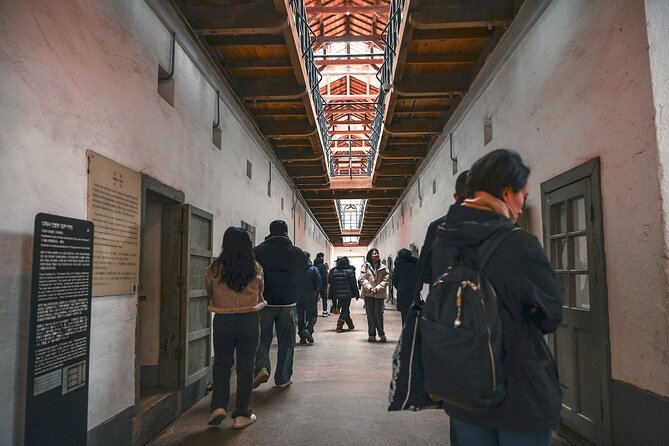
- Seodaemun Prison History Hall: somber cells and execution grounds tied to independence activists during Japanese colonial rule
- Dilkusha: the home of Albert Taylor, an American journalist connected to international support for Korea’s cause
- Deoksugung Palace: a royal setting where Korean and Western architecture mix in one complex
- Sungnyemun Gate (Namdaemun): a 600-year-old national treasure you pass on the way to the market
- Namdaemun Market food trail: warm, comforting bowls of kalguksu and sweet, chewy hotteok
Where the tour starts: Dongnimmun to a full day of context
You begin at Dongnimmun (Independence Gate) Station, Exit 5, and the tour ends back near the same meeting point. That matters because you’re not dealing with a long one-way shuffle across Seoul while carrying the mental weight of the history.
The pace is built for a day that moves: you’ll be on your feet enough that comfortable shoes are non-negotiable. On paper it sounds like a “sightseeing loop,” but in practice it’s more like a guided storyline—prison to palace to neighborhood life. If it’s raining or snowing, the tour still runs, and the route may shift depending on on-site conditions, so keep an eye on any updates shared with you ahead of time (WhatsApp is used 1–2 days prior).
You can also read our reviews of more historical tours in Seoul
Seodaemun Prison History Hall: why this stop changes how you see modern Korea
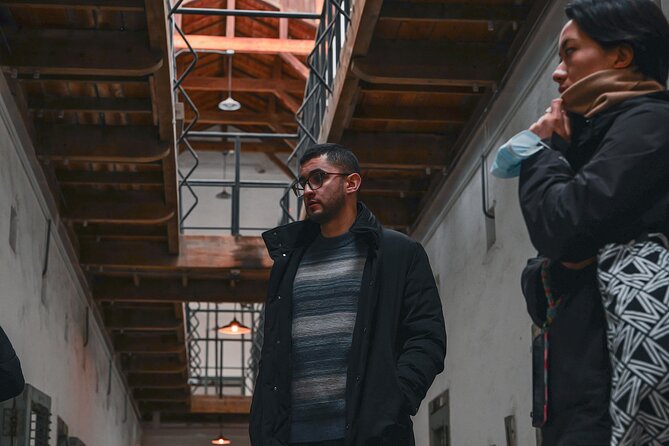
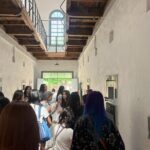
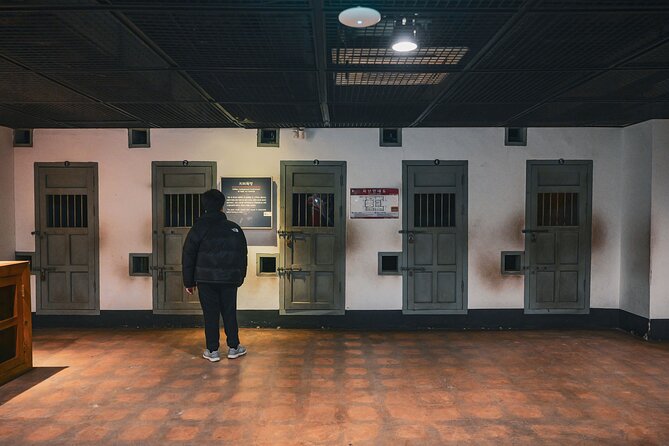
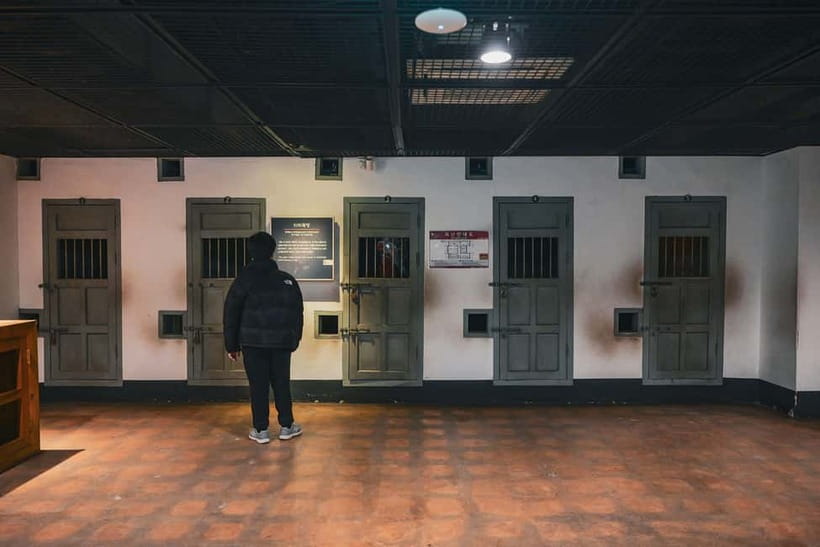
The emotional center of the day is Seodaemun Prison History Hall. This is where Korean independence activists were imprisoned during Japanese colonial rule, and it’s arranged so you can move through the spaces with a sense of how confinement worked and what the consequences were.
Expect to walk through somber cells and also see execution grounds tied to the resistance movement. The guide’s job here is important: without context, a prison museum can feel like a list of dates. With guidance, you get the human stakes—how colonial rule shaped daily life, how resistance took form, and why the legacy still shows up in modern Korea’s identity.
One practical note: if you think you can “power through” heavy sites without feeling it, plan for the opposite. This is the kind of place where you’ll probably slow down and read more than you expected. That’s not a problem; it’s the point.
Dilkusha and Albert Taylor: the international angle you don’t get by accident
Next comes a shift in tone, not because the story is lighter, but because it widens. Dilkusha is tied to Albert Taylor, an American journalist who helped spread awareness of Korea’s independence movement to the world.
You’ll visit Taylor’s home, and the value here is that you’re not only watching history unfold inside Korea—you’re also seeing how international attention mattered. The tour connects that idea directly to Dilkusha as a symbol of resistance and resilience, which helps you understand why “support from abroad” was part of the broader independence story, not just a footnote.
If you like history that explains cause and effect, this is a smart stop. It nudges you to think about media, messaging, and how stories travel—especially when the people involved were fighting for freedom under harsh conditions.
Deoksugung Palace: Korean and Western architecture in the same royal setting
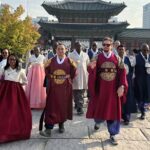
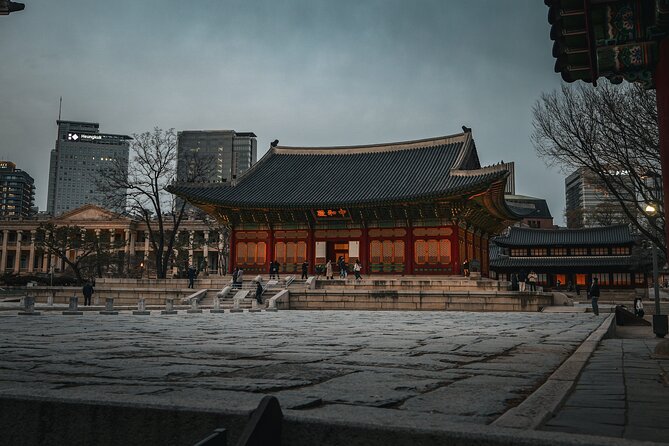
Then you step into Deoksugung Palace, where the main hook is visual. This is one of those places where you can literally see a period of transition: Korean and Western architecture in one royal complex.
The tour highlights how Emperor Gojong—often described as the last emperor of Korea—used the palace as a refuge while he tried to navigate Korea’s path toward modernization. That detail gives the buildings meaning beyond photos. Instead of only seeing ornament and halls, you’re also thinking about what it meant to make decisions under pressure.
The practical benefit for you is that Deoksugung offers variety after Seodaemun. It’s still historical, but your eyes and feet get a change of pace, and the palace sits in the wider urban view of Seoul. You’ll come away feeling like you understand how “old” and “new” didn’t arrive in separate eras—it overlapped.
Seoul City Hall and Sungnyemun Gate: anchors between Joseon and today
From the palace area, you pass Seoul City Hall, described as a symbol of Korea’s transformation from a colonial past to a thriving democracy. It’s not a museum stop where you’ll lose yourself in one building, but it works as a grounding point—history moving forward, not freezing in time.
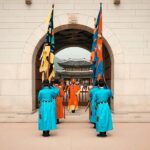
Then there’s Sungnyemun (Namdaemun) Gate, a 600-year-old national treasure and the historic southern entrance from the Joseon Dynasty. This is the kind of stop that’s worth paying attention to because it’s concrete and old in a way that photographs usually fail to show. Standing near gates like this makes you feel the “grid” of a city—where the old world funneled people in and out, and where the modern city still flows around the same landmarks.
You can also read our reviews of more shopping tours in Seoul

Namdaemun Market: the comfort-food payoff you’ll remember
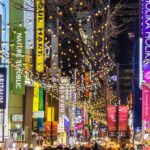
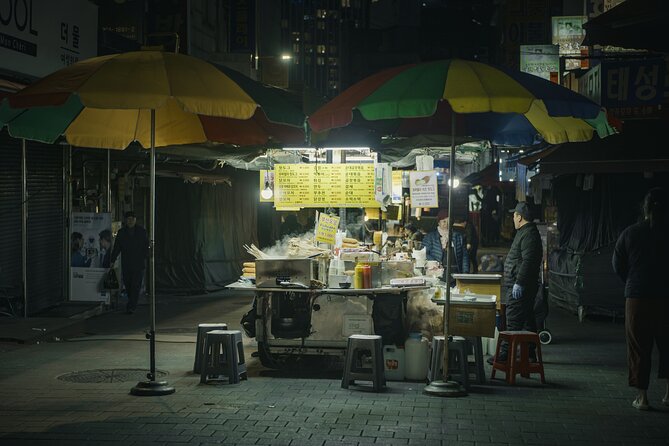
After walking through prison walls and palace halls, the tour’s final energy shifts to something you can taste right away. Namdaemun Market is both Seoul’s largest and oldest traditional market, with vendors selling goods for over 600 years. Even if you’re not a hardcore foodie, this kind of setting is a big part of what makes Seoul feel alive.
The tour focuses on a specific route through the food areas rather than a random roam. That’s why it works for most people: you get guided ordering and you’re steered toward the places where the food is actually worth the time.
Kalguksu Alley: warm bowls that feel like a reset
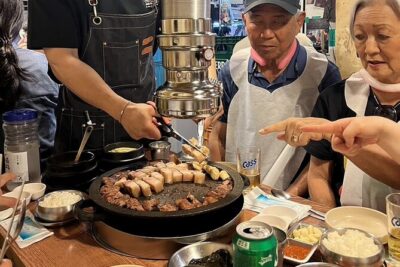
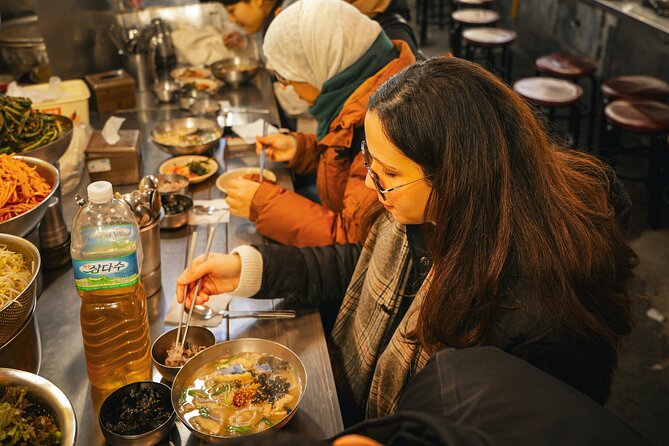
You’ll eat at the famous Kalguksu Alley, where locals gather in small stalls for steaming bowls of handmade knife-cut noodles. The description of those stalls matters: this isn’t a glossy restaurant scene. It’s close-range, quick, and practical—like everyone around you is focused on getting one more bite before the next bowl gets served.
For me, the value is that the history day ends with food that feels humble. Kalguksu is comfort food you can understand instantly, and it’s an ideal match after the heavier content earlier.
Hotteok: sweet, crispy-edged comfort
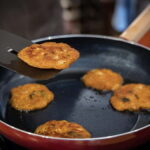
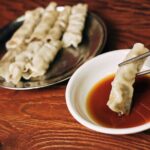
You also get to taste hotteok, a popular street snack. Expect flavors and textures that mix sweetness with heat, usually with a soft interior and a pleasantly crisp exterior. If you like foods you can eat standing or in one or two bites at a time, this fits the market rhythm.
And yes, the “stomach still thanking me” feeling from recent reviews makes sense. This portion is meant to be the reward, and it lands.
Price and value: why $65 works better than it looks
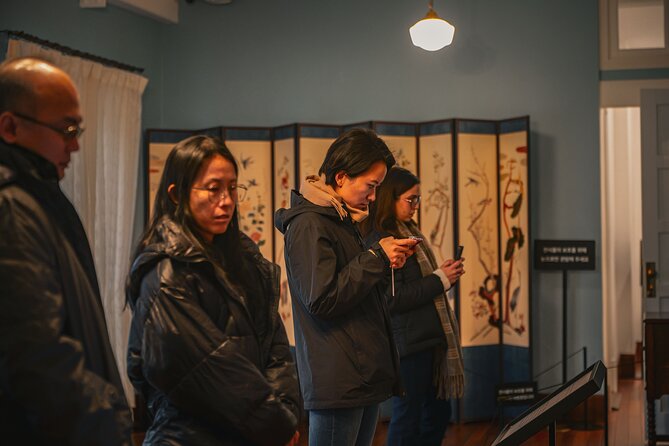
At $65 per person, this tour feels like a “history tour” price at first glance, but the value comes from what’s included.
You get:
- an English-speaking professional guide
- entrance fees
- transportation cost
- food tastings at Namdaemun Market
The best part is that it avoids the common tourist trap: paying for history but then spending your own money later on food, drinks, and entry tickets you didn’t plan for. Here, the market tastings are built into the experience, and that changes how you budget the day.
Also, the tour is described as small-group, which tends to make a difference at sites like Seodaemun. You hear more, you can ask questions, and you’re not just herded past exhibits.
Who should book this Seoul History Tour (and who should skip)
This tour is a strong match if you want:
- modern Korean history explained in a way that connects the dots
- a single day that combines Seodaemun Prison, Dilkusha, Deoksugung Palace, and Namdaemun Market
- food stops that feel local and not staged
Recent feedback puts extra weight on emotional impact plus good guidance. People describe Seodaemun as intense in the best way, Deoksugung as a beautiful old-and-new contrast, and the market food as the practical finale.
Skip it if:
- you need wheelchair access (it’s not suitable for wheelchair users)
- you have altitude sickness concerns (it’s listed as not suitable for people with altitude sickness)
- you want only light, casual sightseeing with no heavy context (Seodaemun is part of the core experience)
Food + history together: the smart connection
The reason this tour feels more coherent than a typical “checklist day” is that it connects two different kinds of memory.
The prison and Dilkusha sections teach you how Korea fought for independence and how that story spread. Then Namdaemun’s food scene shows you something equally important: the daily life that endured and kept going. You’re basically seeing history as both pressure and routine.
That’s why the market feels like more than a snack stop. It’s a closing chapter that reminds you that a country’s story isn’t only told in monuments.
Should you book this Seoul History Tour?
Book it if you want a day where Seodaemun Prison History Hall and Namdaemun Market aren’t separate experiences, but linked ones. The included tastings at the market and the guided historical context at the darker sites make it feel like time and money spent wisely.
Don’t book it if you can’t handle emotionally heavy history or if moderate walking is a problem for you. If you’re comfortable on your feet and open to a serious historical tone—then end your day with hotteok and kalguksu—you’ll likely feel like the tour gave your Seoul trip a clearer backbone.
FAQ
Where does the tour start and what station is used?
The tour starts at Dongnimmun (Independence Gate) Station, Exit 5, and the guide meets you holding a Tripper sign.
How much does the tour cost?
The price is $65 per person.
What’s included in the price?
It includes an English-speaking professional guide, all entrance fees, transportation cost, and food tastings at Namdaemun Market.
What food will I try at Namdaemun Market?
The tour includes tasting kalguksu from the Kalguksu Alley and hotteok as part of the street food experience.
Is the tour okay for people who use a wheelchair?
No. The tour is not suitable for wheelchair users.
Does it run in rain or snow?
Yes. The tour operates as scheduled even in rain or snow, unless it becomes completely impossible to proceed.
How hard is the walking?
The tour involves a moderate amount of walking, so it’s best if you have a reasonable fitness level.
What language is the tour offered in?
The tour is offered in English.