REVIEW · GYEONGBOKGUNG PALACE & HANBOK TOURS
Seoul: Bukchon Village, Gyeongbokgung, Gwangjang Market
Book on GetYourGuide →Operated by VIP Travel · Bookable on GetYourGuide
Three palaces, one market, and a lot to see. I like how the day starts in Bukchon Hanok Village, with its hanok alleys and classic Seoul rooftops, then quickly switches gears to the Royal Guard Changing Ceremony at Gyeongbokgung. Guides such as Alice and Lina tend to make the Joseon-era details feel clear and practical instead of like random dates.
I also love ending at Gwangjang Market, where you can snack through some of the most famous Korean street foods, not just look and walk away. One consideration: on Tuesdays, Gyeongbokgung and the guard ceremony are closed, so the tour swaps in Changdeokgung and Insadong.
In This Review
- Key highlights to watch for
- Getting oriented at Myeongdong: a tour that starts fast
- Bukchon Hanok Village: classic alleys, quick context, great photos
- Gyeongbokgung Palace and the Royal Guard Changing Ceremony
- The Blue House pass-by: quick context, limited views
- Cheongha Korean Ginseng Museum: tea, exhibits, and no pressure
- Gwangjang Market: street food you can actually taste, not just admire
- Tuesday swap: Changdeokgung Palace and Insadong instead
- Price and value: why about $30 works for a short window
- Who should book this tour (and who might skip it)
- Should you book this Seoul half-day tour?
- FAQ
- How long is the Seoul experience?
- Where do I meet, and where does the tour end?
- Is the tour guided in English?
- What happens on Tuesdays?
- Do I have time to shop or buy ginseng?
- Should I bring cash, and are meals included?
Key highlights to watch for
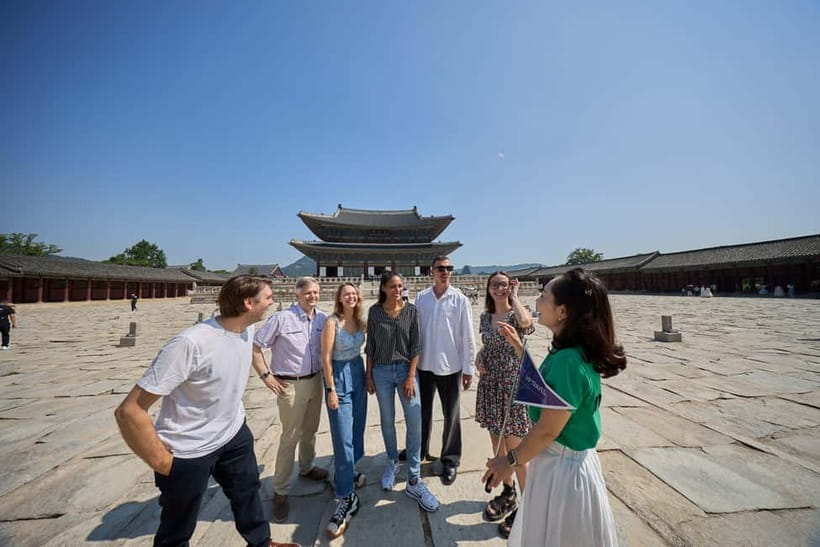
- Bukchon Hanok Village photo stops and guided walking through traditional hanok lanes with city views in the distance
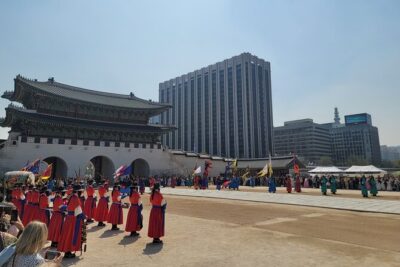
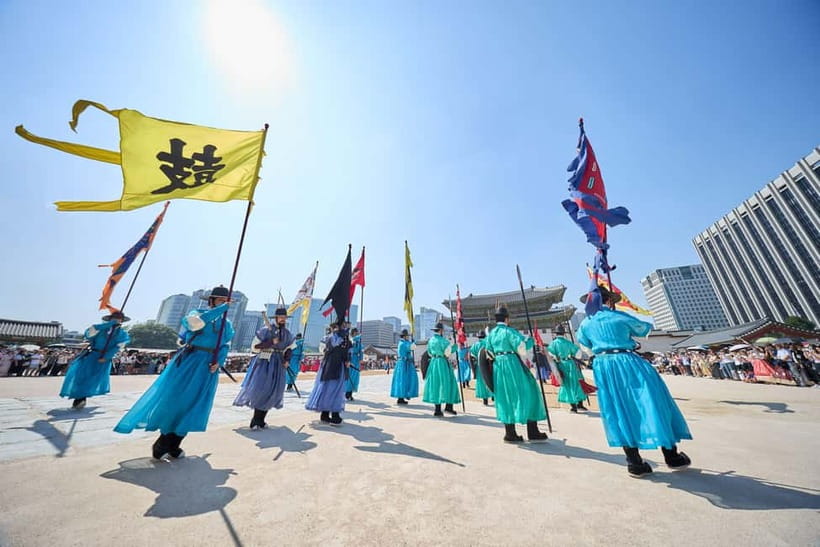
- Royal Guard Changing Ceremony at Gyeongbokgung, with colorful uniforms and precise reenactment of Joseon rituals
- Gyeongbokgung Palace palace-courtyard wandering, plus a lot of context on what you’re seeing
- Cheongha Korean Ginseng Museum herbal tea and a calm, no-pressure explanation of ginseng’s role in Korean wellness
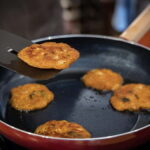
- Gwangjang Market free time to eat and shop, with classic choices like bindaetteok and mayak gimbap
- Tuesday swap to Changdeokgung Palace and Insadong when the main sites are closed
Getting oriented at Myeongdong: a tour that starts fast
This tour is timed for a full, satisfying half-day: 210 minutes (about 3.5 hours) from start to finish. You meet at Myeongdong Subway Station Exit 8, and you end back at Myeongdong for everyone. That round-trip setup is a big part of the value, because it keeps you from wasting time figuring out transit mid-day.
Wear comfortable shoes. The plan includes walking through villages and markets, plus a bit of time outdoors for palace areas. You’ll also want a camera and cash. Cash matters most because you’re given time for browsing and food choices at the market, and you’ll be near places where small purchases happen quickly.
If you’re coming from the airport, I strongly recommend giving yourself extra time. One useful tip from a guide-aware traveler: plan for about 2.5 hours because trains and subway connections can take longer than you expect.
You can also read our reviews of more shopping tours in Seoul
Bukchon Hanok Village: classic alleys, quick context, great photos
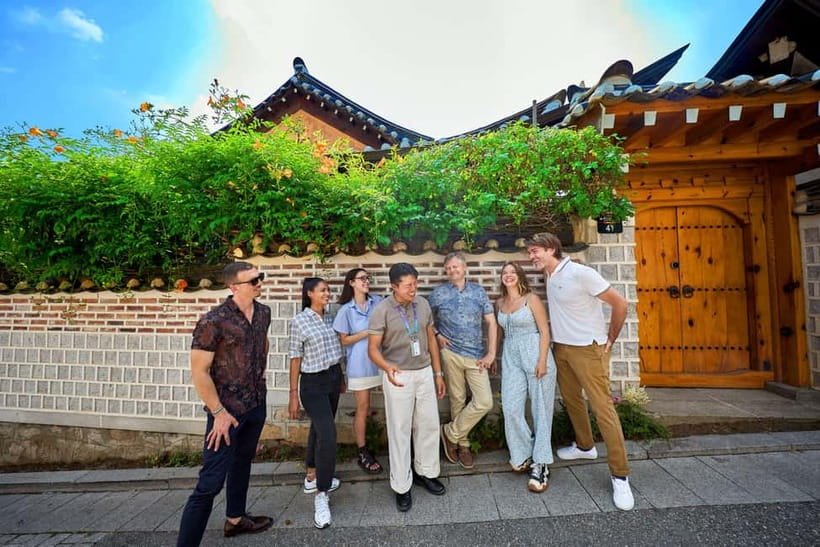
Bukchon Hanok Village is the kind of place where you get it in the first five minutes. You’re between major palace areas, and the neighborhood is made up of traditional Korean houses called hanok. Expect narrow lanes, tiled rooflines, and those postcard angles where old architecture sits right next to the modern city skyline.
What makes this stop work on a short schedule is the mix of photo stop + guided walking. If you’ve only got a morning or a layover window, you don’t want to spend it wandering randomly. A good guide helps you notice what matters: the layout of the alleys, the way the neighborhood connects to palace life, and how people once lived in these spaces.
The main drawback is simple: it’s still a walking neighborhood. If you’re easily tired, go slow at the start so you don’t burn your energy before the ceremony and palace visit.
Gyeongbokgung Palace and the Royal Guard Changing Ceremony
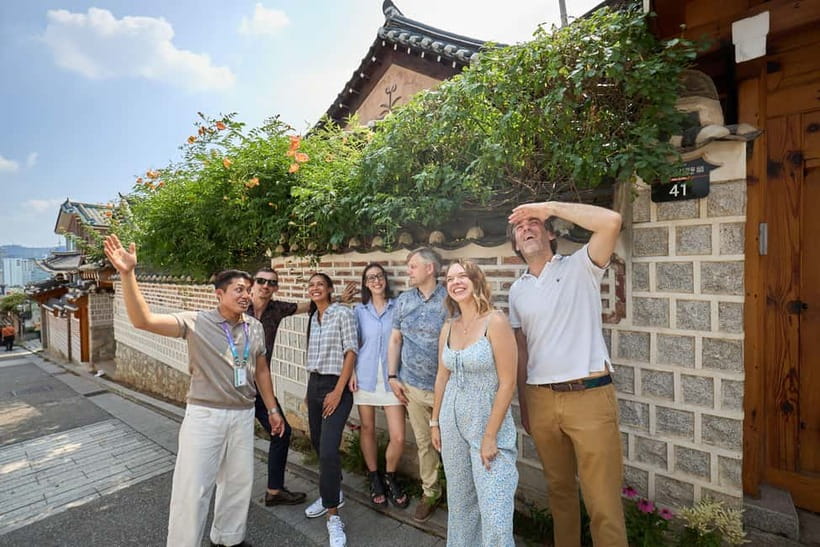
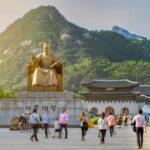
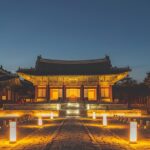
This is the star moment for many first-timers. Gyeongbokgung Palace is the largest and most iconic of Seoul’s grand palaces, and it’s tightly tied to the Joseon Dynasty. The palace area is grand in the ways that matter: gates, open courtyards, and calmer spots like lotus ponds that give your eyes a breather after busy streets.
Then comes the event you came for: the Royal Guard Changing Ceremony. This performance reenacts the royal guard changing rituals from the Joseon era, using traditional uniforms, ceremonial instruments, and a level of precision that makes it feel like choreography, not just a show. If you enjoy historical ceremony details—costumes, formation changes, timing—this is the part you’ll remember later.
A practical tip that came up in real experiences: getting closer and getting a good angle can make the whole ceremony feel better. One traveler noted that their guide helped them secure a front-row view and took photos. So follow your guide’s cues on where to stand and when to reposition your camera.
One important heads-up: on Tuesdays, the Royal Guard Changing Ceremony is closed, so you won’t get this exact show that day. You’ll get an alternate palace and neighborhood instead (more on that below).
The Blue House pass-by: quick context, limited views
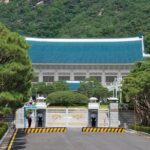
The tour includes a pass-by of Cheongwadae, also known as the Blue House, from the bus. This is one of those stops where expectations should be set correctly. You’re not touring inside, and you don’t get the kind of access you’d have with a full walking visit. But you do get a scenic, time-efficient way to connect today’s Seoul to the country’s recent political history.
If you’re the type who likes to understand what you’re seeing in the city, the bus narration during this quick segment can help you place Cheongwadae in Seoul’s geography.
Cheongha Korean Ginseng Museum: tea, exhibits, and no pressure
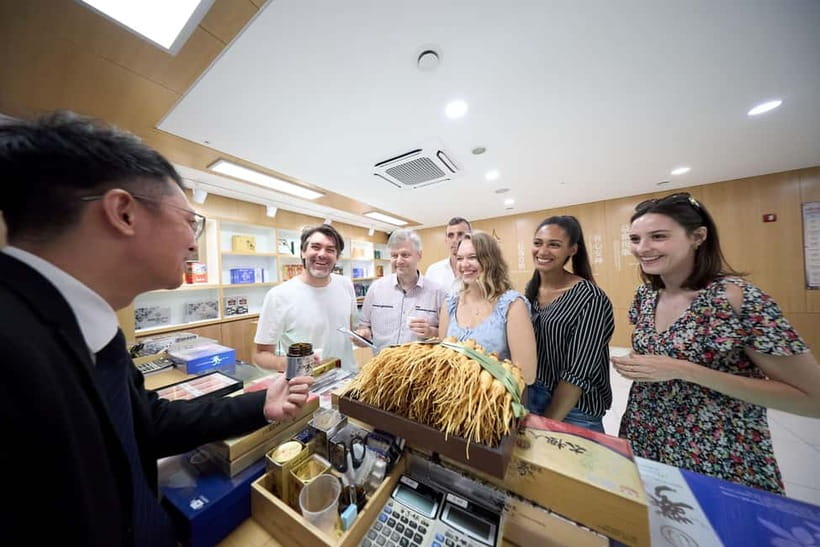
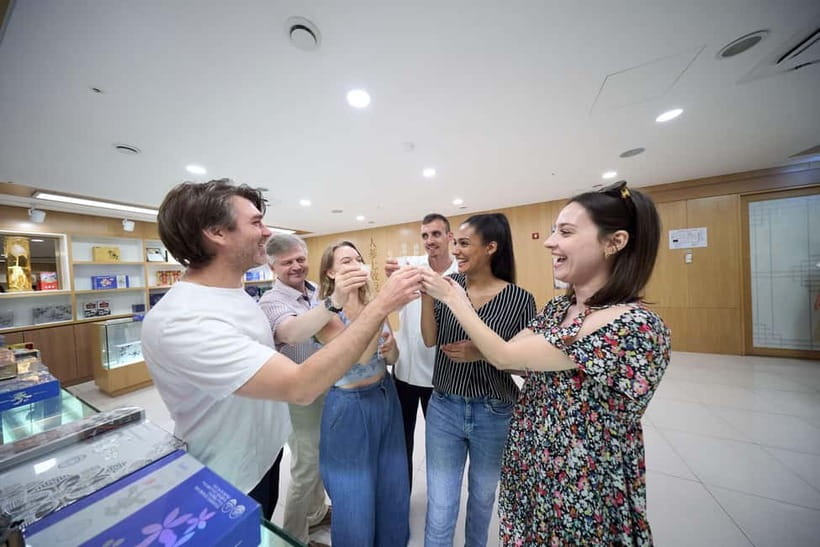
After palaces, you get a calmer break at the Cheongha Korean Ginseng Museum. The tone here is different: less walking, more explanation and time to look around. You’ll enjoy a cup of traditional Korean herbal tea, and you’ll learn about ginseng’s history and cultural importance.
The museum also includes informative exhibits about how ginseng fits into Korean wellness traditions. You’ll have time to browse and there’s shopping available, but there’s an explicit point here: there is absolutely no obligation to buy. Even people who were initially wary about “salesy” museum stops said the history portion was interesting and felt respectful.
This is a good moment to reset. Sit down, drink the tea, and let your brain switch from royal-era logistics to everyday Korean culture.
You can also read our reviews of more tours and experiences in Seoul
Gwangjang Market: street food you can actually taste, not just admire
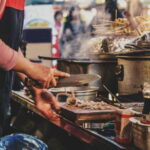
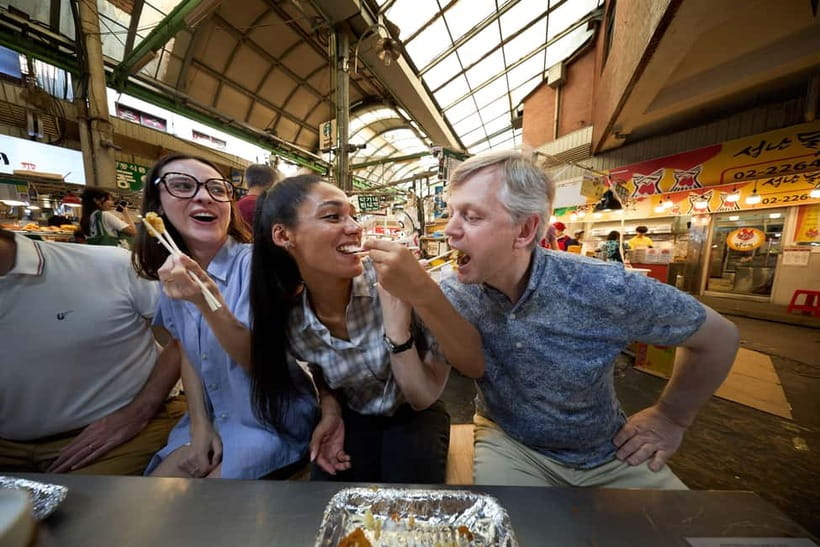
By the time you reach Gwangjang Market, you’ve earned your appetite. This market is one of Seoul’s oldest and best-loved traditional markets, and the energy is easy to feel as soon as you arrive.
Here, you get a blend of guided tour + free time. That’s the smart combo: the guide keeps you pointed toward what’s worth trying, and the free time lets you move at your pace when you’re ready to order.
Food is the headline. Popular picks on this tour include:
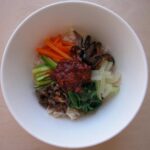
- bindaetteok (mung bean pancakes)
- mayak gimbap (bite-sized, addictive-looking seaweed rolls)
- tteokbokki (spicy rice cakes)
You’ll also have time for shopping. The market is a great place to grab small souvenirs that don’t require planning days in advance. Just remember the basics: go in with cash, keep an eye on what you’re ordering (spice levels vary), and share dishes if you’re with others so you can try more.
One subtle but valuable thing: street food markets teach you how Seoul eats in real life. It’s not a formal restaurant experience—it’s quick, hot, and meant to be eaten right where you stand.
Tuesday swap: Changdeokgung Palace and Insadong instead
If you’re visiting on a Tuesday, the big palaces and the guard ceremony are closed. The tour adapts, and honestly, it can still be a great day—it just changes the vibe.
Instead of Gyeongbokgung and the guard changing show, you’ll visit Changdeokgung Palace, a UNESCO World Heritage Site. Changdeokgung is known for its harmony between buildings and nature, plus its Secret Garden area. If you like quieter palace atmospheres and landscaped calm, this swap can feel like a better match than the more ceremonial focus of Gyeongbokgung.
You’ll also visit Insadong on Tuesdays. This is a cultural district packed with tea houses, antique shops, art galleries, and craft stores. It’s a practical place to pick up thoughtful souvenirs and watch Seoul’s traditional arts scene in action without needing museum tickets for every stop.
So the real decision on Tuesdays becomes personal: do you want the headline ceremony vibe, or do you want a more nature-leaning palace and shopping-focused streets?
Price and value: why about $30 works for a short window
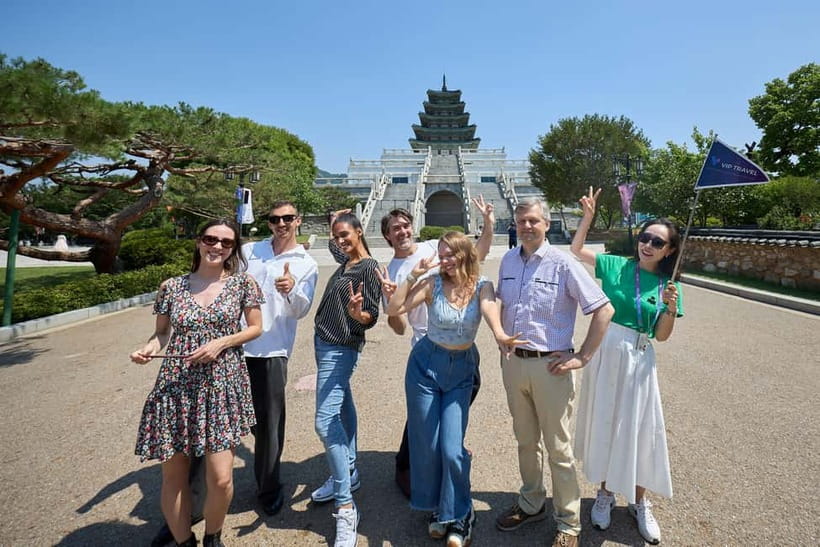
At around $30 per person and 3.5 hours, the value mostly comes from organization. You’re bundling multiple Seoul highlights—traditional neighborhoods, a major palace visit, a ginseng tea museum stop, and market time—without needing to stitch together transit and timing yourself.
This price also isn’t only about ticket access. You’re paying for an English live guide, plus on-the-ground pacing. In a city where lines, schedules, and location differences can chew up your time, a guided route that loops you back to Myeongdong is a real advantage.
If you’re doing Seoul for the first time, or you have a short layover window, this tour style is ideal. One traveler even described using it as an intro and then booking other museums later, which is exactly what a well-timed orientation tour should do: it gives you names, places, and themes to follow up on.
Who should book this tour (and who might skip it)
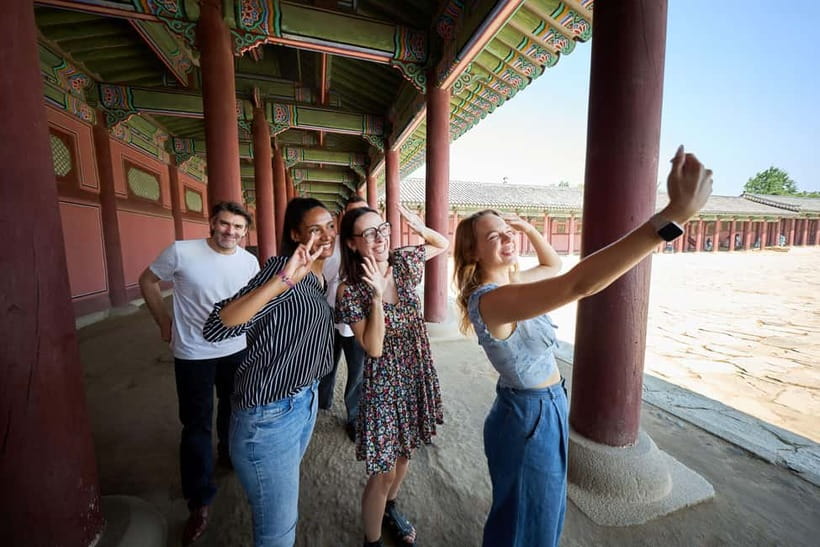
This tour fits best if you want a balanced Seoul sampler:
- First-timers who want major landmarks without a long planning effort
- People who enjoy ceremony and palace context, not just photos
- Food lovers who want a guided path into Gwangjang Market classics
- Travelers who prefer a route that returns to a central hub like Myeongdong
It might feel less ideal if:
- You want lots of slow time in just one place (this is a fast route across several stops)
- You don’t like walking through crowded areas like markets and traditional lanes
- You’re visiting on a Tuesday and strongly want the Gyeongbokgung guard ceremony specifically
Also, if you’re sensitive to any shopping environment, the ginseng stop is still worth noting as a positive: it’s presented as optional, with no purchase pressure. The market stop is different because food choices are part of the experience.
Should you book this Seoul half-day tour?
If your goal is to get your bearings fast and still taste real Seoul—hanok streets, palace ceremony, a ginseng tea break, and classic market food—then yes, it’s a strong pick. The guides highlighted in experiences like Alice, Kelly, Eva, Claire, Judy, Lina, and Alex suggest a consistent focus on clear explanations and keeping the day moving.
Book it if you like structure and want the route to do the heavy lifting. Skip it only if you want to spend half a day deep inside one site without switching locations, or if Tuesday is your visit day and the guard ceremony is your one must-see.
If you want flexibility, the offering includes free cancellation up to 24 hours in advance and a reserve now, pay later style option, which makes it easier to lock in a plan without stress.
FAQ
How long is the Seoul experience?
The total duration is 210 minutes (about 3.5 hours).
Where do I meet, and where does the tour end?
You meet at Myeongdong Subway Station Exit 8, and the tour ends back at Myeongdong Station for all participants.
Is the tour guided in English?
Yes. The tour includes a live English-speaking guide.
What happens on Tuesdays?
On Tuesdays, Gyeongbokgung Palace and the Royal Guard Changing Ceremony are closed. The tour instead visits Changdeokgung Palace and Insadong.
Do I have time to shop or buy ginseng?
Yes. At the ginseng stop, you’ll have time to browse or purchase ginseng products, but there is no obligation to buy.
Should I bring cash, and are meals included?
Bring cash. Meals are not specified, so plan to handle food on your own during the market time if you choose to purchase snacks and drinks.