REVIEW · INCHEON
Incheon Port History Tour by 19th Century Electric Car, KTourTOP10
Book on Viator →Operated by 조은투어 · Bookable on Viator
Incheon Port history can be surprisingly fun on wheels. This 50-minute Incheon Port History Tour uses a 19th-century-style electric car to get you down the Open Port Street area and into the stories behind landmarks like the open-port stairs, Chinatown, and the Jemulpo Club. I like that it’s built for a short visit: you get a focused route, several departures to match your day, and a small group that usually means easier back-and-forth with your guide. I also like that the stops mix old architecture with lived-in culture, from a Jjajangmyeon museum tied to a famous early restaurant site to mural streets based on classic Chinese novels. One possible drawback to plan around: the commentary may be pre-recorded, and English may not always be strong.
Here’s how to make it work for you. This is priced per group (up to 3), so it’s a good deal if you’re traveling as a couple plus one, or with a friend who doesn’t mind sitting together for an hour. You’ll be outside most of the time, and it does require good weather—Incheon can be bright and humid, so bring water and dress light. Also, I’d recommend confirming your start time before you arrive so you don’t get stuck waiting around when your schedule is tight.
In This Review
- Key things to know before you go
- A short ride through Incheon’s open-port world
- Price and timing: when the $45 per group feels fair
- The 19th-century-style electric car: easy fun, but keep expectations realistic
- Stop-by-stop: from the red-brick art platform to the open-port stairs
- Chinatown with named anchors: Euiseon-dang and mural streets
- The Jjajangmyeon Museum stop: food history meets port-era life
- Jemulpo Club: the foreign-resident social scene in a real building
- What the 50 minutes really feels like on the ground
- Who this tour suits best (and who may want another plan)
- Tips to get the most out of it
- Should you book the Incheon Port History Tour?
- FAQ
- FAQ
- How long is the Incheon Port History Tour?
- How much does it cost?
- Where is the meeting point?
- What kind of vehicle is used?
- Does the tour use a mobile ticket?
- What sites will I see during the tour?
- How large are the groups?
- Is the tour offered at multiple times during the day?
- Is there a meal included?
- What weather conditions does the tour require?
- Are service animals allowed?
Key things to know before you go
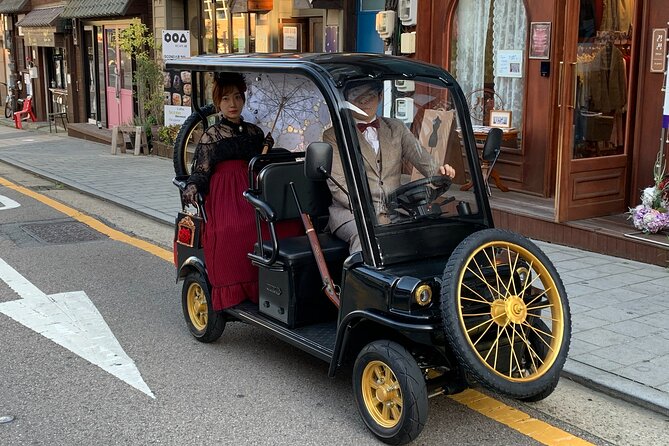
- 19th-century-style electric car: a fun, low-effort way to cover Incheon Open Port sites in one short loop
- Small group size (max 20): better chances to ask questions and hear explanations clearly
- Chinatown + shrine stop: you don’t just pass through; you get named places like Euiseon-dang to anchor the area
- Jjajangmyeon Museum stop: the tour connects port-era presence to Korea’s famous noodles
- Jemulpo Club: a specific building tied to foreign residents and club life, not generic sightseeing
- Mobile ticket: easier day-of check-in if you’re already juggling transit and timing
A short ride through Incheon’s open-port world
This tour is designed like a sampler platter. In about 50 minutes, you move through parts of Incheon tied to the port opening era, when foreign residents, trade, and new communities shaped the city. Instead of trying to cover everything, the route keeps you on an easily understood loop: architecture first, then cultural stops, then a couple of landmark sites that help you picture what life might have looked like back then.
The car matters more than you might think. A small vehicle ride keeps you from turning the day into a logistics puzzle. You’re not walking long distances between scattered points, so you can save your energy for the parts of Incheon you’ll want to explore longer on your own.
You’ll also notice the tour has a “read the street” vibe. Some stops are about buildings and stairways you can actually study. Others are about cultural places you can orient yourself around, like Chinatown corners and themed mural streets.
You can also read our reviews of more tours and experiences in Incheon.

Price and timing: when the $45 per group feels fair
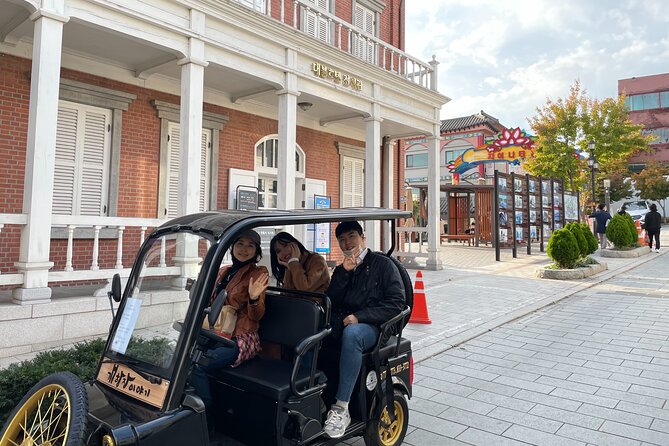
The price is $45 per group, with capacity up to 3 people. That’s the key to the value. If you’re solo, it’s still a straightforward hour-long outing, but the per-person value depends on whether you share that group price. If you’re with two others, this can feel like a smart way to buy time—especially if you’re short on hours between transit connections or airport time.
Timing is another practical piece. The tour is often booked about 38 days in advance on average. You don’t need to panic-book, but if you have a tight schedule (airport hop, cruise day, or a day with multiple plans), it’s smart to lock in a departure time early.
This is also one of those activities where having the right departure matters. Because it’s a short tour, you don’t want to arrive late and miss the first stops—so plan your transit buffer and get to the meeting point with time to spare.
The 19th-century-style electric car: easy fun, but keep expectations realistic
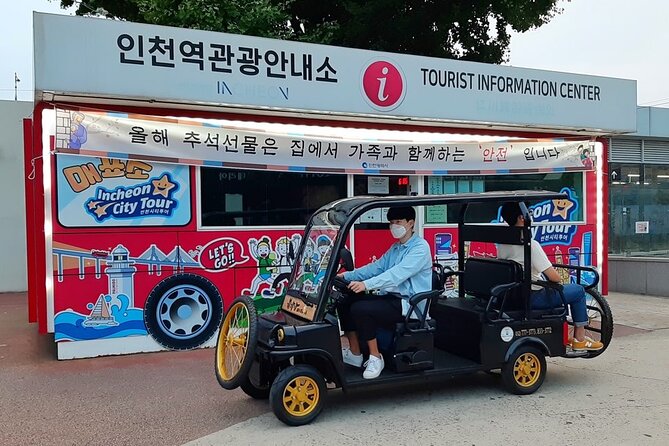
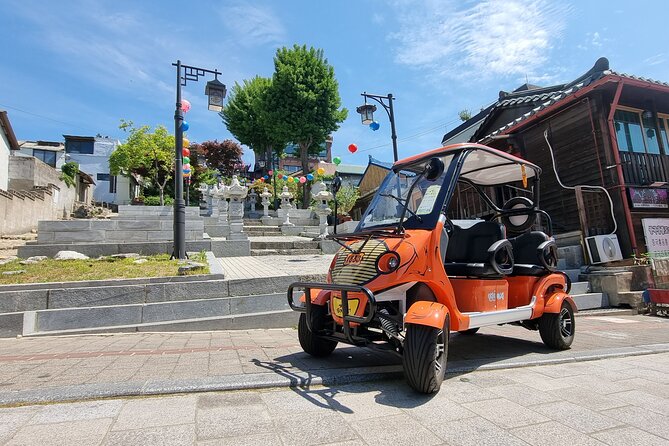
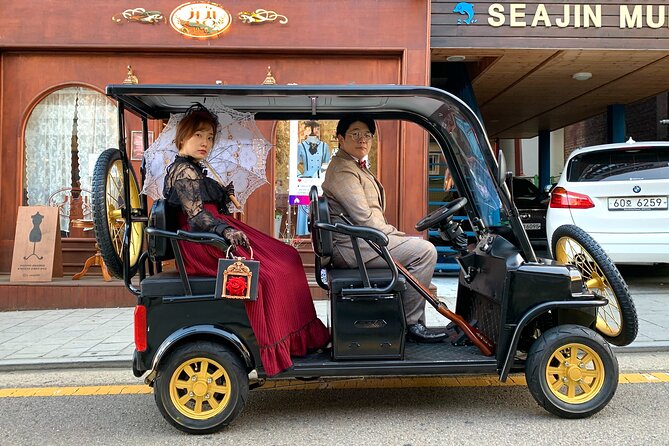
The main transportation is an old-style electric car designed to match the port theme. It’s part of the charm and part of the practicality. It’s quiet, easy, and it keeps the pace manageable for an hour.
Here’s the honest consideration: the tour experience can vary by how narration is handled. Some versions may rely on pre-recorded audio, and there’s a chance the person driving or guiding may not speak much English. That doesn’t mean the tour is useless—it just means you should go in knowing you’ll probably get a highlights explanation rather than a deep conversation about every stop.
If you want to maximize what you get, bring a translate app and have a few quick questions ready in simple terms. Even asking about what a building’s purpose was or why a street is themed can help you turn a short route into a more meaningful walk later.
Stop-by-stop: from the red-brick art platform to the open-port stairs
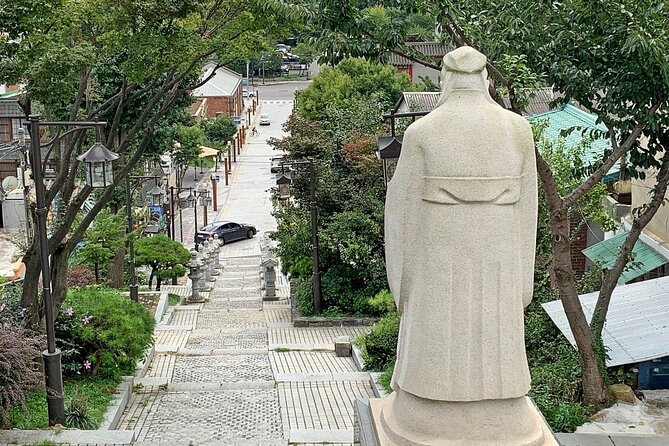
Your route starts at the Incheon Art Platform, a red-brick building that connects the present to the open-port story. The idea here is simple: before you start chasing street-level details, you get a grounding location that frames what the port meant and how that history shows up today. Depending on what’s scheduled, you might find exhibitions or performances, which can make the first stop feel less like a hurried photo stop.
Next comes the stairway area tied to foreign resident and trade zones. This section is built around a split concept—Chinese and Japanese buildings arranged around the steps. You’ll hear the term 조계 (Jogye), which refers to a designated area for foreign residents and trade. This is also linked to Jayu Park, and the stop is paced so you can look out over the Incheon sea area as part of the explanation. For me, that viewpoint angle is a big deal. A lot of open-port history feels abstract until you see the geography it depended on.
Then the tour moves to Haean Catholic Church. It’s described as a church with religious and historical significance, created for devoted Catholics among overseas Chinese in the 1960s. This is a good reminder that port history isn’t only about business and politics—it also includes the communities that formed around shared faith and support networks.
A short tour can sometimes feel like a grab bag. Here, the order helps: you go from port-framing, to architecture and geography, to community life tied to faith.
Chinatown with named anchors: Euiseon-dang and mural streets
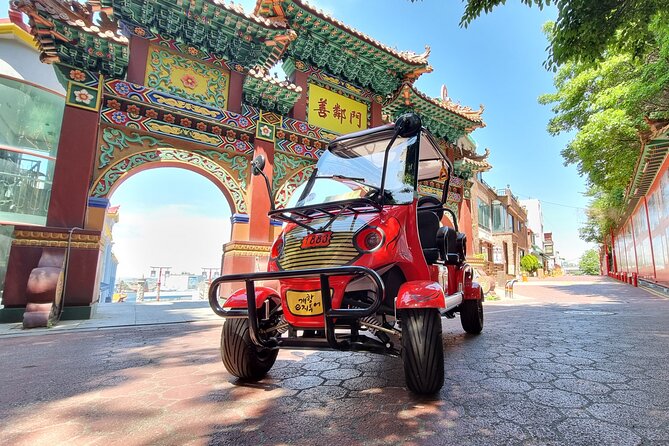
Chinatown on this route is more than a drive-by. One standout stop is Euiseon-dang, a Chinese-style shrine built by Chinese immigrants who left their homeland and sought comfort during loneliness and hardship. Even if you don’t read Korean fluently, the purpose of a shrine makes it easier to connect the symbolism to the human story behind it.
After that, the tour shifts into street-level storytelling with Chohanji Mural Street and Three Kingdoms Mural Street. These are themed murals connected to classic Chinese historical novels—so the street becomes a visual reading experience. If you like pop-culture history, this is a clever way to connect literature traditions to place. It’s also a good moment to slow down, because street murals are the kind of thing you’ll want a couple of minutes for photos and for reading what you can.
One more cultural piece fits in around the open-port-era neighborhood transitions. You’ll hear about how, when Incheon Port opened in 1883, foreigners lived in Songwol-dong, forming rich villages, and how later decades saw youth moving out while seniors remained. The description also mentions the town’s rebirth as Donghwa Village. That’s the kind of narrative detail that turns a neighborhood name into a timeline you can remember.
If you’re the type who enjoys learning how communities shift over time, you’ll likely appreciate this part of the route.



The Jjajangmyeon Museum stop: food history meets port-era life
Yes, it’s a food stop. But it’s not random. The Jjajangmyeon Museum is located on the site where the original early Jjajangmyeon restaurant, Gonghwachun, used to be. The museum focuses on relics connected to Jjajangmyeon and to Gonghwachun itself.
This is valuable because it connects the port era to something you can taste today. Jjajangmyeon is one of the best-known Korean comfort foods, and tying it to a specific old restaurant location gives the story a physical anchor. It’s also a neat reminder that food culture often travels with people—trade routes, migration, and community needs all leave behind flavors.
If you’re hungry later, this stop sets you up with a clear reason to look for a good bowl of jjajangmyeon on your own time. Even if you don’t eat during the tour, you’ll leave thinking about the dish differently.
Jemulpo Club: the foreign-resident social scene in a real building

The tour finishes by stopping at Jemulpo Club, and this is one of the most specific places on the whole route. The building was operated in 1981 as a social club for foreigners living in Incheon. Inside, it includes a social room, a billiard room, and a reading room, with a tennis court outside.
The building history also connects to the Japanese colonial period—there’s mention of 1914 in relation to later use. Even with a short tour, having a defined building with defined rooms makes the past easier to picture. You’re not just hearing that foreigners were here; you’re seeing a place described as a social hub.
If you like architecture, old clubs, and the little corners of history, you’ll probably linger here a touch longer than the time allotted. It’s one of those stops where a photo doesn’t tell the whole story—so listen, then look.
What the 50 minutes really feels like on the ground
This is not a long-form walking tour. It’s a short, mobile tour that strings together a mix of architecture, cultural landmarks, and a couple of narrative neighborhoods. Because the duration is about 50 minutes, you should treat it like a rapid orientation tool.
That said, it can still feel rewarding. The combination of:
- a red-brick framing stop,
- a defined open-port stairway zone,
- a church tied to overseas Chinese Catholics,
- named Chinatown culture points,
- a Jjajangmyeon museum tied to an original restaurant site,
- and a concrete foreign-resident club building
gives you enough anchors to return later and explore deeper on your own.
Who this tour suits best (and who may want another plan)
This tour is a strong fit if you:
- have limited time in Incheon,
- want an easy, themed overview of Open Port area highlights,
- prefer short stops over long walks,
- and like street-level culture like murals and Chinatown details.
It can also work well while waiting for a late flight, since it’s compact and doesn’t require a meal. That convenience matters when your day is already stretched.
It may be less ideal if you want a slow, in-depth guide to each building and each historical detail, or if you strongly need English conversation throughout. If the narration is pre-recorded and the guide’s English is limited, you’ll still get the landmarks, but you may not get the discussion you’re craving.
Also consider this if you’re sensitive to waiting. One common sense move: confirm your exact start time before you arrive, especially if you’re on a tight layover.
Tips to get the most out of it
A few practical ideas can make your hour better:
- Wear light clothes and bring water. You’ll be outside between stops.
- Take your photos early, before the route timing moves you along.
- If English delivery varies, use your phone to translate a couple of key place names you care about.
- Keep your questions simple: purpose of a building, what the term Jogye implies, and why the Chinatown shrine matters.
And if you meet a guide who’s genuinely enthusiastic—there’s even mention of a guide named Soo-nie (spelling may vary) known for patiently explaining the historical parts—that kind of energy can turn a short car tour into a memorable mini lesson. You can benefit from that by asking one or two questions as you go.
Should you book the Incheon Port History Tour?
I think this tour is worth booking if you want a guided overview in one hour with transportation that’s easy and theme-matched. The price per group is a big part of the appeal, and the mix of Open Port stairs, Chinatown anchors, the Jjajangmyeon Museum, and Jemulpo Club gives you several solid “I can remember that place” moments.
Skip it—or at least don’t rely on it as your only plan—if you need an English-heavy explanation for every stop, or if your schedule is so tight that a late start would derail everything. Incheon is a port city, and port plans run on timing. Confirm your departure, then enjoy the ride.
FAQ
FAQ
How long is the Incheon Port History Tour?
It runs for about 50 minutes.
How much does it cost?
The price is $45 per group, up to 3 people.
Where is the meeting point?
The start point is 266 Jemullyang-ro, Jung-gu, Incheon, South Korea.
What kind of vehicle is used?
You travel in a 19th-century-style electric car.
Does the tour use a mobile ticket?
Yes, the tour includes a mobile ticket.
What sites will I see during the tour?
You’ll visit key Incheon Open Port area landmarks including the Incheon Art Platform, open-port stairs area tied to Jogye, Haean Catholic Church, the Jjajangmyeon Museum, Chinatown stops like Euiseon-dang, mural streets, and Jemulpo Club.
How large are the groups?
The tour has a maximum of 20 travelers.
Is the tour offered at multiple times during the day?
Yes, you can choose from several tour times to fit your schedule.
Is there a meal included?
No meal or snack is included.
What weather conditions does the tour require?
It requires good weather. If it’s canceled due to poor weather, you’ll be offered a different date or a full refund.
Are service animals allowed?
Yes, service animals are allowed.
If you tell me your travel dates and whether you’re solo or with a group, I can suggest whether this timing and price will likely make sense for your day in Incheon.