REVIEW · DMZ TOURS
Private Tour: Talk show with N.K. Defector and Short Hiking
Book on Viator →Operated by Dmgspy Tour · Bookable on Viator
A divided peninsula hits differently when you pair big views with real voices. This private 8-hour DMZ-style day gives you over-the-horizon perspectives from Bugak Skyway and Odusan Unification Tower, then grounds it with Korea War exhibits at the War Memorial. I also like the respectful, Q-and-A-style meeting with a North Korean defector after the museum time. One consideration: it’s a full morning-to-afternoon schedule with a short hike, so plan for early starts and some walking.
You’ll move through three very different settings—viewpoints, an observatory built for seeing civilian life in the North, and a museum that walks you through the Korean War from indoor galleries to outdoor scenes. And because it’s private, your guide can adjust the plan when weather turns. The main drawback for some people is the topic itself: you’ll be hearing firsthand experiences about North Korea, so come ready for serious conversation.
In This Review
- Quick hits
- What this private DMZ-style day costs, and why it feels fair
- A morning drive past the Blue House: watching your South Korea filter
- Bugak Skyway: Seoul views plus a spy-route explanation
- The short hike to Bugak’s battle sight: quick legs, heavy context
- Odusan Unification Tower: seeing North farmland and civilian life
- War Memorial of Korea: Korean War from indoor to outdoor, end to end
- Lunch, timing, and keeping the day from feeling rushed
- Meeting a North Korean defector in a coffee shop: why the conversation changes everything
- Your guide matters: what Surag’s flexibility does for the day
- Price and value math: admission included, but the real win is coherence
- Who should book this private tour, and who should skip it
- Should you book this tour? My take
- FAQ
- How long is the tour?
- What time does the tour start?
- Is this a private tour or a shared group?
- Is pickup included?
- What stops are included during the day?
- Is lunch included?
- Are attraction tickets included in the price?
- Is there a meeting with a North Korean defector?
- How much does the tour cost?
- What’s the cancellation policy?
Quick hits
- Private vehicle pickup: you start at 8:00 am and ride in an air-conditioned car with your group only
- Bugak Skyway + short hike: Seoul and Bukhansan views, plus a battle-sight stop and a spy-route explanation
- Odusan Unification Tower views: farmland and civilian perspective from a unique observatory setup
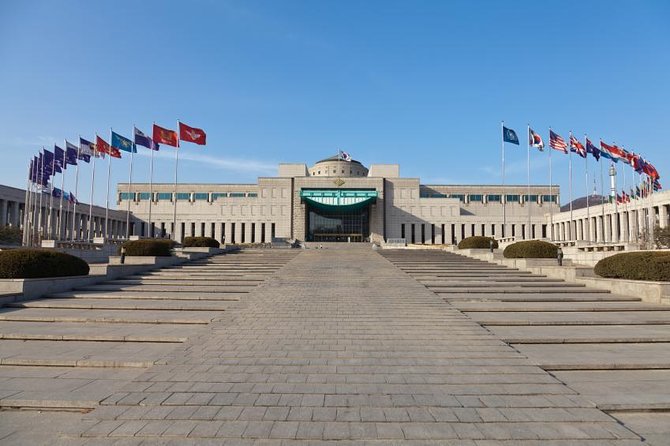
- War Memorial of Korea timing: enough time for indoor and outdoor sections in one continuous flow
- Defector talk in a coffee shop: a direct, respectful conversation after the exhibits
What this private DMZ-style day costs, and why it feels fair

At $180 per person for an 8-hour private tour, you’re paying for more than transportation. You get a dedicated DMZ specialized tour guide, a private air-conditioned vehicle, lunch, and admission coverage for what you visit (and War Memorial entry is free). That matters because the day’s “value” isn’t just the stops—it’s how the guide connects them into one coherent story about division, conflict, and daily life.
This is also booked fairly ahead of time, which tells me it’s in-demand for groups who want a guided, organized day without scrambling. With a private format, you’re not competing for seats, and your pace is less likely to get steamrolled by other people’s priorities.
The other part of the price logic is time. You’re not doing this as scattered DIY sightseeing. You start early, you hit multiple key locations, and you end with an on-the-ground human conversation—something you can’t easily replicate on your own.
You can also read our reviews of more private tours in Seoul


A morning drive past the Blue House: watching your South Korea filter

The day begins with pickup and then a drive that keeps Seoul’s political geography in view. Early on, you’ll pass by the presidential Blue House and get to see the main building where the current South Korean president stays (from the roadside, not as an inside visit). Even if you’ve seen photos before, seeing it in real traffic flow gives you a sense of how close major national symbols sit to everyday city life.
From there, you’re pointed toward viewpoints that are designed to make the Korean Peninsula feel physical. The guide’s job here is to do what your eyes can’t fully do from a distance: translate what you see into the security and human realities behind the divide. In other words, you’re not just riding to a scenic spot—you’re setting up the mental framework for everything after.
If you’re sensitive to tight schedules, note that this is a full-day plan. It starts 8:00 am, and it keeps moving. Wear shoes you can walk in, even if the day is mostly “looking.”
Bugak Skyway: Seoul views plus a spy-route explanation

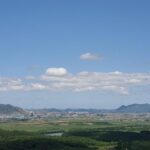
Bugak Skyway is your first major perspective stop. The big draw is the panoramic view: you’ll get sweeping sight lines toward Bukhansan Mountain and the broader Seoul city scene. This is the point where the guide starts explaining how geography matters, including the idea of a North Korea spy route from the area.
That “spy route” talk can be memorable because it connects what looks like simple mountain-and-city scenery to real-world strategy and risk. You’re not learning in a classroom. You’re learning while your eyes are still scanning the horizon.
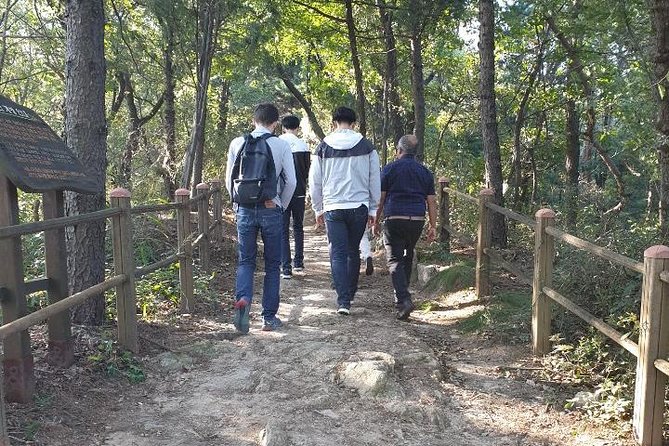
Then comes the short hiking portion. You’ll go up to Bugak Mountain for a battle-sight viewpoint. Expect a moderate effort step in the middle of a sightseeing day. If the weather is humid or rainy, the hike can feel longer than it sounds, so bring a light layer and keep an eye on footing.
A small practical tip: this is the kind of stop where you’ll likely want your camera ready, but don’t block your view while chatting. Let the guide finish the explanation first. The timing of the “look, then understand” moments is the whole point.
The short hike to Bugak’s battle sight: quick legs, heavy context
The hiking segment is brief, but it’s chosen for a reason. You’re moving from a wide viewpoint (Bugak Skyway) to a more specific vantage (Bugak Mountain) to see a battle sight. That shift matters because it changes scale. From the skyway, you get a sense of the whole area. From the hill, you start understanding why particular lines of sight and routes mattered.
For value, this is a smart design: it turns a scenic stop into a historical stop without turning your day into a long endurance hike. Still, your comfort level depends on your tolerance for walking uphill.
I’d plan for:
- closed-toe shoes with decent grip
- a quick snack mindset (since lunch is later)
- weather awareness, because rain can make the trail feel slippery even if it’s short
If you’re traveling with someone who hates hills, tell your guide early. Private touring often means the plan can be adjusted—one review highlighted how the guide adapted the itinerary based on weather. That flexibility is a real advantage on a day with both viewpoints and walking.
Odusan Unification Tower: seeing North farmland and civilian life
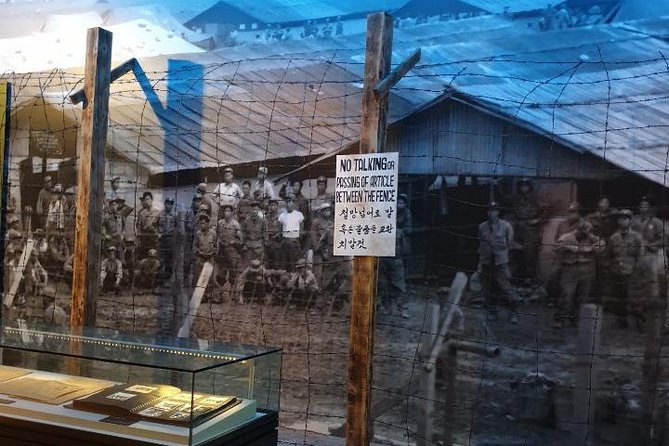
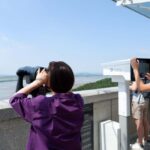
Odusan Unification Tower is the stop that leans hardest into the “present life” angle. It’s described as the only observatory where you can see North Korean farmland and civilians. Even if you’ve read about reunification topics before, the way an observatory is built affects what you notice. This one is designed to focus your eyes on a specific reality in the North, not just vague political symbolism.
You also get education, not just views. On the first floor, there’s a small exhibition hall with a modern-history angle. It helps you place what you’re seeing into a timeline and explain why today’s division still shapes lives.
Then you move up to the third-floor observatory level. Higher vantage points can help you focus on the target view area, and the guide’s job is to make sure you understand what you’re looking at and what you’re not seeing. That’s important because with any observatory, perspective can trick you. A good guide keeps the focus grounded.
A quick drawback: observatory days can be weather-dependent. If visibility is poor, you may still learn a lot inside, but the “see the North farmland and civilians” part can feel less dramatic. If conditions look rough, ask your guide how they plan to handle it. Private touring is where those adjustments matter.
You can also read our reviews of more tours and experiences in Seoul



War Memorial of Korea: Korean War from indoor to outdoor, end to end
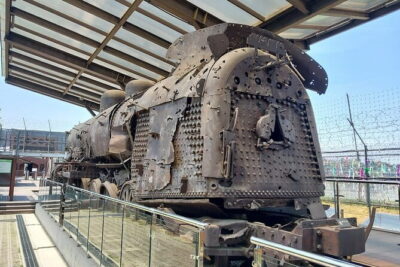
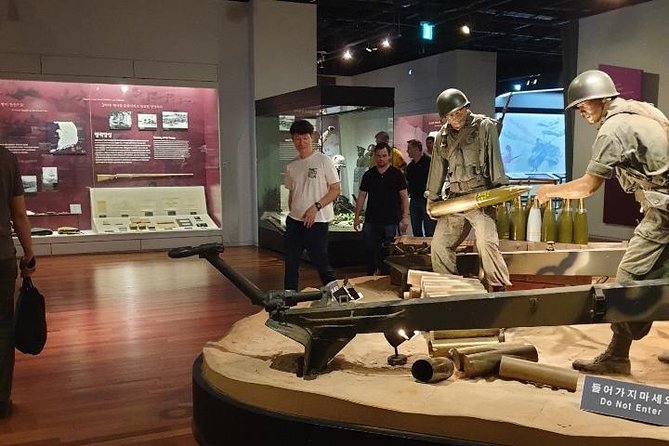
Next you head to the War Memorial of Korea, and this is where the day gains depth. You’ll have about 3 hours here, with both indoor and outdoor sections. The exhibits are presented in a way that lets you experience the Korean War from A to Z, not just a highlight reel.
I like this stop because it provides structure. A DMZ-style day can otherwise feel like it’s all about distant views. The War Memorial makes it about the human timeline: causes, phases, and how the war shaped the division that followed. The outdoor section also helps you connect exhibits with space and scale—something indoor galleries alone can’t do.
It’s also included without extra admission fees, which makes the value easier to justify. You’re not constantly checking price rules mid-day.
Practical advice: give your eyes time. If you rush, you’ll miss the connective explanations that make the museum coherent. If your group likes photos, keep them in bursts. Let the guide point out the key exhibits and then take pictures after the context lands.
Lunch, timing, and keeping the day from feeling rushed
Lunch is included, which is a big deal on a tour like this. With a day that moves between viewpoints and museums, food breaks can either make the schedule humane or make it feel like a sprint.
The provided info doesn’t specify exactly where lunch is served, but in practice, your guide will slot it between the major sites so you can refuel without losing too much momentum. Keep your energy steady, especially because you’ve already done a short hike and you’ll likely walk more inside the War Memorial.
If you want the day to feel smooth, come with:
- a water plan (you can’t control how often you can buy it on the fly)
- a light layer for indoor-outdoor swings
- patience for museum pacing, which can easily run longer than expected if you stop to read everything
The strongest tours don’t rush you. They help you prioritize what matters, and this one is designed to do that.
Meeting a North Korean defector in a coffee shop: why the conversation changes everything
After the War Memorial, you’ll get a chance to meet a North Korean defector, specifically Jae-Pyoung Seo, in a coffee shop setting as part of the program. This is the emotional pivot of the day.
What makes it valuable is the format: a respectful environment and time to ask questions. This isn’t just a photo moment. The point is understanding how life is described from someone who lived through it, and how that experience collides with the broader politics you’ve been studying.
This part can be powerful, but it also has a learning curve. You might find yourself wanting quick, simple answers. That’s not how lived experience usually works. The best approach is to ask questions that focus on everyday life, decision-making, and how people adapt—not only on big headline events.
One review also mentioned a meeting with Ms Jeon as part of the experience. The exact person you meet can vary by timing, but the core promise stays the same: you’re getting a direct, serious conversation after the museum context.
Possible drawback: this is emotionally heavy content. If you’re on a trip that needs to stay cheerful, this won’t be the right fit. If you want understanding, it’s often the most memorable part.
Your guide matters: what Surag’s flexibility does for the day
A big part of why this tour earns top ratings is how the guide runs the day. One review singled out the guide Surag, who picked up promptly and was very informative on the questions the group asked. That may sound like a small detail, but with topics tied to history and the DMZ, your questions can shape what you remember most.
The same review also noted itinerary adjustment due to the weather. That’s a real advantage on a day with both an outdoor viewpoint and a short hike. If it’s raining or visibility is reduced, you want a guide who can reorder the emphasis: more time where visibility or comfort allows, less time where it would frustrate you.
So if you choose this tour, treat it like a conversation, not a checklist. The guide is there to respond, explain, and tailor the flow to what the day allows.
Price and value math: admission included, but the real win is coherence
Here’s how I’d judge value for this one: you’re not buying single-item sightseeing. You’re buying the way the stops connect.
- Bugak Skyway gives the terrain and distance story
- Odusan Tower gives the observatory and civilian-life angle
- War Memorial gives the historical timeline
- The defector meeting adds the human layer
That coherence is hard to DIY without spending time researching, lining up transport, and finding a guide who can keep the day thoughtful.
Also, admissions for visited attractions are covered, and War Memorial entry is free. You still pay the $180, but you’re not blindsided by extra ticket costs.
If you’re the kind of traveler who hates paying for small add-ons and then realizing you’re still missing context, this is the type of tour that can feel like a clean deal.
Who should book this private tour, and who should skip it
This works best for you if:
- you want a guided, private day rather than crowded group touring
- you’re interested in how geography, security, and history connect
- you like museums that explain rather than just display
- you’re open to a respectful conversation with a North Korean defector
It may not be for you if:
- you dislike any hiking, even short ones
- you prefer light, entertainment-first sightseeing
- you know you’re not ready for emotionally serious personal stories
For most people who want a meaningful day in Seoul beyond palaces and shopping, this fits nicely.
Should you book this tour? My take
If you want Seoul sightseeing that has purpose, I’d book it. Bugak Skyway and Odusan Tower give you the visual side of the peninsula divide. The War Memorial supplies the historical backbone. The defector meeting makes the whole story human.
The only reason not to book is if you’re uncomfortable with the emotional weight of firsthand testimony or if the idea of a short hike will spoil your day. If those aren’t issues, this private format makes it easier to ask questions, learn at your pace, and keep the experience respectful.
In a country where you can find lots of standard day tours, this one feels different because it trades “more stops” for better connections.
FAQ
How long is the tour?
It’s listed as about 8 hours.
What time does the tour start?
The start time is 8:00 am.
Is this a private tour or a shared group?
It’s private. Only your group participates.
Is pickup included?
Yes, pickup is offered, and you travel in a private air-conditioned vehicle.
What stops are included during the day?
You’ll pass by the presidential Blue House, visit Bugak Skyway, Odusan Unification Tower, and the War Memorial of Korea.
Is lunch included?
Yes, lunch is included.
Are attraction tickets included in the price?
Admission to all visited attractions is included. The War Memorial of Korea entry is listed as free.
Is there a meeting with a North Korean defector?
Yes. After the War Memorial, you’ll have a chance to meet North Korean defector Jae-Pyoung Seo in a coffee shop.
How much does the tour cost?
The price is $180.00 per person.
What’s the cancellation policy?
Free cancellation is available up to 24 hours before the experience starts, with a full refund if you cancel at least 24 hours in advance.