REVIEW · SEOUL
Seoul Film Camera Club
Book on GetYourGuide →Operated by Seoul Film Camera Club · Bookable on GetYourGuide
Film cameras turn streets into stories. In Hongdae, I love how this small-group walk turns you into the photographer, using an automatic Canon and real Kodak film while your guide brings the neighborhood to life. The main thing to know: you won’t see your final photos right away because the film gets developed and scanned after the walk.
My favorite part is the payoff: you press the button, and the team handles development and scanning, so you leave with a digital download link instead of just a roll of mystery. One possible drawback is simple—there’s no food included—so plan on grabbing a drink or meal on your own before or after.
In This Review
- Key things I’d focus on before you go
- Hongdae is a smart place to try film photography
- What happens at the meeting point near Hongik University
- Your 3-hour Hongdae walk: Maze Road and photo stop flow
- What you’ll actually photograph (and why it’s fun)
- The analog basics: press the button, focus on scenes
- After the walk: development, scanning, and your download link
- Price and value: is $55 actually fair?
- Who this tour suits best
- When it might not be your best match
- Small-group vibes: what limited to 4 really changes
- Practical tips so you get the most out of your roll
- Should you book Seoul Film Camera Club in Hongdae?
- FAQ
- How long is the film camera experience?
- How many people are in the group?
- What camera and film are provided?
- Who handles the film processing?
- How do I receive my photos?
- Is the tour guide English-speaking?
- Where do I meet for the tour?
- Is the price $55 per person?
- Are meals and drinks included?
- Can I get a refund if my plans change?
Key things I’d focus on before you go
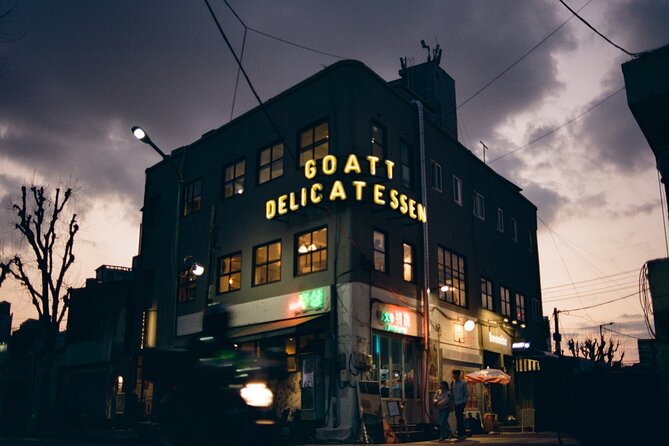
- Hongdae + film: an analog camera makes the maze-like streets feel more intentional
- Automatic Canon kit: less fiddling, more shooting
- One roll, 36 shots: you’ll think before you frame
- Maze Road in Yeonnam-dong: the route favors narrow streets and photo moments
- You get scans as a download link: digital access after processing
- Small group (4 max): enough attention for beginners
Hongdae is a smart place to try film photography
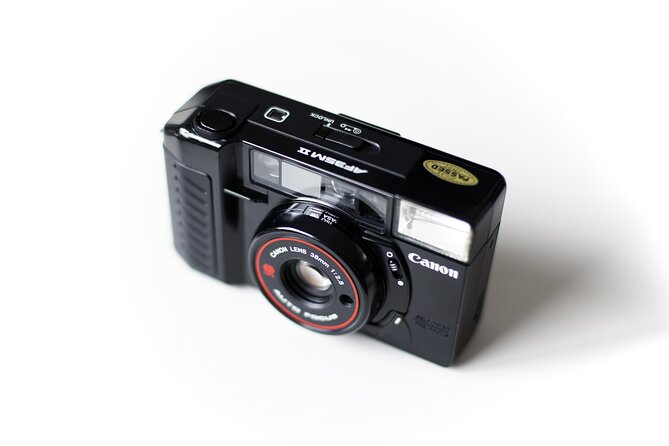
Hongdae is the kind of neighborhood where you can walk ten minutes and feel like you’ve changed scenes. That’s perfect for film, because film rewards patience. You’re not just snapping; you’re choosing what deserves a frame.
A big reason this experience works is the match between the area and the medium. Streets around Hongdae and Yeonnam-dong have lots of visual texture—small alleys, creative storefronts, and the blend of old-school Korean house details with modern hangout spots. With film, those layers don’t feel cluttered. They feel like atmosphere.
And yes, this is guided. The guide steers you toward the places where film photos tend to come out with character, not just random tourist shots. If you like the idea of seeing Hongdae through a local photographer’s eye, this format is a good fit.
You can also read our reviews of more tours and experiences in Seoul.

What happens at the meeting point near Hongik University
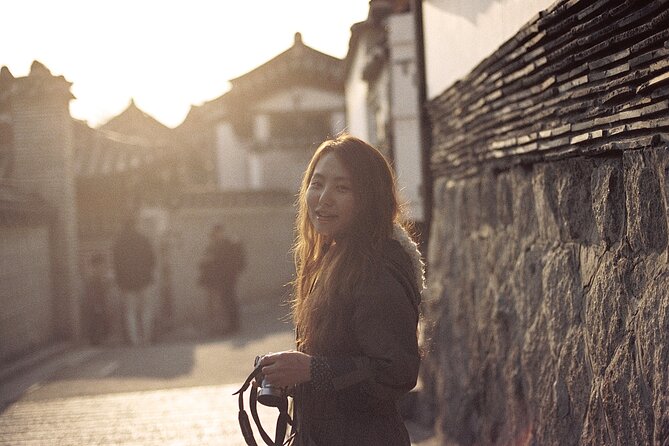
You’ll meet near Exit 3 of Hongik University subway station. That’s a practical choice. Hongdae is easy to reach, and starting right there helps you avoid time-wasting transfer rides.
Once you’re together, you’ll be set up with the automatic Canon film camera and your roll of Kodak film (36 shots). The tone here is beginner-friendly. One review highlighted how the guide explained how the camera works in a way that’s easy to follow, which matters because analog cameras can feel intimidating at first.
Then comes the key shift: you’re not being handed a rigid photo assignment. You’re given a clear way to understand the camera, and then you’re walking into real streets where the choices you make become the photo.
If you want this to go smoothly, do yourself a favor and treat the first minutes like class time. Ask quick questions early, and you’ll enjoy the shooting later.
Your 3-hour Hongdae walk: Maze Road and photo stop flow
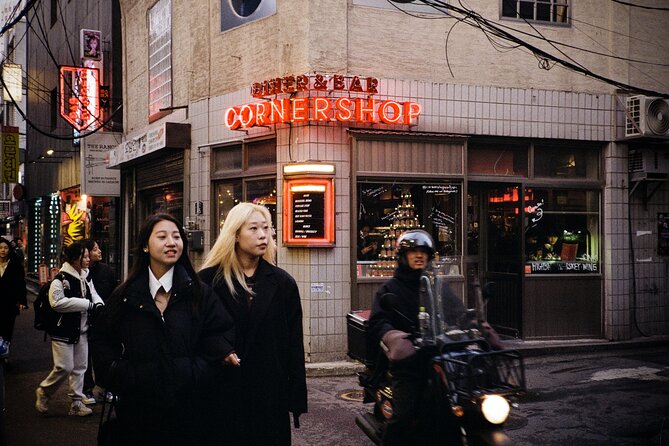
This experience is about a 3-hour guided photo walk through Hongdae, with a focus on the Maze Road in Yeonnam-dong. The name Maze Road hints at what you’ll feel on foot: narrow lanes, turns that change the light, and corners that pop open into small scenes.
Here’s what that means for your photos. In busy streets, your images can look flat because you’re constantly competing with motion and crowds. In tight streets, you naturally slow down. That pause is where film starts to shine—your framing gets simpler, and your photos feel more intentional.
During the walk, you’ll take film photos while listening to neighborhood explanations. The guide also helps connect what you’re seeing with how the area developed, so it’s not just snapping. It’s understanding the vibe and why certain streets feel the way they do.
One more thing I like, based on how the experience is described: the guide doesn’t stop at photography. You can also pick up restaurant recommendations in the Hongdae/Hyeon-nam-dong area. That’s useful because the best plan after a photo walk is usually food and a second look at the streets while you’re already in the zone.
What you’ll actually photograph (and why it’s fun)
The best moments tend to be the small ones:
- narrow alley perspectives where film adds mood
- funky café fronts and side streets
- Korean-style house elements that mix with modern street life
These are the kinds of details that can look ordinary in daylight phone photos. On film, they often look like you’re holding a memory rather than taking a record.
The analog basics: press the button, focus on scenes
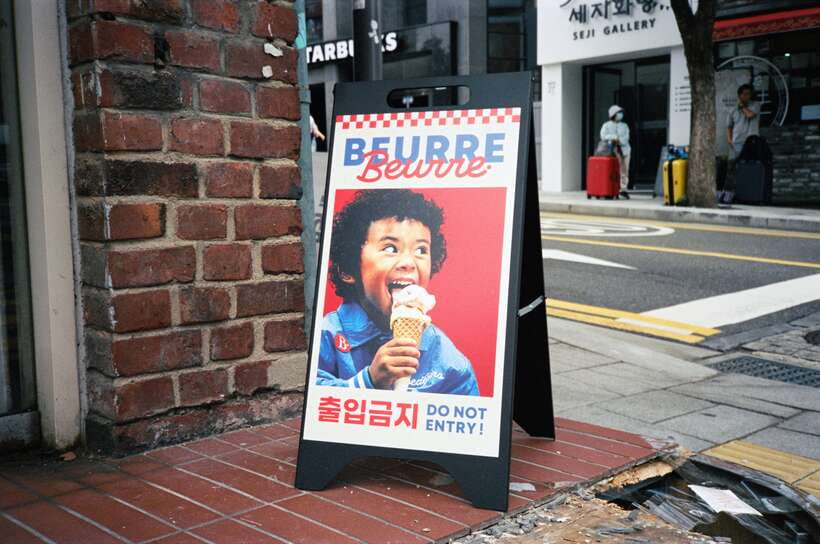
The camera in this experience is automatic, which is a big deal. You’re not expected to master manual settings. Instead, you’re learning how to use the camera confidently and quickly, so you can focus on composition and timing.
The structure is simple in practice: you handle the shooting. They handle the rest. That matters because film is half craft and half logistics. If you’ve ever had a roll developed wrong or waited forever, you’ll appreciate that this one is managed for you.
I also like that the experience limits you to one 36-shot roll. A shorter roll forces decisions. Do you take the wide shot of the alley, or do you use one frame to capture a small door detail? Do you prioritize people, or do you prioritize texture and signs? With a bigger digital buffer, it’s easy to spray. With film, you slow down and the photos tend to improve.



After the walk: development, scanning, and your download link
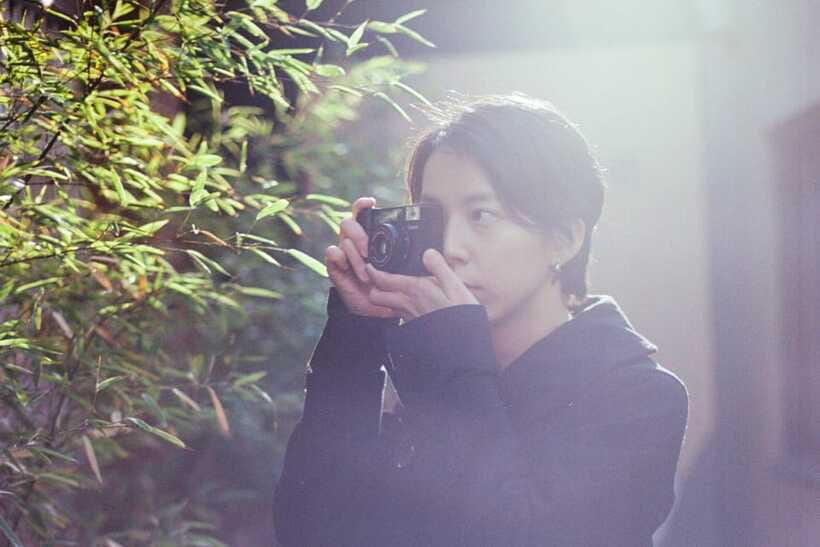
When you finish the photo walk, you’re not left guessing. The team develops the film and scans it, then sends you a download link for your images.
This part is the payoff. You get the best of both worlds:
- the experience of shooting on film
- the convenience of digital files afterward
That download link also makes it easier to share your results with friends without buying anything extra or learning scanning software. If you’re the type who wants physical reminders but also likes instant access, this is a smart compromise.
One practical note: because processing takes time, don’t plan anything that requires the final scans immediately. If your trip is very tight, assume you’ll view your images after the fact. That’s the trade you make for the magic.
Price and value: is $55 actually fair?
At $55 per person for a 3-hour guided outing, you’re paying for more than just a walk. You’re paying for:
- an automatic Canon film camera
- one Kodak roll (36 shots)
- film development and scanning
- delivery of the scans via download link
- a live English guide who knows the neighborhood
If you tried to recreate this on your own, you’d quickly spend money on equipment rental, film stock, and development/scanning. Even if you already owned a film camera, development and scanning would still cost time and money.
So the value comes from removing friction. You show up near Hongik University, you shoot, and the back-end work is handled for you. The small-group size also helps. When the group is capped at 4 participants, you don’t feel lost in the crowd, and you’re more likely to get clear guidance.
Also, you’re not just paying for photos. You’re paying for direction. In a place like Hongdae, it’s easy to walk around for hours and end up with lots of mediocre frames. This guide-led approach is what helps the film end up telling a better story.
Who this tour suits best
This is a great choice if you:
- want a beginner-friendly introduction to film photography
- prefer small groups and a calm pace
- like learning neighborhood context as you walk
- want a meaningful souvenir that’s more than a phone snapshot
It’s also a solid fit if you’re visiting Seoul for the first time and want a local-feeling activity that still feels creative. Instead of another checklist stop, you get a hands-on reason to explore Hongdae and Yeonnam-dong.
When it might not be your best match
If you hate waiting for results, film won’t feel instant. You’ll trade speed for atmosphere. And since there’s no meals or drinks included, plan to handle food yourself so you’re not making decisions mid-walk.
If you’re expecting a long sit-down workshop or heavy technical photography gear, this isn’t that style. It’s a photo trip with film, guided along streets that work well for analog.
Small-group vibes: what limited to 4 really changes
A group capped at 4 participants is a quietly important detail. It means you can ask a question without feeling rushed. It also makes it easier for the guide to notice whether someone is unsure about how to use the camera.
In reviews, the experience is described as relaxing and informative, and the guide is credited with being patient and helpful, especially for beginners. That kind of calm attention is hard to get in bigger groups where you’re always trying to catch up.
Practical tips so you get the most out of your roll
A few things will help your photos come out better and make the walk more comfortable:
- Wear shoes you can walk in comfortably for about 3 hours
- Keep your phone for maps, but let the film camera do the storytelling
- Treat the first frames as test shots, then start composing for real
- If you have dietary plans, eat before or after since meals/drinks aren’t included
Also, Hongdae is a place where scenes can change quickly. Film encourages you to respond, not overthink. If you like the idea of learning by doing, you’ll enjoy this.
Should you book Seoul Film Camera Club in Hongdae?
I’d book it if you want a Seoul experience that feels hands-on and creative, with direction from a guide who understands the area. The combination of an automatic Canon, a single Kodak roll, and guaranteed development + scanned download link is a practical way to try film without turning your trip into a project.
Skip it only if you need instant photos right away or you want food built into the tour. For everyone else, this is the kind of activity that turns a neighborhood walk into something you can actually keep.
If you’re in Hongdae anyway, consider this your best use of a few hours: you’ll leave with photos and a deeper sense of what those streets mean.
FAQ
How long is the film camera experience?
It lasts about 3 hours.
How many people are in the group?
The tour is limited to a small group of up to 4 participants.
What camera and film are provided?
An automatic Canon film camera is provided, along with 1 roll of Kodak film (36 shots).
Who handles the film processing?
You take the photos during the walk, and the provider develops the film and scans it afterward.
How do I receive my photos?
You’ll get a download link after the film is developed and scanned.
Is the tour guide English-speaking?
Yes, the live tour guide speaks English.
Where do I meet for the tour?
You meet at Exit 3 of Hongik University subway station.
Is the price $55 per person?
Yes, the listed price is $55 per person.
Are meals and drinks included?
No, meals and drinks are not included.
Can I get a refund if my plans change?
You can cancel up to 24 hours in advance for a full refund, and you can also reserve now and pay later.