Seoul, timed perfectly for cruise passengers. This private Incheon-to-Seoul day pairs iconic palace sights with local neighborhoods and food-market energy, all in one smooth ride. You start by getting picked up near Incheon Port or Seoul, then spend your day hopping between historic highlights and great walking areas.
What I like most is the setup: admission tickets are included and you ride in a private, air-conditioned vehicle with experienced local driving. Second, I like the balance of “official Seoul” (palaces, gates, shrines) plus “lived-in Seoul” (Bukchon, Insadong, and Gwangjang Market). That mix helps the day feel like more than a checklist.
One thing to consider: English levels can vary, since the driver is described as speaking only a little English and at least one past group reported a cab-style guide with limited site knowledge. You’ll still be fine if you use your phone translation tools and set clear priorities at the start.
In This Review
- Key things to know before you go
- Incheon-to-Seoul Cruise Timing That Actually Works
- Your Driver and Vehicle: Comfort Plus a Reality Check on English
- Gyeongbokgung Palace and the Royal Guard at Noon
- National Folk Museum: A Quick Lesson Before You Wander
- Bukchon Hanok Village: Where Old Houses Still Shape the Streets
- Insadong: Tea Houses, Crafts, and Car-Free Street Energy
- Changgyeonggung and the War Memorial: Two Different Kinds of Big Story
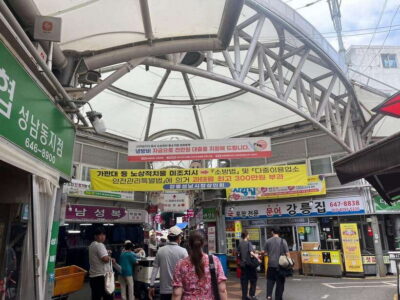
- Kwangjang Market: The First Permanent Market for Snack-First Travelers
- Sungnyemun Gate and Cheonggyecheon Stream: Short Walks, Big Payoff
- Jongmyo Shrine: Quiet Elegance for People Who Like Ritual
- Bukak Skyway and the View from Bukak Palgakjeong
- Price and Logistics: Is $225 a Good Deal?
- Should You Book This Incheon and Seoul Private Day?
- FAQ
- Is this tour private?
- What’s the usual pickup timing from Incheon Port?
- Are admission tickets included?
- What happens if it’s raining?
- Is Gyeongbokgung Palace open every day?
- Can I cancel for free?
Key things to know before you go
- Cruise-friendly timing: Pickup can take 30 minutes or up to 1.5 hours from Incheon Port, depending on your cruise dock and flow.
- Royal Guard realism: The Changing of the Royal Guard is scheduled around noon, but it can be affected by bad weather.
- Palace rules matter: Gyeongbokgung Palace closes every Tuesday, with a switch to another palace that day.
- You get the “old Seoul” triangle: Bukchon Hanok Village sits between major palace and shrine areas, so the geography stays easy.
- Food stops are built in: You’ll hit Insadong and Gwangjang Market, both ideal for snacks and Korean comfort food.
- A real Seoul viewpoint: The day ends with a scenic mountain drive to Bukak Skyway and the Bukak Palgakjeong pavilion.
Incheon-to-Seoul Cruise Timing That Actually Works
This is the kind of day tour that makes cruise logistics feel sane. The core promise is pickup from Incheon Port or central Seoul, then a day spent in Seoul’s top sights without you fighting buses, transfers, or navigation headaches.
Plan for the drive time to vary. The route from Incheon Port into downtown Seoul can take longer because of traffic. On a cruise day, that’s normal—so build in patience, especially if your ship docks a bit earlier or later than expected.
Also, this is a private tour, even for smaller groups. The tour notes that it uses a 7-passenger jumbo taxi for groups of 1 to 4, which is a quiet win if you have luggage or want room to spread out maps and snacks. And if your day ends without a cruise connection, your luggage can be loaded early and dropped off later at your airport or hotel in the Incheon/Seoul area.
You can also read our reviews of more boat tours in Incheon
Your Driver and Vehicle: Comfort Plus a Reality Check on English
The tour includes an air-conditioned vehicle and uses taxis registered in South Korea, with transportation insurance. That’s a practical safety detail, especially when you’re crisscrossing central Seoul in one day.
On the service side, the tour description emphasizes an experienced driver for foreign tours. And from past feedback, what people remember is patience and clear explanations—exactly what you want when you only have 6 to 8 hours.
But here’s the honest caution: the driver is described as speaking only a little English, and one past group reported a driver with no English who didn’t know every site in the itinerary. That doesn’t mean the day will fail; it just means you should prepare:
- Decide what matters most to you (palaces, markets, photos, walking time).
- Use your phone translation app for place names and simple questions.
- Keep expectations flexible if the day needs small timing adjustments.
Gyeongbokgung Palace and the Royal Guard at Noon
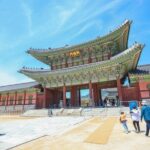
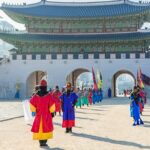
Gyeongbokgung Palace is the big name here, and it’s easy to see why. Even the palace name carries meaning tied to the Joseon dynasty’s idea of fortune and prosperity, which helps you frame the visit beyond architecture. You’ll also get the special day-to-day theater moment: the Changing of the Royal Guard Ceremony held every day around noon.
Timing is everything on this day. The tour is set to include about an hour at Gyeongbokgung Palace, which is long enough to walk key courtyard areas and still catch the ceremony if conditions allow.
Two practical notes you should take seriously:
- Gyeongbokgung is closed every Tuesday. If your day falls on Tuesday, the tour indicates they’ll visit Changdeokgung Palace instead.
- The Changing of the Guard may not run during rainy days or typhoons. If weather is iffy, don’t build your whole day around perfect timing—consider photos and palace grounds your main goal.
If you’re the type who likes symbols, watch how the ceremony reinforces court etiquette. Even if you’re not reading Korean history like a textbook, you’ll get the feel of a society organized around rank and ritual.
National Folk Museum: A Quick Lesson Before You Wander
Right after Gyeongbokgung, you’ll have a stop at the National Folk Museum of Korea, with admission included and about 30 minutes allotted. This is a smart “context break.” Palaces can feel like big scenery; a folk museum helps you understand what ordinary life looked like in traditional Korea.
You’ll likely come away with better framing for what you see later in neighborhoods like Bukchon and Insadong. The museum doesn’t replace reading or a longer museum day, but it makes your palace photos feel less random.
Since the time is short, go for the displays that match what you’re already interested in: daily life objects, clothing, tools, household culture—anything that helps you connect history to people.
Bukchon Hanok Village: Where Old Houses Still Shape the Streets
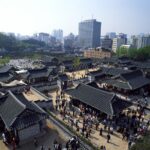
Bukchon Hanok Village is one of those Seoul areas that rewards slow walking. The tour schedules about an hour, and that’s plenty for getting a feel for the hanok residential landscape.
What makes Bukchon especially logical is its location. It sits between major landmarks—Gyeongbokgung, Changdeokgung, and Jongmyo. That means you’re not just visiting one point; you’re experiencing a traditional zone that naturally ties into the palace-and-shrine day theme.
The practical catch: Bukchon streets involve uneven walking and stairs in places. So wear shoes that handle Seoul sidewalk reality. If you want photos, give yourself a few extra minutes near viewpoints rather than trying to capture every lane.
You can also read our reviews of more city tours in Incheon

Insadong: Tea Houses, Crafts, and Car-Free Street Energy
Insadong is built for travelers who enjoy strolling and nibbling. You’ll have about 30 minutes there, with admission not required.
What I like about Insadong is that it’s not one museum attraction—it’s a neighborhood texture. The tour description highlights galleries, traditional tea houses, street vendors, handicraft shopping, antique stores, and flower shops. That mix makes it easy to browse without feeling locked into one place.
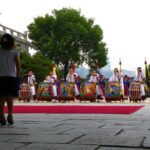
A fun detail: Insadong is a car-free street on Saturdays and Sundays. If your day hits a weekend, you may see more street performances and a more festival-like feel on the main streets. Even on weekdays, the alley layout works—follow the flow and take your time.
Food tip: the tour encourages grabbing something like bibimbap, and it’s a good match for the neighborhood vibe. If you see small stalls, grab something shareable. This is a “taste while you wander” zone.
Changgyeonggung and the War Memorial: Two Different Kinds of Big Story
The tour adds Changgyeonggung Palace, noted as the third palace built during the Joseon Dynasty, after Gyeongbokgung and Changdeokgung. That matters because it signals you won’t only see the grandest palace complex; you’ll also get a sense of how royal Seoul expanded and changed over time.
Then you may also stop at the War Memorial of Korea. The description emphasizes commemoration for Korean War participation by countries like the United States, the United Kingdom, and Canada, with flags and monuments. It’s also described as meaningful for veterans or their descendants, including the idea that people often make rubbings of names.
This stop isn’t there for scenery. It’s there to shift your day from royal ritual to modern history and sacrifice. If you have even a little emotional connection to that era, plan to spend a few moments quietly before you move on to lighter streets and markets.
Kwangjang Market: The First Permanent Market for Snack-First Travelers
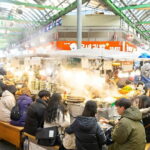
Kwangjang Market is a highlight if you care about food culture more than formal dining. It’s described as the first permanent market in Korea, established in 1905. The name also ties to the idea of widely gathering and preserving, which is basically market life in a sentence.
You’ll have around 30 minutes. That’s not enough to eat everything, but it’s perfect for a fast hit of Korean flavors. If you want the easiest strategy, do this:
- Pick 1 hot snack you can share.
- Add 1 sweet or chewy bite.
- Drink something simple (you’ll walk more than you think).
This is also one of the better stops for getting a sense of what locals actually do—grab, chat, and move. Even with a private car waiting, it keeps the pace from turning into a museum crawl.
Sungnyemun Gate and Cheonggyecheon Stream: Short Walks, Big Payoff
Sungnyemun Gate is a strong anchor on this route. The tour notes the meaning behind the name: it connects to Joseon etiquette and philosophy. It’s not just a photo stop—it’s a reminder that city gates were statements about order and values, not just defenses.
You’ll spend about 30 minutes at Sungnyemun, then move toward Cheonggyecheon Stream, located between Sungnyemun and Gyeongbokgung Palace. The tour calls it a great place to walk, and that’s exactly how it works: you get a break from palace courtyards and into a calmer, more human-scaled route.
Give yourself time to wander the stream area. Even if you keep it brief, it makes the day feel less rushed. Seoul is still Seoul—traffic and crowds exist—but Cheonggyecheon is one of the easiest ways to feel the city’s pedestrian side.
Jongmyo Shrine: Quiet Elegance for People Who Like Ritual
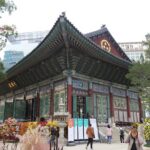
Jongmyo Shrine is where the day turns solemn again. The tour describes it as the tomb of kings with long reigns, housing spirit tablets in 19 chambers. It’s also noted as UNESCO World Cultural Heritage, which fits the atmosphere: Jongmyo is less about flashy visuals and more about structure and reverence.
You’ll get about 30 minutes at Jongmyo, and that’s enough to notice the layout and the feeling of order. The description emphasizes that Jongmyo is quiet and elegant compared to the palace experience, with architectural beauty in the gable roof.
If you’re a ritual-watcher, focus on how space guides movement. Even if you can’t catch every detail, the layout helps you understand why these places mattered in daily governance and ceremonial life.
Bukak Skyway and the View from Bukak Palgakjeong
For the final big “wow,” you’ll head to Bugak Skyway and the Bukak Palgakjeong pavilion. This is a hanok-style pavilion on the side of Bukaksan Mountain at about 342 meters above sea level.
The tour description is specific here, and it’s worth taking seriously: this area is known for scenic driving along a ridge route of about 19 km. The viewpoint lets you see surrounding mountain peaks like Bukhansan’s Bibong and Munsubong, and on clear days you also get long sightlines toward central Seoul, with Namsan in the background.
You’ll have about 30 minutes total at this stop, including time near viewpoints. The location also includes a rest area midway along the ridgeline, so you can pause without feeling like you’re trapped in the car the whole way.
Price and Logistics: Is $225 a Good Deal?
At $225 per person, this tour is priced like a private service, not a budget group bus. The value case is mostly practical:
- Admission fees are included for the listed sites.
- You get private pickup and a dedicated vehicle for the day.
- You’re not paying separately for multiple taxi rides across scattered areas.
- The route includes both major landmarks and food-and-stroll neighborhoods.
Where you get extra value is in time saved. Cruise days are tight. A car-based plan that drops you in the right zones—palaces, market corridors, walking streams—lets you use hours efficiently.
The main trade-off is what you already saw above: because the tour is driver-led, not described as a full multi-lingual guide experience, your time depends on the driver’s knowledge and your ability to communicate.
Should You Book This Incheon and Seoul Private Day?
Book it if you want a first-timer’s Seoul highlights day without transit headaches. The mix is strong: Gyeongbokgung and the noon ceremony focus on the historic core, and stops like Insadong and Kwangjang Market make the day taste like Seoul.
Avoid it if you need fluent English narration throughout or you’re expecting a detailed guide script at every site. This can still work, but you’ll want to plan using your phone and be clear about your top priorities early.
If you’re traveling with older family members or you hate long walks, this private taxi format is usually a better match than full-day public transport. You can keep moving efficiently while still getting real stops where people actually take photos and eat.
In short: for most cruise passengers, this is a smart way to turn one day into two sides of Seoul—royal and everyday—without turning your schedule into a stress test.
FAQ
Is this tour private?
Yes. It’s a private tour/activity where only your group participates.
What’s the usual pickup timing from Incheon Port?
Pickup time is described as about 30 minutes or about 1 hour and 30 minutes to pick up customers at Incheon Port.
Are admission tickets included?
Yes. The tour includes admission fees for the stops listed as included.
What happens if it’s raining?
The Royal Guard Changing Ceremony may not be available during rainy days or typhoons.
Is Gyeongbokgung Palace open every day?
No. Gyeongbokgung Palace is closed every Tuesday. If Tuesday is a national holiday, it’s closed the following day. The tour indicates they will visit Changdeokgung Palace instead on Tuesdays.
Can I cancel for free?
Yes. You can cancel up to 24 hours in advance for a full refund.