REVIEW · GYEONGBOKGUNG PALACE & HANBOK TOURS
Half day Morning Seoul City Tour(Temple & Gyeongbok Palace)
Book on Viator →Operated by Cosmojin Agency · Bookable on Viator
Four hours can make Seoul feel simpler. This morning tour strings together Jogyesa Temple, Gyeongbokgung Palace, and the National Folk Museum into one efficient circuit, with admission fees handled for you.
You’ll like having hotel pickup so you’re not hunting for buses while you’re still waking up in Seoul.
You’ll also like the built-in “wow” moments: the Royal Guard changing ceremony at Gwanghwamun, plus admission tickets included for the palace and museum grounds. If you want a first taste of Joseon-era Seoul and everyday Korean life, it’s a smart combo.
One consideration: it’s a fast schedule, and some moments can be affected—rain can cancel the guard changing ceremony, and the Blue House area may not be accessible due to security.
In This Review
- Key things to know before you go
- A four-hour Seoul morning that starts at your hotel
- Gwanghwamun Square: your orientation point for Seoul’s power and pageantry
- Jogyesa Temple: calm Buddhist practice in the middle of the city
- Gyeongbokgung Palace and the guard changing ceremony
- National Folk Museum: what Koreans actually did, not just what rulers built
- Blue House area and the ginseng stop: what you can count on
- Insadong drop-off: turn your tour into a real morning plan
- Guides make or break the experience—this one has strong feedback
- Price and value: why $32 can feel fair for this lineup
- Who should book this tour (and who might skip it)
- Should you book this half-day Seoul city tour?
- FAQ
- How long is the Half Day Morning Seoul City Tour?
- Where do you get picked up and where do you get dropped off?
- Are admission fees included?
- Is lunch included?
- What happens if Gyeongbokgung Palace is closed on Tuesdays?
- Will the Royal Guard changing ceremony always happen?
- Can you always pass by the Presidential Blue House?
Key things to know before you go
- Hotel pickup and Insadong drop-off: less hassle, easier next steps for shopping and snacks.
- Royal Guard changing ceremony timing: you get a chance to see it at Gwanghwamun, weather permitting.
- Admission fees included: saves you time and avoids ticket-line juggling.
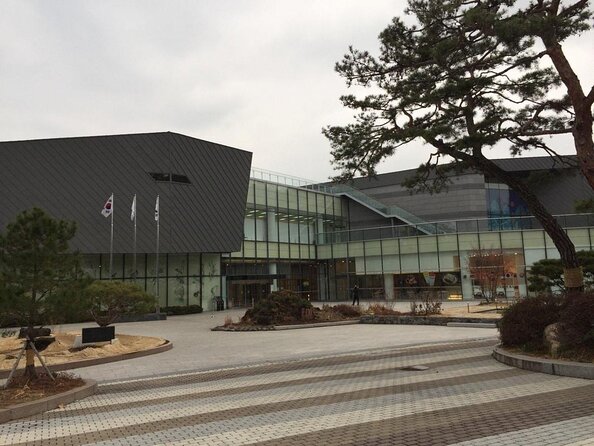
- Folk Museum inside the palace grounds: you see more than palaces—you see daily life through artifacts.
- Small-group feel, up to 44 people: big enough for flexibility, small enough to still hear your guide.
- Ginseng Museum stop: brief, with a shopping component you’ll want to treat as optional.
A four-hour Seoul morning that starts at your hotel
This is the kind of tour I recommend when you’re short on time but still want more than just photos. The tour runs about 4 hours in the morning, starting at 8:30 am, and it includes transportation plus professional English-speaking guidance. For your first day in Seoul, that structure helps you get oriented without spending your energy on maps and transfers.
The value is mostly in the “stop-to-stop” pacing. Instead of planning a route from scratch, you’re handed a ready-made plan: temples, a major palace complex, a museum, and then you end in Insadong—one of the easiest neighborhoods to walk around right after your tour.
One practical point: you’ll be moving, and you’ll want comfortable shoes. Even if some stops feel short on paper (like 15 to 20 minutes), the overall flow is designed to keep you from losing time to transit and waiting.
You can also read our reviews of more city tours in Seoul
Gwanghwamun Square: your orientation point for Seoul’s power and pageantry
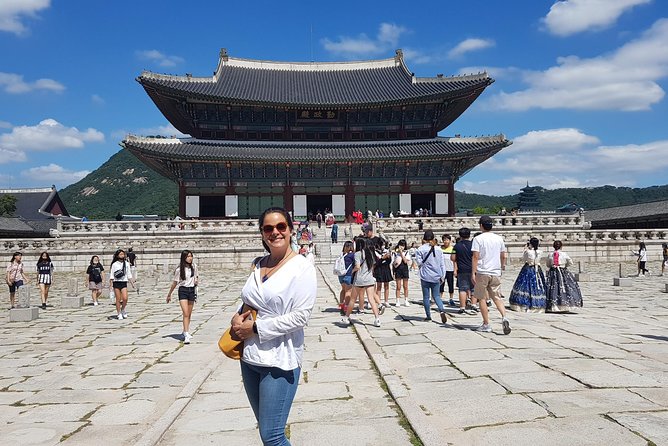
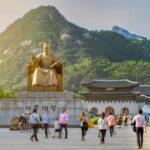
Your day begins around Gwanghwamun Square, a central landmark where big parts of Seoul’s cultural and political story feel close to the surface. This area matters because it sets you up for what comes next: the palace activities connected with the Royal Guard changing ceremony.
The tour timing is one reason this stop is useful. If you’ve ever tried to see a ceremony in a popular place without guidance, you know how quickly it can turn into crowd math. Here, the guide’s job is to get you into the right flow of the morning, so you can actually watch rather than just “be nearby.”
Jogyesa Temple: calm Buddhist practice in the middle of the city
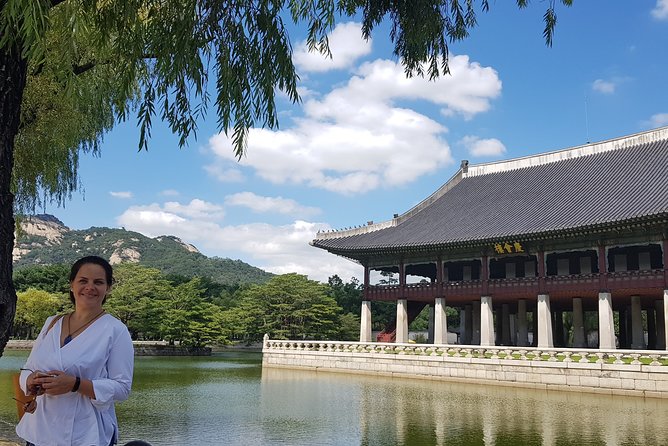
Next up is Jogyesa Temple, about 30 minutes. This is one of the better ways to feel Seoul’s spiritual life without leaving the city center. The temple is described as a sanctuary of Korea’s living Buddhist tradition, founded in 1935—so it’s not just a museum-like relic. It’s a place where tradition continues as part of everyday rhythm.
In a morning tour, the temple stop works because it slows you down. You go from city streets to quieter space. Even if your time here is brief, you get a sense of the atmosphere—chants, prayer space, and temple grounds that make Seoul feel less like only skyscrapers and shopping streets.
If you’re the type who likes architecture and meaning behind buildings, this stop is where a strong guide can really earn their keep. In feedback from guides such as Molly, you can see a pattern: clear explanations that connect what you’re seeing to the wider story of Korea, rather than just listing facts.
Gyeongbokgung Palace and the guard changing ceremony
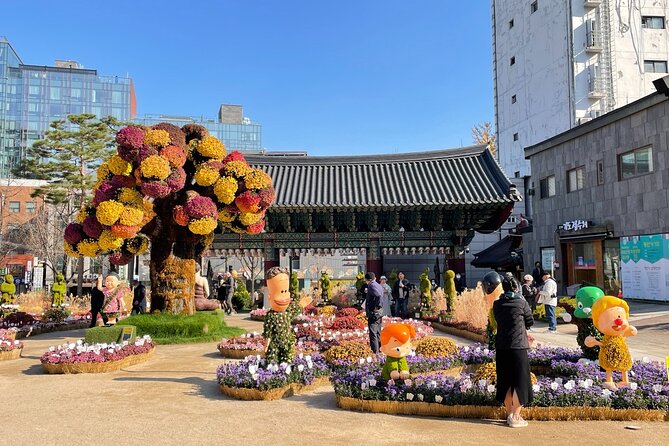
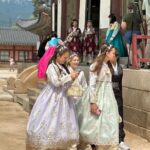
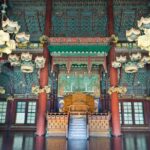
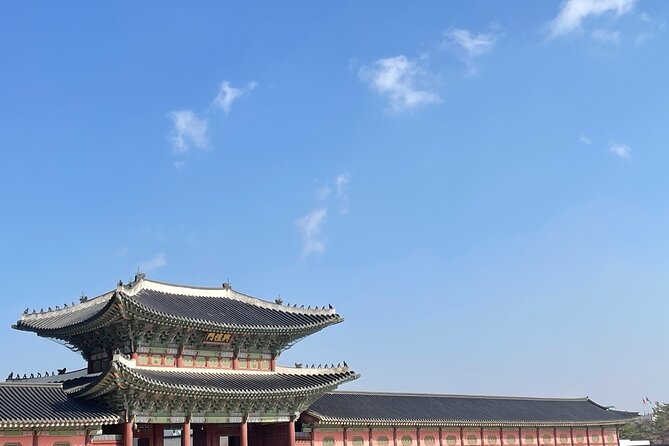
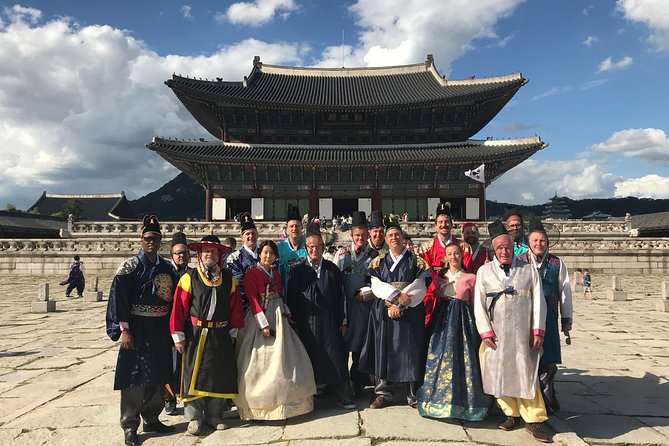
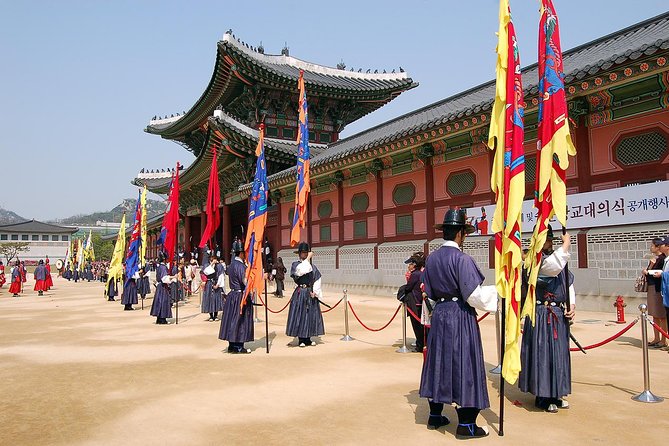
This is the headline moment: Gyeongbokgung Palace, about 1 hour, with the big spectacle tied in—the Royal Guard changing ceremony. The tour includes your visit beginning around Gwanghwamun Gate, where the guard changing is associated with confirmation of identities and the ceremonial shift of the royal guard.
Why this matters for you: Gyeongbokgung isn’t just impressive because it looks “royal.” It’s one of the key places where you can visually connect Seoul’s modern location to the Joseon dynasty’s world. The scale of the palace grounds can surprise people, and that’s one reason a guided walk helps—your guide points out what to look for instead of you guessing what’s important.
A heads-up you should plan around: the Royal Guard changing ceremony can be cancelled when it’s rainy. If the forecast looks sketchy, don’t assume you’ll get this moment. Still, the palace visit itself remains valuable, and it’s one of the main reasons the tour is worth booking early in your trip. You’ll be able to spend your time in a place you’d otherwise have to plan on your own.
Also, note that Gyeongbok Palace may be replaced by another tourist attraction when it is closed on Tuesdays. If you’re traveling specifically on a Tuesday, read your confirmation details closely so you know what you’ll see instead.
National Folk Museum: what Koreans actually did, not just what rulers built
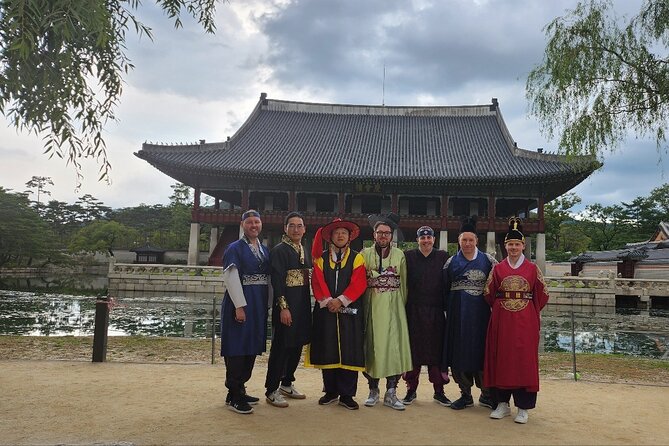
After the palace, you head into the National Folk Museum of Korea, about 45 minutes. The museum is located within the Gyeongbokgung Palace grounds, which is convenient because you don’t need to refocus your day or travel between sites. The goal here is not only grand buildings—it’s the everyday lives of Korean people across history.
This stop is a great counterbalance to the ceremony and palace architecture. Where the guard change is performance, the museum is context. Through thousands of artifacts, it aims to show everyday patterns—how people dressed, lived, worked, and organized their homes and society.
This is also where guides tend to shine. Feedback mentions guides such as Cathy and JJ explaining historical elements in a way that makes the objects feel connected to real life. If you’re a K-drama fan, you’ll likely enjoy seeing how the settings relate to how people actually lived, not just how scenes look.
If you want to spend more time here later, that’s a smart option. Even within the time limit, this museum gives you enough direction that a return visit can feel purposeful rather than random wandering.
You can also read our reviews of more tours and experiences in Seoul
Blue House area and the ginseng stop: what you can count on
You’ll pass by Cheongwadae Sarangchae, described as the Presidential Blue House area, with about 15 minutes for the viewpoint. Two practical realities apply.
First: you might not be allowed to pass by the Presidential Blue House for security. That’s not something you can control, so keep your expectations flexible. What you can count on is the “pass by” element, not guaranteed access.
Second: the value here is more about perspective than a must-see landmark. Seeing the Blue House area helps you understand how modern Korea sits alongside older cultural symbols in the same city core. Even without close access, it gives your day a political anchor after the palace ceremony.
Then you go to Cheongha Korea Ginseng Museum for about 20 minutes. This is where the tour feels a bit more like a shopping-and-education hybrid. The museum includes ginseng learning plus a shopping component, and it can take more time than some people expect compared to other stops.
If you’re the type who hates hard sell, I suggest treating this as optional curiosity. Look quickly for what interests you, enjoy the basic explanation, and move on when your curiosity is satisfied. One review mentioned feeling that the ginseng portion influenced how quickly the earlier sites felt paced—so if you’re sensitive to “time tradeoffs,” go in knowing this stop may be the reason you feel a bit rushed elsewhere.
Insadong drop-off: turn your tour into a real morning plan
At the end, the tour drops you in Insadong. This is a helpful finishing move because Insadong is ideal for short walks, snack breaks, and browsing without needing a second ride.
If you want a clean plan after the tour, think in terms of energy levels. After 4 hours of moving, you’ll probably want a simple route: coffee or tea first, then browse. Insadong is the kind of place where you can keep it casual—no strict itinerary needed.
If your schedule allows, you can also use Insadong as a staging point for a longer palace revisit or a return to the museum area with less pressure. The morning circuit is a first sweep; the afternoon is your chance to go slower.
Guides make or break the experience—this one has strong feedback
A half-day tour lives or dies on the guide. The best part of this experience, based on review patterns, is how guides translate the sites into stories you can actually use.
You’ll see names pop up repeatedly: Molly, Cathy, Rose, June, JJ, Lee, KC, Moon, and SP. Across the feedback, a consistent theme is guides who:
- explain architecture and connections to the Joseon dynasty,
- keep the group moving so you don’t waste time,
- answer questions clearly,
- help with practical viewing tips, including positioning for photos and ceremonies.
One specific kind of tip highlighted in reviews: arriving at the palace early enough for better photos and a better view of the changing ceremony. That’s not a small detail. In Seoul, being even slightly too late can mean you’re stuck behind taller people and missed angles.
If the mic is part of your concern, keep it in perspective. One review noted that a guide could be harder to understand at times through the microphone. That’s not the same as the guide being unhelpful—it’s just a reminder to pick seats near the front if possible.
Price and value: why $32 can feel fair for this lineup
At $32 per person, this tour is priced like a true “greatest hits” morning. The value comes from three things you’d otherwise spend time and effort recreating:
- hotel pickup (time saved immediately),
- transportation (so you don’t stitch together transit while jet-lagged),
- admission fees included (so you don’t spend your morning solving ticket problems).
The stop list is also efficient. You get a temple, a major palace ceremony moment, a museum, and then an easy drop-off into a walkable neighborhood. For a first-time Seoul trip, that’s a good trade: you cover enough that you can decide later what deserves a longer visit.
The main factor that can reduce perceived value is time pressure. With a fixed half-day schedule, you might want more time at one stop than you get. If you’re the kind of visitor who likes to linger—especially at museums—this is one place you might later wish you had booked a longer day.
Who should book this tour (and who might skip it)
Book it if:
- you want a structured morning with pickup and clear highlights,
- you’re excited to see Gyeongbokgung Palace and the Royal Guard changing ceremony (weather permitting),
- you want palace + museum context without planning,
- you like guides who explain what you’re seeing, not just where to stand.
Skip it or consider another option if:
- you need lots of downtime during sightseeing,
- you’re visiting on a day where rain is likely (because the ceremony can be cancelled),
- you prefer to avoid shopping-style museum stops like the ginseng museum.
Should you book this half-day Seoul city tour?
If you’re asking me to help you decide, I’d say this is a strong booking for a first Seoul morning. The combination of Gyeongbokgung Palace, the Folk Museum, and a temple stop gives you variety without burning your day. The pricing is fair because admissions and pickup are included, which is where DIY plans often quietly cost you time.
My only “wait” reason is weather and expectations. If it rains, the ceremony may not happen. And if you’re sensitive to schedule tradeoffs, know that the ginseng museum can feel like the pacing factor. If you’re okay with a structured, highlight-based morning, this tour is a practical way to get your bearings fast and then enjoy the rest of Seoul on your own terms.
FAQ
How long is the Half Day Morning Seoul City Tour?
It runs for about 4 hours (approx.) and starts at 8:30 am.
Where do you get picked up and where do you get dropped off?
You’re picked up from your Seoul hotel and dropped off in Insadong at the end of the tour.
Are admission fees included?
Yes. Admission fees are included for Gyeongbokgung Palace and the National Folk Museum of Korea.
Is lunch included?
No. Lunch is not included.
What happens if Gyeongbokgung Palace is closed on Tuesdays?
If Gyeongbok Palace is closed on Tuesdays, it will be replaced by another tourist attraction.
Will the Royal Guard changing ceremony always happen?
No. The Royal Guard changing ceremony will be cancelled when it is rainy.
Can you always pass by the Presidential Blue House?
Not necessarily. You might not be allowed to pass by the Presidential Blue House for security reasons.

![The Seoul Pub Crawl [official] - Skip-the-line club entry: what VIP access changes in Seoul](https://1.visitseoulkorea.com/wp-content/uploads/the-seoul-pub-crawl-official-400x267.jpg)