REVIEW · MARKETS
Autumn Foliage-Mt. Seorak, Sokcho Fish Market, Sokcho Beach
Book on Viator →Operated by Korea Time Tour · Bookable on Viator
Fall colors plus seafood in one day.
This day trip is a smart way to tackle Seoraksan National Park and Sokcho without wrestling with multiple buses and schedules. You get a guided, timed plan that hits the big autumn sights, then pivots to real food at the market and fresh air at the beach. Two things I really like: the all-in logistics (round-trip transfers with English-speaking staff) and the built-in flexibility inside Seoraksan, where you can walk/hike or ride the cable car if you choose that option.
One consideration: you’re going to be outside for hours, and Seoraksan involves an intermediate level of hiking. If weather turns rainy, it can feel a bit rushed between stops—still doable, but plan to stay flexible.
In This Review
- Key Highlights to Know Before You Go
- From Seoul to Seoraksan: The Easy Autumn Launch
- Seoraksan National Park: Foliage, Temple Stops, and Cable Car Choices
- How the Park Time Actually Feels (and Why the Schedule Helps)
- Sokcho Fish Market: Eat First, Ask Later
- Sokcho Beach: A Short Nature Reset by the Sea
- Getting Back to Seoul: Two Drop-Off Options (Don’t Miss This)
- Weather, Timing, and the Reality of a 12–13 Hour Day
- Price and Value: What $68 Buys You Here
- Who This Tour Suits Best
- Should You Book This Seoraksan + Sokcho Autumn Day Trip?
- FAQ
- What does the tour cost?
- How long is the tour?
- Where do I meet the group in Seoul?
- Do I need to hike in Seoraksan?
- Is the cable car included?
- What do I do at Sokcho Fish Market and Sokcho Beach?
- Where do I return to in Seoul at the end?
- Are meals included?
Key Highlights to Know Before You Go
- Seoraksan timing that helps you beat the worst crowds by building in early, park-focused time
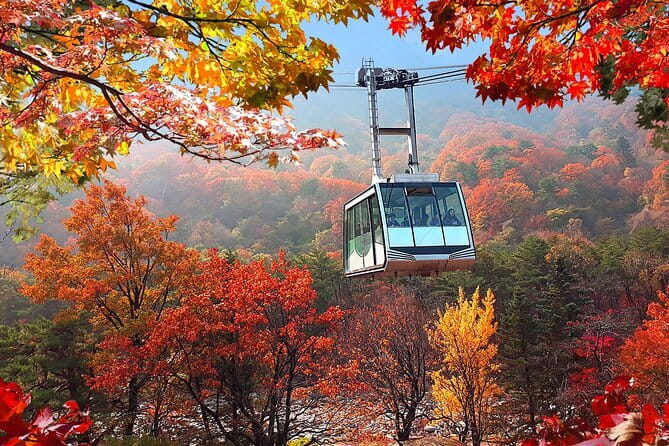
- Shinheungsa Temple and the Buddha statue as part of your foliage walk
- Sokcho Tourist & Fishery Market for street-food tasting and seafood shopping
- Sokcho Beach paths (park, flower path, and pine trail) for a calm finish
- Cable car option available at Seoraksan, with a refund if it’s not operating
- Drop-off flexibility: you can exit back in Myeongdong or at Dongdaemun (Hongik drop-off isn’t included)
From Seoul to Seoraksan: The Easy Autumn Launch
Leaving Seoul in the morning is the whole point of this trip. You’re not spending your limited vacation hours figuring out transit; you’re getting carried toward the hills with an organized route. The transfer time is about 2 hours 25 minutes, so you get the feeling that the day trip is truly “a day trip,” not a quick sightseeing hop.
You’ll start from one of two Seoul meet-ups: Hongik Univ. Station (Exit 8) or Myeongdong Station (Exit 4). That matters because it gives you an easier connection to where you’re already staying. It’s also worth arriving 5–10 minutes early, because latecomers can’t be refunded—this tour runs like a schedule, not a casual group hangout.
At this price point ($68), the value is in the setup. You’re paying for transportation, English-speaking help, and a plan that strings together three major locations without losing time to decision-making. The group size is capped at 100 travelers, and the vehicle can change based on how many people sign up, which usually helps the ride feel more reasonable.
You can also read our reviews of more shopping tours in Seoul

Seoraksan National Park: Foliage, Temple Stops, and Cable Car Choices
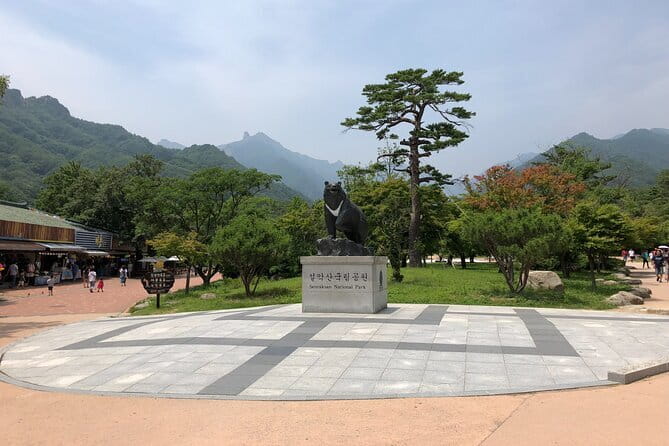
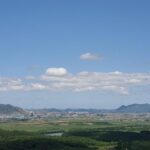
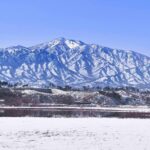
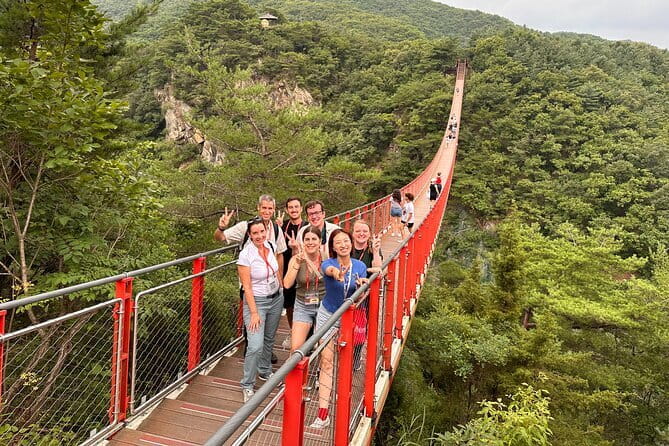
Seoraksan is where the autumn drama happens. This is one of Korea’s most beautiful mountain areas, and the season here is about color and crisp air—especially when you can see layers of hills fading into the distance.
Once you arrive, you get about 5 hours in the park. That time is your buffer for three different styles of exploring:
- Walk or hike at your pace
- Rider-friendly option if you select the cable car
- Temple-and-statuary viewpoints that don’t require the same stamina as the steepest paths
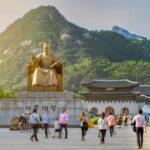
You’ll also see cultural anchors like the big Buddha statue and Shinheungsa Temple. That combination is useful. If you’re tired of only chasing viewpoints, the temple area gives you a human-scale break in your route and a different kind of photo opportunity.
Important footwear note: the park portion requires an intermediate level of hiking, so pack comfortable shoes. Think uneven paths and steps. Even if you choose less intense routes, you’ll still be walking more than you’d do on flat-city days.
One practical detail I’m glad they mention up front: the cable car is only included if you booked the option, and if it isn’t operating, they refund the cable car fee in cash by the guide. That’s not glamorous, but it’s straightforward—so you’re not left wondering what happens if conditions change.
How the Park Time Actually Feels (and Why the Schedule Helps)
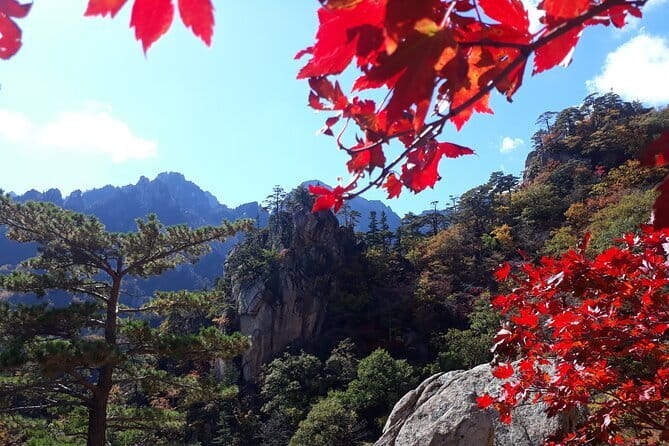
The best part of a structured foliage day is when it works with the seasons. Autumn days can get crowded fast, and the tour’s format is built to help you enjoy Seoraksan without arriving at peak chaos.
In the run that included a guide named Kangwon, the standout detail was how attentive the guidance felt—helpful for moving between spots efficiently and choosing park options that fit your comfort level. Another named guide, David Oh, was praised for explaining the different options inside the park and making market food choices easier later in the day.
You don’t need to be a hardcore hiker to enjoy Seoraksan, but you do need to be ready for a day where your feet do work. If you’re the type who likes breathing room—stopping for photos, grabbing a snack, and taking your time—this schedule should still feel good because you get multiple hours in the park itself, not just a quick walk-by.
Sokcho Fish Market: Eat First, Ask Later
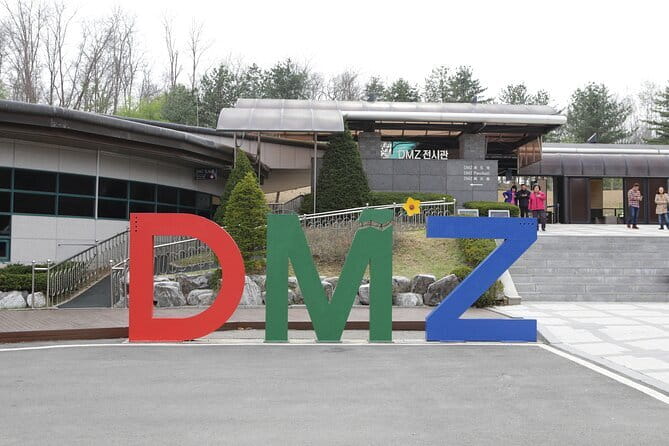
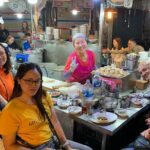
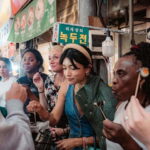
After the mountain, you land in coastal-food mode. The Sokcho Tourist & Fishery Market is designed for two things: eating and browsing what’s fresh. Your time here is about 1 hour 15 minutes, which is just enough to do a couple of tastings and still look around.
This stop is valuable because it’s not a generic souvenir stop. It’s a working-style market built around seafood and tourism. Expect street-food-style bites, plus the chance to sample seafood before the day winds down.
A small tactical thought: plan to go hungry. You’ll burn energy hiking, and if you treat this as a light snack stop, you may end up wishing you had committed more time to eating. Also bring cash or at least be prepared to pay in whatever way the stalls support—this tour doesn’t include meals, so your spending here is on you.
The best guides tend to steer you toward simple, safe choices—exactly the kind of help that makes market time feel less stressful and more fun.
Sokcho Beach: A Short Nature Reset by the Sea
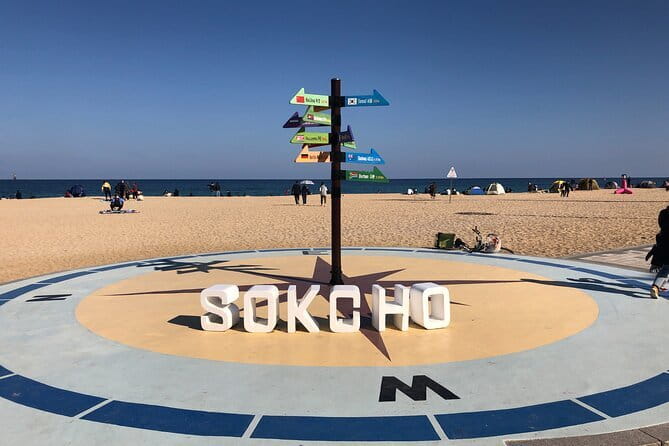
Then you get the payoff: the coast. Sokcho Beach is visited by both locals and tourists, and it’s set up for an easy wind-down. You’ll have about 30 minutes there, which is short, but it’s usually enough for a walk and a reset after Seoraksan.
What I like about this beach stop is the variety of walking scenery. The area includes a park, a flower path, and a pine forest trail. Even if you don’t swim, you still get the chance to stroll in a different setting—salt air, trees, and sea views—without needing to plan a long beach day.
It’s also a practical wrap-up. The day’s heavy part is the mountain. The beach portion gives you a softer, calmer final chapter before you return toward Seoul.
You can also read our reviews of more tours and experiences in Seoul



Getting Back to Seoul: Two Drop-Off Options (Don’t Miss This)
Your return ride to Seoul takes about 2 hours 10 minutes. The tour offers two possible drop-off points:
- Dongdaemun History & Culture Park Station
- Myeongdong Station
Here’s the consideration that can catch people off guard: your group does not return to Hongik Univ. Station at the end. If you started at Hongik, you’ll likely need to connect by subway on your own after drop-off.
If your hotel is near Hongik and you don’t want extra hassle, plan around the Dongdaemun drop-off so you can use Line 2 to get back toward Seoul’s west side.
Weather, Timing, and the Reality of a 12–13 Hour Day
This tour depends on good conditions. If weather is bad enough, they may cancel and offer another date or a full refund. That’s fair, because Seoraksan is largely an outdoor experience.
But when weather is only “bad-ish” (think rain), the tour can still run—just with a tighter feeling. In one case involving a rainy day, the parks and stops were still enjoyed, but the pacing felt a bit rushed because travel time between outdoor sections gets harder.
So I recommend you pack like you’re doing a long outdoor day:
- something to handle rain
- shoes you can walk in without slipping
- layers for changing mountain-to-coast temperatures
Also note: this runs about 12 to 13 hours total. It’s a long day. If you’re the kind of person who hates day-long tours, consider that before booking.
Price and Value: What $68 Buys You Here
At $68 per person, you’re not just paying for tickets—you’re paying for reduced friction. This tour includes:
- round-trip transfers
- English-speaking staff
- the Seoraksan cable car ticket only if you selected that option
Meals aren’t included, and you’ll handle personal spending on food, drinks, and any extra purchases. But the market stop is a built-in chance to eat what you want, when you want it.
The extra value comes from saving time and mental energy. Seoraksan plus Sokcho is the kind of pair that’s awkward to connect on your own during peak autumn. A guided day like this turns it into one smooth itinerary.
And they average booking around 44 days in advance, which tells me people plan early for autumn color. If you’re traveling near peak foliage, book sooner rather than later.
Who This Tour Suits Best
This is a great fit if you:
- want autumn scenery without building a multi-step transit plan
- enjoy a mix of nature + food
- like having a guide help with choices, especially in Seoraksan and at the market
It’s also a good match for people who don’t want an all-day hike. You can tailor effort inside Seoraksan—walk more or choose the cable car if you bought the option.
It’s less ideal if you:
- hate intermediate hiking
- want a slow, unstructured pace
- need a specific return drop-off near Hongik Univ.
Should You Book This Seoraksan + Sokcho Autumn Day Trip?
I’d book it if you want one full autumn day that hits the highlights: Seoraksan foliage, temple culture, Sokcho seafood market eating, and a beach walk to close the loop. The price is reasonable for what you get—especially the transport and English-speaking guidance.
I’d think twice if you’re very sensitive to outdoor weather or you know you won’t handle intermediate walking. Also, double-check your starting point and your end drop-off so you don’t end up surprised about the Hongik return.
If you’re aiming for autumn color and you want the day to flow with minimal stress, this one is a strong choice.
FAQ
What does the tour cost?
The tour is listed at $68.00 per person.
How long is the tour?
Plan on about 12 to 13 hours total.
Where do I meet the group in Seoul?
There are two meeting points in Seoul: Hongik Univ. Station (Exit 8) and Myeongdong Station (Exit 4).
Do I need to hike in Seoraksan?
Yes. Seoraksan requires an intermediate level of hiking, so comfortable, proper footwear is important.
Is the cable car included?
The cable car ticket at Seoraksan is included only if you choose an option that includes it. If the cable car isn’t operating, the fee is refunded in cash by the guide.
What do I do at Sokcho Fish Market and Sokcho Beach?
At the fish market, you can enjoy street food and seafood in the traditional market area. At Sokcho Beach, you’ll have time to enjoy the beach area and walking paths.
Where do I return to in Seoul at the end?
You can choose drop-off between Dongdaemun History & Culture Park Station and Myeongdong Station. The tour does not return to Hongik Univ. Station.
Are meals included?
No. Meals and beverages are not included, so you’ll need to plan for your own food spending during the day.