REVIEW · HISTORICAL TOURS
Seoul: Ganghwa Island UNESCO World Heritage Private Tour
Book on GetYourGuide →Operated by S.A. Seoul · Bookable on GetYourGuide
Ganghwa Island is a smart break from Seoul noise. This private day trip mixes UNESCO dolmens and coastal views with an English-speaking guide who times the stops well and adds context as you go. I like how the itinerary gives you structure without feeling rigid, and I really like the calm, historical pace on the island itself. A possible drawback: lunch isn’t included, so you’ll want cash or a plan for a paid meal.
Here’s the best part: you’re in Korea’s history-and-nature zone in about an hour from Seoul, then you spend the rest of the day picking your favorites from a set list. With guides like Peter (and also Charlie on other days), you get more than photo stops; you get explanations that connect the sites into one story. Just note that weekend traffic can be rough, and in bad weather the day’s final plan can change.
If you want one day where Seoul feels far away but the history still feels close, this is a strong option. It’s also a good fit if you hate the “stand in line, move on” rhythm of group tours and prefer a private flow.
In This Review
- Quick highlights you’ll care about
- A private Ganghwa day that feels flexible without being chaotic
- Getting oriented at Ganghwa Peace Observatory
- UNESCO Ganghwa dolmens: more than big stones
- Local lunch stop (not included) and how to handle dietary needs
- The island sweep: history sites plus ocean air
- Joyang Bangjik and the textile café moment
- Dongmak Beach: a reset at the shoreline
- Gyeonggi to Ganghwa by car: comfort and time math
- Price and logistics: is $180 per person good value?
- Best for: history-minded couples, photographers, and anyone tired of Seoul-only days
- Should you book the Ganghwa Island UNESCO World Heritage Private Tour?
- FAQ
- What sites are included on the Ganghwa Island tour?
- Is lunch included in the tour price?
- How long is the tour, and do I get hotel pickup?
- Is the tour private, and is it available in English?
- What’s the cancellation policy?
- Is the tour wheelchair accessible?
Quick highlights you’ll care about
- UNESCO Ganghwa dolmens: megaliths tied to the island’s long timeline
- Peace Observatory: early context for the peninsula story
- Fortress views + temple time: coastal and cultural stops in one sweep
- Joyang textile/café stop: a break that’s practical and fun for photos
- Private pacing: a guided day that still feels flexible to you
A private Ganghwa day that feels flexible without being chaotic
Ganghwa-do (Ganghwa Island) sits just off the west side of Seoul, close enough for a full day trip but different enough that it feels like you left the city behind. The tour runs about 10 hours, with pickup in Seoul and a return to the same place—handy if you don’t want to plan ferries, bus transfers, or timing.
What makes this tour work well is the mix of guidance and freedom. You start with planned anchors, then you’re able to choose a path and pace while staying within recommended attractions. That means you can linger where you care, and you can cut slack where you don’t—without losing the “big stuff.”
Private groups matter here. You’re not competing for a view or getting swept along at the pace of strangers. And because it’s a professional guide in English, you can ask questions on the spot instead of guessing what you’re seeing.
The value angle for me is simple: you’re paying for time, transport, and context. On a self-guided day, you’d still pay for transport somehow, and you might still miss how the sites connect.
You can also read our reviews of more private tours in Seoul


Getting oriented at Ganghwa Peace Observatory
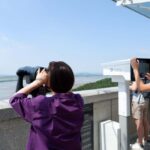
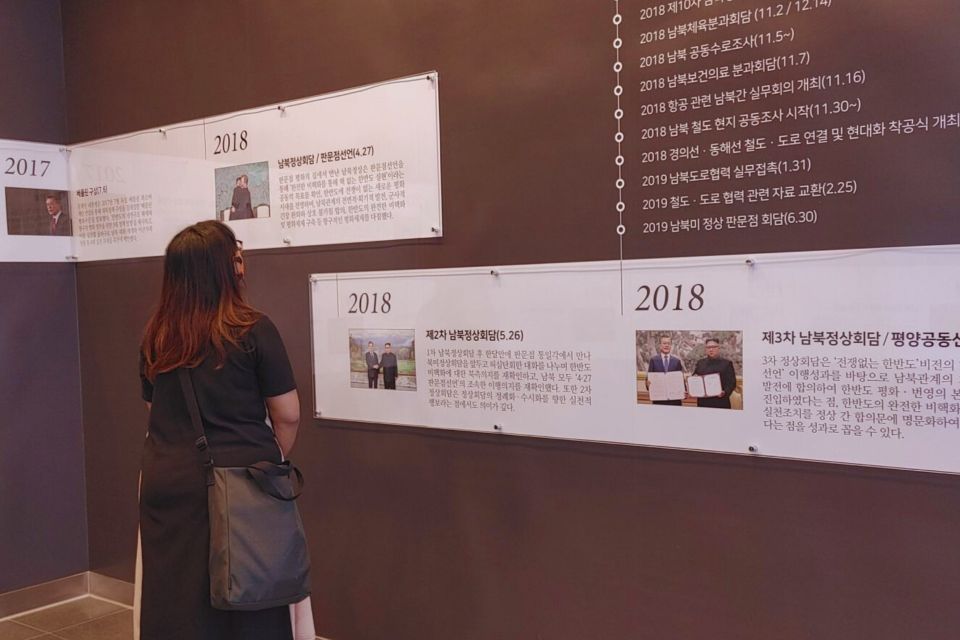
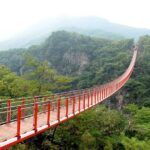
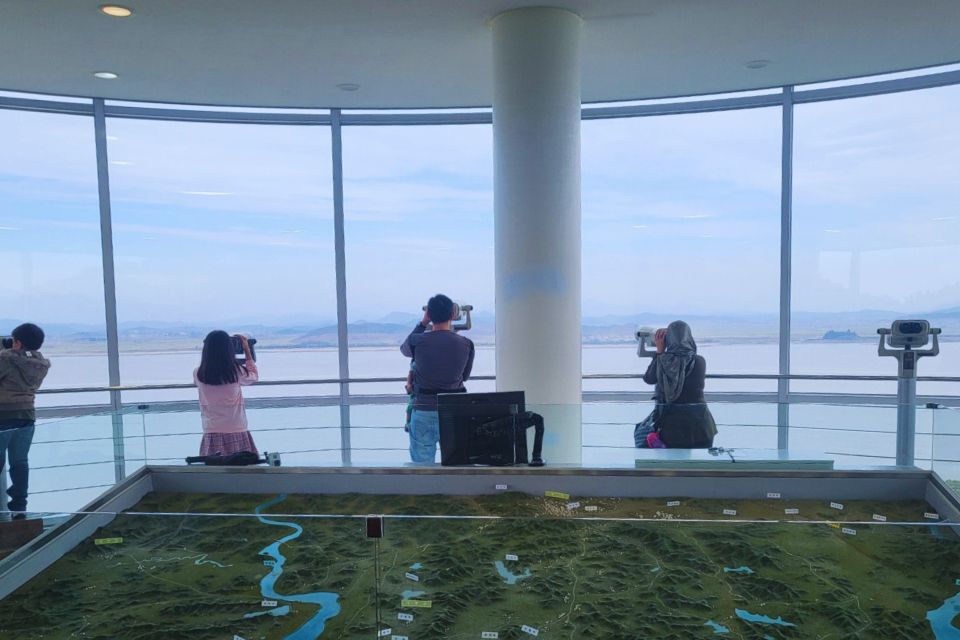
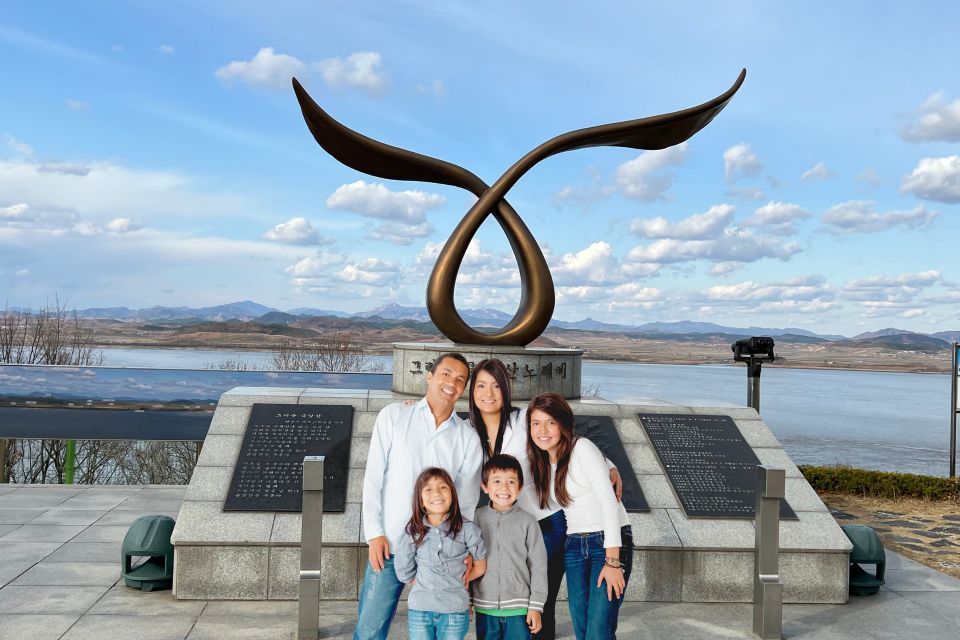
Most history days start in a museum. This one starts with a viewpoint. At the Ganghwa Peace Observatory, you get a guided visit (about 45 minutes) that helps you understand why this island has been important for a long time—strategically, not just romantically.
I like that this stop gives a mental map early. Before you see stone relics and old structures, you learn how geography and conflict shaped the island’s role. If you’ve been to Seoul but haven’t really wrapped your head around the peninsula’s modern story, this is a useful first gear.
The observatory visit also sets you up for the rest of the route. When you later see fortifications and palace sites, the explanations land better because you already know what the island is protecting and why.
UNESCO Ganghwa dolmens: more than big stones
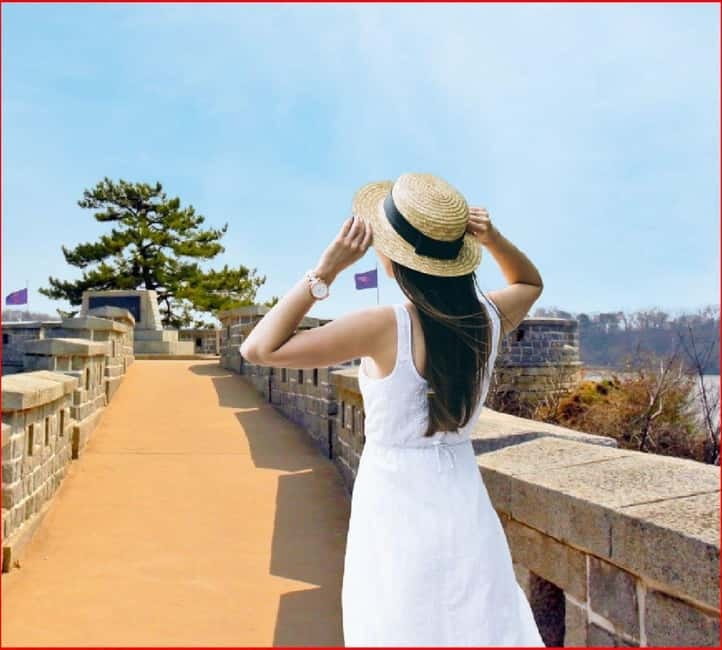
Then comes the UNESCO site: the Ganghwa dolmen area. You’ll spend around 30 minutes there, with a guided visit. These aren’t just “cool rocks.” Dolmens are one of those categories of heritage where you feel the scale first, and the meaning second—so the guide’s context is what turns it from sightseeing into learning.
Even in a short stop, a good guide helps you see patterns: what you’re looking at, how such megalith sites were used and valued in their era, and why they matter now as a UNESCO-recognized heritage site. The best part is that the dolmens act like a timeline bridge. After them, you can start noticing how later historical buildings and power structures fit into the same region.
One practical note: a 30-minute window is enough to see the site properly, but it’s not built for slow wandering. If you love lingering, you’ll want to prioritize good photos first and then listen closely.
Local lunch stop (not included) and how to handle dietary needs

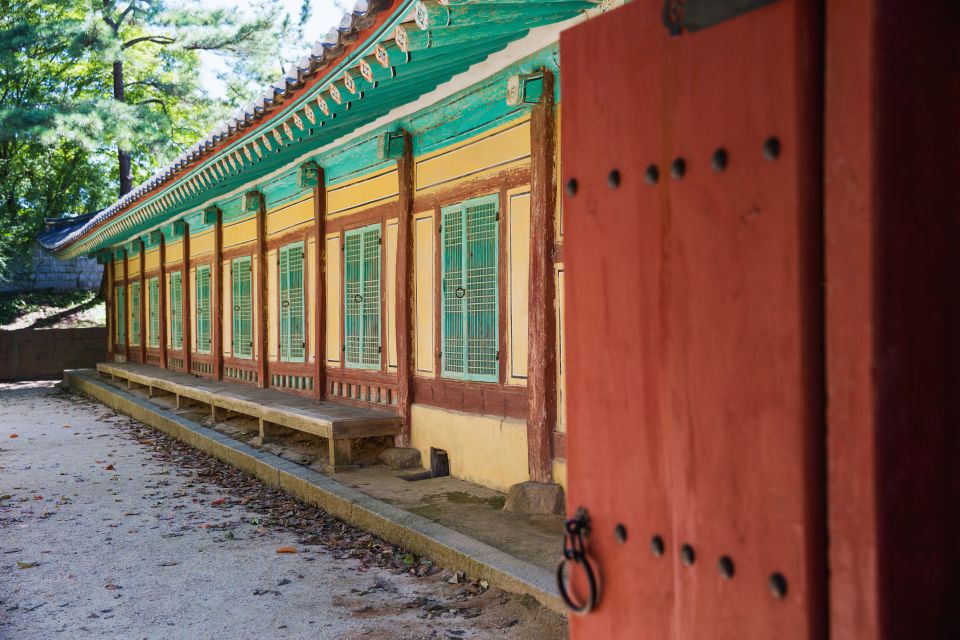
You’ll break for lunch after the dolmen visit. The tour includes about an hour for lunch, but meals aren’t included in the tour price. The guide will recommend a restaurant, though options may be limited and prices depend on where you go.
This is the one part where I’d plan ahead a bit. If you have dietary restrictions, you’re specifically advised to consider bringing your own lunch. That’s not a drama move; it’s a smart way to avoid last-minute menu stress when you’re already outside central Seoul.
If you eat normally, you can still treat lunch as a chance to try something local on Ganghwa. Either way, budget time. With a paid meal, you don’t want to be hunting for food while the group timeline moves.
The island sweep: history sites plus ocean air
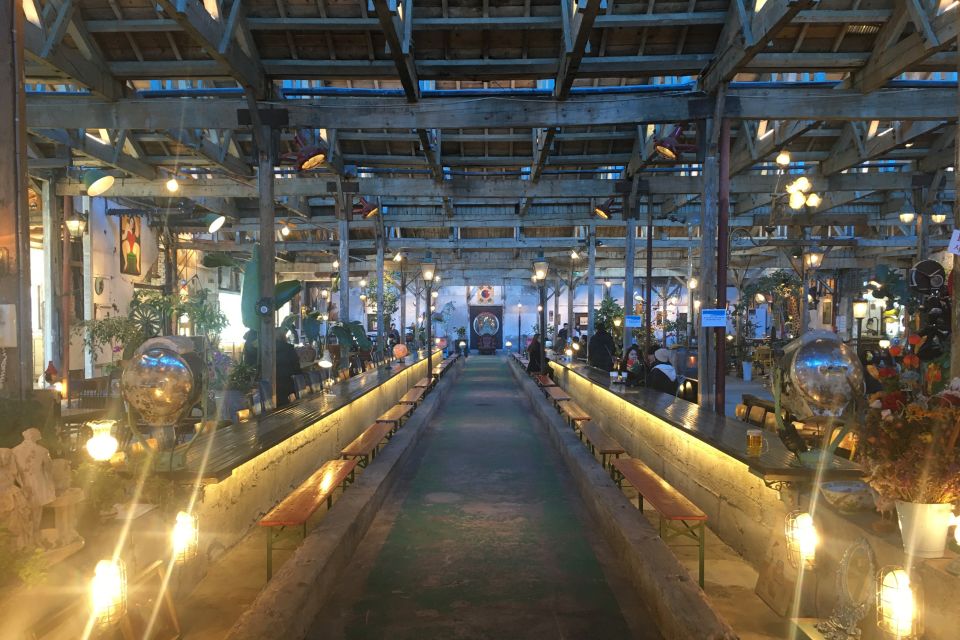
After lunch, the tour shifts into a longer island segment (around 4.5 hours), with visits and guided sightseeing. This is where Ganghwa stops feeling like a list and starts feeling like a place.
Here are some of the stops you may make from the recommended set, depending on how your day flows:
- Goryeo-gung Palace site and Yongheung-gung Palace site: palace sites that help you picture older power centers on the island.
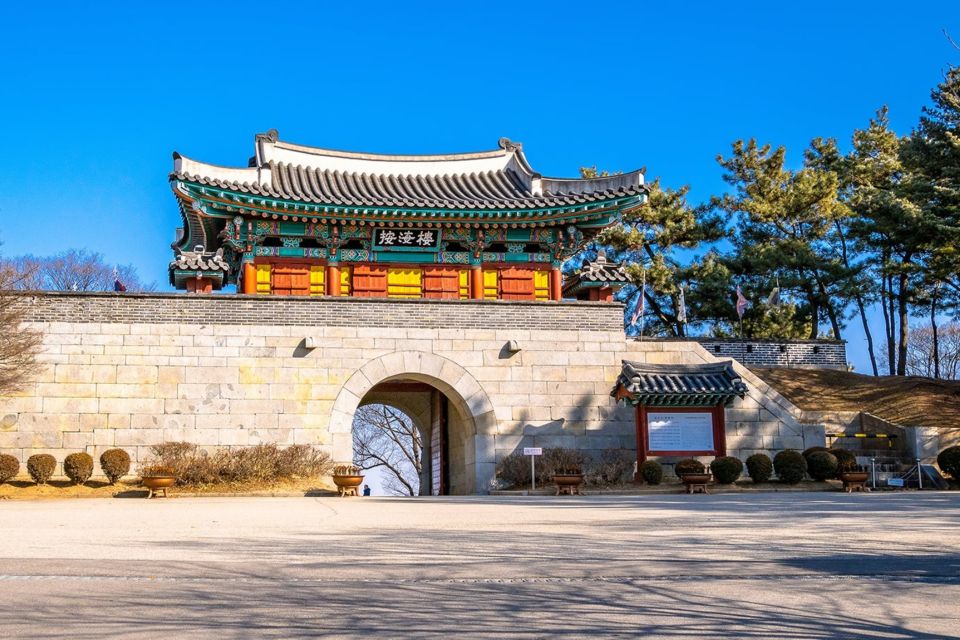
- Gwangseongbo Fortress: a fortress stop that’s built for walking and views, especially if you like seeing history framed by the sea.
- Gangwha Hwamunseok Culture Center: a cultural stop that adds texture beyond the big monuments.
- Ganghwa Anglican Church: a reminder that the island’s story isn’t only ancient and royal.
- Joyang Bangjik: a textile-related visit that breaks up the day with a more hands-on, creative cultural angle.
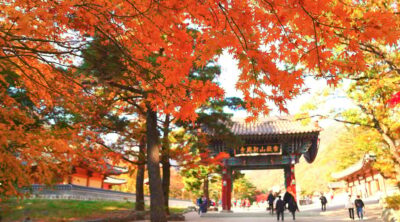
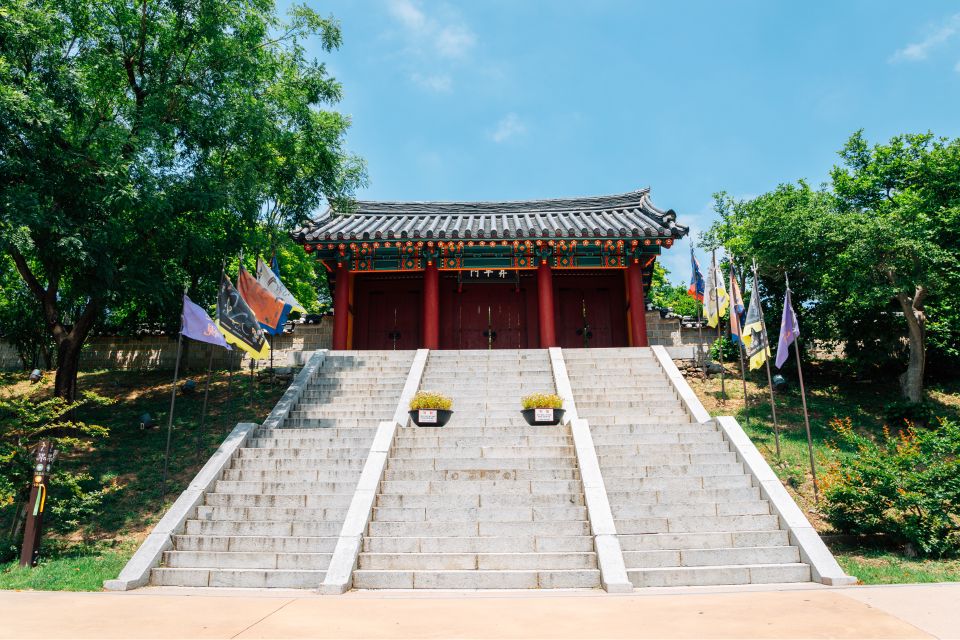
- Jeondeung-sa Temple: a temple visit with a calm setting and, on at least one recent day, the chance to catch a ceremony when timing lines up.
What I like about structuring a day this way is pacing. You get stone relics, then structures tied to governance, then fortifications, then spiritual space. That sequence makes it easier to keep track of what you’re seeing and why it matters.
Also, this is the part of the day where your guide’s style really shows. Peter, for example, was praised for knowing the best photo spots and for giving restaurant recommendations that actually fit what the group wanted. Charlie also stood out for strong engagement and knowledge during other runs. In practice, that means your guide should be able to answer your questions and steer you toward the best angles.
You can also read our reviews of more historical tours in Seoul


Joyang Bangjik and the textile café moment
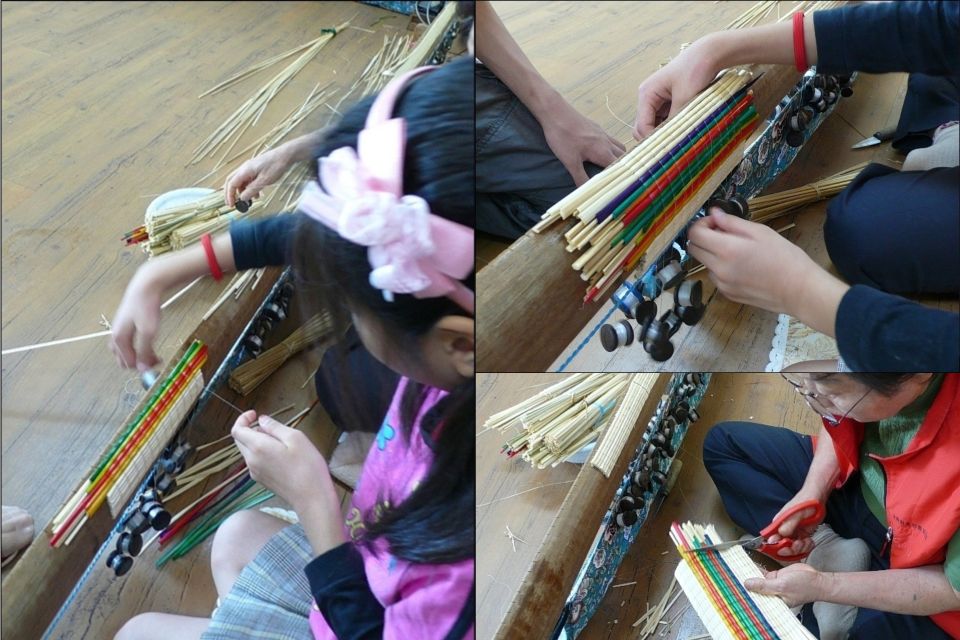
A standout cultural break is Joyang Bangjik, the textile stop that’s tied to the island’s fabric traditions. The tour includes a visit to Joyang Bangjik, plus a separate stop at 강화도령화문석 (Ganghwado traditional textile-related site/event).
You’ll also find a Joyang Bangjik Café mentioned as part of the experience, which makes sense: textile heritage is easier to appreciate when you can connect it to something you can see, touch (as available), and photograph without rushing. Even if you just treat it as a break, it gives your day a different texture from temples and fortresses.
The key practical point: this is a cultural stop where you can slow down a little. If you’re traveling with someone who prefers crafts and quieter places, it’s a good balance to the more “outdoor-walk” segments.
Dongmak Beach: a reset at the shoreline
Near the end of the day, you’ll get Dongmak Beach on the schedule. This is the kind of finish that makes a historical day feel less heavy. After stone, fortresses, and ceremony-time calm, ocean air is a reset.
How much time you get depends on the day’s flow, but you should expect a chance to enjoy the shore and take photos in a more relaxed way. It also helps if you’re the kind of person who likes closing the loop visually: you saw fortifications for a reason, and now you finally get a coastal moment to match.
If you’re sensitive to weather, bring a light layer. Even when it’s sunny in Seoul, coastal wind can change how it feels.
Gyeonggi to Ganghwa by car: comfort and time math
This tour uses round-trip air-conditioned transportation with pickup and drop-off from Seoul. You’re also covered for toll fees, which saves a minor hassle.
The big practical win is time management. Ganghwa is about an hour from Seoul, so one private ride lets you hit multiple sites without thinking about transit logistics. That’s especially useful if you’re only in the Seoul area for a short visit and don’t want to trade a day for buses.
Because it’s wheelchair accessible and it’s a private group, the day is designed to work for different comfort levels. That said, you should still plan on walking at fortress and beach stops. Private means you can pace yourself better, not that the day is totally flat and effortless.
Price and logistics: is $180 per person good value?
At $180 per person for a 10-hour private day, this isn’t a budget impulse buy. But value isn’t just the ticket price; it’s what that ticket replaces.
What you’re paying for:
- Door-to-door transport in an air-conditioned vehicle
- A professional English-speaking guide for the day
- A planned set of major Ganghwa sites, including the UNESCO dolmens
- Toll fees included
What costs extra:
- Lunch and drinks
- Optional purchase of seaweed snacks sampled at the end (you can skip)
For me, the value works best if you:
- Want a day that feels efficient without being rushed
- Care about understanding what you’re seeing at the UNESCO dolmens and other historic sites
- Prefer one knowledgeable guide rather than piecing together sites on your own
If you’re the type who’s happy to self-drive, read signs, and move slowly anyway, you could probably do it cheaper on your own. But you’d lose the structured context and the “best angles” planning that guides like Peter were praised for.
Best for: history-minded couples, photographers, and anyone tired of Seoul-only days
This tour suits you if you want more than a day of city sightseeing. Ganghwa gives you history, culture, and a coastline break—without swallowing your whole trip.
It’s especially a good match if:
- You want UNESCO World Heritage content on your timetable
- You enjoy views from fortresses and coastal stops
- You like cultural variety, like textiles at Joyang Bangjik alongside temples and dolmens
- You value an English guide you can ask questions to (instead of translating everything yourself)
If you’re traveling with kids under 2, note that children under 2 are free without occupying a seat—just inform the company when booking.
Should you book the Ganghwa Island UNESCO World Heritage Private Tour?
Book it if you want an expertly guided, private, all-day mix of UNESCO dolmens, fortresses, palaces, temples, and Dongmak Beach—and you’d rather pay for convenience and context than manage transport and interpretation yourself. It’s also a smart choice if you’ll appreciate that your guide can help with pacing and photo angles, not just facts.
Skip it (or wait and compare) if you’re mainly looking for a cheap day out, since lunch isn’t included and there can be limited choices off a guide’s recommendation. Also consider whether weekend timing might bother you, since traffic can affect how smooth the day feels.
If you want one day where Seoul feels like the starting line and Ganghwa feels like the payoff, this tour is built for that.
FAQ
What sites are included on the Ganghwa Island tour?
The itinerary includes a guided stop at Ganghwa Peace Observatory, a visit to the UNESCO Ganghwa dolmen site, time for lunch at a local restaurant (meal not included), a guided island visit, visits to Gwangseongbo Fortress and Joyang textile stops, and a visit to Dongmak Beach. Exact stops are selected from recommended attractions.
Is lunch included in the tour price?
No. Lunch is not included, and the guide will recommend a restaurant. You’ll have about an hour for lunch, and options may be limited. If you have dietary restrictions, the tour notes that you may want to bring your own lunch.
How long is the tour, and do I get hotel pickup?
The tour lasts about 10 hours. Hotel pickup and drop-off are included from Seoul, and you should wait in the hotel lobby about 10 minutes before the scheduled pickup time.
Is the tour private, and is it available in English?
Yes, it’s a private group tour. The live tour guide speaks English.
What’s the cancellation policy?
You can cancel up to 24 hours in advance for a full refund. Weather-related cancellations due to issues like blizzards also qualify for a full refund if the trip is canceled for weather reasons.
Is the tour wheelchair accessible?
Yes, the tour is wheelchair accessible, and it uses round-trip air-conditioned transportation.