REVIEW · SEOUL
(Small Group) Palace & Seoul Old Town Highlights
Book on Viator →Operated by Honey Trail · Bookable on Viator
Seoul history in one tight loop. This small-group palace and old-town highlights walk is a smart way to see the Joseon-era big hitters and a few modern favorites without burning your whole day. I particularly like how the guide, Lee, ties the places together with clear, everyday context so it all feels connected, not like a checklist.
What I like most: you get the right mix of old and new, with palace grandeur plus street-level culture in Insadong and Bukchon. I also like that the group stays under 10 people, so questions actually happen instead of getting lost in the crowd.
One consideration: you’ll be on your feet a lot in about 3 hours, and the tour requires good weather, so plan your day with a backup mindset.
In This Review
- Key highlights at a glance
- Why this 3-hour Seoul walking route is such good value
- Insadong first: warm up with tea houses and traditional shops
- Jogyesa Temple: a calm pause right inside the city pulse
- Gwanghwamun Square: the history landmark that points you toward the palace
- Gyeongbokgung Palace: where the Joseon story becomes physical
- Bukchon Hanok Village: hanok alleys between two royal areas
- The guide makes the difference: Lee’s history + everyday Korea mix
- Getting the most from the walking time (and not hurting yourself)
- Who should book this tour
- Should you book Palace & Seoul Old Town Highlights?
- FAQ
- How long is the Palace & Seoul Old Town Highlights tour?
- How large is the group?
- Where is the meeting point?
- What’s included in the price?
- Are admission tickets needed for the other stops?
- What if the weather is bad?
- Is there free cancellation?
Key highlights at a glance
- Max 10 people means real interaction: you can ask questions and get direct answers.
- Gyeongbokgung ticket is included: the most important paid stop is already covered.
- A Joseon-era route plus current Seoul stops: palaces, temples, markets/streets, and orientation for future exploring.
- Insadong and Bukchon at human walking speed: short time blocks that still help you understand the layout.
- Guide Lee’s active teaching style: history, everyday culture facts, and even mini quizzes and traditional games.
- Back at the starting point: easier logistics since the walk ends where it began.
Why this 3-hour Seoul walking route is such good value
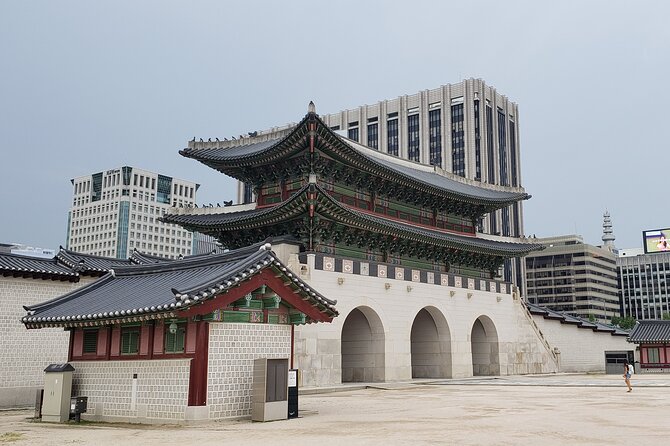
For $60.27, you’re buying time, context, and entry to Seoul’s headline palace. Gyeongbokgung is included, and that matters because palace tickets can be a chunk of the total cost on your own. On top of that, the schedule is built to cover multiple “you should see this” zones in one go: Insadong, Jogyesa Temple, Gwanghwamun Square, Gyeongbokgung Palace, and Bukchon Hanok Village.
The other value is the pacing. This is not a sit-and-watch tour. It’s a walking loop that helps you get your bearings fast in central Seoul. That’s huge on a short trip, because later you’ll know where things are and you’ll navigate with confidence.
The main tradeoff is distance and weather. You’re outdoors most of the time, and the experience depends on good weather, so wear comfortable shoes and keep an eye on the forecast.
You can also read our reviews of more tours and experiences in Seoul.

Insadong first: warm up with tea houses and traditional shops
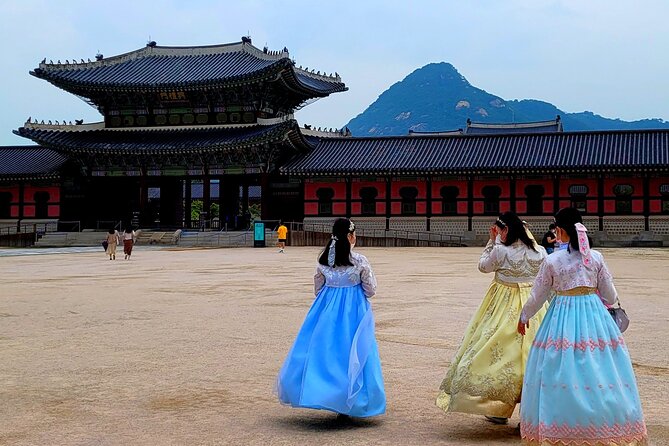
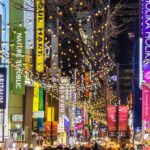
Insadong is a great opener because it sets a tone. You start near Anguk Station (Exit 6, outside) and walk toward the neighborhood known for traditional goods, restaurants, and tea houses. Even with only about 10 minutes here, you’re not rushed through “nothing.” You’re getting a feel for the look and rhythm of the area, and you’ll understand why this zone is always on first-timer lists.
What I’d pay attention to during this stop:
- The street pattern and shop density, because this is the kind of area you’ll want to return to later.
- The mix of traditional items and modern food spots, which helps explain how Seoul keeps old culture visible in daily life.
This short start also helps you reset mentally before the bigger palace portion.
Jogyesa Temple: a calm pause right inside the city pulse
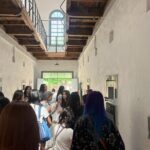
Jogyesa Temple is the head temple of the Jogye Order of Korean Buddhism, and it’s right in the middle of Seoul. It was founded in 1910, and the stop is about 30 minutes—enough time to slow down and notice details rather than just pass by.
This is the kind of contrast that makes the whole itinerary work. After shopping streets, you get a quieter atmosphere with a different pace. If you’re the kind of person who likes “where locals actually pause,” this temple break is one of the best tools for that.
Practical tip: bring a respectful attitude and give yourself a minute to stop looking at your phone. Let your eyes adjust. That’s when the temple space starts to make sense.
Gwanghwamun Square: the history landmark that points you toward the palace
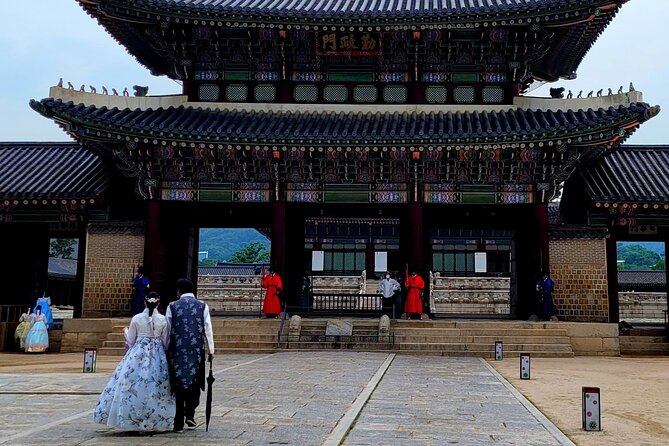
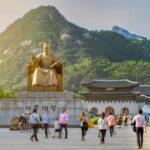
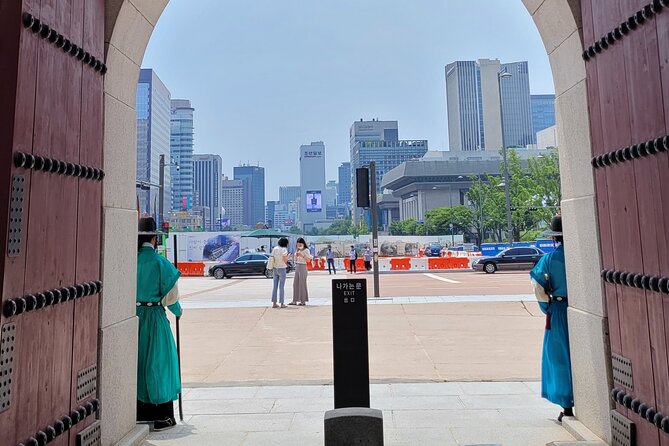
From the temple quiet, you step into Gwanghwamun Square, about a 20-minute stop in front of Gyeongbokgung Palace. This area centers on statues of King Sejong the Great and Admiral Yi Sun-sin, so you get two major historical figures tied to modern Seoul’s most famous palace approach.
Why this stop matters: it functions like an orientation anchor. You’re positioned for what comes next, and the statues add a human scale to the story you’ll hear at the palace.
If you’re taking photos, aim for a spot with a clear sightline to the palace direction. Square-to-gates transitions can be confusing alone, but with a guide walking you through it, you’ll understand what you’re looking at.
Gyeongbokgung Palace: where the Joseon story becomes physical
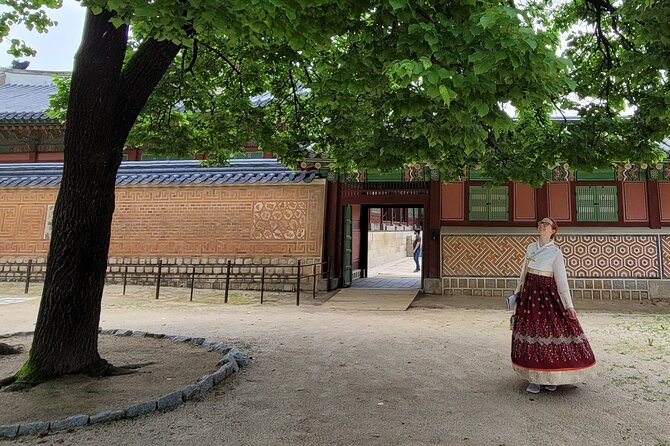
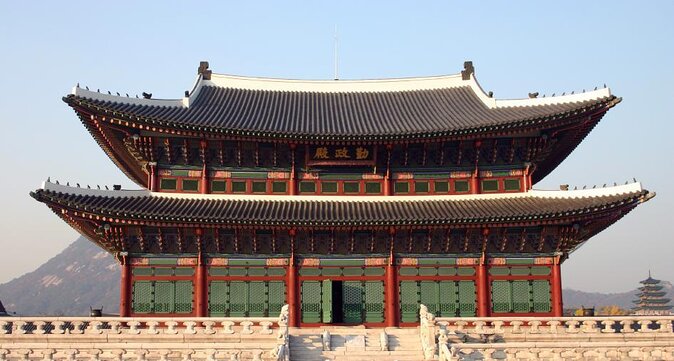
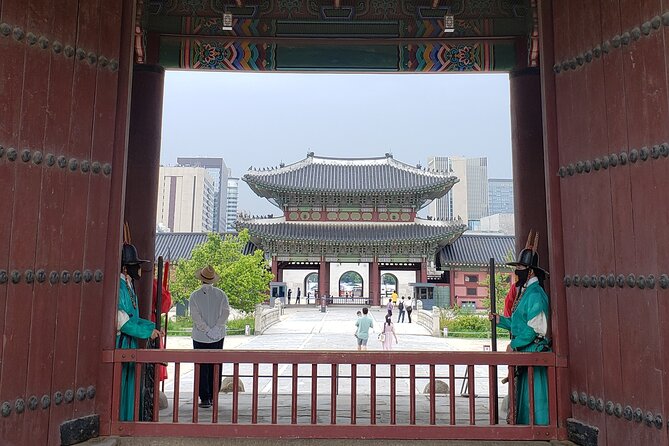
Gyeongbokgung Palace is the big moment on this route. It’s the main royal palace of the Joseon Dynasty, built in 1395, and the tour allots about 1 hour 30 minutes here. Admission to the palace is included, so you don’t have to figure out ticket logistics mid-trip.
The palace layout is one of those “you don’t fully get it until you’re standing in it” places. The description you hear on the tour focuses on a key idea: mountains behind and the city in front. That simple framing helps you understand why the palace feels both protective and commanding.
Here’s what I think you should expect from a good guided stop like this:
- Clear explanations of what you’re seeing, not just names of buildings.
- Enough time to notice courtyards and gates rather than sprinting.
- A story that connects palace power and Joseon-era philosophy to how Korea interprets tradition today.
One more thing: guide Lee’s teaching style can make palace time less heavy. In past conversations on similar tours, what makes the difference is when the guide keeps it moving with quick checks for understanding. On this tour, that kind of energy shows up through mini quizzes and short breaks with traditional games.
If you love history, you’ll get it. If you’re not into history, you’ll still come away with a sense of how royal Korea was structured.




Bukchon Hanok Village: hanok alleys between two royal areas
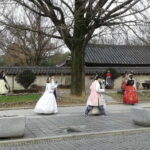
After the palace, the itinerary shifts to Bukchon Hanok Village for about 30 minutes. Bukchon is a historic neighborhood between two royal palaces, and it’s known for hanok—the traditional Korean houses with their distinctive rooftops and shapes.
This stop is short, but it works because it gives you contrast. Gyeongbokgung shows royal architecture and planning at grand scale. Bukchon shows how tradition looks at neighborhood scale, with winding alleys and the texture of rooftops.
What to do during your time here:
- Look for the way the houses line up with the street bends. That “street geometry” is part of the experience.
- Take photos that show rooftops and alley depth, not just one front door.
- Walk slowly for 5 minutes, even if you feel rushed. The village starts to “read” better that way.
Because this is a walking tour, you’re not meant to memorize every lane. You’re meant to understand what the area is and where it sits relative to the palace zone.
The guide makes the difference: Lee’s history + everyday Korea mix
What consistently stands out is the way guide Lee blends Joseon-era context with present-day Korean culture facts. The palace and temple stops could easily feel like separate topics. Instead, the explanations are structured so you feel a through-line.
You’ll also see an energetic approach to keeping the group engaged, including mini quizzes and traditional games during break times. It’s not just entertainment. It’s a practical teaching method: short, low-pressure moments help facts stick, especially when you’re tired from walking.
Lee also earns points for patience and for answering questions well. That matters because Seoul can be confusing fast—neighborhood names, subway station exits, and palace-area geography are not always intuitive. When your guide can clarify on the spot, your mental map improves immediately.
And since this is a small group of up to 10, you’re less likely to feel like you’re shouting into a void.
Getting the most from the walking time (and not hurting yourself)
This is about 3 hours total, so you can’t treat it like a museum day. Plan your day like a “movement tour,” not a “linger at every corner” tour.
My practical checklist:
- Wear comfortable shoes you can walk in for a solid chunk of time.
- Keep layers in mind. Even in good weather, Seoul can swing.
- Have your camera ready, but don’t trap yourself in constant shooting. A lot of the best moments are the short explanations you’ll miss if you’re constantly adjusting settings.
- Bring a small water bottle if you tend to get dry while walking. The tour information doesn’t list beverages, so I’d rather you be prepared than stuck.
If you’re sensitive to crowds, this tour’s group size helps. You’ll still see major sights, but the pace should feel manageable.
Who should book this tour
This one is ideal if:
- You have a short visit and want a fast orientation to central Seoul.
- You like a guide who explains both history and how the culture feels today.
- You want a small group experience with time for questions.
It also works well as a “setup tour.” Even after the walk ends back at the starting point, you’ll have a clearer picture of where to return on your own—especially around palace areas and the hanok neighborhood.
If you’re someone who hates walking or prefers slow museum-style time, you might find this short route still feels like a lot. But for most people, it’s a smart trade.
Should you book Palace & Seoul Old Town Highlights?
Book it if you want a focused, value-based taste of central Seoul in one short session—especially because Gyeongbokgung ticket is included and the group stays small. The itinerary is built to help you understand how Seoul’s Joseon-era spaces connect to everyday neighborhoods, and the guide style (with history explanations, Q&A, and quick engaging moments) can turn “famous sights” into something you actually remember.
Skip it only if you strongly prefer lots of downtime, want to spend hours inside one palace complex, or you’re traveling during uncertain weather. Since the tour requires good weather and you’ll be walking for about 3 hours, comfort and forecast matter.
If you’re deciding between doing nothing planned or doing a starter route, this is the kind of tour that earns its place fast.
FAQ
How long is the Palace & Seoul Old Town Highlights tour?
It runs for about 3 hours.
How large is the group?
The tour has a maximum of 10 travelers.
Where is the meeting point?
You meet at Anguk Subway Station, Exit 6 (outside). The tour ends back at the meeting point.
What’s included in the price?
The Gyeongbokgung Palace admission ticket is included. You also receive a mobile ticket.
Are admission tickets needed for the other stops?
The stops listed for Insadong, Jogyesa Temple, Gwanghwamun Square, and Bukchon Hanok Village are listed with admission ticket free.
What if the weather is bad?
The tour requires good weather. If it’s canceled due to poor weather, you’ll be offered a different date or a full refund.
Is there free cancellation?
Yes. You can cancel up to 24 hours in advance for a full refund.