Seoul’s night eats start with one station. This walk strings together Gwangjang Market and the Cheonggyecheon stream with a food-focused guide who helps you order with confidence. Two things I really like: the market time is long enough to actually learn what’s worth trying, and the evening pace feels relaxed, not rushed. One possible drawback: the tour is built around snacks and stops, not a guaranteed sit-down dinner, so you may still want to budget extra if you get hungry.
Guides like Edward, Yohan, and Jun get repeated praise for how they explain what you’re eating and where to find the good stuff, especially if you’re newer to Korean food. And since it ends in Euljiro (the Hipjiro area), you’re not stuck “back at the start” afterward. Just know you’ll be doing a fair amount of walking across market lanes and city streets over 2 to 3 hours.
If you want an organized way to eat your way through famous Seoul corners, this hits the sweet spot. It also works well for people with dietary restrictions like vegetarian or gluten-free needs, as long as you tell the operator at booking.
In This Review
- Key highlights you can feel in real time
- Meeting at Jongno 5-ga: show up ready to start eating
- Gwangjang Market: the lesson is how to order, not just what to eat
- Cheonggyecheon Stream: a breather that changes the whole mood
- Euljiro (Hipjiro) after dark: where alleys turn into dinner plans
- Price and value: what you’re really paying for
- Who should book this Seoul foodie walk (and who might not love it)
- Smart practical tips so the night goes smoothly
- Should you book this Seoul Foodie Walking Tour?
- FAQ
- Where does the tour start and where does it end?
- What time does the tour start?
- How long is the tour?
- What is included in the price?
- Can I get help with dietary restrictions?
- How big are the groups?
- Are service animals allowed?
Key highlights you can feel in real time
- Jongno 5-ga meet-up at 5:00 pm makes it a true evening food run, not a daytime market scramble
- Gwangjang Market for about two hours gives you time to make smart choices instead of “one stop and done”
- Cheonggyecheon stream break for about 30 minutes so your night doesn’t turn into constant eating
- Euljiro alley wandering after the stream puts you in the mood for small eateries and drink spots
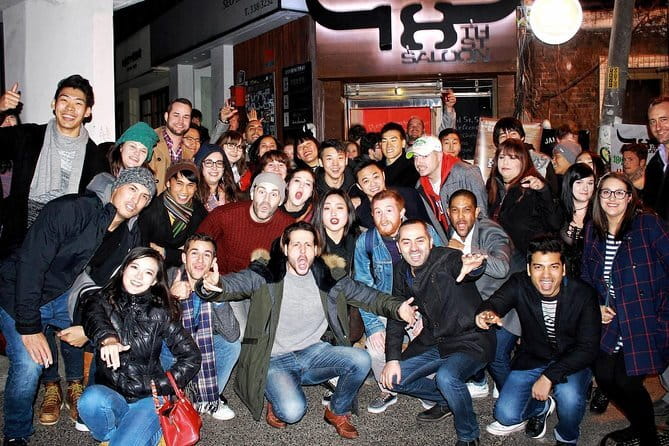
- Small group size (up to 15) makes it easier to ask questions and get food recommendations
Meeting at Jongno 5-ga: show up ready to start eating
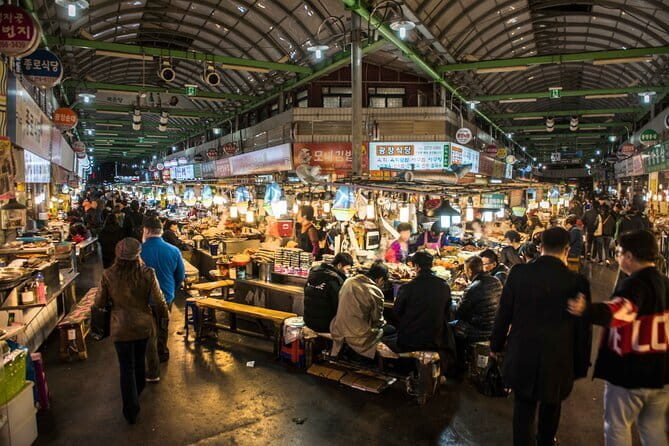
This tour kicks off at Jongno 5-ga Station, Exit 8, starting at 5:00 pm. That timing matters. Seoul’s markets and side-street food scene change a lot after work hours, and an early-evening start helps you catch places at the right energy level.
From there, you’re on your feet for a couple hours, so wear comfortable shoes. You’ll be threading through market aisles, then moving along streets toward the stream and onward to Euljiro. Bring a little patience too. Even with a guide, market flow is market flow.
The group is capped at 15 people, which usually means you won’t feel like you’re trapped in a giant line. And the tour provides a mobile ticket, which is handy for quick check-in.
You can also read our reviews of more walking tours in Seoul


Gwangjang Market: the lesson is how to order, not just what to eat
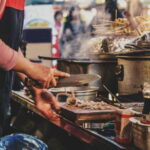
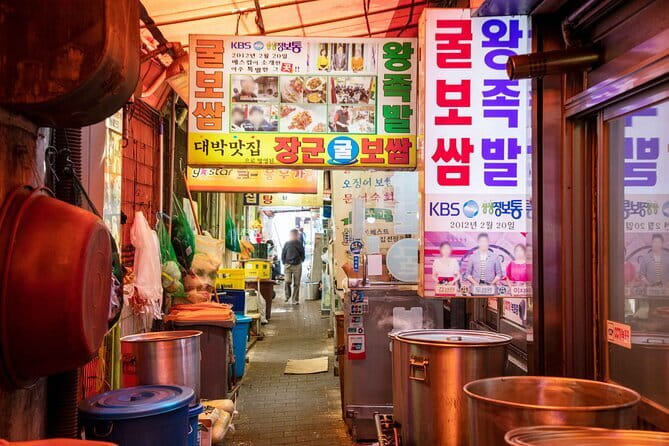
Gwangjang Market is the anchor. It’s one of Seoul’s best-known traditional markets, and this tour uses it the right way: you’re there long enough to actually learn. Two hours is the difference between skimming and getting your bearings.
What makes the market part work is the guide-led ordering and explanation. In the strongest reports, people specifically praise how guides like Edward and Jun describe what foods are, how they’re cooked, and what to expect in texture and flavor. If you’re new to Korean street food, that context is gold. It turns the trip from guessing into knowing.
You also get a behind-the-scenes feel for how market eating really works. Instead of treating each stall like a museum exhibit, you’re watching how people line up, how dishes are served, and what locals tend to go for. That’s the practical side of food travel that pays off long after the tour ends.
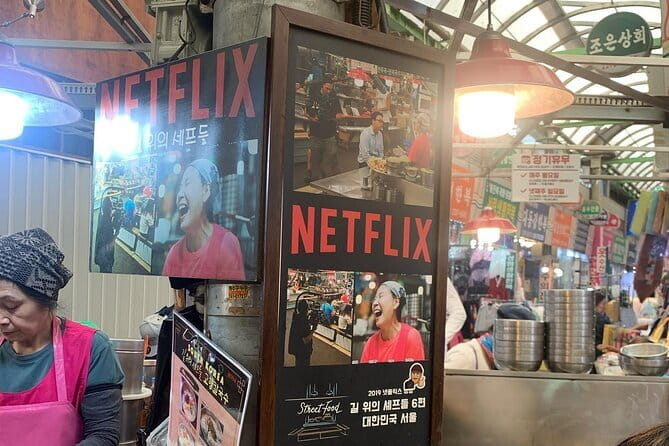
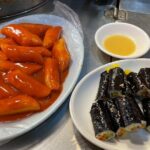
One more angle: the tour mentions restaurants featured on Netflix, so you may run into famous names and the dishes that made them travel-ready. Just keep expectations realistic. A guide can guide you toward well-known spots, but you’re still in a market. Expect variation, choice, and the occasional line.
Potential drawback to consider: one lower rating points out that the experience can feel like walking through the market and landing at restaurants rather than receiving a wide variety of snack tastings throughout. Translation: if you want a tightly planned sampler with lots of small bites at every stop, you might wish for a more structured menu. Your best bet is to ask questions as you go and be clear about what you want to try.
Cheonggyecheon Stream: a breather that changes the whole mood
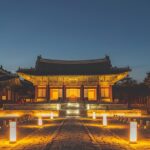
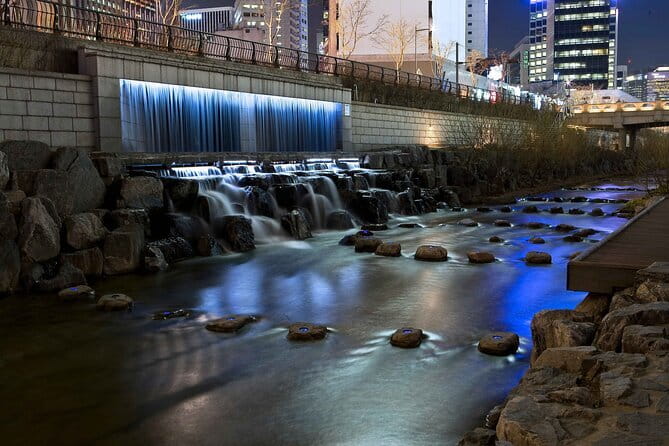
After the market, you get a palate-and-pace reset with a walk along Cheonggyecheon Stream. This part is about 30 minutes, and that’s a smart duration. You’re not escaping the city for hours. You’re stepping into a calmer pocket of Seoul right in the middle of the downtown area.
The stream walk helps your night feel balanced. Market eating can hit all at once—savory, sweet, fried, spicy—so having a quieter stretch gives you time to breathe, digest, and actually talk. It also makes the tour feel less like a nonstop food dash.
You’ll likely notice the contrast in sound too. The soothing water noise makes the city feel different. That matters because this tour is designed as an evening experience, and the stream is the emotional reset button.
Euljiro (Hipjiro) after dark: where alleys turn into dinner plans
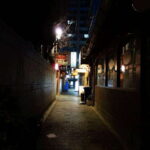
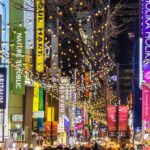
The final stretch is Euljiro, ending at Euljiro 3-ga—often called Hipjiro. This is where Seoul goes from “market learning” to “night exploring.” The tour focuses on discovering the small eateries and drinking spots tucked into the area.
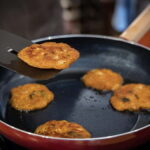
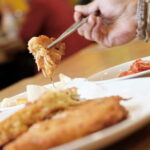
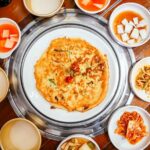
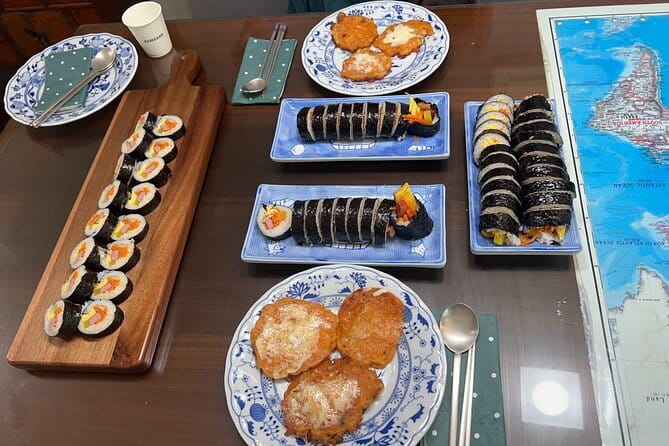
This is also the portion where many people remember specific foods. One set of notes highlights a noodle bowl from a famous dumpling stall, Korean pancakes, Korean donuts with banana milk, and fruit from Juju Island like oranges. Even if your exact orders differ, the pattern is similar: short stops that each deliver something distinct, so you leave with a clear picture of what people actually eat for fun.
A big reason this part lands is how guides handle it. The best experiences emphasize that the guide walks you past stalls and explains what foods are offered, so you’re not just following blindly. You get to choose with more confidence and ask follow-up questions.
And since the tour ends in this nightlife zone, you’re not stuck. After the guided portion, you’re free to continue on your own around Euljiro 3-ga. That’s a real advantage if you want a second round—maybe a sweet, maybe something hot, maybe a drink.
Tip: if you’re sensitive to spice or you’re unsure what a dish will taste like, ask early. Better to clarify before you commit than to push through something you don’t enjoy.
Price and value: what you’re really paying for

The price is $45.46 per person for a 2 to 3 hour walking tour. It includes a professional tour guide, and the main stops have free admission for the areas you visit.
So where does the value come from? It comes from reducing your risk. Markets are crowded, menus can be confusing, and the “what do I order?” part is the hardest part for first-timers. A good guide turns your time into learning you can use later—what to look for, what to avoid, and what to order if you like (or dislike) certain textures.
Also, the group size stays small enough that you can actually interact. If you’ve ever done food tours where you’re just herded from one spot to another, this setup can feel friendlier because the guide can respond to questions.
Two financial notes matter:
- Transportation, dinner, and other personal expenses are not included. You should expect to handle any extra food you order on your own.
- The tour is designed around eating during the walk, but it’s not described as a full meal guarantee. Think snacks and tastings in a guided sequence, not a set restaurant dinner.
That’s why the tour can feel amazing for people who want structure and guidance, but disappointing if you expected a huge variety of included bites every few minutes. Your level of flexibility makes a difference.
You can also read our reviews of more tours and experiences in Seoul

Who should book this Seoul foodie walk (and who might not love it)
This tour is a strong fit if:
- You’re eating your way through Seoul for the first time and want help navigating market choices
- You like evening atmospheres and want a break in the middle with the stream walk
- You want a guide who explains dishes as you go—reports repeatedly highlight this kind of guidance from Edward, Yohan, and Jun
- You have dietary restrictions like vegetarian, vegan, or gluten-free needs, and you plan to mention them at booking
You might think twice if:
- You want a very tightly planned “menu-style” tasting with lots of included small samples regardless of what the group wants
- You’re hoping the tour includes everything up to and including dinner. It doesn’t. Dinner is listed as not included, so you may need a plan afterward
One of the best practical pieces of advice I can give: treat this as your guided route to learn and then enjoy. You’ll often get more out of it if you’re open to what the guide recommends, ask questions, and then decide what you want to add at the end near Hipjiro.
Smart practical tips so the night goes smoothly
Bring comfortable shoes. This is a walking tour with a market section first, so you’ll want stability and grip.
Decide your spice level before you arrive. If you don’t eat spicy food, say so at the start. The tour can accommodate dietary restrictions if you declare them at booking, but spice preferences are still best discussed directly.
Use the time wisely at the market. The best market moments are when you focus on quality and variety, not just trying everything. Ask what a dish tastes like and what makes it worth ordering.
Have a backup plan for dinner. Since dinner isn’t included, you’re smart to pick a nearby food idea for after the tour ends in Euljiro 3-ga.
Keep the group size in mind. With a maximum of 15 people, you can usually ask questions, but don’t monopolize every stall. Balance your curiosity with the pace the guide is managing.
If you need dietary accommodations, tell them in advance. Vegetarian, vegan, gluten-free, and more are mentioned as possible with special requirements. That’s your chance to prevent last-minute stress.
Should you book this Seoul Foodie Walking Tour?
Book it if you want a guide-led evening route through Gwangjang Market, a calming walk on Cheonggyecheon, and then an after-dark wander in Euljiro (Hipjiro) with help picking food. The strongest value here is human guidance—people highlight how guides like Edward and Yohan explain foods clearly and make recommendations that work, especially for newcomers.
Skip it or choose a different format if you’re expecting an ultra-structured, no-questions-needed menu with lots of included tastings at every stop, because at least some feedback points to that mismatch. Also, treat it as snacks and guided eating, not a fully included dinner.
If your goal is simple: learn how Seoul street food works, eat well along the way, and end in a fun neighborhood where you can keep exploring—this is a solid bet for an evening in Seoul.
FAQ
Where does the tour start and where does it end?
The tour meets at Jongno 5-ga Station, Exit 8, in Seoul. It ends at Euljiro 3-ga (Hipjiro) in the Jung District, and you are then free to tour on your own.
What time does the tour start?
The start time is 5:00 pm.
How long is the tour?
It runs about 2 to 3 hours. The Gwangjang Market portion is listed as about 2 hours, and the Cheonggyecheon Stream walk is listed as about 30 minutes.
What is included in the price?
A professional tour guide is included. Admission tickets for the market and stream stops are listed as free. Transportation, dinner, and other personal expenses are not included.
Can I get help with dietary restrictions?
Yes. The tour can accommodate dietary restrictions such as vegetarian, vegan, gluten-free, and more. You need to indicate your requirements at booking under special requirements.
How big are the groups?
The tour has a maximum of 15 travelers. It also has a minimum number of participants needed for the departure to run.
Are service animals allowed?
Yes, service animals are allowed.